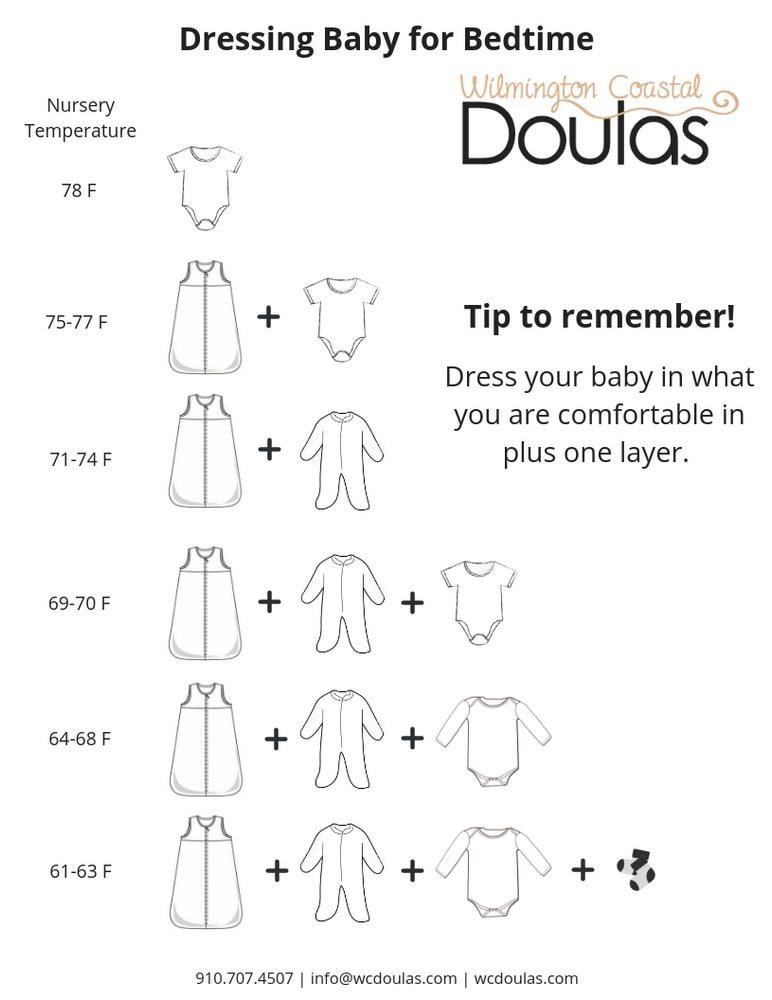
You want to keep your baby comfortable and safe, especially when the air conditioner is running. But how do you dress your little one in a cool room without making them too cold or too warm?
Finding the right balance can feel tricky. You’ll discover simple, practical tips to help you dress your baby perfectly for an air-conditioned bedroom. Keep reading to ensure your baby stays cozy, happy, and well-rested all night long.
Choosing The Right Fabrics
Choosing the right fabrics helps keep babies comfortable in air conditioned rooms. Soft, breathable materials stop babies from getting too hot or too cold.
It is important to pick fabrics that allow air flow and absorb moisture. This keeps the baby's skin dry and safe.
Breathable Materials For Baby Clothes
Breathable fabrics let air pass through easily. They help keep babies cool by letting heat escape.
Cotton is one of the best breathable fabrics for baby clothes. It feels soft and allows air to circulate well.
- 100% cotton clothes are gentle on baby skin
- Lightweight cotton fabrics improve air flow
- Organic cotton reduces risk of irritation
- Bamboo fabric is also breathable and soft
Avoiding Overheating Fabrics
Some fabrics trap heat and can make babies sweat too much. Avoid these materials in an air conditioned bedroom.
Polyester and fleece are examples of fabrics that keep heat in. They may cause discomfort in cool rooms.
- Synthetic fabrics often block air flow
- Thick fabrics trap heat and moisture
- Shiny materials like nylon can cause sweating
- Always check fabric labels before buying

Layering Strategies
Babies need the right clothes in air-conditioned rooms. Layering helps keep them comfy. It lets you add or remove clothes to match the temperature.
Use soft, breathable fabrics that feel good on baby’s skin. Layers work best when they are light and easy to adjust.
Light Layers For Temperature Control
Start with a cotton onesie as the first layer. Add a light cotton shirt or a thin sweater if it feels cool. Avoid thick fabrics that can make baby too warm.
- Use breathable fabrics like cotton or bamboo
- Choose clothes that fit well but are not tight
- Add or remove layers based on room temperature
- Check baby’s neck or back to see if they feel hot or cold
- Keep a light blanket nearby for extra warmth
Using Sleep Sacks And Swaddles
Sleep sacks keep babies warm without loose blankets. Swaddles help newborns feel secure and cozy. Both should be lightweight for air-conditioned rooms.
| Item | Best Fabric | Use When |
| Sleep Sack | Cotton or muslin | Cool air-conditioned nights |
| Swaddle | Light cotton or bamboo | Newborns needing security |
| Light Blanket | Cotton or fleece | Extra warmth if needed |
Ideal Clothing Styles
Dressing babies for an air conditioned bedroom needs care. The right clothes keep them comfortable and safe.
Choosing the best fabrics and styles helps your baby sleep well. Avoid overheating or getting too cold.
Sleepsuits Vs. Pajamas
Sleepsuits cover the whole body in one piece. Pajamas come as two parts, a top and bottoms. Both have pros and cons for air conditioned rooms.
- Sleepsuits:Keep babies warm and snug without gaps.
- Pajamas:Offer more flexibility and can be mixed with layers.
- Material:Choose cotton or bamboo for breathability.
- Fit:Avoid tight clothes to allow free movement.
Footed Vs. Non-footed Options
| Type | Benefits | Considerations |
|---|---|---|
| Footed | Keep feet warm without socks | May feel tight if too small |
| Non-Footed | Allow wearing socks or booties | Feet can get cold if not covered |
Choose footed options for cooler nights. Non-footed suits work well if room temperature is mild. Always check baby’s comfort by feeling their neck or tummy.

Adjusting To Room Temperature
Babies need careful attention when sleeping in an air conditioned room. Their bodies adjust slowly to cooler air. Dressing them properly helps keep them comfortable and safe.
Parents should observe how their baby reacts to the room temperature. This helps in choosing the right clothes and setting the air conditioner correctly.
Optimal Air Conditioner Settings
Set the air conditioner to a moderate temperature to avoid chilling your baby. Aim for a room temperature between 72°F and 75°F (22°C to 24°C). This range keeps the room cool but not too cold.
- Keep the AC fan on low speed to prevent direct cold air on your baby.
- Use a timer to switch off the AC during the night if the room stays cool enough.
- Close windows and doors to maintain steady room temperature.
- Check the air filter regularly to ensure clean air circulation.
Monitoring Baby’s Comfort
Watch your baby closely for signs of discomfort. Their skin, hands, and feet can tell you if they are too cold or too warm.
| Sign | Meaning | What to Do |
| Cold hands or feet | Baby might be too cold | Add a light blanket or warmer clothes |
| Sweaty or flushed skin | Baby might be too warm | Remove a layer of clothing |
| Restless or fussy | Uncomfortable temperature | Adjust room temperature or clothing |
| Calm and relaxed | Comfortable | Keep current settings and clothes |
Nighttime Dressing Tips
Dressing your baby for sleep in an air conditioned room can be tricky. You want to keep them warm but not too hot.
Choosing the right clothes helps your baby sleep well and stay comfortable all night.
Keeping Baby Warm Without Overheating
Use light layers like a cotton onesie and a sleeper. Avoid heavy blankets that trap heat.
Keep the room temperature between 68°F and 72°F to help balance warmth and coolness.
- Dress baby in breathable cotton fabrics
- Use a sleep sack instead of loose blankets
- Check room temperature regularly
- Adjust layers if baby feels too warm or cold
Signs Baby Is Too Cold Or Hot
Watch for clues from your baby’s skin and behavior to know if they are too cold or hot.
Check their neck, hands, and feet often to see if they feel sweaty, cold, or warm.
- Too cold: pale skin, cold hands and feet, fussiness
- Too hot: sweating, red skin, rapid breathing, restlessness
- Comfortable: warm neck, calm and sleeping well

Additional Comfort Measures
Dressing babies in an air-conditioned room can be tricky. Ensuring they are comfortable is important for their health. Here are some tips to help keep your little one cozy and safe.
Consider these additional comfort measures to maintain the right temperature and comfort for your baby. It's all about making the room feel just right.
Using Soft Blankets Safely
Soft blankets can provide warmth, but safety is key. Ensure the blanket is lightweight and breathable. Avoid heavy or thick blankets that can cause overheating.
- Choose cotton or muslin blankets.
- Ensure the blanket is not too large to avoid covering the face.
- Keep the room temperature moderate to reduce blanket dependency.
Humidity Control In Air Conditioned Rooms
Air-conditioned rooms can become dry, affecting your baby's skin and breathing. Maintaining proper humidity is essential for comfort.
| Humidity Level | Action |
| Below 30% | Use a humidifier |
| 30% - 50% | Maintain current settings |
| Above 50% | Use a dehumidifier |
Frequently Asked Questions
How Should I Dress My Baby In An Air-conditioned Room?
Dress your baby in lightweight, breathable fabrics like cotton. Use a thin onesie or pajamas to keep them comfortable and prevent overheating.
Is It Safe To Use Blankets In An Air-conditioned Nursery?
Avoid heavy blankets; instead, opt for a light swaddle or sleep sack. This reduces the risk of suffocation and keeps your baby cozy.
What Temperature Is Ideal For A Baby’s Air-conditioned Room?
Maintain the room temperature between 72°F and 75°F (22°C-24°C). This range keeps your baby comfortable without being too cold or hot.
Should I Cover My Baby’s Head In An Air-conditioned Room?
No, avoid covering your baby’s head to prevent overheating. Keep their head uncovered to regulate body temperature naturally.
Conclusion
Dressing babies in an air-conditioned room needs simple care. Choose soft, breathable clothes to keep your baby comfortable. Avoid heavy layers that can cause overheating. Check your baby often to see if they feel too warm or cold. Keep the room temperature steady and cozy.
A well-dressed baby sleeps better and stays happy. Remember, comfort and safety come first when dressing your little one indoors. Small steps make a big difference in keeping your baby calm and healthy.