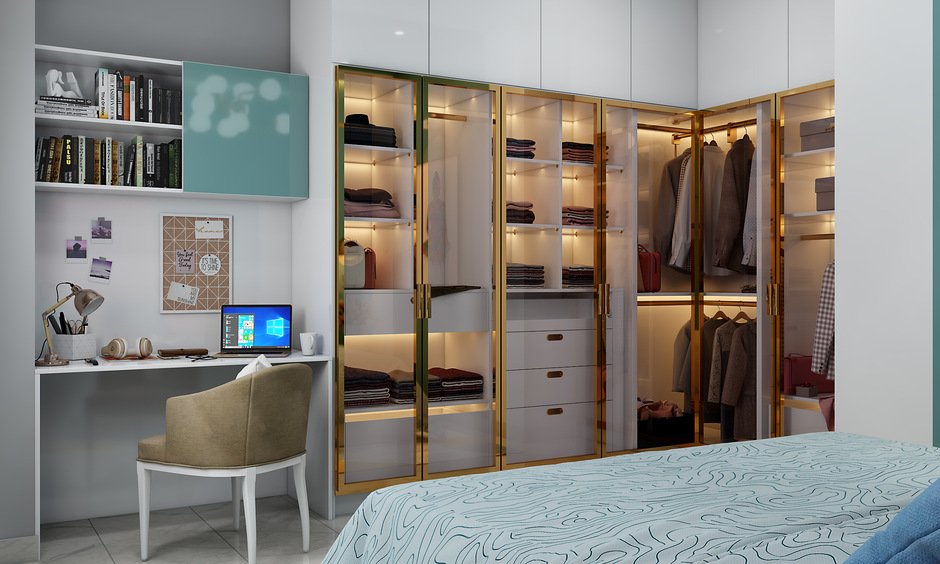
Are you tired of a cluttered bedroom that makes getting dressed stressful? Designing the perfect wardrobe can transform your space into a calm, organized haven where everything has its place.
Imagine opening your wardrobe and instantly finding exactly what you need, saving you time and frustration every day. You’ll discover simple, practical tips to design a wardrobe that fits your style, maximizes your storage, and makes your daily routine smoother.
Keep reading to learn how to create a wardrobe that works for you and your bedroom.

Choosing The Right Wardrobe Style
Designing a bedroom wardrobe needs careful thought. The right style fits your room and storage needs. Your choice affects the room’s look and feel.
Consider your space size, decor style, and how you want to use the wardrobe. This guide helps you pick the best wardrobe style for your bedroom.
Modern Vs Classic Designs
Modern wardrobes have clean lines and simple shapes. They often use neutral colors and smooth surfaces. Classic wardrobes have detailed woodwork and traditional shapes. They add warmth and elegance.
- Modern designs suit minimalist rooms.
- Classic designs fit traditional or vintage rooms.
- Modern styles use materials like glass and metal.
- Classic styles use rich wood and ornate handles.
Built-in Vs Freestanding Wardrobes
Built-in wardrobes are fixed in place. They use the room’s walls and corners for storage. Freestanding wardrobes stand alone and can move around. Each has pros and cons.
| Type | Space Use | Flexibility | Installation |
| Built-in | Maximizes space | Fixed location | Needs custom work |
| Freestanding | Less space-efficient | Can be moved | Easy setup |
Sliding Doors Or Hinged Doors
Sliding doors save space since they move sideways. Hinged doors open outwards and need room to swing. Your choice depends on your bedroom layout and how you use the wardrobe.
- Sliding doors work well in small rooms.
- Hinged doors allow full access inside.
- Sliding doors need smooth tracks and maintenance.
- Hinged doors can hold mirrors or hooks.
Measuring Your Space Accurately
Designing a wardrobe for your bedroom starts with measuring the space well. Accurate measurements help you avoid mistakes and fit the wardrobe perfectly.
Take your time to measure carefully. This makes the design process smoother and the final result better.
Assessing Bedroom Dimensions
Start by measuring the length and width of your bedroom. Use a tape measure and write down the exact numbers. Measure from wall to wall at floor level.
Check for any irregular shapes or corners that could affect the wardrobe size. Knowing the full room layout helps plan the wardrobe space well.
Allowing For Door And Window Clearance
Measure the space around doors and windows near the wardrobe area. Make sure the wardrobe does not block them when opened or closed.
- Note the width of doors and windows
- Check the swing space for doors
- Leave at least 2-3 inches clearance around openings
Allowing this space ensures easy movement and light flow in your bedroom.
Considering Ceiling Height
Measure the height from the floor to the ceiling. This helps decide the wardrobe height and style.
If you have a low ceiling, choose a shorter wardrobe. For tall ceilings, you can use a wardrobe that reaches higher for more storage.
- Low ceiling: under 8 feet
- Standard ceiling: 8 to 9 feet
- High ceiling: above 9 feet
Maximizing Storage Efficiency
Designing a bedroom wardrobe with smart storage helps keep things neat. Good planning saves space and makes items easy to find.
Use every inch inside your wardrobe to store clothes and accessories. This guide covers shelves, drawers, hanging rods, and organizers.
Incorporating Shelves And Drawers
Shelves let you stack clothes and boxes neatly. Drawers hide smaller items and keep your wardrobe tidy.
Place shelves at different heights to fit folded clothes and bags. Drawers work well for socks, underwear, and jewelry.
- Use adjustable shelves for flexible storage
- Install deep drawers for bulky items
- Group similar items in each drawer
- Label drawers for quick access
Using Hanging Rods Wisely
Hanging rods save space for dresses, shirts, and jackets. Use double rods to increase hanging capacity.
Place one rod higher for long clothes. Add a lower rod for shorter clothes to use vertical space fully.
- Install rods at different heights
- Use sturdy rods to hold heavy clothes
- Keep frequently used clothes at eye level
- Use hangers that match clothes type
Adding Shoe And Accessory Organizers
Shoe organizers keep shoes in order and off the floor. Use racks, cubbies, or clear boxes for easy viewing.
Accessory organizers store belts, scarves, and jewelry. Hooks or small compartments prevent tangles and damage.
- Use vertical space for shoe racks
- Choose clear boxes to quickly find shoes
- Install hooks for belts and scarves
- Add small trays or dividers for jewelry
Selecting Materials And Finishes
Choosing the right materials and finishes is key for a stylish bedroom wardrobe.
The materials affect durability, look, and how the wardrobe fits your room style.
Wood Types And Their Benefits
Wood is a popular choice for wardrobes. Different woods offer unique strengths and looks.
- Oak:Strong and lasts long. It has a classic look.
- Pine:Light and easy to paint. It is budget-friendly.
- Walnut:Dark and rich in color. It adds warmth.
- Teak:Water-resistant and very durable.
Laminate Vs Veneer Options
Laminate and veneer are common finishes. They change the wardrobe’s surface feel and look.
| Finish Type | Durability | Appearance | Cost |
| Laminate | Very durable and scratch-resistant | Variety of colors and patterns | Affordable |
| Veneer | Less durable, can scratch | Natural wood grain look | More expensive than laminate |
Choosing Colors To Match Your Bedroom
Color can blend your wardrobe with the room or make it stand out as a feature.
- Match light colors to small rooms for a spacious feel.
- Use dark colors in large rooms to add coziness.
- Neutral shades fit most décor styles.
- Bright colors add energy but can be overwhelming.
Customizing Wardrobe Interiors
Designing a wardrobe for your bedroom means making the inside fit your needs. Customizing the interior helps keep clothes neat and easy to find.
You can change shelves, add lights, or include mirrors to make your wardrobe more useful and stylish.
Adjustable Shelving Systems
Adjustable shelves let you change the space inside the wardrobe. You can move shelves up or down to fit big or small items.
This flexibility helps you organize shoes, bags, or folded clothes better. It also saves space and keeps things tidy.
- Move shelves to match your item sizes
- Add more shelves for small items
- Remove shelves for tall clothes like dresses
Integrating Lighting Solutions
Good lighting inside the wardrobe helps you see your clothes clearly. It makes picking outfits easier, especially in dark rooms.
You can use LED strips or small spotlights. These lights use little power and fit well inside shelves or hanging spaces.
- Install LED strips under shelves
- Use motion sensors for automatic lighting
- Choose warm light for a cozy feel
Adding Mirrors And Decorative Elements
Mirrors inside or on wardrobe doors help you check your look quickly. They also make the room look bigger.
Decorative elements add style and personality. Use handles, trims, or wallpaper to match your bedroom design.
- Fit full-length mirrors on doors
- Choose stylish handles or knobs
- Apply wallpaper on interior panels
Planning For Maintenance And Durability
Designing a wardrobe involves more than just style. It's important to plan for maintenance and durability. A well-planned wardrobe lasts longer and requires less upkeep.
Consider materials, hardware, and techniques that make cleaning easy. This ensures your wardrobe stays in good condition for years.
Easy-to-clean Surfaces
Choose surfaces that are easy to wipe down. This helps prevent dust and dirt build-up. Laminate and polished wood are good choices.
- Laminate resists stains and scratches
- Polished wood is smooth and easy to clean
- Glass surfaces can be wiped with a damp cloth
Durable Hardware Choices
Hardware is key to a lasting wardrobe. Choose durable materials like stainless steel or brass. They resist rust and wear.
Handles, hinges, and rods must be strong. This prevents breakage and ensures smooth operation.
Preventing Wear And Tear
Prevent wear and tear with smart design. Use soft-close hinges and sturdy shelves. These features reduce stress on the wardrobe.
Regular maintenance is also important. Check and tighten screws and hinges to keep everything secure.
- Soft-close hinges prevent slamming
- Thick shelves hold more weight
- Regular checks keep the wardrobe in good shape
Incorporating Wardrobe Into Bedroom Layout
Designing a wardrobe for your bedroom requires careful planning. It should fit well into your space and match your needs.
Consider both style and utility as you decide where to place your wardrobe. This will help create a comfortable and functional bedroom.
Balancing Function And Aesthetics
Your wardrobe should be practical and attractive. Choose a design that matches your bedroom's theme while providing enough storage.
- Select a wardrobe with both shelves and hanging space.
- Opt for a design that complements your bedroom decor.
- Consider mirrored doors for added functionality.
Positioning For Optimal Flow
Place your wardrobe where it won't block pathways. Ensure that doors can open fully without hitting other furniture.
| Wardrobe Type | Ideal Placement |
| Sliding Door | Near narrow spaces |
| Hinged Door | Open areas with space to swing |
| Corner Unit | Utilizes corner spaces |
Complementing Other Furniture Pieces
Your wardrobe should harmonize with other furniture. This creates a unified look in your bedroom.
Consider these tips to ensure harmony:
- Match colors with your bed and nightstand.
- Keep the style consistent with your dresser and desk.
- Balance the size with other large furniture pieces.


Frequently Asked Questions
What Is The Best Wardrobe Design For Small Bedrooms?
Compact wardrobes with sliding doors save space. Use vertical storage and light colors to make the room look larger. Custom shelving maximizes every inch efficiently.
How To Choose Wardrobe Materials For Durability?
Opt for solid wood or high-quality MDF. These materials are sturdy and long-lasting. Avoid cheap particle boards to ensure your wardrobe lasts longer and resists wear.
What Are Smart Storage Ideas For Bedroom Wardrobes?
Include adjustable shelves and pull-out drawers. Add hanging rods at different heights for clothes. Use clear bins for accessories to keep everything organized and visible.
How To Design A Wardrobe That Matches Bedroom Decor?
Pick wardrobe colors and finishes that complement your room’s theme. Coordinate handles and hardware with your furniture style. Balance style and function for a cohesive look.
Conclusion
Designing a bedroom wardrobe takes planning and care. Choose the right size and style for your space. Think about what you need to store and how often you use it. Use shelves, drawers, and hanging space wisely. Keep the design simple and neat to avoid clutter.
Good lighting helps you find things easily. A well-designed wardrobe makes your bedroom tidy and cozy. Take your time and create a space that fits your daily needs. Enjoy a bedroom that feels organized and comfortable every day.