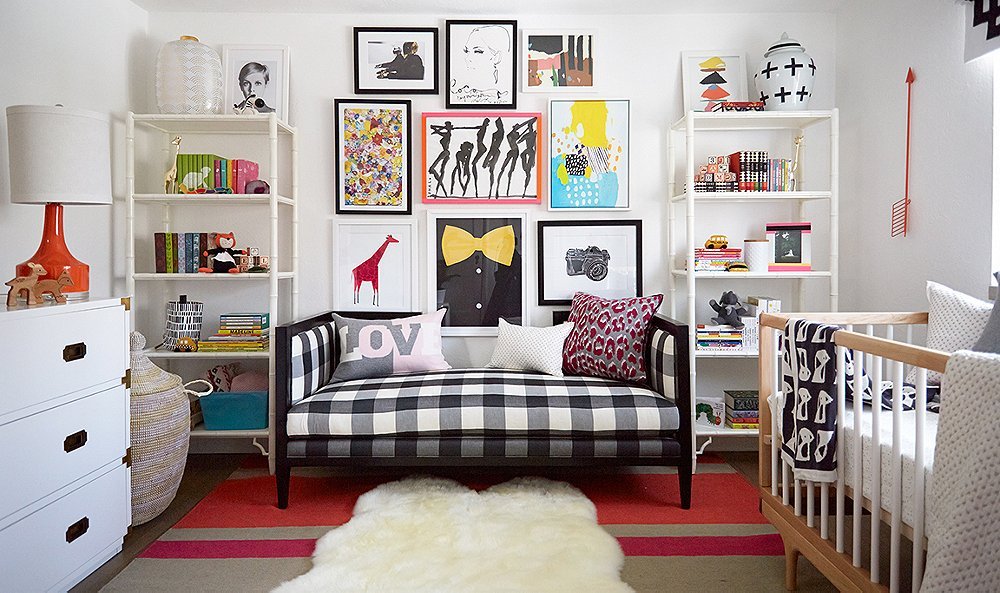
Are you ready to transform your child’s bedroom into a magical space where imagination runs wild and comfort meets fun? Decorating a child’s room isn’t just about picking pretty colors or cute furniture—it’s about creating a personal haven where your little one feels safe, happy, and inspired every day.
Whether you want to boost creativity, keep things organized, or simply make the room more inviting, this guide will show you simple, smart ideas that you can easily apply. Keep reading, and discover how to turn your child’s bedroom into a place they’ll love to spend time in.
Choosing A Theme
Choosing a theme for a child’s bedroom sets the tone for the entire space. It creates a fun and inviting place where your child feels happy and safe. A clear theme helps guide your decoration choices. It makes the room look well put together and exciting.
Themed bedrooms can inspire creativity and play. They also make it easier to pick colors, furniture, and decor. Themes can be simple or bold, depending on your child’s personality and age. Start with ideas that spark joy and reflect your child’s likes.
Popular Themes For Kids
Many themes work well for children’s rooms. Animal themes bring nature indoors with cute or wild creatures. Space themes introduce stars, planets, and rockets for curious minds. Fairy tale themes add magic with castles and princesses. Sports themes show a love for games and teams. These popular choices create a clear and fun style.
Mixing Themes Creatively
Combining two themes can make a unique room. Try mixing animals with jungle adventure or space with robots. Use colors and small decorations to blend ideas smoothly. This approach allows your child to enjoy more interests. Keep the design balanced to avoid a cluttered look.
Incorporating Child’s Interests
Focus on what your child loves most. Favorite books, hobbies, or colors can inspire the theme. Talk with your child to learn their preferences. Personal touches make the room feel special and personal. Include items that encourage learning and play within the theme.
Color Schemes That Inspire
Choosing the right color scheme is key to creating a fun and cozy children's bedroom. Colors set the mood and spark imagination. Bright shades bring energy, while soft tones calm the space. Understanding how to use colors can help design a room that grows with your child.
Bright And Bold Choices
Bright colors like red, yellow, and blue grab attention and inspire play. These shades create a lively atmosphere that boosts creativity. Using bold colors on one wall or in furniture makes the room feel exciting. Pair bright hues with white or light tones to balance the look.
Soft And Calming Palettes
Soft colors such as pastel pink, light green, and baby blue create a peaceful vibe. These tones help children relax and sleep better. Soft palettes work well for smaller rooms, making them feel larger. Combine soft colors with natural textures for a warm, inviting space.
Using Color To Define Zones
Color can separate play, sleep, and study areas in one room. Use different shades or patterns to mark each zone clearly. This helps children understand where to focus on activities. For example, a bright wall can highlight the play corner, while soft colors mark the sleeping area.
Furniture That Fits
Choosing the right furniture is key to a cozy and functional children's bedroom. Furniture that fits the room size and your child's needs makes the space comfortable and safe. It also helps keep the room neat and organized. Picking pieces with smart design can save space and add style. Focus on furniture that grows with your child and keeps safety in mind.
Space-saving Solutions
Small rooms need clever furniture. Look for beds with drawers underneath. Use shelves that go up the wall to save floor space. Foldable desks or chairs can be put away when not used. These options give more room to play and move. Space-saving furniture helps keep the room tidy and open.
Multi-functional Pieces
Choose furniture that does more than one job. A bed with storage drawers is great for toys and clothes. Desks with shelves keep books and school supplies handy. A bench with hidden storage is perfect for sitting and storing. Multi-functional furniture reduces clutter and adds value. It makes the room work harder without extra items.
Safety First In Furniture
Safety matters most in children's rooms. Pick furniture with rounded edges to avoid bumps. Avoid glass or sharp corners that can hurt kids. Check that all pieces are stable and won’t tip over. Use non-toxic paints and finishes for health. Secure tall furniture to the wall to prevent accidents. Safe furniture protects your child while they play and rest.
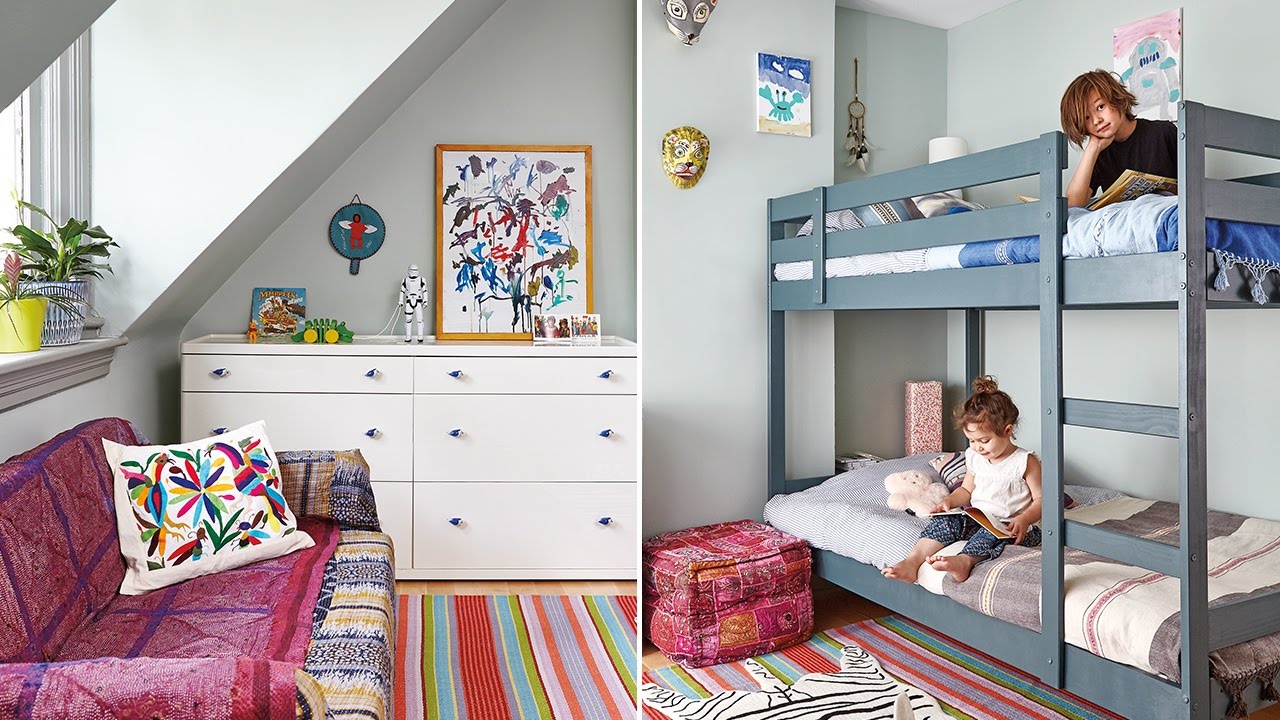
Creative Storage Ideas
Creative storage ideas make a child's bedroom neat and fun. Kids need space for toys, books, and clothes. Smart storage helps keep everything organized. It also makes the room feel bigger and more welcoming.
Storage can be hidden or open. Each option has benefits. Choosing the right type helps your child find things easily. It also encourages them to tidy up after playtime.
Hidden Storage Options
Hidden storage keeps the room clean and clutter-free. Use beds with drawers underneath. These drawers hold clothes, shoes, or toys out of sight. Storage ottomans also hide items and can serve as seats. Wall cabinets with doors hide clutter while saving floor space. Hidden storage helps keep the room calm and simple.
Open Shelving For Display
Open shelves show off favorite toys and books. They make items easy to reach for kids. Arrange shelves at a child’s height for safety and ease. Use colorful bins or baskets on shelves to sort small toys. Open shelving adds personality and keeps things visible and tidy.
Toy Organization Tips
Sort toys by type or size for easy access. Label bins or boxes with pictures or words. This helps children know where to put things back. Use stackable containers to save space. Rotate toys to keep playtime fresh and reduce mess. Clear rules for toy storage make cleanup faster and simpler.
Decorative Accents
Decorative accents bring life to a child’s bedroom. They reflect personality and create a joyful space. These small touches make the room feel warm and inviting. Choose accents that inspire creativity and comfort.
Wall Art And Decals
Wall art and decals add color and fun to plain walls. Bright pictures or stickers with animals, stars, or cartoons create excitement. They are easy to change as kids grow. Peel-and-stick decals make decorating simple and mess-free.
Themed Bedding And Rugs
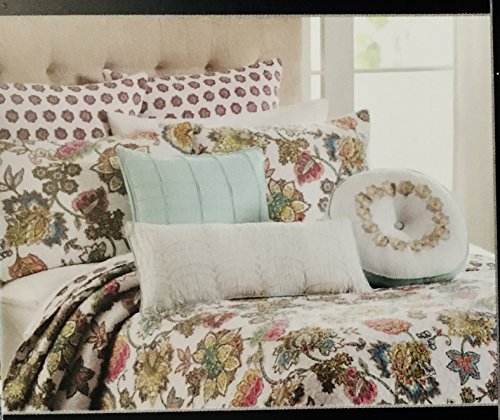
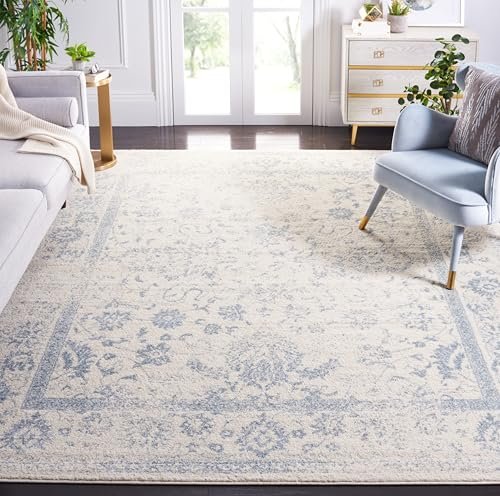
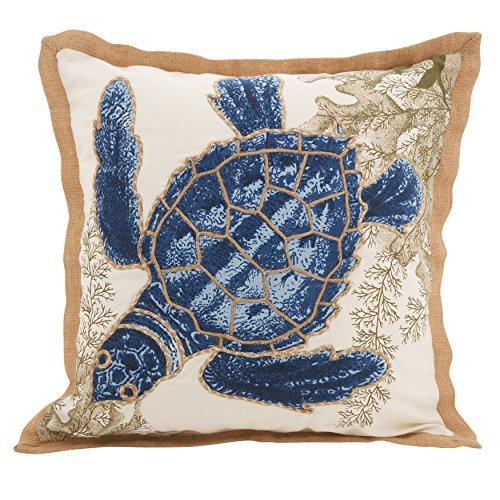
Themed bedding and rugs tie the room’s look together. Choose patterns with favorite characters or nature scenes. Soft rugs provide a cozy spot for play. Matching bedding and rugs create a harmonious and cheerful environment.
Lighting For Ambiance And Play
Lighting sets the mood in a child’s bedroom. Soft night lights help children feel safe at bedtime. Colorful lamps or string lights add a playful touch. Adjustable lighting allows for both relaxing and active play times.
Personalizing The Space
Personalizing a child’s bedroom makes the space feel special and unique. It helps kids express who they are. A room that reflects their personality creates comfort and joy. This personal touch encourages creativity and a sense of belonging.
Involving Kids In Design
Invite children to share their ideas about colors and themes. Let them pick favorite patterns or characters. This involvement makes them proud of their room. It also teaches decision-making skills. Simple choices like curtains or bedding can be theirs to select.
Showcasing Artwork And Crafts
Display your child’s drawings and crafts on walls or shelves. Use frames or clipboards for easy changes. This shows you value their creativity. It also brightens the room with personal touches. Kids enjoy seeing their work celebrated daily.
Customizable Decor Elements
Choose decor that can change as children grow. Use items like chalkboard walls or magnetic boards. These let kids update their space with new ideas. Storage bins with labels can also be personalized. Flexible decor keeps the room fresh and fun over time.
Creating Activity Zones
Creating activity zones in a child's bedroom helps organize the space. It makes the room more fun and useful. Different zones give children places to relax, play, and learn. This way, the room feels bigger and more inviting. Each zone should have clear boundaries and a specific purpose. Let’s explore easy ideas to set up these zones.
Reading Nooks
A reading nook is a small, cozy spot for books. Use a comfy chair or bean bag. Add soft pillows and good lighting. A small bookshelf nearby keeps favorite books easy to reach. This quiet corner encourages kids to enjoy stories. It also helps build a love for reading early on.
Play Areas
Play areas need open space for toys and games. Use colorful rugs or mats to define the zone. Keep toy bins or shelves close to store items neatly. This area should be safe and easy to clean. It allows children to play freely and use their imagination. A well-set play zone reduces clutter in the room.
Study Corners
Study corners are for homework and crafts. Choose a small desk and a comfortable chair. Good lighting is important to reduce eye strain. Keep school supplies organized in containers or drawers. This space helps children focus and develop good study habits. A tidy study corner makes learning more enjoyable.
:max_bytes(150000):strip_icc()/Grover_Project_21__3_-0b68fb53e65344249db166d806747290.jpg)
Keeping It Practical
Keeping a child’s bedroom practical is key to a happy and stress-free space. Kids are active and messy. Their room should handle daily wear and tear easily. Practical choices help parents save time and effort. A well-planned room grows with the child and stays organized.
Easy-to-clean Materials
Choose materials that wipe clean quickly. Vinyl floors or laminate work well for spills and dirt. Walls painted with washable paint resist stains. Avoid delicate fabrics that stain or tear easily. Easy cleaning saves time and keeps the room fresh.
Durable And Kid-friendly Finishes
Pick finishes that resist scratches and dents. Rounded corners on furniture reduce injuries. Use non-toxic paints and finishes for safety. Hardwearing furniture lasts longer through rough play. Durable finishes keep the room looking good over time.
Adaptable Design For Growth
Design the room to change with the child. Use furniture that adjusts in size or purpose. Storage bins and shelves should be easy to move. Neutral colors work well as kids grow older. Adaptable design saves money and effort later.

Frequently Asked Questions
What Colors Are Best For A Children's Bedroom?
Soft, calming colors like light blue, pastel green, or lavender work well. Bright colors can be used as accents to add energy without overwhelming the space.
How To Maximize Storage In A Child's Bedroom?
Use multi-functional furniture like beds with drawers or shelves. Incorporate wall-mounted shelves and storage bins to keep toys and clothes organized and accessible.
What Themes Are Popular For Kids' Bedroom Decoration?
Popular themes include animals, space, fairy tales, and superheroes. Choose a theme that reflects the child's interests to create a fun and personalized space.
How To Make A Child's Bedroom Safe And Child-friendly?
Use non-toxic paint and rounded furniture edges. Secure heavy furniture to walls and ensure electrical outlets have safety covers to prevent accidents.
Conclusion
Decorating a child’s bedroom can be fun and simple. Choose colors and themes your child enjoys. Include storage to keep toys and clothes tidy. Use soft lighting for a cozy feel. Add personal touches like artwork or photos. Keep the space safe and easy to clean.
This creates a room where your child feels happy and comfortable. Small changes can make a big difference. Enjoy the process and watch the room come alive.