Are you ready to transform your garden into a colorful paradise? Decorating a flower bed is easier than you think, and it can completely change the look of your outdoor space.
Whether you want a burst of bright colors or a calm, soothing spot, the way you arrange your flowers makes all the difference. In this guide, you’ll discover simple tips and creative ideas that will help your flower bed stand out and thrive.
Get ready to bring your garden to life and impress everyone who sees it!
Choosing The Right Location
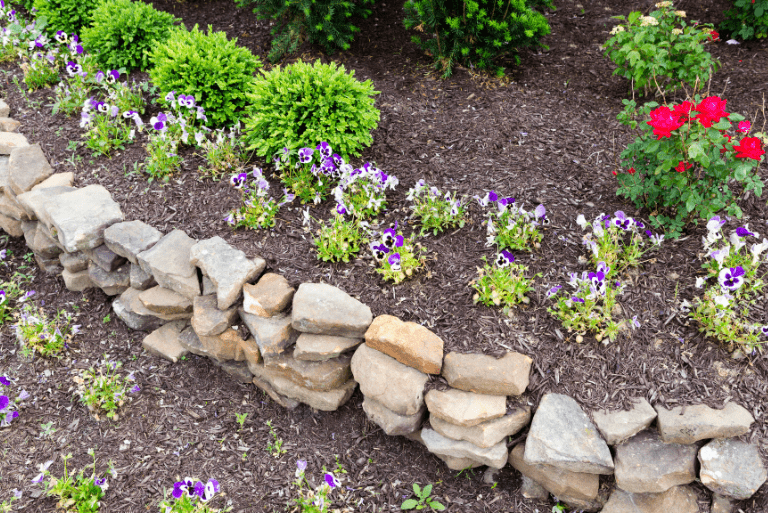
Choosing the right location for your flower bed is the first step to a vibrant garden. The spot you pick affects how well your flowers grow and bloom. Think about sunlight, soil, and space before planting. A good location makes your garden healthy and beautiful.
Assessing Sunlight And Shade
Flowers need different amounts of sunlight. Some like full sun, others prefer shade. Watch your garden at different times of day. Notice where the sun shines the most and where shadows fall. This helps you pick plants that fit each area’s light.
Soil Quality And Drainage
Check the soil before planting. Good soil is loose and rich in nutrients. Avoid areas where water pools after rain. Poor drainage can harm flower roots. Test the soil by digging a small hole. See if water drains quickly or stays soggy.
Considering Garden Layout
Think about how the flower bed fits with your garden’s design. Place it where it can be easily seen and enjoyed. Leave space for walking and other plants. A well-planned layout creates balance and makes your garden look neat.
Selecting Flowers For Impact
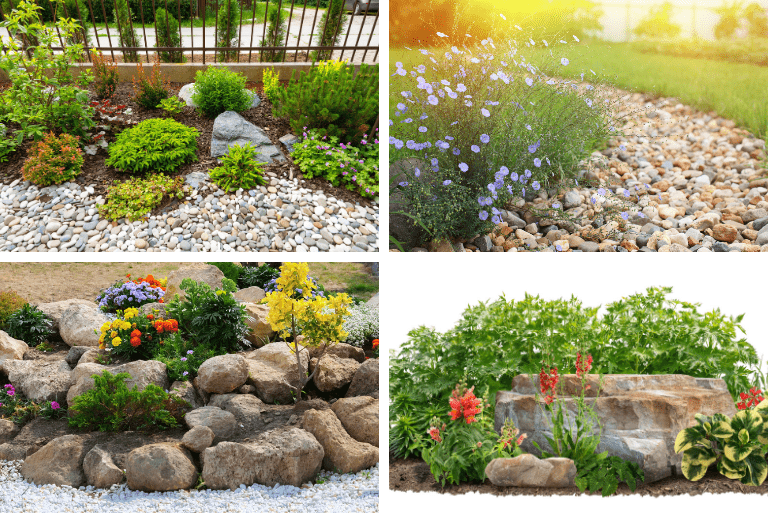
Choosing the right flowers sets the stage for a stunning flower bed. Select blooms that catch the eye and bring life to your garden. Consider colors, types, and when they bloom. This helps create a vibrant and lasting display.
Color Combinations That Pop
Pick colors that contrast well. Bright reds look great with soft pinks. Yellow pairs nicely with purple. Use colors opposite on the color wheel. This makes flowers stand out more.
Limit the number of colors to three or four. Too many colors can look messy. Focus on harmony and balance for a clean look. Use green leaves as a natural background.
Mixing Perennials And Annuals
Perennials come back every year. Annuals bloom all season but live one year. Combine both for constant color. Perennials give structure and height. Annuals fill gaps with bright colors.
This mix keeps the bed lively. Replace annuals each year for fresh looks. Perennials save time and effort over years. Both types create depth and texture.
Choosing Based On Bloom Time
Pick flowers that bloom at different times. Early spring blooms start the show. Summer flowers keep colors alive. Late bloomers finish the season strong.
This ensures the bed never looks empty. Plan a sequence of blooms for months. Your flower bed stays colorful and lively longer. Timing is key to lasting impact.
Designing Flower Bed Shapes
Designing the shape of a flower bed is an important step in garden decoration. The shape sets the tone and style of the entire space. It can highlight the plants and create a pleasing look. Choosing the right shape depends on your garden size and the style you want to achieve. Simple shapes can bring order, while unique shapes add character.
Classic Vs. Modern Shapes
Classic shapes are often symmetrical and easy to recognize. Circles, rectangles, and squares fall into this group. They create a formal and neat look. Modern shapes tend to be irregular or abstract. They add a creative and fresh feel to the garden. Both styles work well, but they send different messages. Choose classic for tradition and calmness. Pick modern for energy and uniqueness.
Incorporating Curves And Lines
Curves soften the garden’s appearance and guide the eye smoothly. They make the space feel natural and relaxed. Straight lines offer a clean and organized look. Lines can lead visitors along paths or toward focal points. Mixing curves with lines creates balance. It keeps the flower bed interesting and dynamic.
Using Edging For Definition
Edging marks the boundary of the flower bed clearly. It keeps grass and weeds from creeping in. Edging materials include bricks, stones, metal, or plastic. The right edging adds style and structure. It highlights the shape and keeps the garden tidy. Defined edges help your flower bed stand out in the landscape.
Preparing The Soil
Preparing the soil is the first step to a healthy flower bed. Good soil helps plants grow strong and look beautiful. It also keeps water and nutrients ready for roots. Take time to prepare the soil well before planting.
Clearing And Tilling
Start by removing weeds, rocks, and old plants. Clear the area completely. Next, till the soil using a garden fork or tiller. This breaks up hard soil and mixes it evenly. Loose soil lets roots grow deep and breathe.
Adding Compost And Fertilizers
Add compost to enrich the soil naturally. Compost improves texture and adds nutrients. Spread a layer about 2-3 inches thick. Mix it well into the topsoil. Use balanced fertilizers to give extra nutrients. Follow the package instructions for amounts.
Improving Drainage
Good drainage prevents water from pooling around roots. Check if water drains quickly after rain. For heavy clay soil, mix in sand or fine gravel. Raised beds help water drain better. Proper drainage stops root rot and keeps plants healthy.
Planting Techniques
Planting techniques shape the success of your flower bed. Proper methods help plants grow strong and look great. Careful planning makes your garden healthy and colorful. Focus on space, depth, and seasonal blooms for best results.
Spacing For Growth
Give each plant enough room to grow. Crowded plants struggle for sunlight and nutrients. Follow seed packet or plant tag spacing advice. This prevents disease and promotes airflow. Space plants to allow future growth.
Layering For Depth
Plant tall flowers in the back. Medium height plants go in the middle. Low-growing flowers stay in front. This creates a layered look with depth. Layers help show off every plant clearly.
Planting For Seasonal Interest
Choose plants that bloom at different times. Mix spring, summer, and fall flowers together. This keeps your flower bed colorful all year. Include evergreens or grasses for winter texture. Plan for constant beauty in your garden.
Adding Decorative Elements
Decorating a flower bed goes beyond planting flowers. Adding decorative elements can make your garden stand out. These details bring texture, charm, and personality to your outdoor space.
Small touches can create a big difference. Choose elements that match your style and the plants you grow. This section explains simple ways to enhance your flower bed with style and function.
Using Mulch For Texture
Mulch is more than just soil cover. It adds color and texture to your flower bed. Choose from wood chips, bark, or colored mulch to create contrast.
Mulch keeps soil moist and reduces weeds. It also protects roots from heat and cold. Spread mulch evenly around plants for a neat look.
Incorporating Garden Ornaments
Garden ornaments add fun and character. Use small statues, birdbaths, or decorative stones. These items create focal points and draw attention.
Place ornaments carefully to avoid overcrowding. They work best when spaced out. Choose pieces that match your garden’s theme or colors.
Lighting For Evening Appeal
Lighting extends your garden’s beauty after dark. Use solar or low-voltage lights along paths and around flower beds. Soft lights highlight plants and ornaments.
Lights improve safety and create a cozy atmosphere. Position lights to avoid glare and shadows. Small spotlights or string lights work well in flower beds.
Maintaining Your Flower Bed
Maintaining your flower bed keeps it healthy and beautiful all season. Regular care helps flowers grow strong and bright. Simple daily tasks can prevent problems and save time later.
Watering Tips
Water your flower bed early in the morning or late in the evening. This reduces water loss from evaporation. Use a gentle spray to avoid damaging plants. Check soil moisture; water only if the soil feels dry. Deep watering encourages strong roots. Avoid overwatering; soggy soil can harm plants.
Weeding And Pest Control
Remove weeds often to stop them stealing nutrients. Pull weeds by hand or use a small tool. Inspect plants regularly for pests like aphids or beetles. Use natural pest control methods such as neem oil or insecticidal soap. Keep the area clean to reduce pest hiding spots. Healthy plants resist pests better than weak ones.
Deadheading And Pruning
Deadheading means removing old, faded flowers. This helps plants produce more blooms. Use clean scissors or garden shears for neat cuts. Prune damaged or crowded branches to improve air flow. Pruning also shapes the plant and encourages growth. Do this regularly to keep your flower bed tidy and full of life.

Frequently Asked Questions
How Do I Choose Flowers For My Flower Bed?
Select flowers based on your climate, soil type, and sunlight. Mix perennials and annuals for variety and continuous bloom. Consider color, height, and bloom time for a balanced look. This ensures your flower bed stays vibrant throughout the season.
What Is The Best Soil For Flower Beds?
Use well-draining, nutrient-rich soil with organic matter. Loosen soil to improve aeration and root growth. Add compost or mulch to retain moisture and prevent weeds. Healthy soil promotes strong, blooming flowers.
How Often Should I Water A Flower Bed?
Water flower beds deeply once or twice a week. Adjust frequency based on weather and soil moisture. Early morning watering reduces evaporation and fungal risk. Consistent watering keeps flowers healthy and vibrant.
How Can I Prevent Weeds In My Flower Bed?
Apply a thick layer of mulch to block sunlight. Regularly pull out weeds before they seed. Use landscape fabric under mulch for added protection. Preventing weeds reduces competition for nutrients and water.
Conclusion
Decorating a flower bed adds beauty and life to any garden. Choose plants that suit your space and climate. Mix colors and heights for a lively look. Use mulch to keep soil moist and neat. Regular care helps flowers grow strong and healthy.
Small touches like stones or garden lights enhance charm. Enjoy the process and watch your flower bed bloom. A well-kept flower bed brings joy all season long. Simple steps make a big difference in your garden’s appeal. Start today and create a lovely outdoor space.