Cutting steel sheet at home might sound tricky, but it doesn’t have to be. Whether you’re working on a DIY project or fixing something around the house, knowing how to cut steel safely and accurately can save you time and money.
In this guide, you’ll discover simple tools and easy steps that anyone can follow. By the end, you’ll feel confident handling steel sheets like a pro. Ready to learn how to make clean, precise cuts without a fuss? Keep reading, and let’s get started.
Credit: www.vevor.ca
Tools Needed
Cutting steel sheets at home requires the right tools. Using proper tools makes the job easier and safer.
This guide covers handheld tools, power tools, and safety gear needed for cutting steel sheets.
Handheld Tools
Handheld tools are good for small or simple cuts. They do not need electricity, so you can use them anywhere.
Some handheld tools work best for thin steel sheets and quick jobs.
- Tin snips: Good for thin sheets and curved cuts
- Hacksaw: Useful for straight cuts on thicker steel
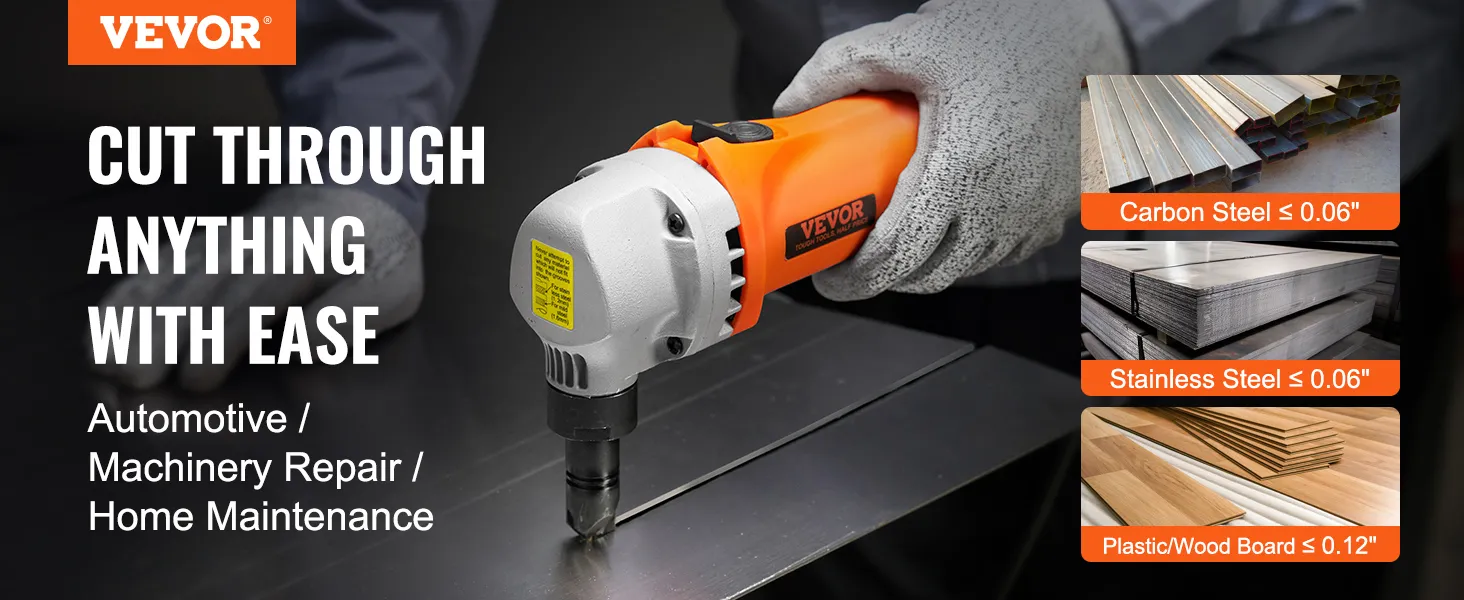
- Metal shears: Cut steel with less effort than snips
- Utility knife: Can score thin steel before breaking it
Power Tools
Power tools make cutting steel faster and easier. They are best for thick sheets or large projects.
You need electricity or a battery to use these tools.
- Angle grinder: Cuts steel with a cutting disc
- Jigsaw with metal blade: Good for curved or detailed cuts
- Metal cutting circular saw: Fast for straight cuts
- Reciprocating saw: Cuts steel in hard-to-reach places
Safety Gear
Steel cutting creates sharp edges and sparks. Safety gear protects your body from injury.
Always wear safety gear before you start cutting.
- Safety goggles: Protect eyes from flying metal shards
- Work gloves: Keep hands safe from cuts and heat
- Ear protection: Reduce noise from power tools
- Long sleeves and pants: Protect skin from sparks
- Dust mask: Prevent breathing metal dust
Preparing The Steel Sheet
Cutting a steel sheet at home needs careful preparation. Proper steps ensure safety and precise cuts.
First, prepare the steel sheet by measuring, marking, and securing it correctly. This helps avoid mistakes.
Measuring And Marking
Measure the steel sheet carefully using a tape measure or ruler. Mark the cutting line clearly with a permanent marker or scribe.
- Use a straight edge to guide your marks.
- Double-check measurements to avoid errors.
- Mark both sides if the sheet is thick.
- Draw light lines first, then darken them.
Securing The Sheet
Hold the steel sheet firmly before cutting. This prevents movement and helps make a clean cut.
| Method | Description | Tips |
|---|---|---|
| Clamps | Use metal clamps to fix the sheet on a sturdy surface. | Tighten clamps enough to hold but not deform the sheet. |
| Workbench | Place the sheet on a flat, stable workbench. | Use rubber pads to prevent slipping. |
| Helper | Have someone hold the sheet steady during cutting. | Ensure they wear gloves and safety gear. |
Cutting Methods
Cutting steel sheet at home can be done using different tools. Each tool has its own way to cut steel.
Choose the right tool based on the thickness and shape you want to cut.
Using Tin Snips
Tin snips are hand tools used to cut thin steel sheets. They work like scissors but are stronger.
Use tin snips for straight or slightly curved cuts on thin metal sheets.
- Wear gloves to protect your hands
- Mark the cutting line with a marker
- Cut slowly to avoid bending the steel
- Use snips designed for left, right, or straight cuts
Using A Jigsaw
A jigsaw with a metal cutting blade can cut steel sheets. It works well for curved or irregular shapes.
Clamp the steel sheet firmly before cutting. Move the jigsaw slowly for a clean cut.
- Use a blade made for metal cutting
- Wear safety glasses and ear protection
- Support the steel sheet to reduce vibrations
- Mark your cut line clearly
Using An Angle Grinder
An angle grinder with a cutting disc can quickly cut steel sheets. It works well for thick or tough steel.
Hold the grinder steady and cut along the marked line. Use both hands for control.
- Wear gloves, eye protection, and a mask
- Use a disc made for metal cutting
- Cut in a well-ventilated area
- Keep sparks away from flammable materials
Using A Hacksaw
A hacksaw is a manual tool with a fine blade for cutting metal. It is good for small or simple cuts.
Secure the steel sheet and saw slowly along the marked line to avoid bending.
- Use a blade designed for metal
- Tighten the blade before cutting
- Wear gloves to protect your hands
- Keep the saw straight for a clean cut

Credit: www.stortz.com
Safety Tips
Cutting steel sheets at home needs caution to avoid injuries. You must follow safety rules strictly. Protective gear, careful tool use, and a tidy workspace help keep you safe.
These safety tips reduce risks and make your project smoother. Take time to prepare before starting to cut steel sheets.
Protective Clothing
Wear clothes that protect you from sharp edges and sparks. Thick gloves and eye protection are very important. Long sleeves and pants prevent cuts and burns.
- Use cut-resistant gloves to protect your hands
- Wear safety goggles to shield your eyes from debris
- Choose long-sleeved shirts made of non-flammable material
- Put on sturdy boots to protect your feet
- Avoid loose clothing that can catch on tools
Safe Tool Handling
Use tools designed for cutting steel sheets. Keep them sharp and clean for better control. Follow the manufacturer’s instructions for each tool.
| Tool | Safety Tip |
| Angle Grinder | Hold firmly and use a guard |
| Metal Shears | Cut slowly and avoid bending the sheet |
| Hacksaw | Use smooth, steady strokes |
| Tin Snips | Keep blades aligned and sharp |
Workspace Setup
Prepare your work area to prevent accidents. Clear clutter and ensure good lighting. Keep fire safety equipment nearby in case sparks start a fire.
- Work on a stable, flat surface
- Keep tools organized and within reach
- Have a fire extinguisher nearby
- Ensure good ventilation to avoid fumes
- Clear the floor of tripping hazards
Finishing The Edges
Cutting steel sheets at home can leave sharp and rough edges. These edges need proper finishing to make the steel safe and neat. Finishing also helps the steel last longer by protecting it from damage.
This guide explains how to smooth rough edges and prevent rust on your steel sheet after cutting.
Smoothing Rough Edges
After cutting, the edges of steel sheets are often jagged and sharp. You should smooth these edges to avoid cuts and injuries. Use sandpaper, a file, or a grinding tool to make the edges even and safe.
Start with coarse sandpaper or a rough file to remove large burrs. Then, use finer sandpaper to polish the edges. Always wear gloves and eye protection when working with metal.
- Use a metal file to remove large burrs
- Sand the edges with coarse then fine sandpaper
- Wear gloves and safety glasses
- Check edges carefully to avoid sharp spots
Preventing Rust
Steel can rust easily if its edges are left bare after cutting. Rust weakens the metal and ruins its appearance. Protect the edges by applying a rust-preventive coating or paint.
Before coating, clean the steel surface to remove dust and oils. Use a rust inhibitor spray or apply a thin layer of oil or paint to keep moisture away from the metal.
- Clean edges with a cloth and mild cleaner
- Use rust inhibitor spray for best protection
- Apply oil or paint to seal the edges
- Store steel sheets in a dry place
Credit: www.youtube.com
Frequently Asked Questions
What Tools Are Best For Cutting Steel Sheets At Home?
Common tools for cutting steel sheets include angle grinders, tin snips, jigsaws, and metal cutting saws. Choose based on the sheet thickness and cut precision needed. Always prioritize safety equipment like gloves and goggles.
How Do I Prepare Steel Sheets Before Cutting?
Clean the steel surface to remove dirt and rust. Mark your cutting line clearly with a permanent marker or scribe. Secure the sheet firmly using clamps to prevent movement during cutting.
What Safety Precautions Are Essential When Cutting Steel?
Wear safety goggles, gloves, and ear protection. Work in a well-ventilated area to avoid inhaling metal dust. Keep a fire extinguisher nearby, especially when using power tools that generate sparks.
Can I Cut Steel Sheets Without Power Tools?
Yes, thin steel sheets can be cut using manual tin snips or a hacksaw. However, manual cutting is slower and requires more physical effort. It’s best for small or simple cuts.
Conclusion
Cutting steel sheets at home is doable with the right tools and care. Always wear safety gear to protect yourself. Measure twice to avoid mistakes. Take your time and cut slowly for clean edges. Keep your workspace organized to work better.
Practice on scrap pieces before the main cut. This helps build confidence and skill. Remember, patience and caution bring the best results. Now, you are ready to handle steel cutting safely at home.