Are you ready to take on a simple steel pipe cutting project right at home? Cutting steel pipe might seem tricky, but with the right tools and clear steps, you can do it yourself without hassle.
Imagine saving time and money by handling this task on your own. In this guide, you’ll discover easy-to-follow tips that make cutting steel pipe safe, precise, and even satisfying. Keep reading, and by the end, you’ll feel confident to tackle your project with skill and ease.

Credit: www.angi.com
Choosing The Right Tools
Cutting steel pipe at home needs the right tools. Using the right tools makes the job easier and safer.
Pick tools that fit your skill level and the pipe size. Good tools help you get clean and straight cuts.
Hand Saws Vs Power Tools
Hand saws are simple and cheap. They work well for small jobs and thin pipes.
Power tools cut faster and need less effort. They are good for thick or many pipes.
- Hand saws are quiet and easy to control
- Power tools need electricity or batteries
- Hand saws take longer to finish cuts
- Power tools may need more skill to use safely
- Hand saws do not create sparks
- Power tools can cut very straight lines
Essential Safety Gear
Safety gear protects you from sharp edges and flying metal pieces. Always wear safety gear when cutting steel pipe.
Good safety gear includes gloves, goggles, and ear protection. Use a mask if you create dust or fumes.
- Protective gloves stop cuts and burns
- Safety goggles keep metal shards out of eyes
- Ear protection lowers noise from power tools
- Dust masks prevent breathing metal dust
- Wear long sleeves to protect your skin
Preparing The Steel Pipe
Cutting a steel pipe at home needs good preparation. This helps you make a clean and safe cut.
Start by choosing the right tools and setting up your workspace. Next, prepare the pipe carefully.
Measuring And Marking
Measure the pipe length where you want to cut. Use a tape measure for accuracy.
Mark the cutting line clearly with a permanent marker or chalk. Make sure the line is straight.
- Measure twice to avoid mistakes
- Use a square or ruler for a straight line
- Mark all around the pipe for guidance
Securing The Pipe
Hold the pipe firmly to stop it from moving during cutting. Use a pipe clamp or vise.
Place the pipe on a stable surface. Keep your workspace clear and safe.
- Use a clamp to hold the pipe steady
- Check that the pipe does not wobble
- Wear safety gear like gloves and goggles
Cutting Techniques
Cutting steel pipe at home needs the right tools and methods. Choose a technique that fits your tools and pipe size.
Safety is important. Wear gloves and eye protection before cutting steel pipe.
Using A Hacksaw
A hacksaw is a simple tool for cutting steel pipe. It works well for small pipes and straight cuts.
- Secure the pipe in a vise to hold it steady.
- Mark the cut line with a marker or tape.
- Use smooth, steady strokes with the hacksaw blade.
- Keep the blade straight to avoid bending the pipe.
- Check the cut edge and file down any sharp burrs.
Using An Angle Grinder
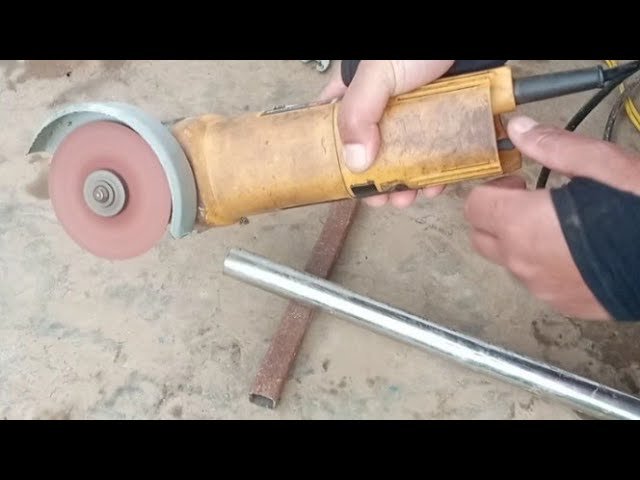
An angle grinder cuts steel pipe fast. It is best for larger pipes or quick cuts.
| Tool | Use | Safety Tip |
| Angle Grinder | Fast cuts on thick pipes | Wear eye and ear protection |
| Cutting Disc | Use a metal cutting disc | Check disc condition before use |
| Pipe Support | Hold pipe steady | Keep hands clear of disc |
Cut slowly and let the tool do the work. Avoid pushing too hard to prevent damage.
Using A Pipe Cutter
A pipe cutter makes clean cuts on steel pipe. It is easy to use and gives smooth edges.
Follow these steps to use a pipe cutter:
- Place the pipe inside the cutter’s jaw.
- Tighten the cutter until the blade touches the pipe.
- Rotate the cutter around the pipe, tightening slightly after each turn.
- Continue until the pipe is cut through.
- Remove the pipe and smooth edges with a file if needed.

Credit: www.familyhandyman.com
Smoothing And Finishing Edges
Cutting steel pipe at home leaves sharp and rough edges. These edges can cause injuries or damage other materials. It is important to smooth and finish them properly.
Using simple tools, you can make pipe edges safe and neat. This improves the look and makes the pipe easier to handle.
Filing Rough Edges
A metal file helps remove sharp bits after cutting. Choose a file with medium to fine teeth for best results. Hold the pipe steady and file the edges evenly.
Move the file in one direction along the edge. Avoid filing back and forth as it may create uneven surfaces. Check the edge often to see your progress.
Using Sandpaper Or A Deburring Tool
Sandpaper smooths the edges after filing. Use fine-grit sandpaper for a clean finish. Wrap the sandpaper around the edge and rub gently in a circular motion.
A deburring tool is designed to remove sharp edges quickly. Run the tool along the pipe edge to shave off burrs. This tool is easy to use and speeds up the process.
Safety Tips And Best Practices
Cutting steel pipe at home can be done safely with the right tools and care. You must follow safety tips to avoid injuries and damage.
Always prepare your workspace and wear protective gear. These steps help you work efficiently and stay safe.
Protecting Your Eyes And Hands
Steel pipe cutting creates sharp edges and flying metal pieces. Protect your eyes and hands from these hazards.
- Wear safety goggles or a face shield to guard your eyes.
- Use heavy-duty gloves to protect your hands from cuts and burns.
- Choose gloves that fit well and allow a good grip.
- Inspect your gloves for damage before starting work.
- Keep a first aid kit nearby for quick treatment of any injuries.
Working In A Well-ventilated Area
Cutting steel pipe can release fumes and dust. Good ventilation helps keep the air safe to breathe.
| Ventilation Tip | Reason |
| Open windows and doors | Allows fresh air to flow and remove fumes |
| Use a fan or exhaust system | Improves air circulation and reduces dust buildup |
| Avoid cutting in small, closed rooms | Prevents dangerous fume concentration |
| Wear a dust mask if needed | Protects lungs from fine metal particles |

Credit: www.youtube.com
Frequently Asked Questions
What Tools Are Best For Cutting Steel Pipe At Home?
The best tools for cutting steel pipe at home include a hacksaw, pipe cutter, angle grinder, or reciprocating saw. Choose based on pipe thickness and your comfort with each tool. Always prioritize safety and precision for a clean cut.
How To Ensure A Straight Cut On Steel Pipes?
To ensure a straight cut, mark the pipe clearly with a marker or chalk. Use a pipe cutter or guide for the saw. Secure the pipe firmly in place before cutting to prevent movement and uneven edges.
Can I Cut Steel Pipe Without Power Tools?
Yes, you can cut steel pipe without power tools using a manual hacksaw or pipe cutter. These tools require more effort but offer control and safety for small or thin pipes.
How To Prepare Steel Pipe Before Cutting?
Before cutting, clean the pipe surface and remove any dirt or rust. Measure and mark the cutting line accurately. Secure the pipe with a clamp or vise to avoid slipping during cutting.
Conclusion
Cutting steel pipe at home is easier than you think. Use the right tools and measure twice before cutting. Always wear safety gear to protect yourself. Take your time and work carefully for clean cuts. Practice on scrap pieces if you can.
With patience, you can complete your project well. Now, you have the basics to start cutting steel pipes confidently. Keep safety first and enjoy your work.