Cutting stainless steel rod at home might sound tricky, but it doesn’t have to be. Whether you’re working on a DIY project or fixing something around the house, knowing the right way to cut stainless steel can save you time, money, and frustration.
In this guide, you’ll discover simple, effective steps to get clean, precise cuts without expensive tools or professional help. Keep reading, and you’ll feel confident tackling your stainless steel rod cutting tasks like a pro.
Tools Needed
Cutting stainless steel rods at home needs the right tools. Using proper equipment makes the job easier and safer.
This guide covers four main tools to help you cut stainless steel rods accurately and safely.
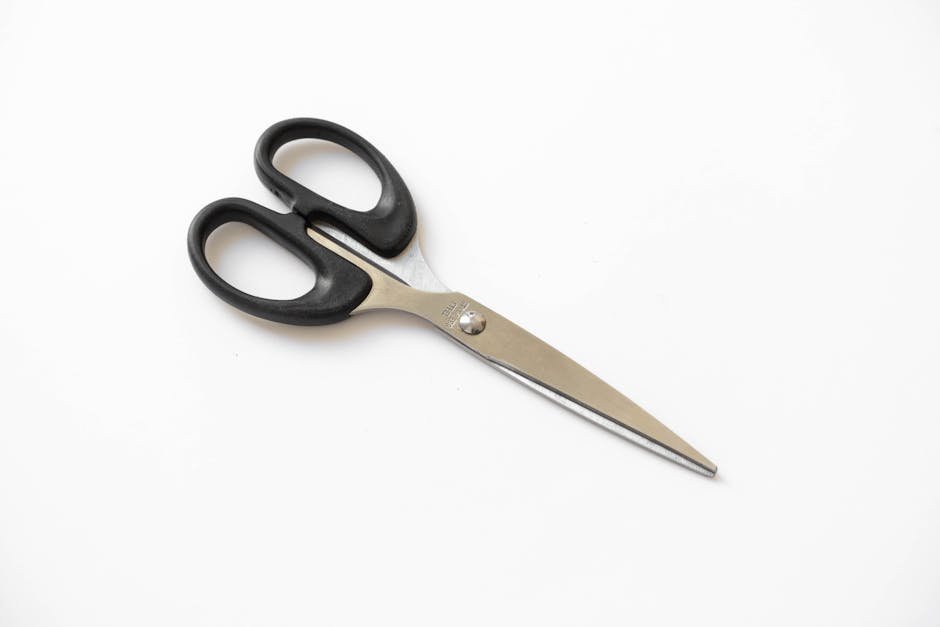
Handheld Hacksaw
A handheld hacksaw is a simple tool for cutting thin stainless steel rods. It uses a fine-toothed blade to make clean cuts.
This tool is best for small jobs and precise cuts but requires physical effort and time.
Angle Grinder
An angle grinder cuts stainless steel rods quickly with a rotating abrasive disc. It works well on thicker rods.
- Choose a cutting disc made for metal
- Secure the rod firmly before cutting
- Wear protective gear for safety
- Use steady pressure and avoid forcing the tool
Cutting Torch
A cutting torch uses heat to slice through stainless steel rods. It is powerful and fast but needs skill to use safely.
| Tool | Best For | Notes |
| Handheld Hacksaw | Thin rods | Slow but precise |
| Angle Grinder | Medium to thick rods | Fast, needs caution |
| Cutting Torch | Thick rods | Requires experience |
Protective Gear
Always wear protective gear to avoid injuries. Stainless steel cutting produces sparks and sharp edges.
- Safety goggles to protect eyes
- Gloves to protect hands
- Long sleeves and pants to protect skin
- Hearing protection if using loud tools
Preparing The Rod
Before cutting a stainless steel rod at home, proper preparation is important. It helps ensure safety and accuracy.
Preparing the rod includes measuring, securing, and clearing the workspace. Each step sets you up for a smooth cutting process.
Measuring And Marking
Measure the length you want to cut carefully. Use a tape measure or ruler for precise marks.
- Place the rod on a flat surface
- Use a permanent marker or chalk to mark the cut point
- Double-check the measurement before marking
- Mark clearly on the rod’s surface for visibility
Securing The Rod
Hold the rod firmly in place to avoid movement while cutting. A steady rod helps make a clean cut.
| Tool | Purpose |
| Bench Vise | Clamp the rod securely |
| Clamps | Hold the rod on the workbench |
| Rubber Padding | Protect the rod surface from damage |
Clearing The Workspace
Clear your work area to avoid accidents and distractions. A clean space improves focus and safety.
- Remove any clutter or tools not needed
- Keep a fire extinguisher nearby if using power tools
- Ensure good lighting for clear visibility
- Wear safety glasses and gloves before starting
Cutting With A Hacksaw
Cutting a stainless steel rod at home can be done with simple tools. A hacksaw is a common tool for this task. It works well if you use the right blade and technique.
This guide explains how to cut stainless steel rods safely and cleanly using a hacksaw. Follow these tips for best results.
Choosing The Right Blade
Pick a blade made for cutting metal. It should have fine teeth. Fewer teeth per inch work slower but last longer. More teeth per inch give smoother cuts but need more effort.
Look for blades labeled for stainless steel or hard metals. These blades are strong and resist dulling.
- Blade with 18 to 32 teeth per inch (TPI)
- High-speed steel or bi-metal blades
- Blades marked for stainless steel or metal cutting
Proper Sawing Technique
Secure the rod tightly in a vice before cutting. Hold the hacksaw firmly and start with slow, steady strokes. Use the full length of the blade to keep it sharp longer.
Apply gentle pressure. Let the blade do the work. Saw with smooth, even motions to avoid bending or damaging the rod.
- Clamp the rod firmly in a vice
- Use full blade length for each stroke
- Keep steady, even pressure
- Cut slowly to avoid overheating
Tips For Smooth Cuts
Mark the cut line clearly with a marker or tape. Use oil or cutting fluid on the blade to reduce friction. Pause often to check progress and clear metal shavings.
After cutting, use a metal file to smooth sharp edges. This helps prevent injury and gives a clean finish.
- Mark cut line before sawing
- Use oil or cutting fluid on blade
- Clear metal shavings regularly
- File edges after cutting for smooth finish

Credit: www.reddit.com
Using An Angle Grinder
Cutting a stainless steel rod at home can be a simple task. Using an angle grinder is an efficient method for this purpose.
Before starting, ensure you have the right tools and safety gear. This will help you achieve a clean cut safely.
Selecting The Cutting Disc
Choosing the correct disc is crucial for cutting stainless steel. It affects both the quality and speed of the cut.
- Use a disc specifically designed for metal.
- Check the disc's diameter and thickness.
- Ensure the disc is compatible with your grinder.
Operating The Grinder Safely
Safety is important when using power tools. Follow these steps to operate the grinder safely.
- Wear protective gloves and goggles.
- Secure the rod firmly in a vice.
- Start the grinder and let it reach full speed.
- Guide the disc steadily along the marked line.
Finishing The Cut Edge
After cutting, the edge of the rod may be rough. Finishing the edge ensures a smooth surface.
Cutting With A Torch
Cutting a stainless steel rod at home can be done safely with the right tools. A torch is an efficient option for this task.
Before beginning, it's important to understand the steps and safety measures involved.
Setting Up The Torch
Ensure you have the correct torch type and fuel for cutting stainless steel. The setup process is crucial for a smooth operation.
- Use a clean, flat surface to set up the torch.
- Check that all connections are secure.
- Adjust the flame to the correct size and intensity.
Safe Cutting Practices
Safety is vital when using a torch. Following good practices prevents accidents and ensures a clean cut.
Wear protective gear such as gloves, goggles, and an apron. Keep a fire extinguisher nearby.
Post-cut Cleanup
After cutting, some cleanup is necessary. This ensures the area is safe and the cut rod is usable.
| Task | Tools Needed |
| Remove burrs | File or grinder |
| Inspect cut | Measuring tape |
| Dispose of debris | Broom or vacuum |

Credit: www.reddit.com
Safety Precautions
Cutting stainless steel rods at home can be dangerous if you do not follow safety rules. Proper safety helps prevent injuries and accidents.
Use the right tools and protect yourself before starting to cut the rod.
Eye And Hand Protection
Always wear safety goggles to protect your eyes from flying metal pieces. Gloves protect your hands from cuts and sharp edges.
Choose gloves made for metal work. They should be thick but allow you to hold tools well.
- Wear safety goggles or a face shield
- Use heavy-duty gloves for hand protection
- Check your gloves and goggles for damage before use
Handling Sparks And Debris
Cutting stainless steel creates sparks and tiny metal debris. These can burn your skin or start fires.
Keep flammable materials away from your work area and use a spark guard if possible.
- Clear the area of papers, cloth, and liquids
- Use a spark guard or metal shield
- Wear long sleeves and pants made of non-flammable fabric
- Have a fire extinguisher nearby
Working In A Ventilated Area
Cutting metal can release harmful dust and fumes. These can hurt your lungs if you breathe them in.
Work outside or in a well-ventilated space. Use a fan to move air away from your face.
- Work outdoors if possible
- Open windows and doors to increase airflow
- Use a fan to blow fumes away
- Wear a dust mask or respirator if needed
Finishing Touches
Cutting stainless steel rods at home needs careful finishing. This makes the edges safe and the rod durable. Proper finishing helps the rod last longer and look good.
Use the right tools and techniques to smooth and protect the rod after cutting. Follow these steps to get a clean and rust-free finish.
Deburring The Edges
After cutting, the rod edges can be sharp or rough. Deburring removes these sharp bits. Use a metal file or deburring tool for this job. Work slowly and carefully around the edge.
- Hold the rod firmly in place
- Run the file along the cut edge at a slight angle
- Check the edge with your finger to feel if it is smooth
- Repeat until no sharp parts remain
Sanding For Smoothness
Sanding makes the rod surface smooth and shiny. Use sandpaper with different grit sizes. Start with coarse grit to remove marks. Then use fine grit for a polished look.
| Sandpaper Grit | Purpose |
| 80-120 | Remove rough edges and marks |
| 220-320 | Smooth surface and prepare for finishing |
| 400-600 | Polish and shine the metal |
Preventing Rust
Stainless steel resists rust but can still corrode if not cared for. Use a protective coating to keep it safe. Apply oil or a clear sealant after finishing the rod.
To prevent rust, follow these tips:
- Clean the rod with a dry cloth
- Apply a thin layer of machine oil or WD-40
- Use a clear spray sealant for long-term protection
- Store the rod in a dry place

Credit: m.youtube.com
Frequently Asked Questions
What Tools Are Best For Cutting Stainless Steel Rods?
The best tools include a hacksaw, angle grinder, or a metal-cutting bandsaw. Use blades designed for metal to ensure clean cuts and reduce effort.
How To Safely Cut Stainless Steel Rods At Home?
Wear safety goggles, gloves, and a mask. Secure the rod tightly, cut slowly, and avoid forceful pressure to prevent accidents and ensure a clean cut.
Can I Cut Stainless Steel Rods Without Professional Help?
Yes, with the right tools and safety measures, you can cut stainless steel rods at home efficiently and safely.
What Is The Easiest Method To Cut Stainless Steel Rods?
Using an angle grinder with a metal cutting disc is the easiest and fastest method for home use.
Conclusion
Cutting stainless steel rods at home is simple with the right tools. Always wear safety gear to protect yourself. Measure twice, cut once. Take your time to ensure a clean, straight cut. Using proper tools makes the job easier and safer.
Practice on scrap pieces if you feel unsure. Now, you can handle small projects without help. Enjoy your DIY work and stay safe!