If you’re working with bamboo for a project, you know how important it is to cure it properly. Curing bamboo at home might sound tricky, but it’s easier than you think—and it can save you time and money.
When you cure bamboo the right way, you protect it from pests, cracks, and mold, making your bamboo strong and long-lasting. You’ll discover simple, effective steps to cure bamboo yourself, even if you’ve never tried it before. Ready to learn how to transform raw bamboo into a durable material for your next creation?
Keep reading, and you’ll have all the tips you need.
Choosing The Right Bamboo
Selecting the right bamboo is key for successful curing at home. The type and quality affect durability and appearance.
This guide helps you pick bamboo types and the right time to harvest for best results.
Types Suitable For Curing
Not all bamboo types are good for curing. Choose species that are strong and easy to work with. Some types resist pests and cracks better.
- Guadua Bamboo: Thick and durable, good for construction.
- Moso Bamboo: Large, fast-growing, ideal for crafts.
- Tonkin Bamboo: Thin and flexible, used in furniture.
- Golden Bamboo: Attractive color, suitable for decoration.
- Black Bamboo: Unique look, works well after curing.
Harvesting Time And Age
Harvest bamboo at the right age and season for the best curing results. Young bamboo is soft and weak. Old bamboo may crack.
| Age of Bamboo | Ideal for Curing | Reason |
| 1 Year | No | Too soft and green |
| 2-3 Years | Yes | Strong and mature |
| 4+ Years | No | Brittle and prone to cracks |
Harvest bamboo during dry seasons. Wet bamboo can cause mold and slow drying.

Credit: thebestbamboo.com
Preparing Bamboo For Curing
Curing bamboo starts with proper preparation. This process helps bamboo last longer and resist pests. You need to clean and trim the bamboo carefully before curing.
Removing unwanted parts from bamboo improves the curing process. It also makes the bamboo easier to handle for later use.
Cleaning And Trimming
Start by washing the bamboo with clean water. This removes dirt and insects from the surface. Use a soft brush if needed to scrub gently.
- Cut off any dry or broken parts
- Trim sharp edges to avoid injury
- Remove leaves and small branches
- Make sure the bamboo is dry before curing
Removing Nodes And Outer Layers
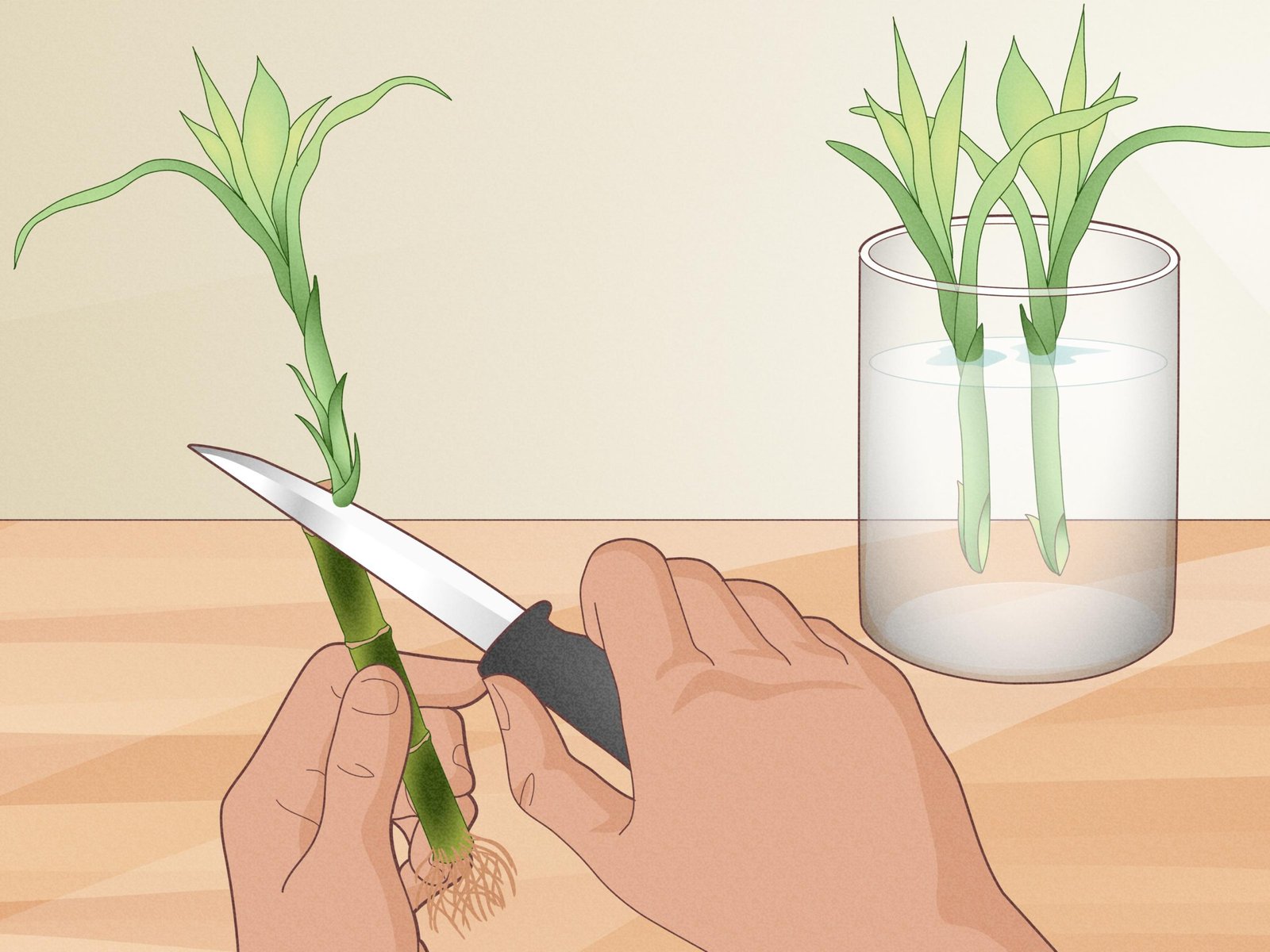
Nodes are the hard rings along the bamboo stalk. Removing some nodes helps the bamboo dry evenly. You can also peel off the outer layer to prevent mold.
| Part | Why Remove | How |
| Nodes | Allow better drying and flexibility | Use a sharp knife to cut and sand smooth |
| Outer Layers | Prevent mold and insect attack | Peel with a knife or scraper carefully |
Simple Methods For Bamboo Curing
Curing bamboo at home is easy. It helps in making bamboo more durable and resistant to pests. There are simple methods you can use to cure bamboo effectively.
In this guide, we explore three popular techniques for curing bamboo. Each method has unique steps to follow.
Water Soaking Technique
Water soaking is a simple way to cure bamboo. It involves submerging bamboo in water for some time. This method helps in removing starches that attract pests.
- Cut bamboo into desired lengths.
- Submerge in water completely.
- Leave it soaked for 4 to 12 weeks.
- Check for color changes to ensure curing.
Smoke Curing Process
Smoke curing is another effective method. It involves exposing bamboo to smoke. This helps in drying and preserving the bamboo.
Ensure proper ventilation during smoke curing. Use a fire pit or drum to generate smoke.
Sun Drying Approach
Sun drying is a natural method. Place bamboo under sunlight for drying. It is one of the oldest methods used.
| Time of Day | Duration |
| Morning | 4 hours |
| Afternoon | 4 hours |
| Evening | Avoid |
Using Chemical Treatments
Curing bamboo at home can extend its life. Chemical treatments are effective for this process. They protect bamboo from insects and fungi.
This method involves using specific chemicals. They penetrate the bamboo, making it durable and long-lasting.
Borax And Boric Acid Mix
Borax and boric acid are common bamboo preservatives. They are safe and effective for home use.
Mix these chemicals with water to create a solution. This solution helps protect bamboo from pests and decay.
- Mix one part borax with one part boric acid.
- Add ten parts of water to the mixture.
- Soak the bamboo in the solution for several hours.
- Dry the bamboo thoroughly before use.
Natural Preservatives
Natural preservatives are also an option. They are environmentally friendly.
These methods use natural ingredients to preserve bamboo. They are less harmful to the environment.
- Use neem oil to coat the bamboo surface.
- Apply vinegar as a natural preservative.
- Let the bamboo dry in the sun to enhance preservation.
Drying And Storing Bamboo
After cutting bamboo, drying it properly is key. This process helps stop cracks and pests. Storing bamboo right keeps it strong and lasts longer.
Learn how to dry bamboo in the best way. Then, discover tips to store it safely for future use.
Proper Drying Conditions
Dry bamboo in a shaded, well-ventilated area. Avoid direct sunlight to stop fast drying and cracking. Keep bamboo off the ground to stop moisture.
Check bamboo often during drying. It usually takes 2 to 4 weeks. Turn bamboo pieces regularly for even drying.
- Use a covered area with good airflow
- Keep bamboo away from wet or damp places
- Do not expose bamboo to direct sun for long
- Turn bamboo every few days
- Dry bamboo slowly to prevent cracks
Storage Tips For Longevity
Store dried bamboo in a dry, cool place. Keep it away from rain and humidity. Cover bamboo with a breathable cloth to protect it from dust.
Place bamboo on racks or pallets. This stops it from touching the ground. Avoid stacking bamboo too tightly to keep air flowing.
- Use racks or pallets to raise bamboo off the floor
- Cover bamboo with cloth, not plastic
- Keep storage area dry and cool
- Store bamboo away from pests and insects
- Check bamboo often for signs of damage
Common Mistakes To Avoid
Curing bamboo at home requires care and attention. Many people make avoidable errors. These mistakes can damage the bamboo or reduce its lifespan.
This guide covers two common mistakes and how to avoid them to keep your bamboo strong and lasting.
Improper Drying
Drying bamboo too fast or too slow causes cracks and warping. It also invites mold growth if moisture stays trapped inside.
- Do not dry bamboo under direct sunlight for long periods.
- Avoid drying bamboo in very humid places.
- Keep bamboo in a well-ventilated area during drying.
- Use shade or indirect light to dry bamboo slowly.
- Check bamboo regularly for cracks or mold during drying.
Ignoring Pest Protection
Pests like beetles and termites damage untreated bamboo. Protecting bamboo from pests is essential for a long life.
| Pest | Damage Type | Protection Method |
| Beetles | Holes and tunnels inside bamboo | Apply borate solution or insecticide |
| Termites | Surface and structural weakening | Use treated bamboo or natural repellents |
| Fungus | Rot and discoloration | Keep bamboo dry and use fungicide if needed |
Testing Bamboo Strength
Testing bamboo strength helps ensure it is strong and flexible. This process is important before using bamboo for any project. You can check its flexibility and surface condition easily at home.
These tests help you find good bamboo that will last longer and hold weight better. Use simple methods to test its quality without special tools.
Flexibility Checks
Flexibility shows how much bamboo can bend without breaking. This is a key sign of strength. Test bamboo by bending it slowly and watching how it reacts.
- Hold one end firmly and bend the bamboo gently.
- Notice if it bends smoothly or cracks.
- Good bamboo bends easily and returns to shape.
- Hard or dry bamboo may snap or crack under pressure.
- Test different parts to check consistency.
Surface Inspection
Look closely at the bamboo surface for signs of damage or weakness. A strong bamboo piece has a smooth and even surface with no holes or cracks.
| Surface Condition | What It Means |
|---|---|
| Smooth and Clean | Good quality, strong bamboo |
| Cracks or Splits | Weak spots, may break easily |
| Small Holes | Possible insect damage |
| Discoloration | Signs of rot or mold |

Credit: www.wikihow.com

Credit: www.guaduabamboo.com
Frequently Asked Questions
How Long Does It Take To Cure Bamboo At Home?
Curing bamboo at home typically takes 2 to 4 weeks. Proper drying and treatment prevent cracking and pests. Time varies based on climate and bamboo thickness. Ensuring even air circulation speeds up curing effectively.
What Are The Best Methods To Cure Bamboo?
Common curing methods include air drying, soaking, and smoking. Air drying is the simplest and most eco-friendly. Soaking in water removes starch to prevent pests. Smoking adds durability and protects against insects.
How To Prevent Bamboo From Cracking During Curing?
Keep bamboo in a shaded, well-ventilated area. Avoid direct sunlight to prevent rapid drying and cracks. Maintain consistent moisture levels by occasional misting. Using natural oils after curing also protects bamboo surfaces.
Can I Use Chemicals To Cure Bamboo Safely?
Yes, borax and boric acid solutions are safe and effective. They prevent fungal growth and insect infestation. Use these chemicals with proper dilution and protective gear. Avoid harsh chemicals that damage bamboo fibers.
Conclusion
Curing bamboo at home is simple and rewarding. Follow the steps carefully to keep bamboo strong and lasting. Dry it well to stop mold and pests. Use sunlight or air drying for best results. Patience helps in getting good quality bamboo.
Properly cured bamboo can be used for many projects. Enjoy working with your bamboo, knowing it will stay durable. Keep practicing these easy methods to improve each time. Your home-cured bamboo will look great and last long.