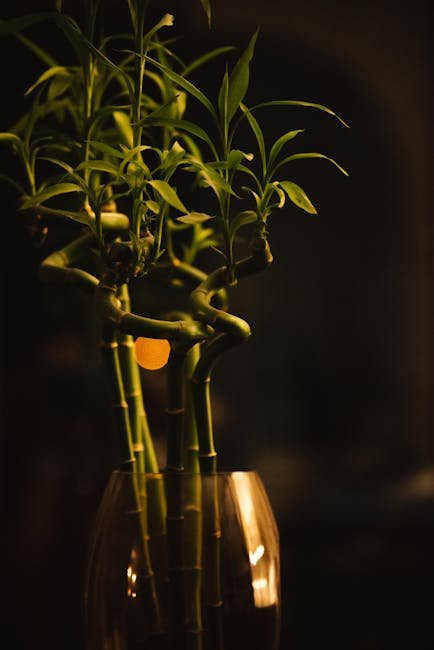
Are you looking to add a touch of green to your home with a bamboo plant? Caring for bamboo at home is easier than you might think, and it can bring a fresh, calming vibe to any space.
Imagine having a beautiful, thriving bamboo plant that not only looks great but also purifies your air and boosts your mood. In this guide, you’ll discover simple steps to keep your bamboo healthy and vibrant, so it becomes a natural part of your home.
Keep reading, and you’ll learn exactly what your bamboo needs to grow strong and beautiful every day.
Choosing The Right Bamboo
Choosing the right bamboo plant is important for your home. Bamboo comes in many types. Each type has different needs and sizes.
Knowing the differences helps you pick a bamboo that fits your space and care ability. This guide covers key points to consider.
Indoor Vs Outdoor Varieties
Some bamboo plants grow well indoors. Others need outdoor space to thrive. Indoor bamboos stay smaller and need less sunlight.
Outdoor varieties usually grow bigger and faster. They need more room and can handle different weather conditions.
- Indoor bamboo suits apartments and offices
- Outdoor bamboo fits gardens and yards
- Choose indoor types for limited space
- Pick outdoor types for large open areas
Size And Growth Rate
Bamboo size varies a lot by species. Some stay short, while others grow tall quickly. Growth rate also differs between types.
Slow-growing bamboo is easier to control inside. Fast-growing bamboo suits outdoor gardens if you want a quick screen or shade.
- Small bamboo: under 3 feet tall
- Medium bamboo: 3 to 10 feet tall
- Tall bamboo: over 10 feet tall
- Slow growth: under 1 foot per year
- Fast growth: 3 feet or more per year
Sunlight Requirements
Bamboo needs sunlight to grow well. Some types prefer full sun. Others do better in shade or partial sun.
Indoor bamboo usually needs bright, indirect light. Outdoor bamboo can handle direct sunlight but may need some shade in hot climates.
- Full sun: 6+ hours of direct light
- Partial sun: 3-6 hours of direct light
- Shade: less than 3 hours of direct light
- Indoor bamboo likes bright, indirect light
- Outdoor bamboo often grows best in full or partial sun
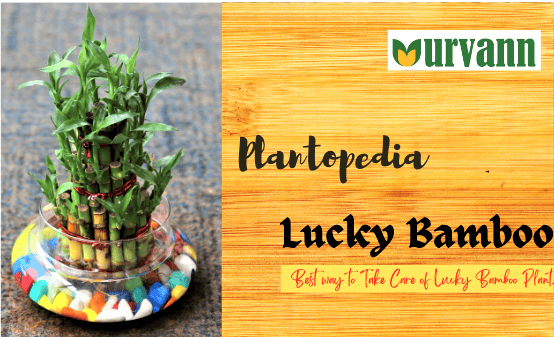
Credit: www.urvann.com
Ideal Planting Conditions
Bamboo plants grow best when given the right conditions at home. Proper care starts with choosing the right spot and soil.
Good planting conditions help bamboo grow strong and healthy indoors. You can create a perfect environment with simple steps.
Soil Type And Drainage
Bamboo needs soil that drains well but holds some moisture. Use soil that is loose and rich in nutrients.
Heavy clay soils can trap water and harm roots. Sandy soils drain too fast and dry out quickly.
- Choose loamy or sandy loam soil
- Ensure soil has good drainage
- Add organic compost for nutrients
- Avoid compacted or clay-heavy soil
Pot Selection
Pick a pot with holes at the bottom to let water drain out. This stops water from pooling and hurting the roots.
Use a pot that is large enough for bamboo’s roots to grow. A tight pot will limit growth and stress the plant.
- Choose pots with drainage holes
- Select pots 2-3 inches wider than the root ball
- Use sturdy pots to support tall bamboo
- Avoid pots that hold water inside
Planting Techniques
Place the bamboo plant gently in the pot. Make sure roots spread out comfortably.
Fill the pot with soil around the roots. Press soil lightly to remove air pockets but do not pack tightly.
- Water the plant well after planting
- Keep soil moist but not soggy
- Position the bamboo in a bright spot
- Check soil drainage regularly
Watering Tips
Watering is key to keeping your bamboo plant healthy. Giving the right amount of water helps it grow strong.
Too much or too little water can harm the plant. Learn how often and how much to water your bamboo.
Frequency And Amount
Water your bamboo plant once or twice a week. Check the soil before watering. If the top inch is dry, it needs water.
- In summer, water more often as the soil dries faster.
- In winter, reduce watering since bamboo grows slower.
- Use room temperature water for best results.
Signs Of Overwatering
Too much water can cause root rot and yellow leaves. Watch for these signs to protect your bamboo.
| Symptom | Cause |
| Yellowing leaves | Waterlogged roots |
| Soft stems | Too much moisture |
| Foul smell from soil | Root rot |
Dealing With Drought
If your bamboo shows dry or brown leaf tips, it may need more water. Act quickly to save your plant.
Try these steps to help during drought:
- Water deeply once a week to reach roots
- Use mulch to keep soil moist
- Keep bamboo away from direct hot sun
- Check soil moisture regularly
Light And Temperature Needs
Bamboo plants need the right light and temperature to grow well indoors. Good care helps keep leaves green and healthy.
Understanding light and temperature needs lets you create a perfect home environment for your bamboo.
Optimal Light Exposure
Bamboo plants prefer bright, indirect light. Direct sunlight can burn their leaves.
Place your bamboo near a window with filtered light. East or north-facing windows work well.
- Avoid harsh midday sun
- Use sheer curtains to soften light
- Artificial light can help in low-light rooms
Temperature Range
Keep bamboo plants in temperatures between 65°F and 80°F (18°C to 27°C). They do not like cold drafts.
Temperatures below 50°F (10°C) can harm bamboo. Avoid placing plants near air conditioners or heaters.
- Ideal day temperature: 65°F to 80°F
- Keep above 50°F at night
- Avoid sudden temperature changes
Seasonal Adjustments
In winter, bamboo needs less light and cooler temperatures. Move plants away from cold windows.
During summer, increase humidity and check for direct sunlight. Adjust placement as light changes with seasons.
- Winter: lower light and temperature
- Summer: avoid direct sun, increase humidity
- Watch for drafts in all seasons
Fertilizing Bamboo
Caring for a bamboo plant at home requires the right kind of fertilization. Proper feeding helps your bamboo grow strong and lush.
Understanding the types of fertilizer and how to apply them is key to healthy bamboo.
Best Fertilizer Types
Bamboo plants need specific nutrients to thrive. Choosing the right fertilizer is important.
- Nitrogen-rich fertilizers for leaf growth
- Balanced NPK fertilizers for overall health
- Slow-release fertilizers for long-term nourishment
Feeding Schedule
Establishing a feeding schedule helps maintain your bamboo's vitality. Regular feeding is essential.
| Month | Feeding Frequency |
| Spring | Twice a month |
| Summer | Every two weeks |
| Autumn | Once a month |
| Winter | Once every two months |
Organic Vs Chemical Options
Choosing between organic and chemical fertilizers depends on your preference and plant needs.
Organic fertilizers are natural, safe for the environment, and improve soil health. Chemical fertilizers provide quick nutrient release and are often more potent. Consider your bamboo's condition and environmental impact when selecting a fertilizer type.
Pruning And Maintenance
Taking care of your bamboo plant involves regular pruning and maintenance. This keeps the plant healthy and looking good.
Proper pruning helps new growth and removes any unhealthy parts of the plant.
When To Prune
Prune bamboo in late winter or early spring before new shoots appear. Avoid pruning in heavy rain or extreme heat.
- Late winter or early spring is the best time
- Prune after the growing season ends
- Do not prune during heavy rain or drought
Techniques For Healthy Growth
Use sharp tools to prune bamboo cleanly. Cut stalks at the base to encourage new shoots.
- Use clean, sharp pruning shears
- Cut stalks near the soil line
- Thin crowded areas to improve air flow
- Remove weak or thin stalks to strengthen the plant
Removing Dead Or Damaged Stalks
Dead or damaged stalks can harm the plant. Remove them quickly to keep bamboo healthy.
| Type of Stalk | Signs to Remove | Reason |
| Dead | Brittle, brown, no leaves | Prevents disease and pests |
| Damaged | Cracked, broken, or soft | Encourages strong new growth |
Pest And Disease Control
Caring for a bamboo plant at home requires attention to pests and diseases. Keeping your bamboo healthy is essential for its growth and longevity.
Here, we will explore common pests, preventive measures, and natural remedies to maintain a thriving bamboo plant.
Common Pests
Bamboo plants can attract certain pests that affect their health. Identifying these pests early can help in managing them effectively.
- Aphids: Small insects that suck sap from leaves.
- Mealybugs: White, cotton-like pests that cluster on stems.
- Spider mites: Tiny, spider-like pests causing leaf discoloration.
Preventive Measures
Preventing pests is easier than treating them. Regular care and observation can keep your bamboo plant pest-free.
| Measure | Action |
| Regular Inspection | Check leaves and stems weekly. |
| Proper Watering | Avoid waterlogging; use well-drained soil. |
| Clean Environment | Remove dead leaves and debris. |
Natural Remedies
Using natural remedies can help eliminate pests without harming the environment. These solutions are safe for your home and plants.
Neem Oil Spray: Mix 1 teaspoon of neem oil with 1 liter of water. Spray on affected areas.
Soap Solution: Dissolve mild soap in water. Use a spray bottle to apply on pests.
Garlic Infusion: Crush garlic cloves, soak in water, and spray to deter pests.

Credit: www.epicgardening.com
Propagation Methods
Growing bamboo at home can be fun and rewarding. Knowing how to propagate bamboo helps you expand your garden. There are simple ways to grow new bamboo plants.
This guide covers three main methods: dividing clumps, cuttings, and growing from seeds. Each method suits different types of bamboo and gardener skills.
Dividing Clumps
Dividing bamboo clumps is a fast way to get new plants. You split a mature bamboo clump into smaller parts. Each part should have roots and shoots to grow well.
- Dig up the bamboo clump carefully.
- Use a sharp spade or knife to divide the roots.
- Make sure each division has at least one healthy shoot.
- Plant the divisions in well-drained soil.
- Water the new plants regularly to help them settle.
Cuttings
Bamboo cuttings allow you to grow plants from stems. This method works best with young, green bamboo shoots. Rooting hormones can help the cuttings grow roots faster.
- Cut a healthy bamboo shoot about 12 inches long.
- Remove leaves from the bottom half of the cutting.
- Dip the cut end in rooting hormone powder.
- Plant the cutting in moist soil or water.
- Keep the cutting in a warm, shaded place.
- Wait for roots to develop before transplanting.
Growing From Seeds
Growing bamboo from seeds takes time and patience. Seeds are not always easy to find. They need special care to germinate well.
| Seed Preparation | Soak seeds in warm water for 24 hours |
| Planting Depth | Plant seeds 1 inch deep in seed-starting mix |
| Temperature | Keep soil at 70-85°F (21-29°C) |
| Watering | Keep soil moist but not wet |
| Germination Time | 3 to 4 weeks |
Troubleshooting Common Issues
Caring for a bamboo plant at home can sometimes be tricky. Plants show signs when something is wrong.
Knowing how to spot and fix common problems helps keep your bamboo healthy and green.
Yellowing Leaves
Yellow leaves on bamboo usually mean stress. This can come from too much water, too little light, or poor soil.
- Check if the plant is in direct sunlight; bamboo prefers indirect light.
- Water only when the top inch of soil feels dry.
- Make sure the pot has good drainage to avoid water buildup.
- Use well-draining soil to prevent root problems.
Slow Growth
Slow growth can mean your bamboo needs more nutrients or better conditions. It may also be pot-bound.
| Cause | Solution |
| Low light | Move plant to brighter spot with indirect light |
| Not enough fertilizer | Feed with balanced fertilizer every 2 months |
| Root bound | Repot into a larger container |
| Cold temperature | Keep plant away from drafts and cold windows |
Root Rot
Root rot happens when roots sit in water too long. It causes leaves to wilt and die.
To fix root rot:
- Remove the plant from its pot.
- Cut away any black or mushy roots with clean scissors.
- Let the plant dry for a few hours.
- Repot in fresh, dry soil with good drainage.
- Water less often and check soil moisture regularly.

Credit: www.youtube.com
Frequently Asked Questions
How Often Should I Water My Bamboo Plant?
Water your bamboo plant once a week, keeping soil moist but not soggy. Adjust frequency in dry or hot climates to prevent dehydration.
What Type Of Light Does Bamboo Need Indoors?
Place bamboo in bright, indirect sunlight. Avoid direct sun exposure, which can scorch leaves. Low light can slow growth.
How Can I Prevent Yellow Leaves On Bamboo?
Yellow leaves usually mean overwatering or poor drainage. Ensure proper watering habits and well-draining soil to keep your bamboo healthy.
Do Bamboo Plants Need Fertilizer At Home?
Yes, feed your bamboo monthly during growing seasons with a balanced liquid fertilizer to promote lush growth and vibrant leaves.
Conclusion
Caring for a bamboo plant at home is simple and rewarding. Give it bright, indirect light and keep the soil moist. Avoid overwatering to prevent root problems. Regularly check for pests and clean the leaves gently. With a little attention, your bamboo will grow healthy and strong.
This green friend adds beauty and calm to any space. Start small, watch it thrive, and enjoy the natural touch it brings indoors.