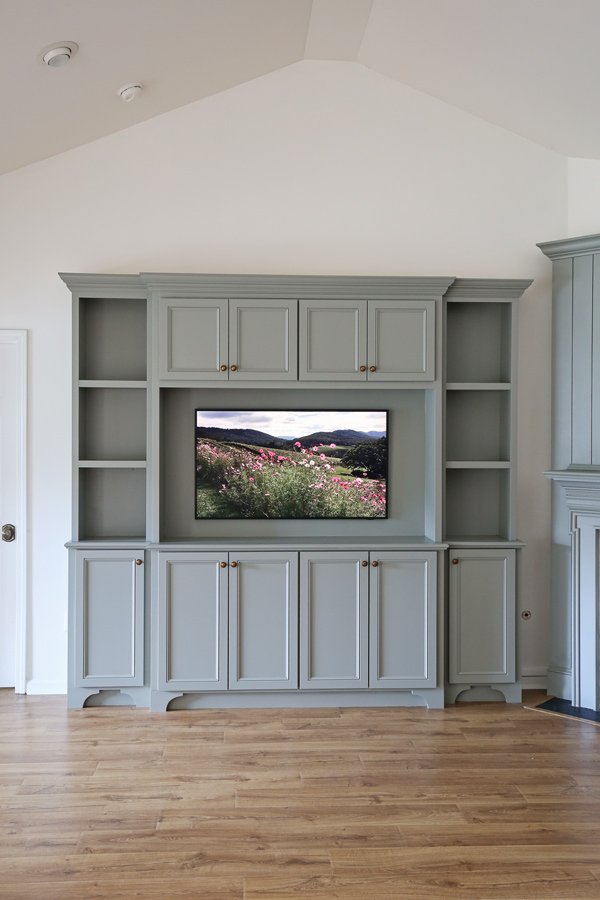
Are you ready to transform your living room with beautiful, custom cabinets that fit your style and needs? Building your own living room cabinets might sound tricky, but with the right steps, you can create stunning storage that makes your space look organized and inviting.
Imagine having cabinets designed exactly the way you want—perfect for your favorite books, gadgets, or decorative items. In this guide, you’ll discover simple, clear instructions that make the process easy and enjoyable. Keep reading, and you’ll be surprised at how quickly you can bring your dream cabinets to life!

Credit: www.hgtv.com
Planning Your Cabinets
Building living room cabinets starts with careful planning. Good plans help you make the best use of your space.
Planning also helps you choose the right materials and design. This makes the building process easier and faster.
Measuring Your Space
Measure the area where you want to place the cabinets. Use a tape measure for accuracy.
Write down the height, width, and depth of the space. Check for any obstacles like doors or vents.
- Measure wall length and height
- Note locations of windows and doors
- Check floor and ceiling conditions
- Allow space for cabinet doors to open
Choosing Materials
Pick materials that fit your budget and style. Wood is strong and looks good, but plywood is cheaper.
Think about durability and how easy the material is to work with. Some finishes need more care than others.
- Solid wood: durable and classic
- Plywood: affordable and stable
- MDF: smooth surface for painting
- Hardware: knobs, hinges, and slides
Designing The Layout
Decide how many cabinets you want and where to place them. Think about what you will store inside.
Plan shelves, drawers, and doors to fit your needs. Make sure the design looks balanced and fits the room.
- Include open shelves for display items
- Add drawers for small items
- Plan cabinet doors for easy access
- Keep walking space clear and safe
Gathering Tools And Supplies
Building living room cabinets needs the right tools and supplies. Proper preparation helps you work faster and safer.
This guide covers essential tools, recommended materials, and safety gear you need to start your project.
Essential Tools
Having these tools will make building your cabinets easier and more precise. Make sure you have all before starting.
- Measuring tape for accurate dimensions
- Circular saw for cutting wood pieces
- Power drill with drill bits
- Screwdriver set
- Clamps to hold wood in place
- Wood glue for strong joints
- Level to ensure even surfaces
- Sandpaper or electric sander
Recommended Materials
Choose quality materials that will last and look good. Below is a table comparing common wood types for cabinets.
| Material | Durability | Cost | Appearance |
| Plywood | High | Medium | Smooth, uniform |
| Solid Wood | Very High | High | Natural grain, rich |
| MDF (Medium-Density Fiberboard) | Medium | Low | Smooth, paintable |
| Particleboard | Low | Very Low | Rough, less durable |
Safety Gear
Protect yourself with the right safety gear. It prevents injuries and keeps you safe during work.
- Safety goggles to protect your eyes
- Work gloves for hand protection
- Ear plugs or earmuffs to reduce noise
- Dust mask to avoid inhaling sawdust
- Proper footwear with good grip
Preparing The Workspace
Building living room cabinets needs a clean and safe workspace. Preparing the area first helps you work faster and avoid accidents.
Organizing your tools and workbenches before starting makes the project easier and more efficient.
Clearing The Area
Remove all furniture and items from the workspace. This gives you enough room to move and store materials safely.
- Move fragile items to a safe place
- Sweep the floor to remove dust and dirt
- Make sure there is enough light in the area
- Clear pathways to exit points
Setting Up Workbenches
Place your workbenches near power outlets and windows for light and electricity. Keep your benches sturdy and level.
| Workbench Feature | Why It Matters |
| Stable surface | Prevents accidents and mistakes |
| Good lighting | Helps see details clearly |
| Near power source | Easy to plug in tools |
| Enough space around | Allows easy movement and handling |
Organizing Tools
Keep your tools in one place and sort them by use. This saves time and keeps the workspace tidy.
- Use pegboards to hang frequently used tools
- Label drawers for screws, nails, and small parts
- Keep power tools on a separate shelf
- Charge cordless tools before starting work

Credit: angelamariemade.com
Cutting And Assembling Cabinet Frames
Building living room cabinets begins with cutting and assembling the frames. This process creates the basic structure of the cabinet. It needs careful measuring and precise cutting.
Assembling the frame means joining all the pieces correctly. This ensures the cabinet is strong and stable. Each step must be done with care to get a good result.
Marking And Cutting Wood
Mark the wood pieces clearly before cutting. Use a pencil and a ruler to measure each part. Accurate marks help you cut straight lines.
Cut the wood with a saw that fits the job. A circular saw or miter saw works well. Cut slowly to keep edges clean and smooth.
- Measure twice, cut once to avoid mistakes
- Use clamps to hold wood steady while cutting
- Wear safety gear like goggles and gloves
Joining Frame Pieces
Join the frame pieces using wood glue and screws or nails. Apply glue on the edges for a strong bond. Clamp the pieces together while the glue dries.
Screws give extra strength to the joints. Pre-drill holes to stop wood from splitting. Use a screwdriver to fasten screws tightly.
- Apply wood glue evenly on joint surfaces
- Clamp pieces to keep them aligned
- Pre-drill screw holes to protect wood
- Use screws for durable joints
Ensuring Square And Level
Check that the frame is square by measuring the diagonals. Both diagonal lengths should be equal. This step prevents a crooked cabinet.
Use a carpenter’s square to check corners. Adjust clamps or screws if needed. Also, place the frame on a level surface to check balance.
- Measure diagonals to confirm square shape
- Use a carpenter’s square on each corner
- Adjust frame before glue dries
- Check that the frame sits flat on a level surface
Building Cabinet Doors And Shelves
Building cabinet doors and shelves is an important part of making living room cabinets. Good doors and shelves help keep things organized and look nice.
This guide will explain how to create door panels, build shelves, and install hinges for your cabinets.
Creating Door Panels
Start by choosing the wood type for your door panels. Use strong, smooth wood for a clean finish.
Cut the wood to the size of your cabinet opening. Make sure the edges are straight and smooth.
- Measure the door frame carefully
- Cut panels slightly smaller than the frame
- Sand edges to avoid splinters
- Consider adding a decorative edge
Constructing Shelves
Choose wood that can hold weight without bending. Plywood or solid wood works well for shelves.
Cut shelves to fit inside the cabinet. Use a level to make sure shelves sit straight.
- Measure inside width and depth of cabinet
- Cut shelves to fit with a little room to slide in
- Sand shelf edges for safety
- Use shelf supports or brackets for strength
Installing Hinges
Choose hinges that fit your door size and style. Soft-close hinges add smooth closing.
Mark hinge positions on the door and cabinet frame. Drill holes carefully and attach hinges with screws.
- Place hinges about 3 inches from top and bottom
- Use a pencil to mark screw holes
- Pre-drill holes to avoid wood splitting
- Tighten screws securely but do not overtighten
Finishing And Installing Cabinets
Building living room cabinets adds style and storage to your home. Finishing and installing cabinets is an important part of the process.
This guide will help you with sanding, painting, adding hardware, and mounting cabinets securely.
Sanding And Painting
Sanding smooths the wood surface for painting. It also removes rough edges.
Painting gives your cabinets a fresh look. Choose a color that matches your room.
- Use fine-grit sandpaper for a smooth finish
- Apply primer before painting
- Use multiple thin coats for even coverage
Adding Hardware
Hardware like handles and knobs make cabinets functional. They also add style.
Choose hardware that complements the cabinet color and design.
- Mark the position for each handle
- Drill holes carefully to avoid damage
- Screw in hardware tightly for a secure fit
Mounting Cabinets Securely
Proper mounting ensures cabinets are stable and safe. Use strong screws and anchors.
Check the wall type to choose the right anchors and screws.
- Find wall studs for secure mounting
- Level the cabinets before attaching
- Tighten screws to keep cabinets steady
Maintaining Your Cabinets
Keeping your living room cabinets in top shape is essential. Regular maintenance can extend their lifespan and keep them looking fresh.
Here are some simple steps to ensure your cabinets remain in excellent condition for years to come.
Cleaning Tips
Dust and grime can accumulate on cabinet surfaces. Cleaning them often helps maintain their beauty and functionality.
- Use a soft cloth to dust weekly.
- Wipe with a mild soap solution for stains.
- Avoid harsh chemicals to protect finishes.
Repairing Minor Damage
Small scratches and dents can happen over time. Fixing them promptly prevents further damage.
Here is a simple fix for minor scratches:
- Clean the area with a damp cloth.
- Apply a matching furniture marker to the scratch.
- Buff gently with a soft cloth.
Upgrading Storage Features
Enhancing storage in your cabinets can add convenience. Consider these upgrades to maximize space.
| Feature | Benefit |
| Pull-out shelves | Easy access to items at the back |
| Adjustable dividers | Customize space for different items |
| LED lighting | Improves visibility inside cabinets |

Credit: angelamariemade.com
Frequently Asked Questions
What Materials Are Best For Building Living Room Cabinets?
Quality plywood and hardwood are ideal for building living room cabinets. Plywood offers durability and resistance to warping. Hardwood like oak or maple provides strength and a beautiful finish. Combining these materials ensures sturdy, long-lasting cabinets with an attractive appearance.
How Do I Measure Space For Living Room Cabinets?
Measure the available wall length, height, and depth carefully. Consider door clearance and nearby furniture placement. Accurate measurements prevent fitting issues and help customize cabinet size perfectly to your living room layout.
What Tools Do I Need To Build Living Room Cabinets?
Essential tools include a saw, drill, screwdriver, measuring tape, clamps, and a sander. These tools help cut, assemble, and finish the cabinets smoothly. Having the right tools ensures a professional and efficient building process.
How Long Does It Take To Build Living Room Cabinets?
Building living room cabinets usually takes 1 to 3 days. Time depends on design complexity, skill level, and drying time for finishes. Planning and preparation can help speed up the process without compromising quality.
Conclusion
Building living room cabinets can be a fun and rewarding task. Start with a clear plan and simple tools. Take your time measuring and cutting each piece carefully. Assemble the parts step by step, paying attention to details. Choose finishes that match your room’s style and colors.
This project adds both storage and charm to your space. Enjoy the process and the final result. Your living room will feel more organized and welcoming. Give yourself credit for creating something useful and beautiful. Keep practicing to improve your skills for future projects.