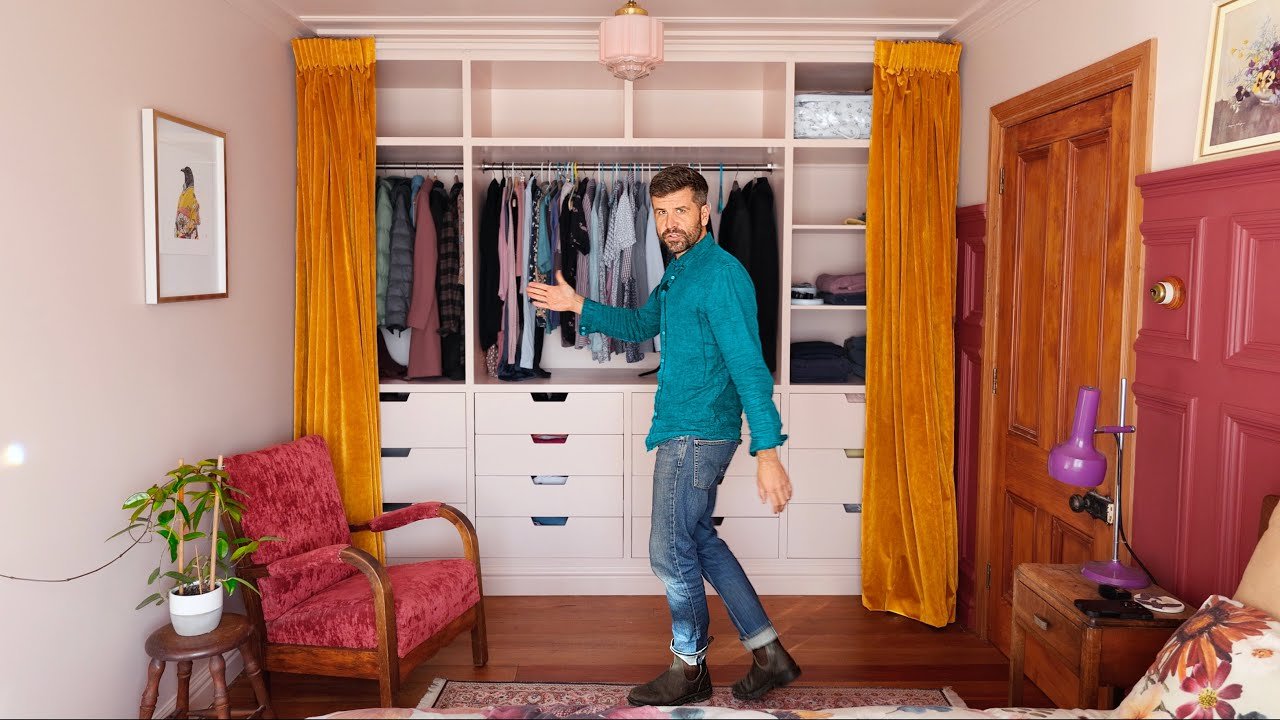
Are you tired of clutter taking over your bedroom? Building your own wardrobe can be the perfect solution to organize your clothes and create a stylish space.
Imagine having a wardrobe designed exactly to fit your needs and your room. In this guide, you’ll discover simple steps to build a bedroom wardrobe that looks great and works perfectly for you. Ready to transform your space and make getting dressed easier every day?
Let’s get started!
Planning Your Wardrobe
Building a bedroom wardrobe starts with good planning. Planning helps you use space well and keep your clothes organized.
This guide covers how to assess your space and needs, choose a style, and set a budget.
Assessing Space And Needs
First, measure the area where you want the wardrobe. Know the height, width, and depth available.
Think about what you need to store. Consider clothes, shoes, accessories, and any special items.
- Measure your room carefully
- List the types of items to store
- Note how often you use each item
- Plan space for future additions
Choosing Wardrobe Styles
Wardrobe style affects the look and function of your room. Pick a style that fits your space and taste.
Consider sliding doors if space is tight. Hinged doors work well in larger rooms.
- Sliding door wardrobes save space
- Hinged doors offer full access
- Open wardrobes show your items easily
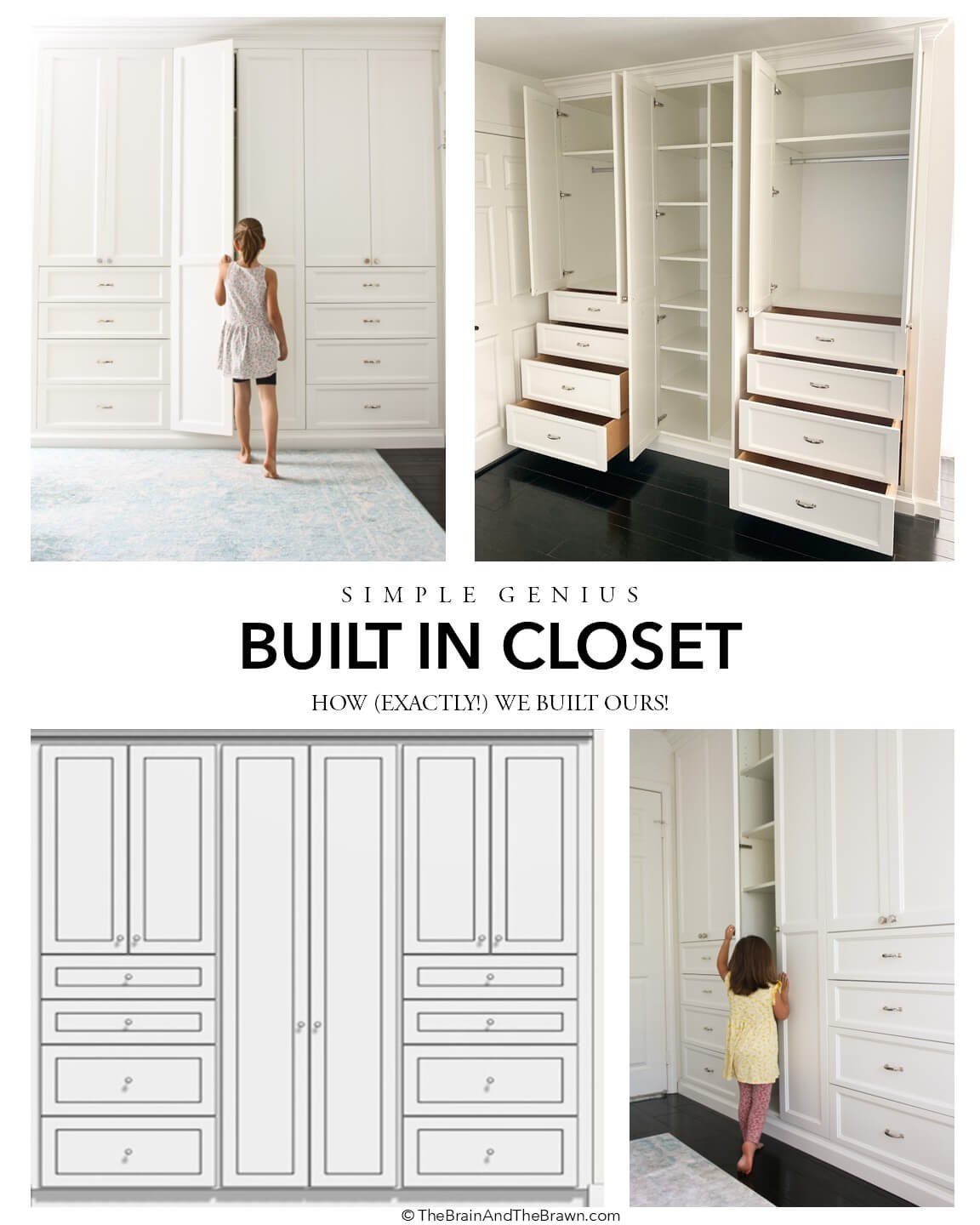
- Built-in wardrobes blend with walls
Setting A Budget
Decide how much money you can spend on your wardrobe. A clear budget helps you avoid overspending.
Think about costs for materials, labor, and extra features like lighting or mirrors.
- Set a maximum spending limit
- Include installation or delivery fees
- Allow for small upgrades
- Compare prices before buying

Selecting Materials And Tools
Building a bedroom wardrobe starts with choosing the right materials and tools. These choices affect the look and strength of your wardrobe.
Good materials and the right tools make the project easier and the wardrobe lasts longer. Let's look at what you need.
Types Of Wood And Finishes
Wood type changes how the wardrobe looks and feels. Some woods are strong, others are easy to shape.
Finishes protect wood and give it color. Choose a finish that fits your room style and keeps wood safe.
- Solid wood like oak or pine is strong and lasts long.
- Plywood is cheaper and less likely to warp.
- MDF is smooth and easy to paint.
- Varnish or lacquer adds shine and protects wood.
- Paint changes the color and can hide flaws.
- Stain shows wood grain and changes color.
Hardware Options
Hardware includes handles, hinges, and drawer slides. Good hardware makes the wardrobe easy to use.
Choose hardware that fits the style of your room and is strong enough for daily use.
- Soft-close hinges stop doors from slamming.
- Metal handles come in many styles and finishes.
- Drawer slides can be ball bearing or roller types.
- Locks add security if needed.
Essential Tools For Building
Having the right tools makes building faster and safer. Basic tools are enough for most wardrobes.
Use tools that you are comfortable with and keep them sharp and clean.
- Measuring tape for accurate dimensions.
- Power drill for screws and holes.
- Handsaw or circular saw for cutting wood.
- Screwdrivers for assembling parts.
- Clamps to hold pieces in place.
- Sandpaper to smooth edges and surfaces.
Designing The Layout
Designing a bedroom wardrobe starts with a smart layout plan. A good layout helps keep clothes and items organized. It also makes the best use of the available space.
Think about how you use your wardrobe every day. This will guide your design choices. Focus on storage needs and ease of access.
Maximizing Storage Efficiency
Use every inch of space by adding compartments and sections. Plan for different types of storage to keep things tidy. Consider using corners and vertical space for extra storage.
- Use adjustable shelves to fit items of different sizes
- Add pull-out trays for small accessories
- Include storage boxes to keep seasonal clothes
- Use hooks inside doors for belts and ties
Incorporating Shelves And Drawers
Shelves and drawers help separate and organize your items. Shelves work well for folded clothes and bags. Drawers keep smaller items neat and out of sight.
| Type | Best For | Placement |
| Shelves | Folded clothes, shoes, bags | Top and middle sections |
| Drawers | Underwear, socks, accessories | Lower sections for easy reach |
| Open Shelves | Display items, frequently used clothes | Eye level for quick access |
Planning Hanging Spaces
Hanging spaces keep clothes wrinkle-free and easy to find. Plan for different lengths depending on your clothes. Use rods at different heights for shirts and long dresses.
- Install a double rod for short clothes like shirts and pants
- Use a tall hanging area for dresses and coats
- Leave space below hanging clothes for shoes or boxes
- Add pull-out rods for ties and scarves

Step-by-step Building Process
Building a bedroom wardrobe can save money and give you a custom look. Follow each step carefully for the best results.
This guide breaks down the process into simple parts. Measure, cut, assemble, and install with ease.
Measuring And Cutting
Start by measuring the space where the wardrobe will go. Use a tape measure and write down the width, height, and depth.
- Measure the wall space carefully.
- Mark the dimensions on your wood panels.
- Use a saw to cut the panels to size.
- Double-check the cuts before moving on.
Assembling The Frame
Put the cut pieces together to form the frame. Use screws and glue for a strong hold.
| Part | Material | Notes |
|---|---|---|
| Side panels | Wood boards | Cut to wardrobe height and depth |
| Top and bottom panels | Wood boards | Match width of side panels |
| Back panel | Plywood sheet | Attach after frame assembly |
Use clamps to hold pieces while screwing. Make sure corners are square.
Installing Doors And Hardware
Attach hinges to the doors and then fix them to the frame. Add handles or knobs for easy use.
- Mark hinge positions on doors and frame.
- Use a drill to make pilot holes.
- Secure hinges with screws.
- Attach handles or knobs at a comfortable height.
- Test doors to ensure smooth opening and closing.
Adding Stylish Details
Adding stylish details can make your bedroom wardrobe look unique. Small touches improve both function and style.
Focus on doors, lighting, and finishes to create a wardrobe that fits your space well.
Choosing Door Styles
Door styles set the tone for your wardrobe. Pick doors that match your bedroom’s style and space.
Sliding doors save space, while hinged doors offer classic looks. Glass doors add light and depth.
- Sliding doors for small rooms
- Hinged doors for traditional style
- Glass or mirrored doors for brightness
- Panel doors for a classic look
Incorporating Lighting
Good lighting helps you find clothes easily and adds style. Use lights inside and outside the wardrobe.
LED strips inside shelves or hanging areas highlight your items. Spotlights can brighten the wardrobe’s exterior.
- LED strip lights inside shelves
- Motion sensor lights for convenience
- Spotlights on the wardrobe exterior
- Soft lighting for a cozy feel
Using Decorative Finishes
Decorative finishes add texture and color to your wardrobe. Choose finishes that match your room’s theme.
Wood stains, paint, or wallpaper can change the look. Metal handles and trim give a modern touch.
- Wood stains for natural warmth
- Paint in soft or bold colors
- Wallpaper for patterns and texture
- Metal handles for sleek design
Maintenance And Organization Tips
Building a bedroom wardrobe is just the beginning. Keeping it well-maintained and organized ensures it serves you well. Let's explore some helpful tips.
Discover how to keep your wardrobe clean, organize your clothes and accessories, and upgrade your storage over time.
Keeping Wardrobe Clean
A clean wardrobe keeps your clothes fresh and extends their life. Regular maintenance is key.
- Dust shelves and hangers weekly.
- Use a mild cleaner for stubborn stains.
- Keep a sachet of lavender to repel moths.
- Vacuum the floor inside your wardrobe monthly.
Organizing Clothes And Accessories
Proper organization helps you find what you need quickly. It also makes your wardrobe look tidy.
Consider categorizing your clothes by type and season. Use dividers for accessories.
- Group clothes by type: shirts, pants, dresses.
- Separate seasonal wear: winter and summer.
- Use boxes or bins for smaller items like scarves and belts.
- Label each section for easy access.
Upgrading Storage Over Time
As your clothing collection grows, your storage needs may change. Upgrading your storage solutions can keep your wardrobe functional.
| Storage Option | Benefit |
| Shelves | Increase vertical space |
| Drawer dividers | Organize small items |
| Hooks | Utilize door space |
| Storage bins | Hide less-used items |
Frequently Asked Questions
What Materials Are Best For Building A Bedroom Wardrobe?
Wood, plywood, and MDF are popular materials. They offer durability, easy customization, and a polished finish. Choose based on budget and style preferences to ensure long-lasting wardrobe quality.
How Do I Measure Space For A Bedroom Wardrobe?
Measure wall width, height, and depth carefully. Allow extra space for door clearance and internal shelving. Accurate measurements prevent fitting issues and optimize storage efficiency.
What Are Key Design Features For A Bedroom Wardrobe?
Include adjustable shelves, hanging rods, and drawers. Consider mirrored doors or sliding mechanisms for space-saving. Proper lighting inside improves visibility and usability.
How Much Does It Cost To Build A Bedroom Wardrobe?
Costs vary by material, size, and design complexity. A basic wardrobe may start around $300, while custom designs can exceed $2000. Plan budget according to desired quality and features.
Conclusion
Building a bedroom wardrobe can be simple and rewarding. Plan your space carefully and choose the right materials. Measure twice to avoid mistakes later. Think about your storage needs and style preferences. Take your time assembling the pieces step by step.
A well-built wardrobe keeps your room neat and organized. Enjoy the satisfaction of creating something useful with your own hands. Start small and improve as you go. A good wardrobe adds comfort and saves time every day.