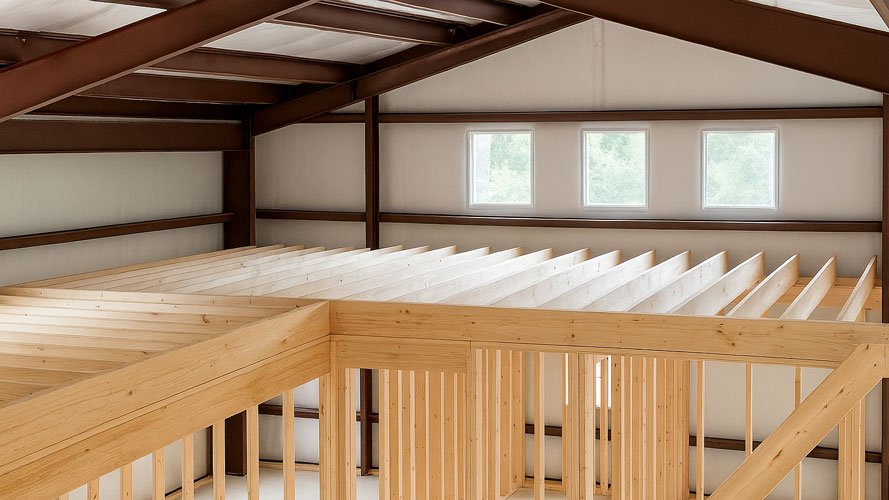
Thinking about building a home that lasts, saves you money, and stands strong through time? A steel home might be exactly what you need.
You’ll discover how steel offers unmatched durability, quick construction, and energy efficiency. You’ll get clear, simple steps to build your own steel home without stress or confusion. Ready to create a safe and smart living space? Keep reading, and you’ll learn everything you need to start building your dream steel home today.
Benefits Of Steel Homes
Steel homes use steel frames and panels to build houses. They offer many advantages over traditional homes.
This guide explains the main benefits of steel homes and why they are a smart choice.
Strength And Durability
Steel is strong and can handle heavy loads. It does not bend or crack easily under pressure.
Steel homes last a long time and resist damage from storms and earthquakes better than wood homes.
Energy Efficiency
Steel homes can be insulated well to keep heat in during winter and out in summer. This saves energy.
Good insulation lowers heating and cooling costs, making the home cheaper to run.
Resistance To Pests And Fire
Steel does not attract termites or rodents. It is not a food source for pests.
Steel is also fire-resistant. It does not burn or catch fire easily, making homes safer.
Low Maintenance
Steel homes need less upkeep than wood homes. They do not rot or warp over time.
Less maintenance means saving money and time on repairs and replacements.

Credit: www.youtube.com
Planning Your Steel Home
Building a steel home needs clear planning. You must think about design, cost, and location. Planning helps avoid problems later.
This guide covers key points to plan your steel home properly. It will help you get started with confidence.
Choosing The Right Design
Pick a design that fits your needs and style. Steel homes can be modern or traditional. Think about space, shape, and roof style.
- Consider the number of rooms
- Choose energy-efficient designs
- Plan for future expansion
- Think about natural light and ventilation
- Decide on open or closed floor plans
Budgeting And Cost Factors
Set a budget before starting. Steel homes can save money on maintenance but may cost more upfront. Know all costs to avoid surprises.
| Cost Factor | Description | Typical Range |
| Steel Frame | Main structure material | High |
| Insulation | Energy saving | Medium |
| Labor | Construction work | Medium to High |
| Finishing | Interior and exterior | Variable |
| Permits | Legal approval | Low to Medium |
Selecting A Location
Choose a place that suits your lifestyle and budget. Check the land type and access to roads and utilities. Safety and environment matter.
- Check for flood risks and soil quality
- Look for nearby schools and shops
- Consider distance to work and friends
- Ensure access to water, power, and internet
- Think about future neighborhood growth
Building Codes And Permits
Follow local building rules for safety and legality. Permits are required before you build. Learn the codes early to plan correctly.
- Contact your local building department
- Get permits for structure and electrical work
- Ensure steel materials meet standards
- Schedule inspections during construction
- Keep records of all approvals and documents
Materials For Steel Construction
Building a steel home requires strong and durable materials. Choosing the right materials ensures safety and comfort. This guide explains key materials used in steel construction.
From steel types to insulation and finishing, each material plays a role. Understanding these materials helps you plan your steel home better.
Types Of Steel Used
Steel comes in different types for construction. The most common are carbon steel and galvanized steel. Carbon steel is strong and cost-effective. Galvanized steel has a zinc coating to resist rust. Stainless steel is also used for parts that need extra corrosion resistance.
- Carbon Steel:Strong, affordable, used for framing.
- Galvanized Steel:Rust-resistant, good for exterior parts.
- Stainless Steel:Durable and corrosion-resistant, used in special areas.
Insulation Options
Insulation keeps your steel home warm in winter and cool in summer. Spray foam insulation fits well in steel frames. Fiberglass batts are popular for walls and ceilings. Rigid foam boards offer strong thermal resistance.
- Spray Foam:Seals gaps, good for airtight homes.
- Fiberglass Batts:Easy to install, cost-effective.
- Rigid Foam Boards:High insulation value, moisture resistant.
Fasteners And Connectors
Fasteners and connectors hold steel parts together. Using the right type is important for strength. Self-drilling screws are common for steel frames. Bolts provide strong connections for heavy parts. Welding is used for permanent joints.
| Fastener Type | Use | Advantages |
|---|---|---|
| Self-drilling Screws | Steel framing | Easy to install, no pre-drilling |
| Bolts | Heavy connections | Strong and secure |
| Welding | Permanent joints | Very strong, durable |
Finishing Materials
Finishing materials protect steel and improve appearance. Paint helps prevent rust and adds color. Cladding materials include metal panels, wood, or vinyl siding. Interior finishes like drywall cover steel walls for a clean look.
- Rust-resistant paints
- Metal panels for exterior cladding
- Wood siding for natural look
- Vinyl siding for low maintenance
- Drywall for interior walls

Credit: wmconstructionco.com
Foundation And Frame Setup
Building a steel home starts with a strong foundation and a solid frame. These parts hold the entire house up.
This guide explains how to prepare the site, lay the foundation, assemble the steel frame, and keep it strong.
Preparing The Site
Clear the land where you will build your steel home. Remove trees, rocks, and debris.
Level the ground to make a flat surface. This helps the foundation stay even and stable.
- Check for underground utilities before digging
- Mark the building area with stakes or paint
- Make sure water drains away from the site
Laying The Foundation
Choose the right foundation type for your steel home. Common types are slab, crawl space, or basement.
Dig trenches or holes as needed. Place forms to shape the concrete before pouring.
- Use steel reinforcement bars inside the concrete
- Pour concrete evenly and smooth the surface
- Let the foundation cure for several days
Assembling The Steel Frame
Start by laying out steel beams on the foundation. Follow your building plan carefully.
Use bolts and welds to connect beams and columns. Make sure all parts fit well together.
- Wear safety gear during assembly
- Use cranes or lifts for heavy parts
- Check measurements often for accuracy
Ensuring Structural Integrity
Inspect all connections to make sure they are tight and secure. Loose joints can weaken the structure.
Check that the frame is level and plumb. Use tools like laser levels and squares for precision.
- Test welds for cracks or weaknesses
- Use braces to support the frame during work
- Follow local building codes and standards
Enclosing The Structure
Building a steel home is a strong and durable choice. Enclosing the structure is a crucial step to ensure safety and comfort.
Proper enclosure protects the interior from weather and other elements. Let's explore the essential steps in this process.
Wall Panels Installation
Wall panels form the outer layer of your steel home. They provide insulation and strength.
Panels should be aligned correctly to ensure stability. Follow the manufacturer's guidelines for installation.
- Check panel size and fit
- Use the right fasteners
- Seal joints to prevent leaks
Roofing Systems
The roof is vital for protection against rain and sun. Steel roofs are durable and long-lasting.
Choose a roofing system that suits your climate. Install with precision to avoid future issues.
- Inspect roof trusses
- Secure all roofing panels
- Ensure proper drainage
Windows And Doors
Windows and doors add light and accessibility. They must be installed securely to prevent drafts.
Choose energy-efficient options to save on heating and cooling. Ensure all frames are level and square.
- Measure openings accurately
- Use weatherstripping for a tight seal
- Test for smooth operation
Weatherproofing Techniques
Weatherproofing protects your steel home from the elements. It helps maintain a comfortable indoor environment.
Seal all gaps and cracks to prevent moisture and drafts. Use appropriate materials for your climate.
- Apply caulking around windows and doors
- Use vapor barriers in walls
- Install proper insulation

Credit: www.youtube.com
Interior Construction
Building a steel home means strong outside walls. Inside, you need to plan the space carefully. Interior construction makes your home safe and comfortable.
Focus on systems like electricity and plumbing. Also, think about walls, floors, and heating or cooling. Each part helps your home work well.
Electrical And Plumbing Systems
Steel homes need special care for wiring and pipes. Metal walls can cause electrical interference. Use insulated wiring to keep power safe.
Plumbing must fit inside steel frames. Use flexible pipes to avoid leaks. Plan pipe routes before closing walls to save time and money.
Interior Walls And Partitions
Steel homes often use metal studs for inside walls. They are light and do not warp like wood. Cover studs with drywall or other materials.
Partitions divide rooms and add privacy. Use soundproof panels for quiet spaces. Make sure walls fit well with electrical and plumbing lines.
Flooring Choices
Steel homes need floors that work with metal framing. Concrete slabs are common and strong. You can also use wood or vinyl flooring on top.
Choose floors that resist moisture. This helps avoid damage in basements or kitchens. Pick styles that fit your room use and budget.
Hvac Integration
Heating and cooling systems keep your steel home comfortable. Metal walls can affect how air flows inside. Plan vents and ducts carefully.
Use energy-efficient HVAC units to save money. Insulate ducts to keep air temperature steady. Regular maintenance keeps the system working well.
Finishing Touches
Building a steel home is an exciting journey. After construction, focus on the finishing touches to make it truly yours.
These elements add personality and functionality. They transform a steel structure into a comfortable home.
Painting And Coating
Paint and coatings protect your steel home. They also enhance its look.
Choose quality products for long-lasting results. This ensures durability and beauty.
- Use weather-resistant paints for exterior walls
- Consider anti-corrosion coatings for steel parts
- Pick colors that reflect your personal style
Landscaping Around Steel Homes
Landscaping adds charm and value. It complements the modern look of steel homes.
Plan your landscape design carefully. Think about plants, paths, and outdoor spaces.
- Choose low-maintenance plants
- Incorporate outdoor lighting for safety
- Create pathways with durable materials
Security Features
Keeping your steel home secure is important. Consider installing security features.
These features deter intruders and provide peace of mind. They protect your family and belongings.
- Install strong locks on all doors and windows
- Consider a home security system with cameras
- Use motion-sensor lights around the exterior
Smart Home Technologies
Smart home technologies make life easier. They offer convenience and energy efficiency.
Consider integrating these technologies into your steel home. They bring modern comfort and control.
- Install smart thermostats for temperature control
- Use smart lighting for energy savings
- Consider voice-activated assistants for easy management
Maintenance Tips For Longevity
Building a steel home is a smart choice for strength and durability. To keep it lasting long, regular care is important.
This guide covers key maintenance tips. You will learn how to inspect, prevent rust, clean, and fix your steel home properly.
Regular Inspections
Check your steel home every few months. Look for signs of damage or wear. Early spotting helps avoid big repairs later.
- Inspect the roof for loose or damaged panels.
- Check doors and windows for proper sealing.
- Look for cracks or dents on walls.
- Examine the foundation for cracks or shifts.
Rust Prevention
Rust can weaken steel quickly. Prevent rust by keeping surfaces dry and protected. Use paint or coatings made for steel.
- Apply rust-resistant paint every few years.
- Seal joints and gaps to stop water entry.
- Use zinc or galvanic coatings on exposed steel.
- Keep gutters clean to avoid water buildup.
Cleaning Techniques
Clean your steel home regularly to remove dirt and debris. This helps prevent rust and keeps the home looking good.
| Surface | Cleaning Method | Frequency |
|---|---|---|
| Exterior walls | Wash with mild soap and water | Every 6 months |
| Roof panels | Rinse with garden hose, remove leaves | Every 3 months |
| Gutters | Clear debris manually | Every 3 months |
| Windows and doors | Wipe with damp cloth | Monthly |
Repairing Damages
Fix small damages fast. This stops problems from growing and keeps your home safe and strong.
- Replace rusted or bent steel panels quickly.
- Seal cracks with appropriate fillers or sealants.
- Tighten loose screws and bolts on frames.
- Call a professional for major repairs or welding.
Frequently Asked Questions
What Are The Benefits Of Building A Steel Home?
Steel homes are durable, fire-resistant, and termite-proof. They offer energy efficiency and faster construction compared to traditional homes. Steel is recyclable, making it eco-friendly and cost-effective over time.
How Much Does It Cost To Build A Steel Home?
Steel home costs vary by size and design but typically range from $120 to $200 per square foot. Prices depend on materials, labor, and location. Steel homes often save money on maintenance and insurance.
How Long Does It Take To Build A Steel Home?
Building a steel home usually takes 3 to 6 months. Prefabricated steel components speed up construction. Weather delays and customization can affect the timeline.
Is Steel Home Construction Environmentally Friendly?
Yes, steel homes use recyclable materials and reduce waste. Steel framing minimizes deforestation and improves energy efficiency, lowering your carbon footprint. They also last longer, reducing the need for frequent rebuilds.
Conclusion
Building a steel home offers strength and long-lasting value. Steel frames resist pests, fire, and weather damage better than wood. Planning carefully and choosing quality materials is key. Simple steps make the process easier and faster. Steel homes can suit many styles and needs.
With patience and care, you can create a safe, strong place to live. Start small, learn along the way, and enjoy your new home. Steel homes bring comfort and peace of mind for years.