Bending steel at home might sound like a tough job, but it’s more doable than you think. Whether you want to create custom metal art, fix something around the house, or start a new DIY project, knowing how to bend steel safely and correctly will save you time and money.
You’ll discover simple methods and tips that make bending steel easier—even if you don’t have fancy tools. Ready to unlock a new skill and impress yourself with what you can create? Let’s dive in and get your steel bending started!

Credit: www.amazon.com
Tools Needed For Bending Steel
Bending steel at home requires the right tools to do the job safely and well. Different tools fit different steel types and bend styles.
Choosing the right equipment helps you work faster and achieve clean bends. Let’s look at the basic hand tools, power tools, and safety gear you need.
Basic Hand Tools
Basic hand tools are good for light bending tasks or thin steel sheets. They are easy to use and don't need power.
These tools let you shape steel manually with control and precision. You can use them for small projects or quick fixes.
- Hammer - for tapping and shaping steel
- Bench Vise - holds steel firmly while bending
- Pliers - grip and twist small steel pieces
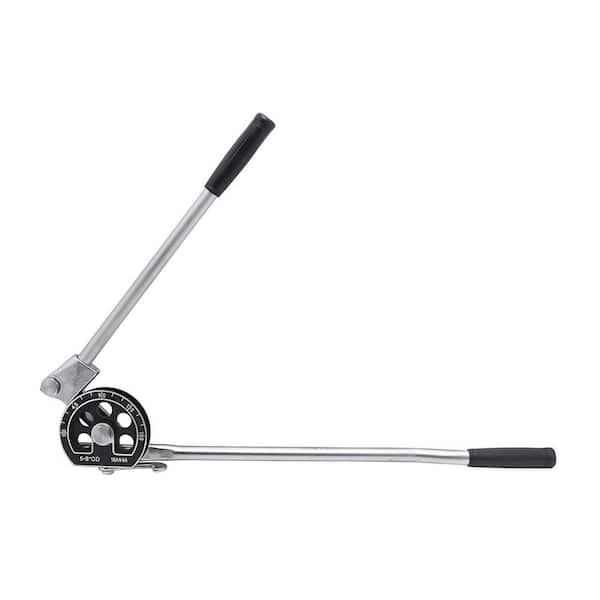
- Hand Bender - designed for bending pipes and rods
- Metal File - smooths rough edges after bending
Power Tools And Equipment
Power tools help bend thicker or harder steel faster. They reduce manual effort and improve accuracy.
These machines are useful for bigger projects or when you need consistent bends along steel bars or sheets.
- Angle Grinder - cuts and shapes steel before bending
- Hydraulic Pipe Bender - bends pipes with hydraulic power
- Electric Sheet Metal Brake - bends sheet metal evenly
- Power Hammer - shapes metal using rapid hammering
- Drill with Bending Attachment - helps twist rods or wires
Safety Gear Essentials
Safety gear protects you from sharp edges, flying sparks, and heavy objects. Always wear safety gear when bending steel.
This gear reduces injuries and keeps you comfortable during work. Do not skip any safety item.
- Safety Glasses - protect eyes from sparks and debris
- Work Gloves - protect hands from cuts and heat
- Ear Protection - guards hearing from loud power tools
- Long Sleeve Shirt and Pants - protect skin from sparks
- Steel-Toe Boots - protect feet from heavy falling objects
Preparing Steel For Bending
Bending steel at home requires careful preparation. Proper steps help avoid mistakes and ensure smooth bends.
Start by choosing the right steel and measuring carefully. Use heating to make bending easier if needed.
Choosing The Right Steel Type
Steel comes in many types. Some bend easier than others. Pick steel that fits your project and skill level.
Mild steel is a good choice for beginners. It is soft and bends without breaking easily. Avoid very hard steels that need special tools.
- Mild steel: easy to bend, good for most projects
- Carbon steel: stronger, needs more force
- Stainless steel: rust-resistant, harder to bend
- Alloy steel: varies, check specifications
Measuring And Marking
Measure steel carefully before bending. Mark the bend lines clearly to guide your work.
Use a ruler or tape measure for accuracy. Mark lines with a pencil or chalk that can be seen on the steel surface.
- Measure twice to avoid mistakes
- Mark the exact bend point clearly
- Use straight edges to draw lines
- Double-check all measurements before bending
Heating Methods For Easier Bends
Heating steel makes it softer and easier to bend. Use safe heating methods to warm the steel at the bend point.
Heat the steel evenly, but avoid overheating. Keep fire or heat sources controlled and use protective gloves.
- Use a propane torch for small steel pieces
- Heat the bend area until it glows red
- Wear gloves and eye protection
- Cool steel slowly after bending to avoid cracks
Simple Hand Bending Techniques
Bending steel at home is easier than you think. You only need a few tools and some practice.
These simple hand bending methods work well for small projects. They use common tools you can find in most workshops.
Using A Vice And Hammer
Clamp the steel bar firmly in a vice at the point where you want to bend it. Use a hammer to gently tap the free end down or up to create the bend.
- Secure steel tightly in the vice to avoid slipping.
- Tap lightly at first to avoid cracking the metal.
- Use a soft-faced hammer to prevent damage.
- Check the angle often to avoid overbending.
Bending With A Pipe Or Bar
Place the steel inside or over a sturdy pipe or bar. Use your hands or a wrench to bend the steel around it for a smooth curve or angle.
| Tool | Use | Benefit |
| Pipe | Wrap steel around it | Creates smooth curves |
| Bar | Bend steel over it | Gives firm angles |
| Wrench | Apply leverage | Makes bending easier |
Forming Curves By Hand
For thin steel, you can bend it by hand. Use gloves for safety. Slowly shape the metal by pushing and pulling it to form gentle curves.
Tips for hand bending thin steel:
- Warm the metal slightly if needed to soften it.
- Work slowly to avoid kinks or cracks.
- Wear gloves to protect your hands.
- Use a round object to guide the curve.
Heat Bending Methods At Home
Bending steel at home can be done with heat to make it easier. Heating softens the metal, allowing you to bend it safely.
Using the right tools and safety steps is important. This guide explains two common heat methods and safety tips.
Using A Propane Torch
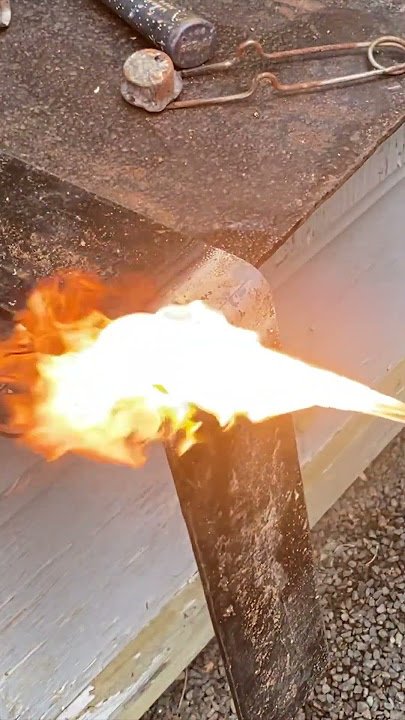
A propane torch is a simple tool for heating steel. It heats the metal quickly and evenly, which helps in bending.
Hold the torch flame close to the steel where you want to bend. Heat the spot until it glows red or orange.
- Use a stand or clamp to hold the steel steady.
- Move the torch slowly to avoid overheating one spot.
- Heat the metal evenly for a clean bend.
Applying Heat With A Blowtorch
A blowtorch gives a hotter and more focused flame than a propane torch. It works well for thick steel pieces.
Keep the blowtorch flame steady on the bending area. Heat until the steel is hot enough to bend without cracking.
- Wear heat-resistant gloves to protect your hands.
- Keep the flame moving to heat evenly.
- Use pliers or a bending tool to shape the steel.
Safety Tips For Heat Bending
Heat bending steel can be dangerous if safety rules are ignored. Always protect yourself and your work area.
Wear safety goggles, gloves, and long sleeves to avoid burns. Work in a well-ventilated area free of flammable materials.
- Keep a fire extinguisher nearby.
- Use clamps to hold steel firmly.
- Let steel cool naturally before touching.
- Never leave the torch unattended while on.
Bending Steel With Power Tools
Bending steel at home is possible with the right power tools. These tools help shape steel safely and quickly.
Using power tools reduces the effort needed to bend steel. It is important to follow safety rules during the process.
Using A Bench Grinder
A bench grinder can help bend steel by heating and shaping it. The grinder spins a wheel that heats the steel edges.
After heating, use pliers or a clamp to bend the steel. Move slowly to avoid cracking or breaking the metal.
- Wear safety goggles and gloves.
- Hold the steel firmly against the grinding wheel.
- Heat the steel evenly for a smooth bend.
- Bend the steel while it is hot for best results.
Leveraging A Hydraulic Jack
A hydraulic jack provides strong force to bend thick steel pieces. Place the steel on a solid base before using the jack.
Slowly pump the jack to push the steel into the desired shape. Use a bending form or pipe as a guide for even curves.
- Secure the steel on a firm surface.
- Position the jack under the bending point.
- Pump the jack steadily to bend the steel.
- Release pressure slowly to keep control.
Employing An Angle Grinder
An angle grinder cuts grooves into the steel to help it bend easily. This reduces the metal’s thickness at the bend line.
After cutting, use clamps or a vice to bend the steel along the groove. Be careful not to cut too deep.
- Mark the bend line clearly on the steel.
- Use the angle grinder to cut shallow grooves.
- Clamp the steel to hold it steady.
- Bend gently along the groove for a clean curve.
Credit: www.homedepot.com
Finishing Touches After Bending
Bending steel at home requires careful finishing touches. These steps ensure durability and safety. Properly finishing the steel prevents rust and sharp edges.
Let's explore how to remove scale, smooth surfaces, and apply protective coatings. These steps will keep your steel looking great and lasting longer.
Removing Scale And Rust
After bending steel, you might notice some scale or rust. It's important to remove these for a clean finish. Use a wire brush or sandpaper for this task.
Scrubbing the steel removes unwanted layers. This prepares the surface for further treatment. Always wear gloves to protect your hands while doing this.
- Use a wire brush for thick scale
- Sandpaper works well for light rust
- Rinse and dry the steel after cleaning
Smoothing Edges And Surfaces
Smooth edges are important to avoid cuts. Files and grinders help achieve this. Smooth surfaces also look more professional and finished.
Begin with a coarse file or grinder. Finish with a fine grit for a polished look. Patience and precision are key in this step.
Applying Protective Coatings
Protective coatings prevent future rust and damage. Paints and oils are common choices. They seal the steel and provide a barrier against moisture.
Choose a coating based on the environment. Indoor projects might need a simple paint. Outdoor steel benefits from a more robust coating.
- Apply primer before painting
- Use rust-proof paint for outdoor steel
- Oil coatings work well for machine parts
Common Mistakes To Avoid
Bending steel at home can be tricky. Avoid common mistakes for better results. Learn how to bend steel safely and effectively.
Understanding these common errors can save you time and prevent accidents. Here are key points to keep in mind.
Overheating Steel
Heating steel is necessary for bending. But overheating can weaken it. This can lead to cracks or breaks.
- Use a temperature gauge to monitor heat.
- Apply heat evenly to avoid weak spots.
- Never leave steel unattended while heating.
Incorrect Measurements
Measurements must be precise. Incorrect measurements can lead to wasted materials. Double-check your numbers before cutting or bending.
| Tool | Purpose |
| Tape Measure | For accurate length |
| Calipers | For precise thickness |
| Square Ruler | For right angles |
Ignoring Safety Precautions
Safety is crucial when bending steel. Ignoring safety can result in injuries. Always follow guidelines to protect yourself.
Ensure you wear protective gear:
- Safety goggles for eye protection
- Heat-resistant gloves to prevent burns
- Steel-toed boots for foot safety
Creative Projects Using Bent Steel
Bending steel at home lets you make unique and useful items. Bent steel adds strength and style to many projects.
You can create garden art, furniture, and even repair tools. Each project shows how flexible steel can be.
Garden Art And Decorations
Bent steel shapes add beauty to your garden. You can make plant supports, trellises, or sculptures.
Steel bends keep decorations strong against weather. They last longer than wood or plastic.
- Curved plant stakes for climbing flowers
- Steel hoops to protect young trees
- Decorative shapes like spirals or circles
- Frames for hanging flower baskets
Furniture And Fixtures
Bent steel can create stylish furniture parts. Use it for chair legs, table frames, or shelves.
Steel frames hold weight well and look modern. They fit indoor and outdoor furniture designs.
- Curved legs for tables and chairs
- Rounded shelf brackets for wall mounts
- Steel frames for benches or stools
- Decorative rails for headboards
Diy Tools And Repairs
Bent steel helps fix broken tools or make new ones. It can shape clamps, hooks, or handles.
Steel bends add strength to repair parts. You can make custom tools that fit your needs.
- Hooked ends for hanging tools
- Custom clamps for holding parts together
- Handles shaped for better grip
- Braces to support weak joints
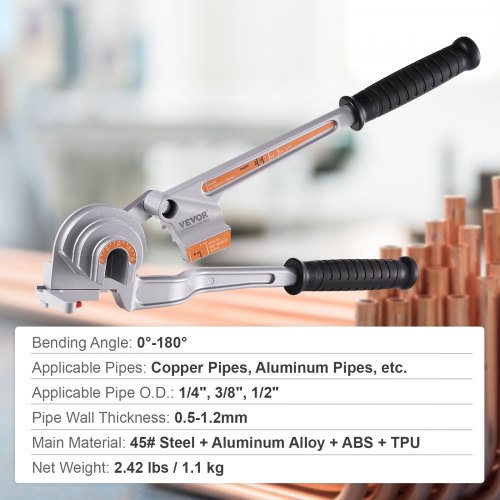
Credit: www.vevor.ca
Frequently Asked Questions
How Can I Safely Bend Steel At Home?
Use proper safety gear like gloves and goggles. Heat the steel with a torch for easier bending. Use a sturdy surface and a bending tool or vise for control.
What Tools Do I Need To Bend Steel At Home?
Essential tools include a propane torch, gloves, safety glasses, a vise or clamp, and a hammer. These help heat, secure, and shape the steel effectively.
Can I Bend Steel Without Heating It?
Small steel pieces can sometimes be bent cold using a strong vise and hammer. However, heating makes bending easier and reduces the risk of cracking.
What Types Of Steel Are Easiest To Bend?
Mild steel is the easiest to bend due to its low carbon content. Avoid hardened or stainless steel as they require more heat and effort.
Conclusion
Bending steel at home is possible with the right tools and care. Start slow and follow safety steps to avoid injury. Practice helps you get better and more confident. Remember, patience makes the process easier and results neater. Always check your work and adjust as needed.
With time, bending steel becomes a useful skill for many projects. Keep learning and stay safe while working. You can create strong, shaped steel pieces right in your own space.