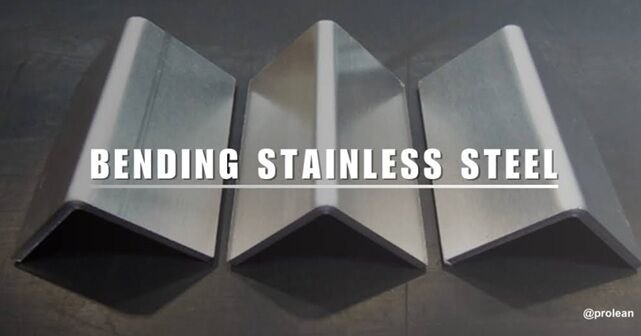
Have you ever needed to bend a stainless steel sheet but thought it was too difficult to do at home? You’re not alone.
Bending stainless steel may seem like a job for professionals with expensive tools, but with the right approach, you can achieve great results yourself. Imagine saving time and money by handling this task on your own, using simple techniques and common household items.
You’ll discover easy steps that make bending stainless steel sheets straightforward and stress-free. Ready to turn a tough project into an easy win? Keep reading—you’re about to learn how to bend stainless steel sheet at home like a pro.
Credit: xometry.pro
Tools Needed
Bending stainless steel sheet at home requires some basic tools. These tools help you bend the metal safely and accurately.
Knowing which tools to use makes the job easier. You can choose hand tools or power tools depending on your needs.
Essential Hand Tools
Hand tools are important for bending stainless steel sheets. They are simple to use and cost less.
- Clamps to hold the sheet firmly
- Metal ruler or straight edge for marking
- Marker or scribe to draw bend lines
- Hammer or mallet for shaping
- Bench vise to secure the sheet
- File to smooth sharp edges
Optional Power Tools
Power tools help speed up the bending process. They work well for thicker or larger sheets.
- Angle grinder for cutting or trimming
- Power drill with metal bits for holes
- Electric metal shear for precise cuts
- Belt sander to smooth edges quickly
- Hydraulic press or bending brake for strong bends
Safety Gear
Safety gear protects you while working with metal. Always wear the right equipment.
- Safety glasses to protect your eyes
- Work gloves to protect your hands
- Long sleeves to avoid cuts and scratches
- Ear protection if using loud power tools
- Dust mask if grinding or sanding metal

Credit: ssalloy-steel.com
Preparing The Stainless Steel Sheet
Bending stainless steel sheets at home needs good preparation. The right setup helps to bend the metal safely and accurately.
Preparing the sheet includes measuring, cleaning, and arranging your workspace. These steps make the process easier and prevent damage.
Measuring And Marking
Measure the stainless steel sheet carefully before bending. Use a ruler or tape measure for exact dimensions.
Mark the bend line clearly with a fine-tip marker or scribe. This line guides your bend for better accuracy.
- Double-check measurements to avoid mistakes
- Use a straight edge to draw the bend line
- Mark both sides of the sheet if possible
Cleaning The Surface
Clean the steel sheet to remove dust, oil, and dirt. A clean surface helps you see marks and prevents slipping.
Use a soft cloth with mild soap and water. Wipe dry completely before starting to bend the sheet.
- Remove grease with rubbing alcohol if needed
- Do not use harsh chemicals that can damage steel
- Ensure the sheet is dry to avoid rust spots
Setting Up A Work Area
Choose a flat and stable surface for bending. This gives you good control and keeps the sheet steady.
Clear the area of clutter. Have tools like clamps, gloves, and safety glasses within reach.
- Use clamps to hold the sheet firmly
- Wear gloves to protect your hands
- Work in a well-lit space for better visibility
Bending Techniques
Bending stainless steel sheets at home requires the right techniques. Using proper methods helps you get clean and accurate bends.
This guide explains four common ways to bend stainless steel sheets safely and effectively.
Using A Clamping Method
Clamp the stainless steel sheet firmly to a flat surface. Use strong clamps to hold it in place.
Bend the sheet slowly by applying pressure on the free end. The clamp acts as a pivot point for the bend.
- Place the sheet on a sturdy table
- Clamp the sheet near the bend line
- Apply even pressure to bend the sheet
- Release clamps after bending
Applying Heat For Flexibility
Heat the stainless steel sheet to make bending easier. Use a propane torch or heat gun to warm the bend area.
Heat softens the metal, allowing it to bend without cracking. Cool the sheet slowly to keep its strength.
- Wear heat-resistant gloves and safety glasses
- Heat the bend area evenly
- Bend the sheet while warm
- Let the metal cool naturally
Leveraging A Bending Brake
A bending brake is a tool designed to bend sheet metal accurately. It clamps the metal and lets you lift the handle to bend.
Use a bending brake for straight and clean bends. It provides better control and reduces the chance of damage.
- Place the sheet in the brake clamp
- Align the bend line with the brake edge
- Lift the handle to bend the sheet
- Release the clamp to remove the sheet
Manual Bending With A Straight Edge
Use a straight edge like a metal ruler or wood strip to guide your bend. Mark the bend line clearly on the sheet.
Place the straight edge on the bend line and press the sheet down slowly. Use your hands or a rubber mallet for better control.
- Mark the bend line on the sheet
- Place a straight edge along the line
- Press or tap the sheet to bend
- Check the angle and adjust as needed
Tips For Precise Bends
Bending stainless steel sheet at home requires care and precision. You must prepare the metal and tools carefully.
Using the right methods helps you get clean and accurate bends without damage.
Scoring The Bend Line
Scoring the bend line makes the metal fold easier and more precise. Use a sharp tool to make a shallow cut along the bend mark.
- Clean the surface before scoring
- Mark the bend line with a ruler and marker
- Use a metal scribe or a sharp knife to score the line
- Score only one side of the sheet
- Keep the cut shallow to avoid weakening the metal
Controlling Bend Angles
Controlling the bend angle ensures the sheet bends exactly as needed. Use clamps and measuring tools to guide the bend.
| Tool | Purpose | How to Use |
| Protractor | Measure angle | Place on sheet edge after bending |
| Clamps | Hold sheet steady | Fix sheet on workbench before bending |
| Bending brake | Make straight bends | Align sheet and pull handle slowly |
Avoiding Cracks And Deformation
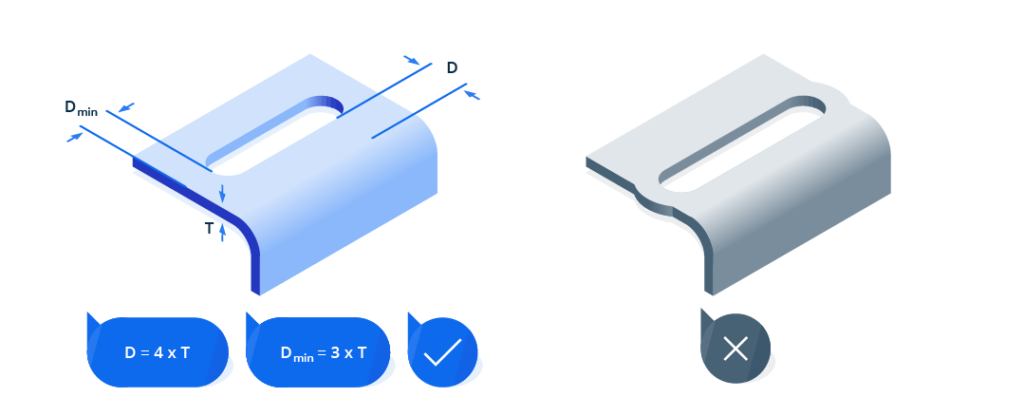
Stainless steel can crack or deform if bent too fast or without support. Use gentle pressure and proper techniques to avoid this.
- Heat the metal slightly if it is very thick
- Use a soft backing material to support the bend area
- Apply slow and even pressure during bending
- Do not bend the same spot multiple times
- Check for signs of stress like small cracks
Finishing Touches
Bending stainless steel sheets at home needs careful finishing. These steps help make your work safe and neat.
Finishing touches improve the look and protect the metal from damage.
Smoothing Edges
After bending, the edges of the stainless steel may be sharp or rough. Smoothing edges helps avoid cuts and gives a clean finish.
Use sandpaper or a metal file to gently smooth the edges. Move in one direction for a better surface.
- Start with coarse sandpaper (around 80 grit)
- Switch to finer sandpaper (220 grit) for smoothness
- Wear gloves to protect your hands
- Check edges often to avoid removing too much metal
Cleaning Residue
Bending can leave dust, oil, or small metal pieces on the sheet. Cleaning residue keeps the surface neat and ready for use.
Use a cloth with warm water and mild soap to wipe the sheet. Avoid harsh chemicals that may damage the metal.
- Wipe the surface with a soft cloth
- Use a brush for corners or tight spots
- Dry the sheet fully to stop water spots
Preventing Corrosion
Stainless steel resists rust but can corrode if left dirty or wet. Protect your work with simple care steps.
Apply a thin coat of oil or a special stainless steel protector to stop corrosion. Store the sheet in a dry place.
- Use mineral oil or light machine oil
- Apply oil with a clean cloth evenly
- Keep the metal away from moisture and chemicals
- Check the sheet regularly for any signs of rust
Common Mistakes To Avoid
Bending stainless steel sheets at home can be tricky. Mistakes are easy to make and can ruin your project. Avoid these common errors to ensure success.
Understanding the right technique is important. This helps you avoid damage and ensures safety.
Overbending
Overbending happens when you apply too much force. This can cause the steel to crack or warp. Measure twice to get the right angle.
Use a protractor or angle finder. This helps you bend accurately and avoid overbending.
- Check the bend angle often
- Use a guide to keep straight lines
- Avoid bending too fast
Ignoring Safety Precautions
Safety is important when bending steel. Ignoring safety rules can lead to injury. Always wear safety gear.
Gloves and goggles protect you from sharp edges and flying debris. Keep your workspace clean and organized.
- Wear gloves to protect your hands
- Use goggles to shield your eyes
- Keep work area clear of clutter
Using Incorrect Tools
Using the wrong tools makes bending harder. It can damage the steel and your tools. Choose the right tool for the job.
Hand tools are good for small projects. For larger pieces, use a bending brake or a vise.
| Tool | Use |
| Hand tools | Small bends |
| Bending brake | Large bends |
| Vise | Secure sheet |

Credit: xometry.pro
Frequently Asked Questions
How Do I Bend Stainless Steel Sheet Safely At Home?
Use protective gloves and eyewear. Secure the sheet firmly on a flat surface. Use a bending brake or pliers for small bends. Heat the sheet moderately if needed, but avoid overheating to prevent damage.
What Tools Are Best For Bending Stainless Steel Sheets?
Common tools include a bending brake, pliers, clamps, and a hammer. For thicker sheets, use a metal brake or pipe bender. Choose tools based on sheet thickness and bend precision required.
Can I Bend Stainless Steel Sheets Without Heating?
Yes, thin stainless steel sheets can be bent cold using proper tools. For thicker sheets, gentle heating may be necessary to avoid cracking or breaking. Always work slowly and carefully.
How Do I Avoid Cracking When Bending Stainless Steel?
Bend slowly and evenly. Use gradual pressure instead of sharp force. Preheat thicker sheets to reduce stress. Choose the right tool for your sheet thickness and type.
Conclusion
Bending stainless steel sheets at home is simple with the right steps. Use basic tools and follow safety tips carefully. Take your time to measure and mark before bending. Small bends work best for beginners to avoid mistakes. Practice makes the process easier and more accurate.
You can create useful projects without special machines. Enjoy the satisfaction of working with metal yourself. Keep learning and trying new techniques to improve. Bending stainless steel at home is both fun and practical.