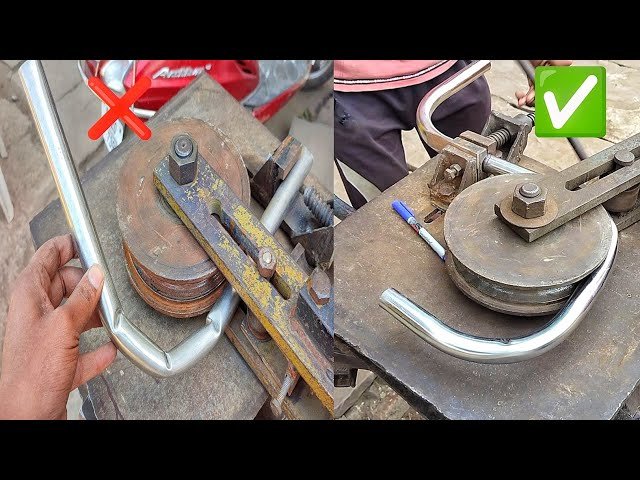
Are you looking to bend a stainless steel pipe right at home but don’t know where to start? Bending stainless steel might sound tricky, but with the right steps, you can do it yourself without expensive tools or professional help.
Imagine saving time and money while customizing your project exactly how you want. In this guide, you’ll discover simple, clear methods to bend stainless steel pipe safely and effectively. Keep reading, and by the end, you’ll feel confident handling this task like a pro.

Credit: www.bassettinc.com
Tools Needed
Bending stainless steel pipe at home requires specific tools to do the job well. Using the right tools helps you make clean and accurate bends.
Here are the main tools you need to prepare before starting your pipe bending project.
Pipe Bender Options
You can choose from several pipe benders depending on your needs and budget. Each type works best for certain pipe sizes and bending angles.
- Manual Pipe Bender:Uses leverage to bend pipes by hand. Good for small jobs and thin pipes.
- Hydraulic Pipe Bender:Uses fluid pressure for easier bending. Ideal for thicker and larger pipes.
- Electric Pipe Bender:Powered by electricity, offers precise bends quickly. Best for frequent use.
- Spring Bender:A simple tool that fits inside the pipe to prevent kinking during bending.
Safety Gear
Safety is important when bending stainless steel pipes. Protect yourself with the right gear to avoid injuries.
- Safety glasses to protect your eyes from metal shards or debris
- Heavy-duty gloves to prevent cuts and burns
- Long-sleeve shirt and pants to shield your skin from sparks or sharp edges
- Ear protection if using loud power tools
Measuring Tools
Accurate measurements make pipe bending easier and reduce mistakes. Use these tools to measure and mark your pipe correctly.
| Tool | Purpose |
|---|---|
| Tape Measure | Measures pipe length and bending points |
| Marker or Chalk | Marks where to bend the pipe |
| Protractor | Measures the angle of the bend |
| Square Ruler | Ensures straight and precise marking |
Choosing The Right Pipe
Bending stainless steel pipe at home needs the right pipe choice. The pipe must fit your project needs.
Pick a pipe that is easy to bend but strong enough for your use. Consider thickness, diameter, and material grade.
Pipe Thickness
Pipe thickness affects how easy it is to bend the pipe. Thin pipes bend more easily than thick ones.
Thicker pipes need more force and special tools to avoid damage. Choose a thickness that matches your tools.
- Thin pipes are easier to bend but less strong
- Thick pipes need stronger tools and more care
- Medium thickness is a good balance for most projects
Pipe Diameter
Pipe diameter is the distance across the pipe's open end. It affects bending difficulty and pipe use.
Small diameter pipes bend easier and need less space. Large diameter pipes are harder to bend but carry more fluid.
- Small diameter pipes bend with less force
- Large diameter pipes may need pipe benders or fillers
- Choose diameter based on your project size and tools
Material Grade
Stainless steel comes in different grades. Each grade has different strength and flexibility levels.
Some grades bend easier but may not resist corrosion well. Others are strong and rust-resistant but harder to bend.
| Grade | Flexibility | Corrosion Resistance |
|---|---|---|
| 304 | Good | High |
| 316 | Moderate | Very High |
| 409 | High | Low |
Preparing The Pipe
Bending a stainless steel pipe at home requires good preparation. The pipe must be clean and fixed well.
This helps you get a smooth bend without damage. Start by cleaning and marking the pipe, then secure it firmly.
Cleaning And Marking
Clean the pipe to remove dirt, oil, and rust. This stops damage and makes bending easier.
Use a cloth with mild detergent or rubbing alcohol. Dry the pipe fully before moving on.
Mark the spot where you want to bend. Use a permanent marker or tape to draw a clear line.
- Clean pipe surface with detergent or alcohol
- Dry pipe completely to avoid slipping
- Mark bending point clearly with marker or tape
Securing The Pipe
Hold the pipe firmly to keep it steady. Use a pipe vice or clamps on a workbench.
Make sure the pipe is tight but not crushed. This keeps the pipe safe and helps create a neat bend.
- Use pipe vice or strong clamps
- Tighten without deforming the pipe
- Check pipe is stable before bending
Bending Techniques
Bending stainless steel pipe at home can be done with different methods. Each technique suits various pipe sizes and tools you have.
Understanding these methods helps you choose the right way to bend pipes safely and accurately.
Using A Manual Pipe Bender
A manual pipe bender uses leverage to shape the pipe. It is simple and works well for small to medium pipes.
- Place the pipe into the bender’s form.
- Apply steady pressure on the handle.
- Check the bend angle frequently.
- Release slowly to avoid kinks.
Heat Bending Method
Heating the pipe softens the metal, making it easier to bend. This method works best for thick pipes.
| Step | Action |
| 1 | Use a propane torch to heat the pipe area. |
| 2 | Heat evenly until it glows dull red. |
| 3 | Bend the pipe carefully using gloves. |
| 4 | Let the pipe cool slowly to keep shape. |
Spring Or Sand Filling Method
This method prevents the pipe from collapsing inside during bending. You can use a spring or fill the pipe with sand.
To use this method:
- Insert a tight-fitting spring inside the pipe.
- Or fill the pipe fully with dry sand and seal ends.
- Bend the pipe slowly to the desired angle.
- Remove the spring or empty the sand after bending.
Avoiding Common Mistakes
Bending stainless steel pipe at home can be tricky. Mistakes are easy to make. With care, you can bend pipes smoothly. Learn how to avoid common issues.
Follow these tips to keep your bends neat and precise. This will help you save time and materials.
Preventing Wrinkles And Cracks
Wrinkles and cracks can ruin your pipe. They weaken the structure. Use a pipe bender with the right size for your pipe.
Avoid bending too fast. Slow and steady pressure works best. Heat the pipe gently if needed.
- Use a proper pipe bender
- Apply slow and steady pressure
- Consider gentle heating
Maintaining Consistent Angles
Consistent angles make your project look professional. Measure and mark your bending points carefully.
Check your angles with a protractor. Adjust your technique if needed. Practice makes perfect.
- Measure and mark precisely
- Use a protractor for accuracy
- Practice to improve skill
Finishing Touches
Once you have bent your stainless steel pipe, it is important to finish the job properly. This ensures safety and longevity of the pipe.
Finishing touches include smoothing the edges and checking for any leaks. These steps make sure your work is neat and reliable.
Smoothing Edges
After bending the pipe, you may find sharp edges. These edges can be dangerous if left untreated.
Use sandpaper to smooth these areas. This process helps to prevent injuries and gives the pipe a clean finish.
- Wear gloves to protect your hands.
- Rub sandpaper gently over sharp edges.
- Check with your fingers to ensure smoothness.
Checking For Leaks
After bending, it is crucial to check the pipe for leaks. Leaks can cause problems in the future.
Fill the pipe with water and observe if any leaks occur. Fixing leaks early prevents more work later.
- Seal any leaks with a strong adhesive.
- Repeat the check to confirm no leaks remain.
- Ensure the pipe is dry before use.
Project Ideas
Bending stainless steel pipe at home can open many creative and practical projects. You can enhance your living space or complete repair jobs with simple techniques.
Here are some project ideas divided into home plumbing, furniture, and decorative uses. Each offers ways to use bent stainless steel pipes effectively.
Home Plumbing
Bent stainless steel pipes work well in home plumbing for tight spaces and custom layouts. You can create durable water lines or adjust pipe routes easily.
- Shape pipes for under-sink water supply
- Create smooth bends to avoid leaks
- Fit pipes in small wall cavities
- Replace damaged sections with custom bends
Furniture Projects
Use bent stainless steel pipes to build modern furniture frames. They add strength and style to chairs, tables, and shelves.
| Furniture Type | Pipe Bend Use | Benefits |
| Chair Frame | Curved back support | Comfort and style |
| Table Legs | Angled bends for stability | Strong and sleek |
| Shelf Brackets | Rounded brackets | Secure support |
Decorative Uses
Bent stainless steel pipes can create eye-catching decorations. Curves and shapes add an industrial look to art pieces or garden features.
- Make custom metal sculptures
- Create curved plant trellises
- Design unique curtain rods
- Build modern lighting frames

Credit: www.sincosteel.com
Credit: www.sincosteel.com
Frequently Asked Questions
How Do I Bend Stainless Steel Pipe At Home Safely?
To bend stainless steel pipe safely at home, use a pipe bender or heat the pipe evenly. Always wear protective gear and work slowly to avoid kinks or cracks. Proper preparation and technique ensure smooth, precise bends.
What Tools Are Needed To Bend Stainless Steel Pipe?
You need a pipe bender, heat source like a propane torch, gloves, and safety goggles. These tools help you achieve accurate bends without damaging the pipe or risking injury during the process.
Can I Bend Stainless Steel Pipe Without A Pipe Bender?
Yes, but it’s harder. You can heat the pipe and bend it around a sturdy form. This method requires caution to avoid uneven bends or damage. A pipe bender is recommended for best results.
What Is The Best Way To Avoid Pipe Kinks While Bending?
Use a pipe bender or fill the pipe with sand before bending. Heating the pipe evenly and bending slowly also helps prevent kinks. These steps protect the pipe’s shape and structural integrity.
Conclusion
Bending stainless steel pipe at home is simple with the right tools. Take your time and follow steps carefully. Practice on scrap pieces before working on the final pipe. Always wear safety gear to protect yourself. Small mistakes can cause damage, so work slowly.
With patience, you can create smooth, clean bends yourself. This skill saves money and adds value to your projects. Try it today and see the results for yourself.