Are you looking to bend a 1/4 steel plate right at home but don’t know where to start? Bending thick steel might seem tough, but with the right steps and tools, you can do it yourself without expensive machines or professional help.
Imagine saving time and money by mastering this skill on your own. In this guide, you’ll discover easy-to-follow tips that make bending steel plates safer and more precise. Keep reading, and soon you’ll turn that stubborn steel into the exact shape you need.
Tools Needed
Bending a 1/4 inch steel plate at home needs the right tools. Using proper equipment makes the job easier and safer.
This guide explains the basic tools and safety gear you need before starting your project.
Basic Equipment
You need strong and stable equipment to bend steel plates. These tools help you apply force and hold the metal.
- Hydraulic or manual press brake for bending
- Heavy-duty clamps to hold the steel plate firmly
- Metalworking hammer for adjustments
- Measuring tape or ruler to mark bend lines
- Angle finder or protractor to check bend angles
- Workbench or sturdy surface for support
Safety Gear
Protecting yourself is important when working with steel. Safety gear keeps you safe from sharp edges and sparks.
- Safety glasses to protect your eyes
- Heavy-duty gloves to protect your hands
- Long-sleeve shirt and pants to guard your skin
- Steel-toe boots for foot protection
- Hearing protection if using noisy tools
Credit: hackaday.com
Preparing The Steel Plate
Bending a 1/4 steel plate at home requires careful preparation. You must measure and clean the steel properly before bending it.
Good preparation helps you get accurate bends and prevents damage to the steel. Here are the key steps to prepare your steel plate.
Measuring And Marking
Measure the steel plate carefully to know where to bend it. Use a tape measure and a straight edge to get exact lines.
- Place the steel plate on a flat surface.
- Use a tape measure to mark the bend line.
- Draw a clear line with a permanent marker or scribe.
- Double-check all measurements before bending.
Cleaning The Surface
Clean the steel plate surface to remove dirt, oil, and rust. This makes bending easier and safer.
| Cleaning Step | Tools Needed | Purpose |
| Remove dirt | Cloth, mild detergent | Clear dust and grease |
| Remove rust | Wire brush or sandpaper | Prevent weak spots |
| Dry surface | Clean towel | Prepare for bending |
Heating Methods
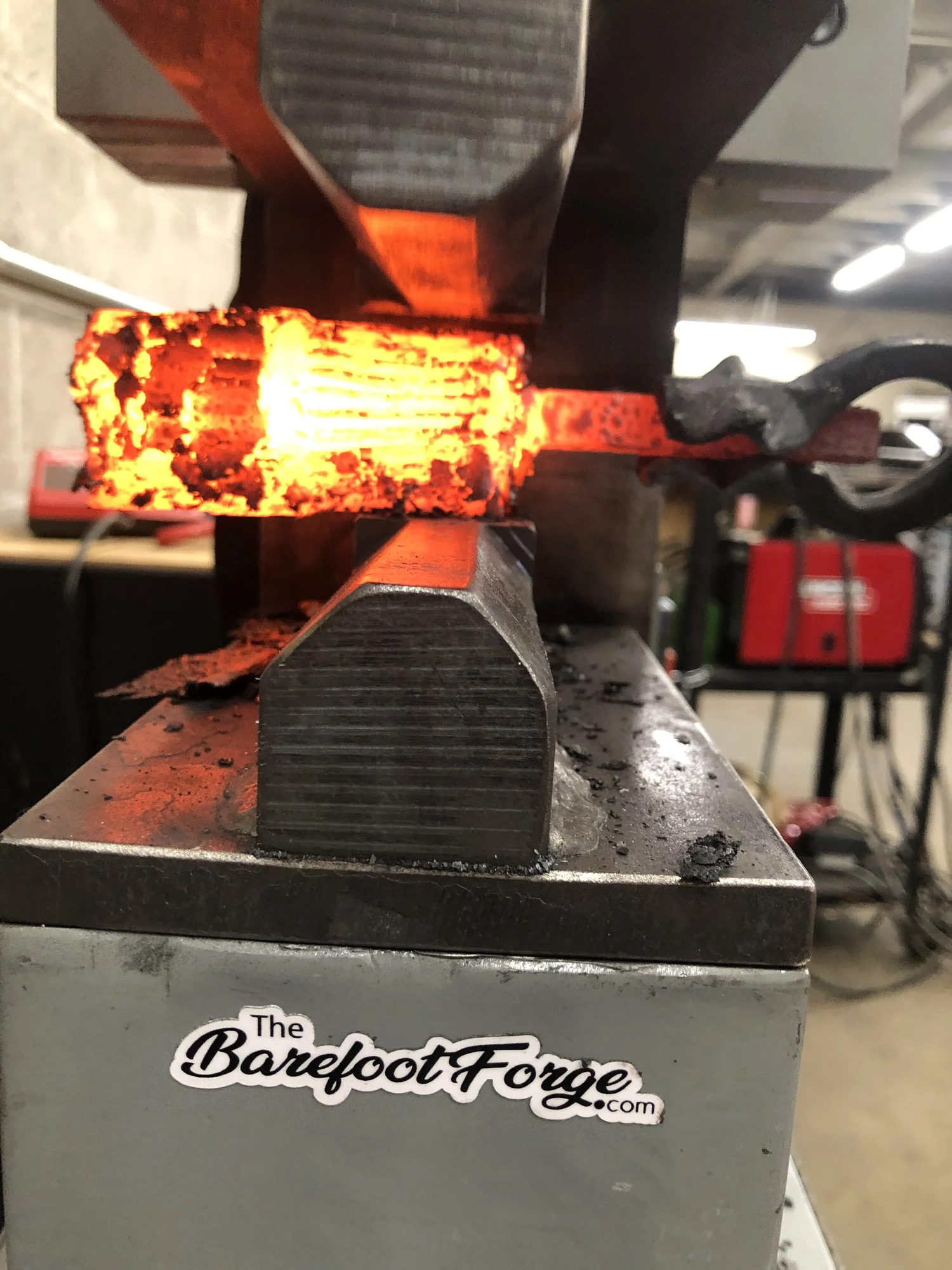
Bending a 1/4 steel plate at home requires heating to make the metal flexible. Proper heating softens the steel for easier shaping.
This guide explains common heating methods you can use safely and effectively.
Using A Propane Torch
A propane torch is a popular tool for heating steel plates. It produces a hot, focused flame ideal for metal work.
- Wear protective gloves and eye protection before starting.
- Hold the torch flame about 2 to 3 inches from the steel surface.
- Move the flame slowly along the area you want to bend.
- Heat the steel until it reaches a dull red color, indicating it is soft.
- Let the steel cool slightly before bending to avoid cracking.
Alternative Heating Options
If you do not have a propane torch, other heating methods can work well for bending steel.
| Heating Method | Description | Advantages |
| Electric Furnace | Heat steel evenly in a controlled oven. | Consistent temperature; safe indoors. |
| Charcoal Fire | Use a charcoal bed to heat steel directly. | Cost-effective; good for outdoor use. |
| Oxy-Acetylene Torch | Produces very high temperatures for thick steel. | Faster heating; suitable for heavy work. |
| Heat Gun | Best for thin metals, less effective for steel plate. | Easy to use; electric-powered. |
Bending Techniques
Bending a 1/4 steel plate at home requires the right tools and methods. You can bend steel using simple techniques without special machines. Safety and precision are key to good results.
This guide covers three practical bending techniques. Each method fits different situations and tool availability. Learn how to bend steel safely and accurately.
Manual Bending
Manual bending uses your hands and basic tools to shape the steel plate. It works best for small bends and thinner steel sheets.
- Heat the steel slightly to make it more flexible.
- Mark the bend line clearly before starting.
- Use gloves to protect your hands from sharp edges.
- Bend the plate slowly to avoid cracking.
- Apply steady pressure along the bend line.
Using A Vice And Hammer
This method uses a vice to hold the steel plate firmly. A hammer then shapes the metal by tapping along the bend line.
| Tool | Purpose |
| Vice | Secures the steel plate in place |
| Hammer | Applies force to bend the steel |
| Marker | Marks the bending line |
| Protective gloves | Protect hands from injury |
Clamp the plate in the vice on the bend mark. Use the hammer to tap gently, increasing force gradually. Check the bend angle often to avoid overbending.
Lever And Fulcrum Method
This technique uses a strong lever and a fulcrum point to bend the steel. It helps to bend thicker plates with less effort.
Follow these steps:
- Place the steel plate on a sturdy support acting as the fulcrum.
- Position the lever arm on the plate where you want to bend it.
- Push or pull the lever slowly to bend the plate around the fulcrum.
- Adjust the lever position for sharper or gentler bends.
- Wear safety gear to avoid injury from slipping tools.
Cooling And Finishing
Bending a 1/4 inch steel plate at home requires careful cooling and finishing. Proper cooling helps maintain the metal's strength. Finishing improves safety and appearance.
Understanding how to cool and finish the steel plate is key for a good result. This guide covers proper cooling and smoothing edges after bending.
Proper Cooling
After bending, the steel plate will be hot. Cooling it slowly prevents cracks and warping. Avoid cooling with water or air blasts right away.
- Let the steel plate cool on a flat, fire-resistant surface.
- Keep it away from cold drafts and moisture.
- Allow the plate to reach room temperature naturally.
- Check for any signs of stress or warping during cooling.
- If needed, use a heat lamp to warm uneven areas gently.
Smoothing Edges
Bending can leave rough or sharp edges on the steel plate. Smoothing these edges makes the plate safer to handle and better looking.
Use the following tools and methods to smooth edges:
| Tool | Purpose | Notes |
|---|---|---|
| Angle Grinder | Remove sharp burrs and rough spots | Use a flap disc for smoother finish |
| File | Hand-finish edges for precision | Good for small or detailed areas |
| Sandpaper | Polish edges and prepare for painting | Start coarse and move to fine grit |
Always wear gloves and eye protection when smoothing edges. Take your time to avoid injury and get a clean finish.

Credit: www.reddit.com
Common Mistakes To Avoid
Bending 1/4 steel plate at home is a challenging task. Many people make mistakes that can cause problems or even injuries.
Understanding these common errors can help you bend steel more safely and effectively.
Using The Wrong Tools
Using incorrect tools can make bending steel difficult. It is important to choose the right tools for the job.
- Use a proper bending brake for thick steel.
- Avoid using thin or weak hammers.
- Ensure clamps are strong enough to hold the steel.
Not Measuring Accurately
Accurate measurements are crucial when bending steel. Incorrect measurements can lead to wasted materials.
| Tool | Purpose |
| Tape Measure | Measure Length |
| Protractor | Check Angles |
| Ruler | Verify Straightness |
Neglecting Safety Precautions
Safety is important when working with steel. Neglecting safety can lead to accidents.
- Keep your workspace organized.
- Remove any tripping hazards.
- Ensure proper ventilation to avoid inhaling fumes.
Tips For Better Results
Bending a 1/4 inch steel plate at home can be challenging. With the right techniques, you can achieve excellent results.
Here are some helpful tips to ensure your steel bending project goes smoothly and efficiently.
Use The Right Tools
Having the correct tools makes bending steel easier and safer. Use a vise, clamps, and a sturdy workbench for the best outcomes.
- Vise grips for firm holding
- Clamps to secure the plate
- Workbench for stability
Apply Heat
Heat softens steel, making it easier to bend. Use a blowtorch to heat the area where you want to bend.
Ensure safety by wearing protective gloves and goggles when applying heat.
Check The Bend Angle
After bending, check the angle to ensure it meets your requirements. Adjust if necessary.
| Tool | Purpose |
| Protractor | Measure angles |
| Square ruler | Ensure straight lines |
Practice Safety
Safety is crucial when working with steel. Always follow safety guidelines to prevent accidents.
- Wear safety goggles
- Use gloves to protect your hands
- Keep a fire extinguisher nearby

Credit: xometry.pro
Frequently Asked Questions
How Can I Bend 1/4 Steel Plate At Home Safely?
Use proper safety gear like gloves and goggles. Heat the steel plate evenly with a torch. Use a sturdy clamp and a bending tool for precise bends. Work slowly to avoid cracks or breaks.
What Tools Do I Need To Bend 1/4 Steel Plate?
You need a heat source like a propane torch, a sturdy workbench, clamps, a bending brake or pipe, and safety equipment. These tools help heat, secure, and bend the steel accurately at home.
Can I Bend 1/4 Steel Plate Without Heating It?
Bending 1/4 steel plate cold is difficult and risks cracking. Heating softens the metal, making bending easier and safer. For best results, use heat to prevent damage and achieve a clean bend.
What Is The Best Method To Bend 1/4 Steel Plate?
Heating the steel plate with a torch, then bending it using a clamp and bending tool is best. This method ensures smooth, accurate bends without damaging the steel.
Conclusion
Bending a 1/4 steel plate at home is possible with the right tools. Use steady pressure and take your time. Always measure twice before bending to avoid mistakes. Safety gear protects you from sharp edges and sparks. Practice on small pieces before working on the main plate.
This simple process saves money and helps create strong metal parts. Keep your workspace clean and organized for better results. Enjoy the satisfaction of bending steel by yourself. Try these tips and see how easy it can be.