Is your large living room feeling empty or awkward? Arranging sofas in a big space can be tricky, but it doesn’t have to be.
You want your room to feel cozy, inviting, and balanced, not cold or overwhelming. Imagine walking into your living room and instantly feeling comfortable, ready to relax or entertain guests effortlessly. You’ll discover simple, practical tips to arrange your sofas perfectly, making your large room work for you.
Keep reading, and you’ll unlock easy ideas that transform your space into a stylish and welcoming haven.

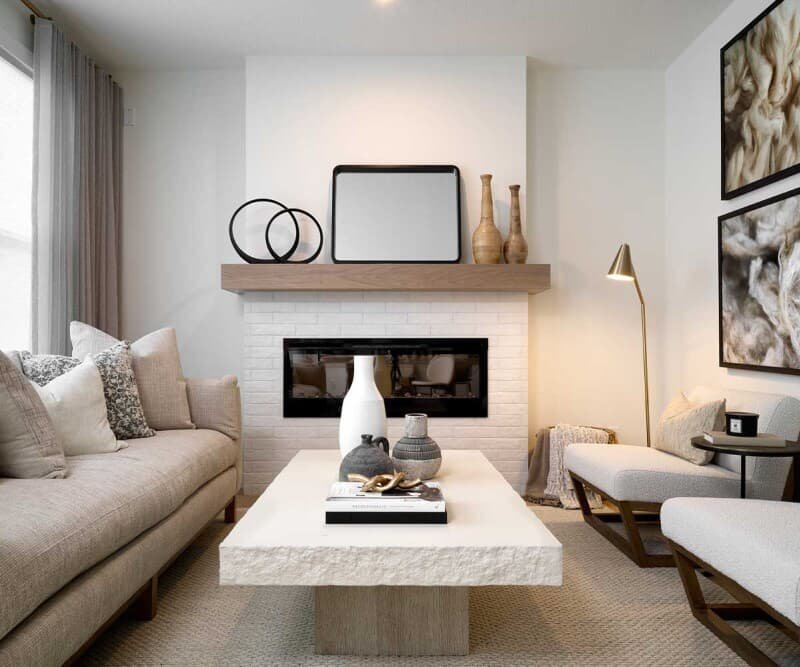
Credit: www.brookfieldresidential.com
Choosing Sofa Styles
Large living rooms offer many options for sofa placement. Picking the right sofa style helps fill space and match your room's look.
Think about how you use the room and how many people sit there. This will guide your sofa choice.
Sectional Sofas
Sectional sofas fit well in big rooms because they cover a lot of space. They usually have several connected parts.
You can arrange sectionals in L-shapes or U-shapes. This creates a cozy area for talking or watching TV.
- Good for seating many people
- Can divide a large room into zones
- Available in many fabrics and styles
Traditional Sofas
Traditional sofas have classic designs with arms and backs. They bring a formal and elegant feel to a room.
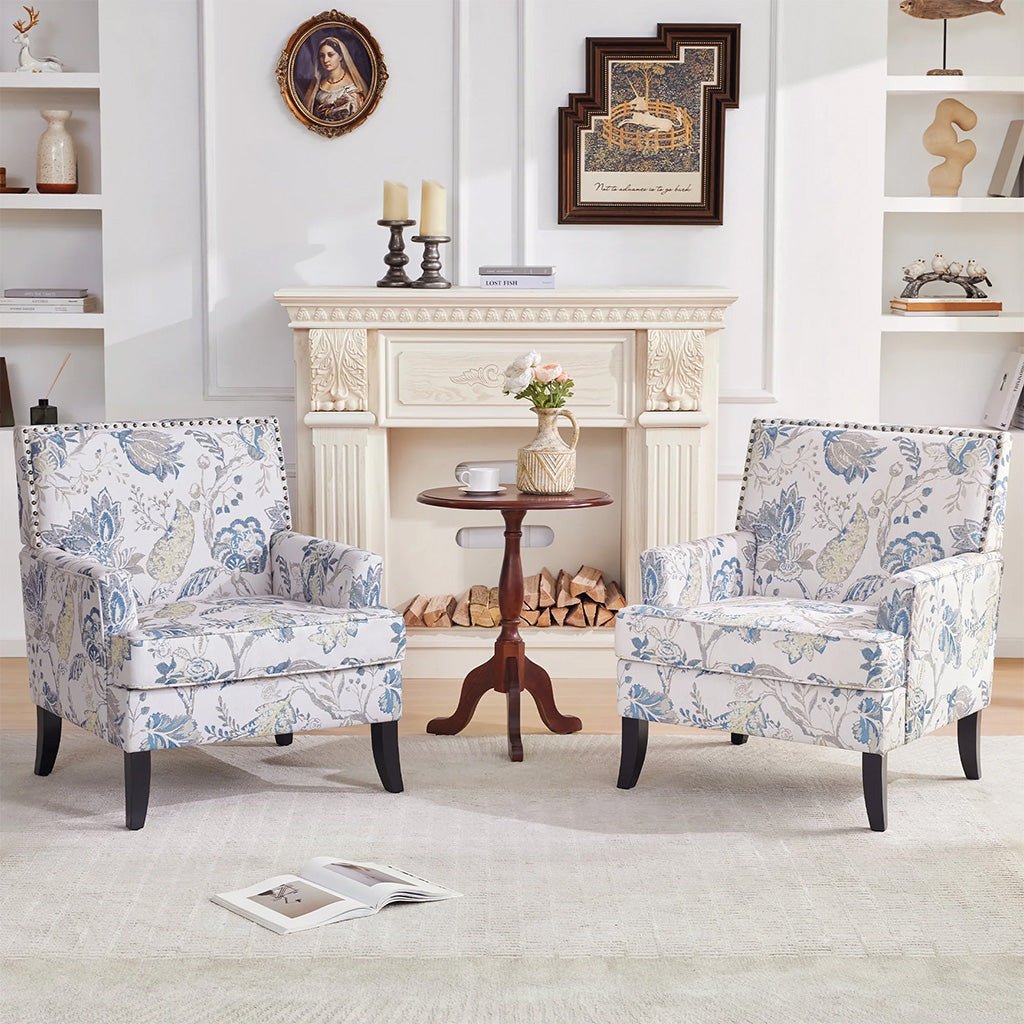
Place them facing a focal point like a fireplace or window. Use pairs of sofas or add armchairs for balance.
- Usually made with wood frames
- Offer firm and comfortable seating
- Work well in symmetrical layouts
Modular Sofas
Modular sofas have separate pieces that you can move around. This lets you change your layout often.
They fit large rooms well because you can spread them out or group them together. This style is very flexible.
- Easy to customize size and shape
- Great for changing room needs
- Can create open or closed seating areas
Measuring Your Space
Arranging sofas in a large living room starts with measuring your space. Knowing exact dimensions helps you place furniture comfortably.
Measure carefully to create a balanced and functional seating area. This guide covers key points to consider when measuring.
Room Dimensions
Start by measuring the length, width, and height of your living room. Note any doors, windows, or built-in features.
| Measurement | How to Measure |
| Length | Measure wall to wall along the longest side |
| Width | Measure wall to wall across the shortest side |
| Height | Measure from floor to ceiling |
| Door and Window Openings | Measure width and height of all openings |
| Obstructions | Note radiators, columns, or vents |
Traffic Flow
Plan sofa placement to keep paths clear for walking. Avoid blocking doorways or high-traffic zones.
- Allow at least 2 feet of walking space around sofas
- Keep clear routes to exits and other rooms
- Arrange sofas to guide natural movement through the space
- Consider how people enter and exit the room
Focal Points
Identify the room’s focal point before placing sofas. This could be a fireplace, TV, or large window.
Use this simple checklist to find your focal point:
- Look for architectural features like a fireplace or built-in shelves.
- Decide if you want sofas facing a television or entertainment center.
- Consider natural light from windows or views you want to highlight.
- Choose a spot where people can comfortably gather.
Creating Conversation Areas
Large living rooms offer many options to arrange sofas. You can create cozy spots for talking and relaxing.
Good sofa arrangements invite people to sit and chat comfortably. This makes the space feel warm and welcoming.
Sofa Groupings
Place sofas close to each other to form a group. Arrange them so people face each other for easy conversation.
You can use two sofas opposite one another or an L-shaped setup. Keep the space open but connected.
- Two sofas facing each other create a natural talk area
- An L-shaped sofa grouping works well in corners
- Leave enough space to walk around the sofas
Complementary Seating
Add chairs or ottomans near sofas to increase seats. These pieces should blend with the sofa style and size.
Place extra seating at angles to encourage conversation. This helps everyone feel part of the group.
- Use armchairs to balance the sofa arrangement
- Ottomans can serve as seats or footrests
- Small stools work well for casual seating
Coffee Table Placement
Put a coffee table in the center of the sofa group. This gives everyone a place to put drinks or books.
Choose a table size that fits the space without crowding. Make sure there is room to move around it.
- The table should be easy to reach from all seats
- Round tables help with flow and safety in big spaces
- Leave about 18 inches between sofas and the table
Balancing Scale And Proportion
Arranging sofas in a large living room needs care to keep balance. The size of sofas and the room must work well together. This helps the space feel comfortable and inviting.
Understanding scale and proportion guides you in choosing and placing sofas. This creates harmony and avoids a crowded or empty look.
Sofa Size Vs Room Size
Choose sofas that fit the room size. Large rooms need bigger sofas to fill the space. Small sofas can look lost in a big room.
| Sofa Size | Room Size | Effect |
|---|---|---|
| Large | Large | Balanced and cozy |
| Small | Large | Feels empty and sparse |
| Large | Small | Overcrowded and tight |
| Medium | Medium | Comfortable and proportional |
Mixing Large And Small Pieces
Mixing sofa sizes can add interest and balance. Use a large sofa with smaller chairs or loveseats. This breaks up the space and keeps it inviting.
- Place a large sofa as the main seating.
- Add smaller chairs nearby for variety.
- Use ottomans or benches to fill gaps.
- Keep space between pieces for flow.
Visual Weight
Visual weight means how heavy or light a sofa looks in the room. Dark colors and thick shapes feel heavier. Light colors and slim legs look lighter.
- Use light-colored sofas to open large rooms.
- Mix heavy and light pieces for interest.
- Avoid placing all heavy-looking sofas in one area.
- Include rugs and pillows to spread color weight.
Defining Zones
Large living rooms offer many ways to arrange sofas. Defining zones helps make the space useful and cozy.
Zones break the room into parts for different activities. Sofas help mark these areas clearly.
Multiple Seating Areas
Use sofas to create separate seating groups. Each group can have its own focus and style.
Arrange sofas to face each other or form a circle. This setup encourages conversation and comfort.
- Place rugs under each seating area
- Add a small table between sofas
- Use different sofa styles in each zone
Reading Nooks
Turn a corner of the room into a cozy reading nook. Use a small sofa or loveseat for comfort.
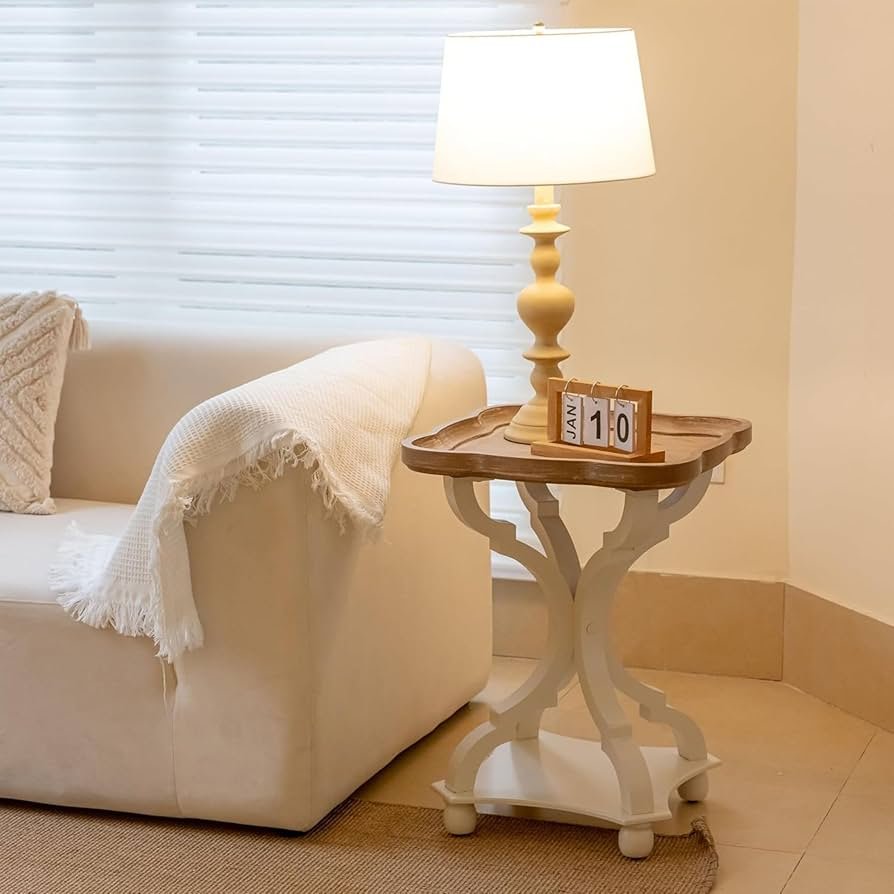
Add a floor lamp or side table for books and drinks. This makes the nook inviting and practical.
- Place the sofa near a window for natural light
- Use soft cushions and throws
- Keep the area quiet and free from distractions
Entertainment Sections
Set up a sofa zone focused on the TV or media center. This makes watching movies or shows fun.
Arrange sofas to face the screen directly. Leave space for walking and other furniture.
- Use sectional sofas for more seating
- Add side tables for snacks and drinks
- Keep cables and remotes organized
Optimizing Lighting
Arranging sofas in a large living room can be exciting. Lighting plays a crucial role in setting the right mood.
Proper lighting enhances the room's comfort and functionality. Let's explore how to optimize it.
Natural Light Sources
Natural light brings warmth and openness to your living room. Use it wisely by arranging sofas near windows.
Choose sheer curtains to allow maximum sunlight. This creates a bright and inviting space.
- Place sofas facing windows
- Use light-colored curtains
- Keep windows clean for clear light
Accent Lighting
Accent lighting highlights specific areas in your living room. It adds depth and interest to the space.
Position accent lights to create cozy corners. This enhances the room's overall ambiance.
- Use wall sconces behind sofas
- Install track lights on artwork
- Choose dimmable fixtures for flexibility
Floor And Table Lamps
Floor and table lamps provide versatile lighting options. They are perfect for reading or relaxing.
Place lamps beside sofas for easy access. This ensures you have the right light when needed.
- Select adjustable lamp heights
- Choose lampshades that diffuse light softly
- Match lamp designs with room decor
Incorporating Accessories
Arranging sofas in a large living room can be fun. Accessories help make the space cozy and stylish. They add personality and warmth to the room.
Using the right accessories can pull the whole look together. They create a welcoming atmosphere for family and friends.
Area Rugs
Area rugs define spaces in a large living room. They bring color and texture to the floor. Rugs can also make the room feel more inviting.
Pick a rug that complements your sofa and other furniture. The size of the rug should fit the seating area to unify the space.
- Choose soft textures for comfort
- Match colors to the room theme
- Ensure the rug is large enough for all furniture
Throw Pillows
Throw pillows add comfort and style to sofas. They are an easy way to introduce new colors and patterns. Mix and match sizes for a fun look.
Change pillows with the seasons for a fresh touch. This simple update can keep your living room looking current and lively.
- Use different textures for interest
- Balance colors with the sofa
- Vary shapes and sizes for variety
Artwork And Decor
Artwork and decor personalize your living room. They reflect your style and taste. Hang art at eye level for best viewing.
Decor items like vases and sculptures add depth. They can highlight the room's theme or color palette. Be selective to avoid clutter.
- Select art that speaks to you
- Use decor to highlight room colors
- Keep displays simple and focused

Credit: www.aol.com
Avoiding Common Mistakes
Large living rooms offer many options for arranging sofas. It is easy to make mistakes that reduce comfort and style. Avoiding these errors helps create a balanced and inviting space.
Here are common mistakes to watch for when arranging sofas in large rooms. Fixing these will improve your room’s look and feel.
Overcrowding
Placing too many sofas or furniture pieces makes the room feel tight. Overcrowding stops people from moving freely and creates a cluttered look. Large rooms need space to breathe.
Leave enough space between sofas and other furniture. This keeps the room open and comfortable for everyone.
- Keep at least 2-3 feet between sofas and tables
- Use fewer sofas to avoid crowding
- Choose sofas that fit the scale of your room
Ignoring Flow
Flow means how people move through the room. Ignoring flow causes awkward paths and blocks walkways. Sofas should be placed to allow easy movement.
Think about where doors and windows are. Arrange sofas to guide people naturally through the space.
- Leave clear pathways around seating areas
- Avoid blocking entry points with furniture
- Arrange sofas to face each other for conversation
Mismatched Styles
Using sofas with very different styles can make the room look unplanned. Large rooms need a sense of harmony. Choose sofas that share some design elements.
Matching fabric, color, or shape helps sofas work well together. This creates a balanced and pleasing look.
- Pick sofas in similar colors or tones
- Use consistent sofa shapes for a unified look
- Mix textures carefully to add interest without clashing
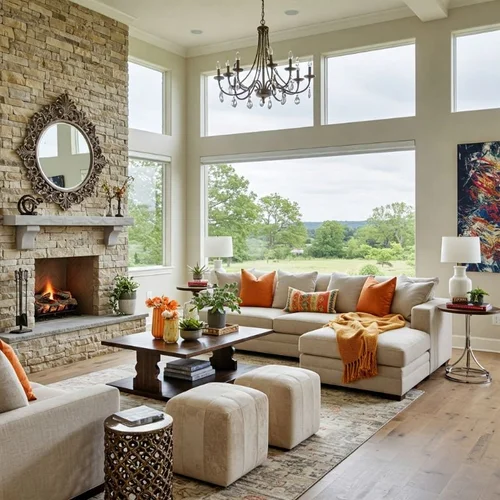
Credit: www.lorddecor.com
Frequently Asked Questions
How To Position Sofas In Large Living Rooms?
Position sofas to create conversation zones. Place them around a central coffee table. Use area rugs to define spaces. Avoid pushing sofas against walls to maintain openness and flow.
What Sofa Arrangement Suits An Open Large Living Room?
Use a sectional or multiple sofas to divide zones. Arrange seating to face focal points like a fireplace or TV. Ensure walkways remain clear and natural for easy movement.
How To Balance Sofa Layout With Other Furniture?
Keep proportional balance between sofas and other pieces. Use side tables and lamps to complement seating areas. Maintain clear pathways and avoid overcrowding the room.
Can I Mix Sofa Styles In A Large Living Room?
Yes, mixing styles adds character if colors and textures complement. Use coordinating cushions and throws to unify different sofa designs visually.
Conclusion
Arranging sofas in large living rooms can change the space’s feel. Choose layouts that create cozy areas and open pathways. Balance the room by spacing sofas well apart. Use rugs and tables to define each seating zone. Keep the design simple and functional for easy movement.
With careful planning, your large living room will feel welcoming and stylish. Try different setups until the room feels just right. Enjoy the comfort and beauty your new sofa arrangement brings.