Your living room is more than just a space—it’s where you relax, entertain, and create memories. But have you ever felt unsure about how to arrange your sofas to make the room both cozy and inviting?
The right sofa placement can transform your living room, making it feel larger, more comfortable, and perfectly suited to your lifestyle. You’ll discover simple yet powerful tips to arrange your sofas in a way that maximizes space, encourages conversation, and highlights your room’s best features.
Keep reading, and you’ll soon have a living room setup that feels just right for you and everyone who visits.

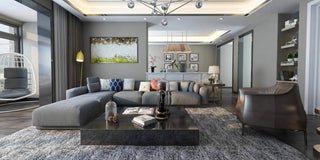
Credit: livom.de
Choosing The Right Sofa
Picking the right sofa is key to arranging your living room well. The sofa sets the tone and comfort level.
Think about style, size, and material before making your choice. This helps the sofa fit your space and needs.
Types Of Sofas
Sofas come in many styles to match different rooms. Choose one that fits your room’s look and feel.
- Sectional sofas offer plenty of seating for families.
- Loveseats are smaller and fit cozy spaces.
- Chesterfield sofas bring a classic, elegant look.
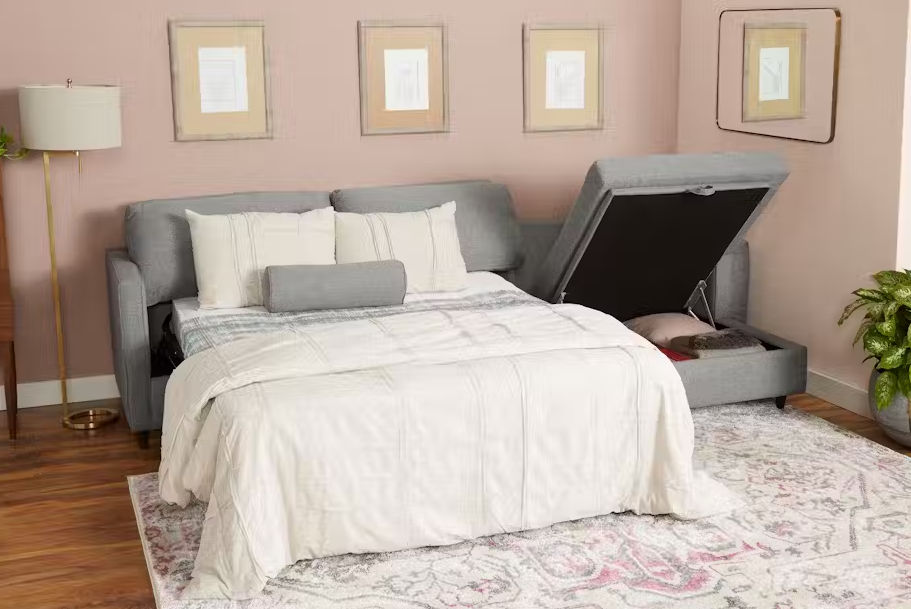
- Sleeper sofas add a bed option for guests.
- Mid-century modern sofas have a clean, simple style.
Size And Scale
Measure your room before buying a sofa. The sofa should fit without crowding the space.
Choose a sofa that matches your room’s size. Large sofas suit big rooms; small sofas work in small rooms.
- Allow space for walking around the sofa.
- Keep balance with other furniture sizes.
- Check sofa height to fit your room’s ceiling.
Material And Color
Pick a sofa material that matches your lifestyle. Durable fabrics work well for families with kids or pets.
Choose colors that fit your room’s palette. Neutral colors are safe and flexible. Bold colors add a fun touch.
- Leather is easy to clean but can be cold.
- Cotton and linen feel soft but stain easily.
- Microfiber resists stains and is budget-friendly.
- Dark colors hide dirt; light colors brighten rooms.
Assessing Your Living Room Space
Arranging sofas in your living room starts with understanding the space. You need to know the size and shape of the room. This helps you pick the right sofa layout.
Next, look for key spots in the room. These are places where people naturally focus. Finally, think about how people will move around the sofas. Good flow keeps the room comfortable and safe.
Measuring Dimensions
Measure the length and width of your living room. Write down the exact numbers. Also, measure doors, windows, and any built-in furniture. This helps avoid placing sofas in tight spots.
| Room Feature | Measurement |
|---|---|
| Room Length | ______ feet |
| Room Width | ______ feet |
| Door Width | ______ feet |
| Window Width | ______ feet |
| Built-in Furniture Space | ______ feet |
Identifying Focal Points
Find the main focal point in your living room. It can be a fireplace, a TV, or a large window. Sofas should face or surround this spot to create a cozy area.
- Fireplace for warmth and comfort
- Television for entertainment
- Window with a nice view
- Artwork or large mirror
- Built-in shelves or cabinets
Traffic Flow Considerations
Plan sofa placement to keep pathways clear. People should walk easily without bumping into furniture. Leave at least 2 feet for walking space around sofas.
- Mark main walking paths in the room
- Place sofas away from doors and windows
- Avoid blocking entrances or exits
- Keep space between sofas and coffee tables
- Check that movement feels natural and free
Popular Sofa Layouts
Choosing the right sofa layout can change how your living room feels. It helps make the space cozy and inviting.
Here are some popular sofa arrangements that work well in many homes.
Symmetrical Arrangement
This layout uses two sofas or a sofa and chairs that mirror each other. It creates balance and order in the room.
Symmetry works well in formal living rooms or spaces where you want a neat look.
- Place sofas facing each other
- Use a coffee table in the middle
- Add matching side tables and lamps
L-shaped Setup
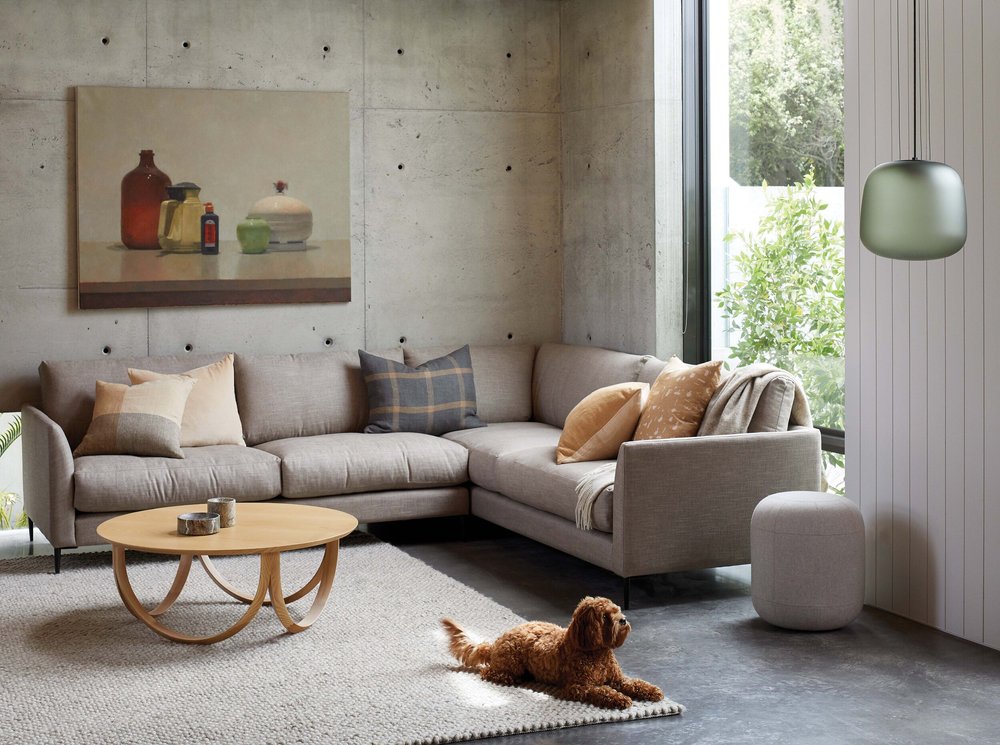
The L-shape uses two sofas or a sectional sofa set at a right angle. It fits well in corners or open floor plans.
This layout helps define the seating area and saves space in small rooms.
- Put the longer sofa along the main wall
- Place the shorter sofa perpendicular to it
- Add a corner table for extra surface
Floating Sofa Placement
Floating sofas are placed away from walls in the center of the room. This creates an open and airy feel.
This style works well in large rooms or open-concept spaces where you want to create zones.
- Use a rug to anchor the sofa
- Place a coffee table in front
- Add chairs or ottomans to complete the area
:max_bytes(150000):strip_icc()/CarinaSkrobeckiPhoto_JessicaNelsonDesign_252222ndAve_01-47bc103d13e34f8d89179a86e968e7eb-5b0a8608f5c64a999203309e3fd0af57.jpg)
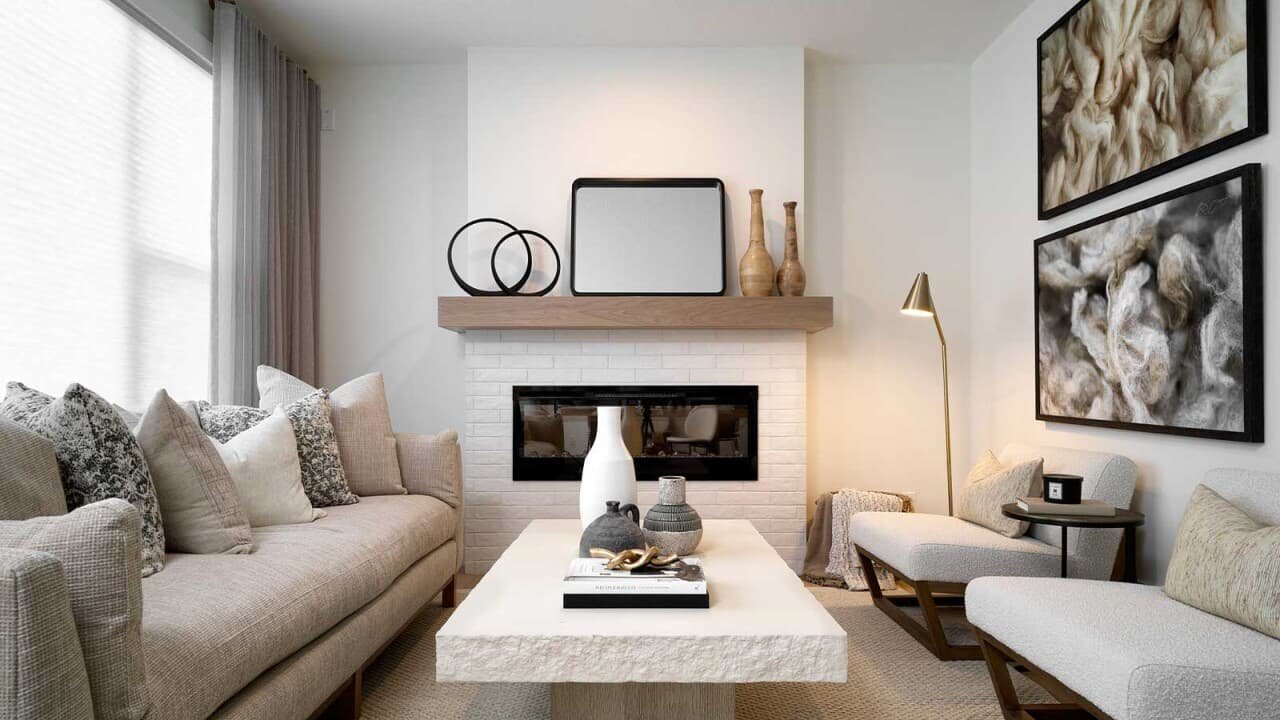
Credit: www.thespruce.com
Optimizing Comfort And Functionality
Arranging sofas in your living room can change how you use the space. Good placement makes the room comfy and useful.
Think about how many people will sit and how the room flows. This helps create a warm and practical area.
Seating Capacity Planning
Count how many people need seats in the living room. Choose sofas that fit this number without crowding the space.
Leave enough space between sofas for easy movement. Avoid placing all seats in a straight line.
- Measure your room before buying sofas
- Pick sofas that fit your family size
- Allow at least 2 feet between sofas
- Mix sofa sizes to add flexibility
Incorporating Side Tables And Lighting
Side tables near sofas hold drinks and books. They add convenience and keep the space tidy.
Good lighting makes the room feel inviting. Use lamps or wall lights to brighten seating areas.
- Place side tables within arm's reach
- Choose tables that match sofa height
- Use warm lights for a cozy feel
- Consider adjustable lamps for reading
Creating Conversation Zones
Arrange sofas so people face each other. This setup helps with easy talking and eye contact.
Use rugs or coffee tables to define the conversation space. Keep the area open for comfort.
- Place sofas at right angles or opposite
- Keep space open in the middle
- Add a central coffee table for shared use
- Use rugs to mark the seating zone
Using Rugs And Accessories
Rugs and accessories can help you arrange sofas in your living room. They create cozy and stylish areas for sitting and relaxing.
With the right choices, you can make your space feel balanced and inviting. Rugs and accessories add color, texture, and warmth.
Defining Sofa Areas
Use rugs to mark where your sofa area starts and ends. A rug can anchor the seating space and make it clear.
Place a rug under the sofa legs or just in front of it. This helps separate the sofa area from the rest of the room.
- Pick a rug size that fits under the sofa and coffee table
- Choose a rug shape that matches your sofa layout
- Use accessories like cushions to highlight the sofa area
Adding Visual Interest
Add accessories like throw pillows and blankets to your sofas. These items bring color and style to the seating area.
Use different sizes and shapes for cushions to create layers and depth. This makes the sofa look more inviting.
- Mix solid and patterned pillows
- Use throws with different textures
- Add small side tables with decorative items
Balancing Patterns And Textures
Balance patterns on rugs and pillows to avoid a busy look. Use one or two patterns and keep others simple.
Mix soft and rough textures to add interest. For example, pair a smooth sofa fabric with a fluffy rug or knitted throw.
- Choose one bold pattern for the rug or pillows
- Use solid colors to balance the patterns
- Combine smooth and textured fabrics for contrast
Adjusting For Room Shape
Arranging sofas in your living room depends on the room's shape. Consider the space to create a cozy and functional area. Different layouts work better with different room types.
Think about how to utilize your room's shape to make it inviting and comfortable. Here are some tips for various room shapes.
Arranging In Small Spaces
Small spaces need careful planning to avoid clutter. Use compact furniture to maximize the area. Choose multi-functional pieces to save space.
- Opt for a loveseat instead of a full-size sofa
- Consider floating shelves for storage
- Use mirrors to make the room appear larger
Layouts For Open-plan Rooms
Open-plan rooms offer flexibility. Define different areas within the space. Arrange sofas to create distinct zones for seating and activities.
Avoid blocking pathways by ensuring clear walkways.
Place sofas back-to-back to form separate sections.
Dealing With Odd Shapes
Odd-shaped rooms can be challenging. Embrace the quirks and use them to your advantage. Consider creative layouts to fit the space.
| Room Shape | Layout Tip |
| L-Shaped | Use sectional sofas to fill corners |
| Long and Narrow | Place sofas along the longer wall |
| Irregular | Use smaller, modular pieces |
Maximizing Natural Light
Arranging sofas to enhance natural light can brighten your living room. Proper placement not only lights up the space but also creates a warm atmosphere.
Consider these techniques to make the most of the sunlight entering your room.
Positioning Near Windows
Place sofas close to windows to capture daylight. This setup makes the room feel airy and open.
| Window Type | Best Sofa Arrangement |
| Bay Window | Curved Sofa |
| Picture Window | Two-seater Sofa |
| Sliding Window | Sectional Sofa |
Avoiding Glare
Glare can be distracting and uncomfortable. Adjust sofa angles to minimize direct sunlight on screens.
- Use sheer curtains to diffuse sunlight
- Choose light-colored upholstery to reflect light
- Reposition lamps to reduce shadowing
Highlighting Views
Maximize beautiful outdoor scenes by orienting sofas towards the view. This enhances relaxation and enjoyment.
- Arrange seating to face gardens or landscapes
- Place sofas parallel to large windows for panoramic views
- Ensure clear pathways to avoid obstructing the view
Final Touches
After arranging your sofas, add final touches to make the space cozy. These details bring warmth and style to your living room.
Small accents can change the whole look and feel of your seating area. Focus on comfort, art, and room flow.
Adding Throw Pillows And Blankets
Throw pillows add comfort and color to your sofas. Choose pillows in different sizes and textures for variety.
Blankets give warmth and a relaxed look. Fold them neatly over sofa arms or backs for easy access.
- Mix solid and patterned pillows for interest
- Use soft blankets that match your room colors
- Keep throws within reach for chilly evenings
Incorporating Artwork
Artwork on walls adds personality and style near your sofas. Choose pieces that fit the room’s mood and colors.
Place art at eye level and near seating areas to create a focal point. This ties the room together visually.
- Use frames that match furniture or decor
- Group smaller pieces for a gallery look
- Choose calming or vibrant art based on your style
Maintaining Balance And Flow
Keep furniture balanced so the room feels open and inviting. Avoid crowding one side with too many items.
Leave clear paths for walking around sofas. A good flow makes your living room comfortable and easy to use.
- Space sofas evenly to avoid clutter
- Allow at least 2 feet of walking space
- Use rugs to define seating areas
Credit: www.styleyourspace.nz
Frequently Asked Questions
How Do I Choose The Best Sofa Layout For My Living Room?
Consider room size, shape, and traffic flow. Arrange sofas to create conversation zones and balance space. Use focal points like a fireplace or TV to guide placement. Avoid blocking pathways to keep the room functional and inviting.
What Is The Ideal Sofa Arrangement For Small Living Rooms?
Opt for a single sofa or loveseat paired with chairs. Use corner or sectional sofas to maximize seating. Keep furniture scaled to room size to avoid overcrowding. Leave open space for easy movement and a spacious feel.
How Can I Create A Cozy Sofa Setup In A Large Room?
Use multiple sofas facing each other or at right angles. Add area rugs to define seating zones. Incorporate coffee tables and side tables for convenience. Use lighting and accessories to make the space warm and inviting.
Should Sofas Face Each Other Or The Tv In Living Rooms?
Arrange sofas facing each other for social interaction and conversation. Position sofas toward the TV for entertainment focus. Choose based on your primary living room use—socializing or media viewing—to optimize comfort and functionality.
Conclusion
Arranging sofas shapes how your living room feels and works. Keep space open for easy walking. Group sofas to encourage talking and comfort. Use corners or walls to save space. Add small tables for drinks and lamps nearby. Light and color help create a cozy mood.
Try different layouts to find what fits best. Your living room should feel welcoming and neat. Simple changes can make a big difference. Enjoy creating a space where everyone loves to relax.