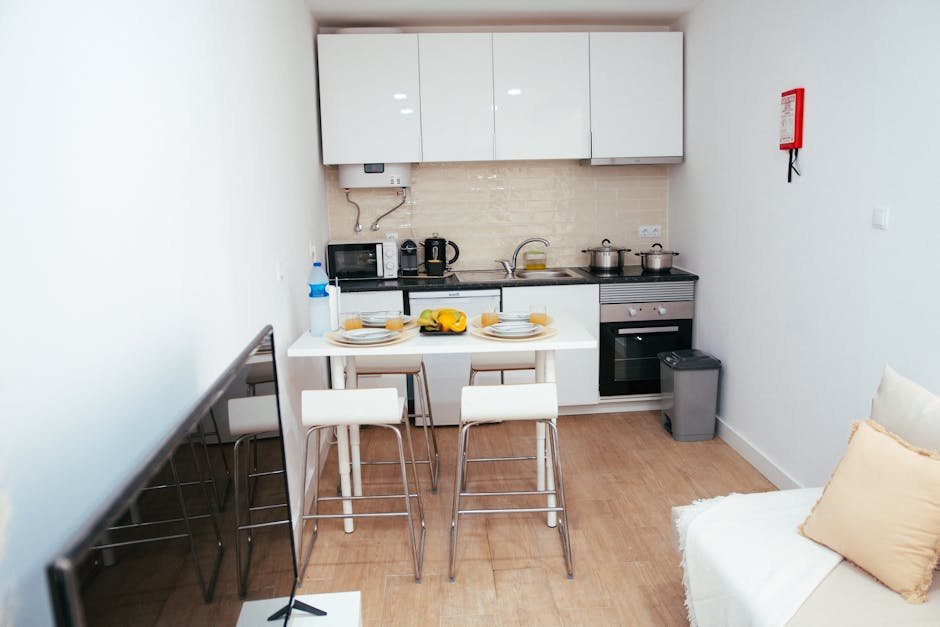
Struggling to fit your sofa into a small living room without making the space feel cramped? You’re not alone.
Arranging furniture in a tight space can be tricky, but with the right approach, your living room can look stylish, cozy, and open. Imagine walking into your room and feeling instantly relaxed because everything feels just right. You’ll discover simple, practical tips to arrange your sofa that maximize space and boost comfort.
Ready to transform your small living room into a welcoming haven? Keep reading—you’re about to unlock the secrets to smart sofa placement.

Credit: www.brookfieldresidential.com
Choosing The Right Sofa
Picking the right sofa is key for a small living room. It affects space and comfort.
A good sofa fits the room without making it feel crowded or empty.
Size And Scale Matters
Choose a sofa that matches your room size. Large sofas can overwhelm small spaces.
Measure your room before buying. Leave enough space to move around easily.
- Pick a sofa with a slim profile
- Avoid bulky arms and large cushions
- Consider armless or low-back designs
- Leave at least 2 feet of walking space
Style Options For Small Spaces
Choose styles that open up the room visually. Light colors make the space feel bigger.
Leggy sofas create airiness by showing floor space below the sofa.
- Pick sofas with exposed legs
- Use neutral or pastel colors
- Avoid heavy patterns or dark colors
- Try modular sofas to fit corners
Multi-functional Sofas
Multi-functional sofas save space and add value. They offer more than just seating.
Sofas with storage or that convert to beds work well in small living rooms.
- Sofas with built-in storage compartments
- Convertible sofa beds for guests
- Sectionals with movable pieces
- Foldable or stackable options

Credit: www.designcafe.com
Optimal Sofa Placement
Arranging a sofa in a small living room can be tricky. You want the space to feel open and comfortable.
Choosing the right sofa placement helps make the room look bigger. It also improves how you move around.
Against The Wall
Placing the sofa against the wall saves floor space. This layout opens the center of the room for easy movement.
This setup works well if the wall is long and free of windows or doors. It creates a clear focal point in the room.
- Maximizes walking space
- Makes the room feel larger
- Allows room for other furniture
Floating Sofa Layout
A floating sofa does not touch any walls. It sits in the middle of the room or away from walls.
This layout works well when you want to create separate zones in a room. It also makes the space feel cozy.
- Defines seating area clearly
- Allows walking space all around
- Good for open floor plans
Corner Sofa Arrangements
Corner sofas fit snugly into a corner. They use two walls to support the seating area.
This arrangement saves space and offers more seats. It works well in small rooms with unused corners.
- Maximizes seating in small areas
- Uses room corners efficiently
- Creates a cozy and intimate feel
Maximizing Space With Accessories
In a small living room, every inch counts. Using the right accessories helps make the space look bigger and feel cozy.
Simple items like rugs, coffee tables, and storage can change how you arrange your sofa and use the room well.
Using Rugs To Define Areas
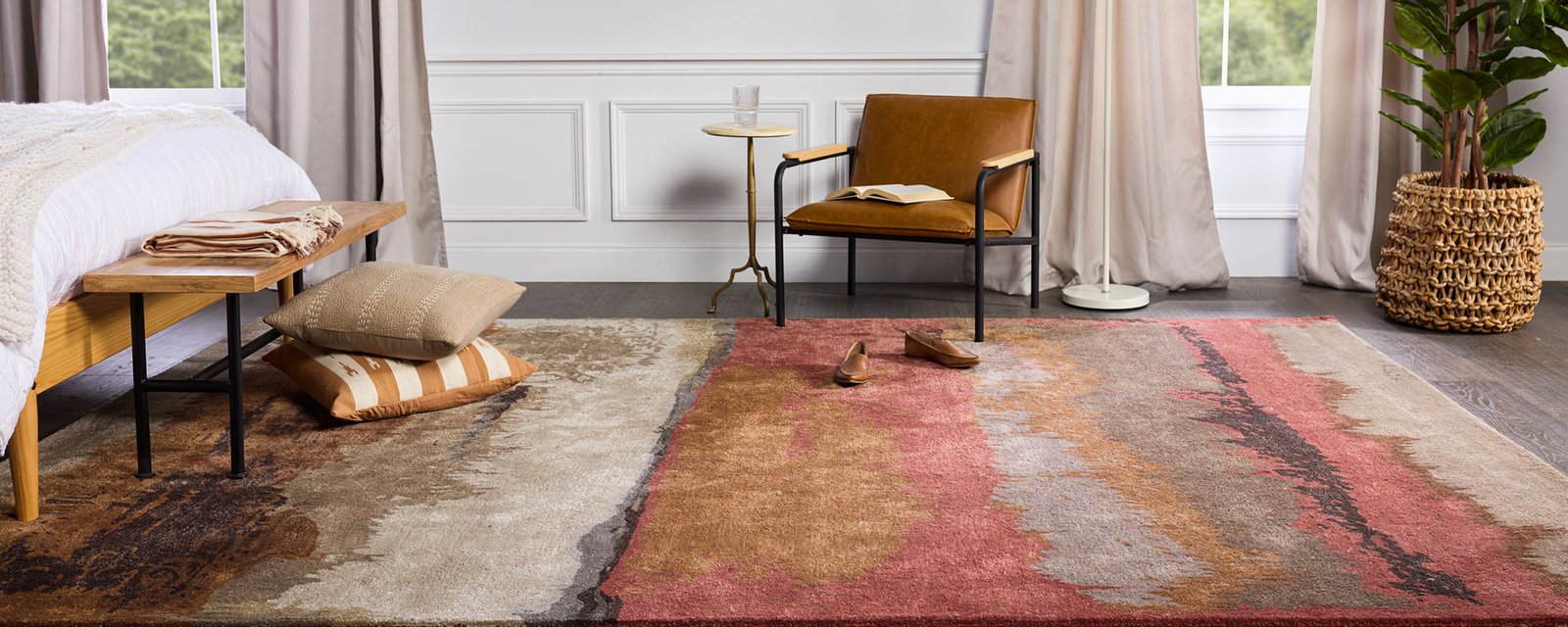
Rugs create clear areas in your living room. They help separate the sofa space from other parts of the room.
Choose rugs that fit under the sofa legs to anchor the seating area. This makes the room feel organized and larger.
- Pick light colors to keep the room bright
- Use rugs with simple patterns for less visual clutter
- Match rug size to your sofa and room size
Incorporating Compact Coffee Tables
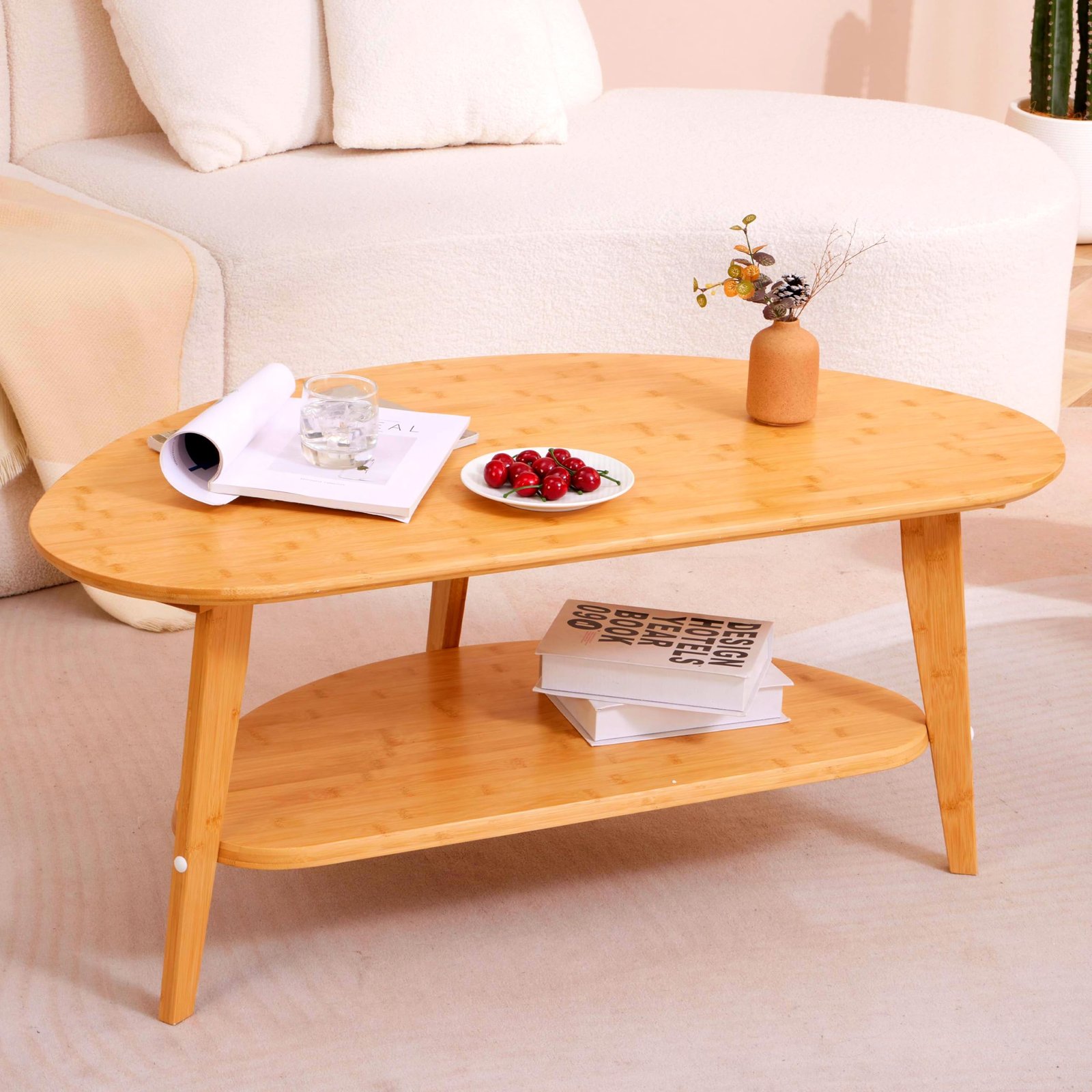
Small coffee tables save space and fit well with sofas in tight rooms. Look for tables with slim legs or rounded edges.
Tables with extra storage or those that can fold away are great choices. They keep the area tidy and open.
- Choose tables with shelves or drawers
- Pick lightweight tables for easy moving
- Consider nesting tables for flexible use
Adding Wall-mounted Storage
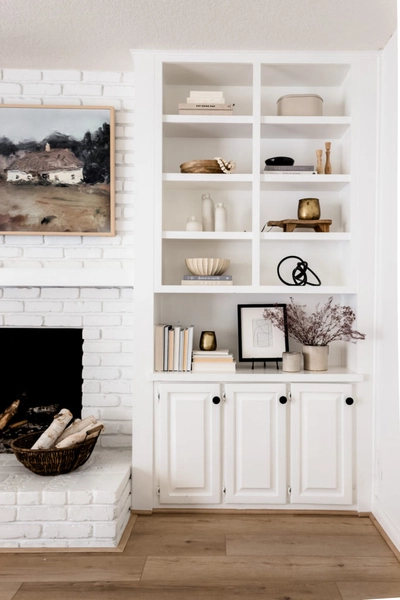
Wall-mounted shelves and cabinets free up floor space. They keep items off the ground and reduce clutter near the sofa.
Use floating shelves to store books, decor, or small items. This helps keep your sofa area clear and neat.
- Install shelves above the sofa for easy reach
- Use baskets on shelves to organize smaller items
- Keep shelves minimal to avoid crowding the wall
Lighting And Color Impact
Lighting and color play a big role in small living rooms. They can make the space feel larger and more inviting.
Choosing the right colors and lighting helps your sofa fit well without crowding the room.
Light Colors To Enhance Space
Light colors reflect more light and open up the room visually. They make walls and furniture look less heavy.
Use soft shades like whites, creams, light grays, or pastels on walls and sofas to keep the room bright.
- White walls create a clean, spacious feel
- Light gray sofas add style without darkening
- Pastel cushions add gentle color without clutter
Strategic Lighting Placement
Place lights where they brighten dark corners and highlight the sofa area. Good lighting makes the room feel bigger.
Use a mix of ceiling lights, floor lamps, and table lamps to spread light evenly.
- Floor lamps near the sofa add cozy light
- Wall sconces save floor space and brighten walls
- Ceiling lights provide general room brightness
Mirrors To Create Depth
Mirrors reflect light and give an illusion of more space. Place them across from windows or lights for best effect.
Use large or multiple small mirrors to add depth and open up the living room visually.
- Large wall mirror behind the sofa
- Cluster of small mirrors as wall art
- Mirrored furniture pieces to reflect light
Maintaining Flow And Functionality
Arranging a sofa in a small living room needs careful planning. The goal is to keep the space open and easy to move around.
Good furniture placement helps you use the room fully without making it feel crowded. Let's look at some tips to keep the flow and function.
Clear Pathways
Make sure there is enough space to walk around the sofa. Avoid blocking doors and windows. Paths should be wide enough for easy movement.
Leave at least 2 feet of space for walking areas. This keeps the room feeling open and safe.
- Keep paths free of furniture and clutter
- Place the sofa away from doorways
- Use rugs or lighting to mark walking routes
Balancing Seating And Movement
Arrange seating so people can talk easily without blocking movement. Avoid putting the sofa too close to other furniture.
Leave space between the sofa and chairs for comfort. This helps guests feel relaxed and keeps the room open.
- Place the sofa facing the main focal point
- Keep enough gap for walking between seats
- Use smaller chairs or stools to save space
Flexible Furniture Options
Choose furniture that can move or change shape. This helps you adjust the room for different needs.
Sofas with removable sections or foldable chairs offer more options. You can create extra space when needed.
- Use a sofa bed or sectional with a chaise
- Pick lightweight chairs that are easy to move
- Consider ottomans that double as seats or tables
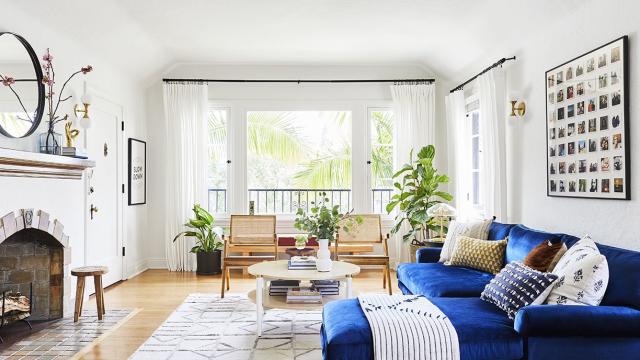
Credit: www.aol.com
Frequently Asked Questions
How To Choose The Right Sofa Size For Small Rooms?
Select a sofa that fits your room’s dimensions comfortably. Measure your space before buying. Opt for compact or sectional sofas to save space and ensure easy movement.
What’s The Best Sofa Layout For Small Living Rooms?
Place the sofa against a wall to maximize floor space. Use a corner or L-shaped sofa to utilize corners effectively. Avoid blocking walkways to maintain flow.
How To Style A Sofa In A Small Living Room?
Use light-colored or neutral sofas to create an illusion of space. Add slim armrests and legs to keep the room airy. Incorporate multi-functional furniture like storage ottomans.
Can I Use A Sectional Sofa In A Small Living Room?
Yes, but choose a small or modular sectional. Place it in a corner to save space. Ensure it doesn’t overwhelm the room or block pathways.
Conclusion
Arranging a sofa in a small living room can feel tricky. Focus on making the space feel open and cozy. Choose smaller sofas or sectional pieces that fit well. Place the sofa to allow easy movement and good light flow.
Use corners or walls to save space. Keep the room simple, with fewer items around. This way, your living room stays neat and inviting. Small rooms can feel bigger with smart sofa placement. Try different layouts until you find the best fit.
Enjoy your comfortable, stylish space every day.