Are you struggling to find the perfect spot for your sofa and dining table in your living room? You’re not alone.
Getting the right arrangement can make your space feel bigger, more inviting, and easier to use every day. Imagine walking into your living room and instantly feeling relaxed and comfortable because everything is exactly where it should be. This guide will show you simple, practical tips to arrange your furniture so your living room works for you — making every meal, chat, and cozy moment better than ever.
Keep reading, and discover how small changes can transform your space completely.
Choosing The Right Layout
Arranging a sofa and dining table in a living room needs a good layout. The right layout helps the room look nice and work well.
Think about the room size, how people move around, and how to balance style with use.
Assessing Room Dimensions
Measure the length and width of your living room. Know the space you have before placing furniture.
Check the size of your sofa and dining table. They must fit without crowding the room.
- Measure room width and length
- Note door and window locations
- Check sofa and table sizes
- Allow space for other furniture
Considering Traffic Flow
Plan how people will move through the room. Avoid placing furniture where it blocks walking paths.
Keep clear paths between the sofa, dining table, and doors. This makes the room easier to use.
- Leave at least 2 feet for walking space
- Do not block doorways or windows
- Place furniture away from busy routes
- Think about where people enter and exit
Balancing Functionality And Style
Choose a layout that looks good and works well. The sofa and table should be easy to use and match the room’s style.
Use furniture that fits the space and suits your style. Keep the room simple and organized to avoid clutter.
- Match sofa and table styles
- Keep furniture sizes balanced
- Use rugs or lighting to separate areas
- Keep enough space for comfort and use
:max_bytes(150000):strip_icc()/CarinaSkrobeckiPhoto_JessicaNelsonDesign_252222ndAve_01-47bc103d13e34f8d89179a86e968e7eb-5b0a8608f5c64a999203309e3fd0af57.jpg)
Credit: www.thespruce.com
Sofa Placement Tips
Arranging a sofa and dining table in a living room can be tricky. Proper placement makes the space feel balanced and functional.
This guide shares simple ideas to place your sofa for a cozy and inviting room.
Positioning Against Walls
Placing your sofa against a wall saves space and opens the room. It works well in small or narrow living rooms.
- Keep at least 12 inches between the sofa and the wall to avoid a cramped feel.
- Add a slim console table behind the sofa for decor or lamps.
- Use the wall to hang art or shelves to add height and interest.
- Ensure the sofa does not block windows or doors.
Floating Sofa Arrangements
A floating sofa stands away from walls. It creates a more open and social layout, great for larger rooms.
| Benefit | Tip |
| Creates walking space behind sofa | Leave at least 24 inches for easy movement |
| Defines different zones in an open plan | Use rugs to mark seating and dining areas |
| Makes room feel airy | Choose low-back sofas to keep sight lines open |
Creating Conversation Areas
Arrange sofas and chairs to face each other. This encourages talking and sharing the space.
- Place the sofa and chairs close enough to hear each other without shouting.
- Use a coffee table or ottoman in the center for drinks and decor.
- Angle furniture slightly for a relaxed and natural feel.
- Keep pathways clear to avoid blocking traffic flow.
Dining Table Arrangements
Arranging your sofa and dining table well can make your living room more inviting. The dining table needs space, comfort, and style to fit perfectly.
This guide helps you place the dining table in a way that balances the room and suits your needs.
Selecting The Ideal Spot
Pick a place that has enough light and easy access from the kitchen. Avoid blocking main walkways. The dining table should feel part of the living space but not in the way.
- Near windows for natural light
- Away from TV and sofa traffic
- Close to kitchen or serving area
- On a flat, even floor surface
Matching Table Size To Space
Choose a table size that fits the room size and leaves space for movement. Too big or too small tables make the room feel unbalanced.
| Room Size | Recommended Table Size | Clearance Around Table |
| Small (up to 120 sq ft) | 36-48 inches round or square | 30 inches minimum |
| Medium (120-200 sq ft) | 48-72 inches rectangular or oval | 36 inches minimum |
| Large (200+ sq ft) | 72+ inches rectangular or extendable | 42 inches minimum |
Ensuring Comfortable Seating
Make sure chairs are easy to pull out and sit on. Leave enough space between chairs for comfort. Use cushions if the chairs are hard.
- Allow at least 24 inches width per person
- Keep 18 inches from seat to table bottom
- Leave 36 inches between table edge and walls or furniture
- Choose chairs with comfortable height and padding
Combining Sofa And Dining Areas
Arranging a sofa and dining table in the same room can save space. It also creates a welcoming area for family and guests.
It is important to balance comfort and functionality. The right setup can make your living room feel cozy and efficient.
Zoning With Rugs And Lighting
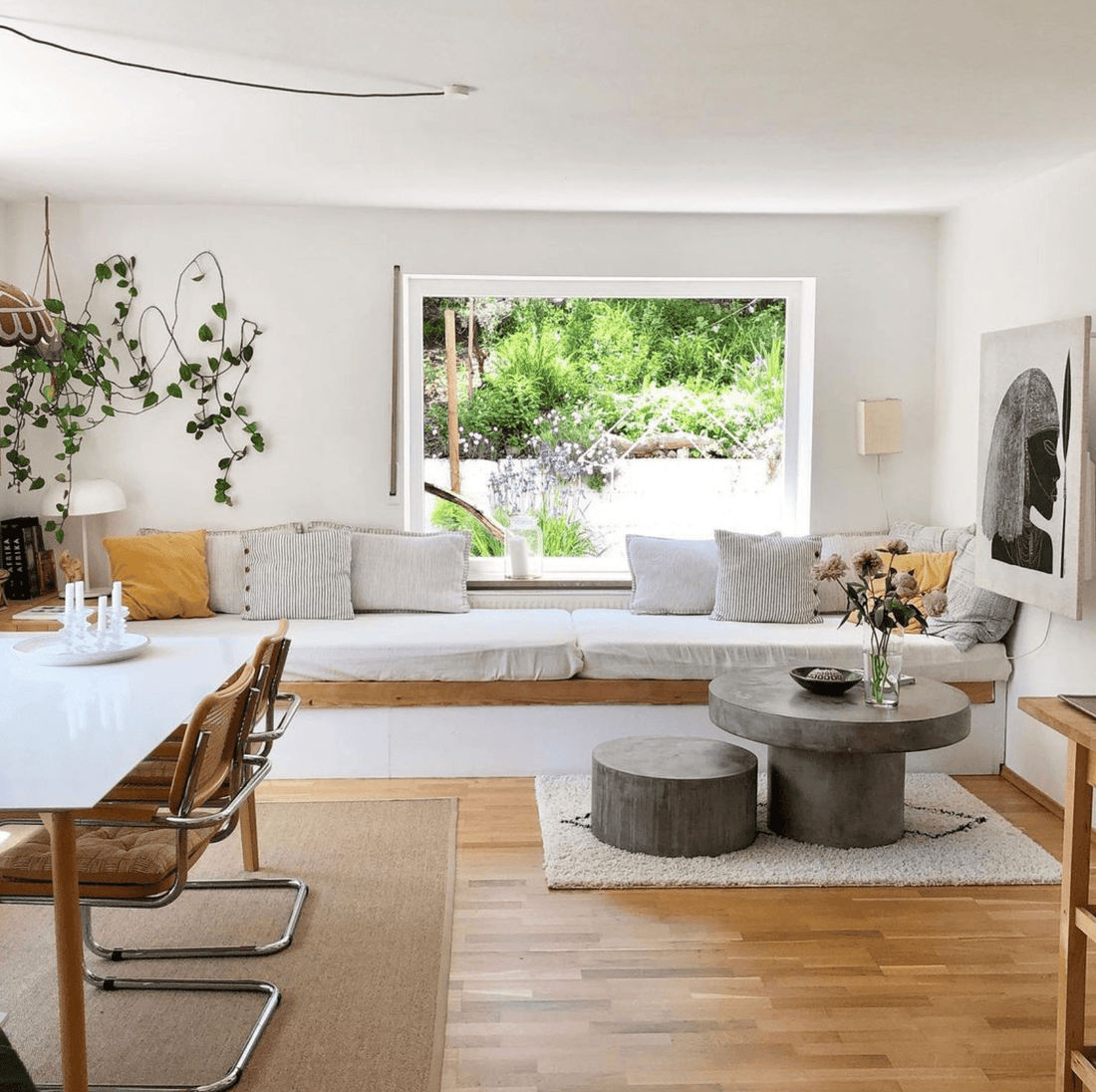
Rugs can help define different areas in a room. Place a rug under the sofa to mark the living area.
Use lighting to highlight specific zones. A pendant light above the dining table can create focus.
- Rugs add warmth and texture
- Lighting sets the mood
- Different styles for different areas
Maintaining Clear Pathways
Clear pathways make a room feel open and accessible. Ensure there is enough space to walk between furniture.
Arrange furniture to avoid blocking doorways. This helps in creating an inviting flow throughout the room.
Using Furniture To Define Spaces
Furniture can help separate areas in an open space. A sofa can serve as a divider between the living and dining areas.
Bookshelves or consoles can also act as partitions. These pieces add both style and function to your room.
- Sofas as space dividers
- Bookshelves for added storage
- Consoles for a stylish touch
Maximizing Small Living Rooms
Small living rooms need smart furniture choices. Arranging a sofa and dining table can be hard.
Use space well to make the room look bigger and feel comfortable for all activities.
Choosing Multi-functional Furniture
Pick furniture that serves more than one purpose. This saves space and adds value to your room.
For example, use a sofa bed or a dining table with storage underneath. These pieces help keep things tidy.
- Sofa beds for seating and sleeping
- Dining tables with drawers or shelves
- Ottomans that open for storage
Using Vertical Space
Use the walls and tall furniture to save floor space. Vertical storage keeps the room neat.
Install shelves above the sofa or dining area. Hang hooks for bags or coats to free floor space.
- Wall shelves for books and decor
- Tall cabinets for kitchen and dining items
- Hooks and racks for bags and keys
Opting For Compact Designs
Choose sofas and tables with small footprints. Compact furniture fits better in small rooms.
Look for slim arm sofas and foldable dining tables. They allow easy movement and save space.
- Slim sofas with narrow arms
- Foldable or extendable dining tables
- Chairs that tuck under the table

Credit: cozyliving.com.au
Styling Tips For Cohesion
Arranging your sofa and dining table in the living room needs a clear plan. Matching style and flow helps the space feel connected.
Use colors, textures, and decoration to bring harmony. This guide shares simple ways to style your room with balance.
Coordinating Colors And Textures
Pick colors that work well together for your sofa and dining table. Use similar or complementary tones to link the areas.
- Choose soft fabrics for the sofa that match the dining chair cushions.
- Use a rug with colors that fit both seating and dining zones.
- Mix smooth and rough textures to add interest without clashing.
- Keep the wall colors neutral to unite the spaces.
Balancing Accessories
Accessories help to balance the look between the sofa and dining area. Keep things simple but thoughtful.
| Accessory Type | Placement | Effect |
| Cushions | Sofa and dining chairs | Add comfort and color link |
| Table Runner | Dining table | Softens look and adds pattern |
| Coffee Table Books | Living room table | Creates focal points and interest |
| Decor Bowls | Dining table or side tables | Unifies style and texture |
Incorporating Plants And Art
Plants and art bring life and personality to your space. Use them to connect both seating and dining zones.
- Place a tall plant near the sofa to soften edges.
- Hang a large artwork behind the dining table to add color and interest.
- Use small potted plants on the dining table for freshness.
- Mix framed photos and prints on walls for a balanced look.
Common Mistakes To Avoid
Arranging a sofa and dining table in your living room can be tricky. Many people make common mistakes that affect the look and feel of the space.
Let’s explore these mistakes and learn how to avoid them for a better living room layout.
Overcrowding The Space
Overcrowding makes the room look cluttered and hard to navigate. It is important to leave enough space for movement.
- Measure your room before buying furniture.
- Choose furniture that fits the room size.
- Leave space between pieces for easy access.
Ignoring Scale And Proportion
Furniture should match the scale and proportion of your room. A huge sofa in a small room feels overwhelming.
| Room Size | Recommended Sofa Size |
| Small | Loveseat or small sectional |
| Medium | Standard sofa or medium sectional |
| Large | Large sectional or multiple sofas |
Blocking Natural Light
Natural light brightens your living room and makes it inviting. Avoid placing large furniture in front of windows.

Credit: www.apartmenttherapy.com
Frequently Asked Questions
How To Position Sofa And Dining Table In Small Living Rooms?
Place the sofa against a wall to save space. Position the dining table near a window or corner. Use compact furniture to maintain flow and avoid clutter.
What Is The Best Layout For Sofa And Dining Table Together?
Create distinct zones by placing the sofa and dining table apart. Use rugs or lighting to define areas. Ensure enough walking space between them for comfort.
How To Choose Sofa And Dining Table Size For Living Room?
Measure your living room before buying furniture. Choose a sofa and table that fit proportionally. Avoid oversized pieces to keep the space open and functional.
Can An Open Floor Plan Combine Sofa And Dining Table?
Yes, open floor plans allow flexible arrangement. Use furniture placement to separate living and dining zones visually. Keep consistent style and colors for harmony.
Conclusion
Arranging your sofa and dining table well makes your living room feel bigger. Give enough space to walk around easily. Place the sofa where it faces natural light or the TV. Keep the dining table close to the kitchen for convenience.
Balance comfort and style in your layout. Small changes can make a big difference. Try different setups to find what works best. Enjoy a cozy and functional living space every day. Simple planning brings comfort and beauty together.