Imagine walking into your living room and feeling instantly comfortable, even without a sofa taking up space. It might sound tricky, but arranging your living room without a sofa can open up new possibilities for style, space, and function.
Whether you’re working with a small area or just want a fresh look, this guide will show you simple, creative ways to make your living room inviting and practical. Ready to discover how you can transform your space and make every inch count?
Keep reading to unlock easy tips that will change the way you think about your living room.

Credit: www.apartmenttherapy.com
Benefits Of A Sofa-free Living Room
Living rooms often have sofas as the main furniture piece. But a sofa-free room can be a fresh change.
Removing the sofa can open up new ways to use the space and create a calm, inviting area.
Maximizing Space
Without a sofa, you have more room to move around. This makes the living area look bigger and less crowded.
You can use the extra space for other furniture or activities that need more room.
- More open floor space
- Room for rugs or floor cushions
- Better flow for walking and playing
Encouraging Flexibility
A living room without a sofa is easier to change. You can move things around for different needs.
It helps you create spaces for work, play, or relaxing without being tied to one setup.
- Use floor cushions for seating
- Add small chairs or stools as needed
- Clear space for yoga or exercise
Promoting Minimalism
Without a sofa, your living room looks simple and neat. This helps reduce visual clutter.
Minimalism can make the space calm and relaxing. It also lets you focus on a few special items.
- Fewer large furniture pieces
- Easy to clean and maintain
- Creates a peaceful atmosphere
Alternative Seating Options
Living rooms often center around sofas. But you can create a cozy space without one. Using different seating options can make the room welcoming.
These alternatives save space and add style. They also let you change the look easily. Let's explore some great options to try.
Floor Cushions And Poufs
Floor cushions and poufs are soft seats placed directly on the floor. They bring a casual and relaxed feel to the room.
They come in many colors and shapes. You can stack cushions when not in use to save space. Poufs can also serve as footrests or small tables.
- Easy to move and store
- Add texture and color
- Great for extra guests
Bean Bags And Ottomans
Bean bags offer soft, flexible seating that molds to your body. They create a fun and informal vibe in the living room.
Ottomans are firm and can double as seating or a footrest. Some ottomans also have storage inside, helping keep the space tidy.
- Bean bags are lightweight and comfy
- Ottomans add style and function
- Both are easy to move around
Futons And Daybeds
Futons and daybeds provide flexible seating and a place to rest. They work well in small living rooms or guest spaces.
Futons can fold into beds, making them practical. Daybeds look like couches but offer a larger surface for lounging.
- Great for naps and overnight guests
- Serve as both seating and sleeping space
- Available in many styles and sizes
Creative Furniture Arrangements
Arranging a living room without a sofa can be both fun and stylish. You can create a cozy and inviting space using other types of furniture.
Here are some creative ideas to help you arrange your living room in new ways.
Using Chairs And Stools
Chairs and stools are flexible options that add seating and style. You can mix different types, colors, and materials to create a unique look.
- Place armchairs around a coffee table for conversation.
- Use stools that can be moved easily for extra seating.
- Mix tall stools with low chairs for varied seating heights.
- Add cushions to stools for comfort and color.
Incorporating Built-in Seating
Built-in seating saves space and gives a clean look. It works well in corners or under windows to make use of unused areas.
| Built-in Seating Type | Best Spot | Benefits |
|---|---|---|
| Window Bench | Under windows | Natural light and storage |
| Corner Bench | Room corners | Space saver and cozy |
| Wall Niche Seat | Built-in wall spaces | Hidden and stylish |
Modular And Movable Pieces
Modular furniture can change shape and size. Movable pieces let you adjust your space quickly for different needs.
- Use modular ottomans that can act as seats or tables.
- Choose lightweight chairs to move around easily.
- Select foldable pieces for storage when not in use.
- Arrange pieces in circles or clusters to invite talk.
Adding Comfort And Style
Arranging a living room without a sofa can be both stylish and comfortable. By focusing on the right elements, you can create a welcoming space. Let's explore how to do this effectively.
This guide will help you transform your living room into a cozy retreat. We'll focus on rugs, throws, pillows, and fabrics.
Layering Rugs And Throws
Rugs and throws can add warmth and texture to your living room. Layering them creates visual interest and comfort.
- Choose a large area rug to define the space.
- Add smaller rugs for contrast and layering.
- Use soft throws for cozy seating areas.
Using Accent Pillows
Accent pillows are an easy way to add color and comfort. They make any seating area more inviting.
| Pillow Type | Suggested Use |
| Large Floor Pillows | For casual seating |
| Small Accent Cushions | On chairs or benches |
| Bolster Pillows | For back support |
Choosing Colorful And Textured Fabrics
Fabrics play a crucial role in setting the tone of your living room. They can add both color and texture.
Optimizing Layout For Socializing
Arranging a living room without a sofa can still create a warm space for socializing. The key is to set up the room so people can talk and connect easily.
Good layout helps guests feel comfortable and encourages natural conversation. Use chairs, cushions, or benches to make seating inviting.
Creating Conversation Zones
Group seats close together to form small conversation areas. This helps people talk without raising their voices.
Use chairs, stools, or floor cushions arranged in circles or squares. Avoid lining all seats against the walls.
- Place chairs facing each other
- Add a small table in the center
- Use rugs to define zones
- Keep walkways clear
Balancing Open Space And Seating
Leave enough open space so people can move freely. Crowding the room with too many seats can feel cramped.
Mix seating with open areas to keep the room airy. This balance helps guests feel relaxed and welcome.
- Use fewer chairs with varied styles
- Include floor cushions for flexible seating
- Keep paths clear for easy movement
- Avoid blocking windows or doors
Positioning Around Focal Points
Arrange seats around a natural focal point like a fireplace or coffee table. This draws people’s attention and encourages gathering.
Make sure all seating faces or has a view of the focal point. This helps create a cozy and inviting atmosphere.
- Center seating near a fireplace or art piece
- Use a coffee table to anchor the group
- Keep focal points clear and visible
- Place lighting to highlight the area
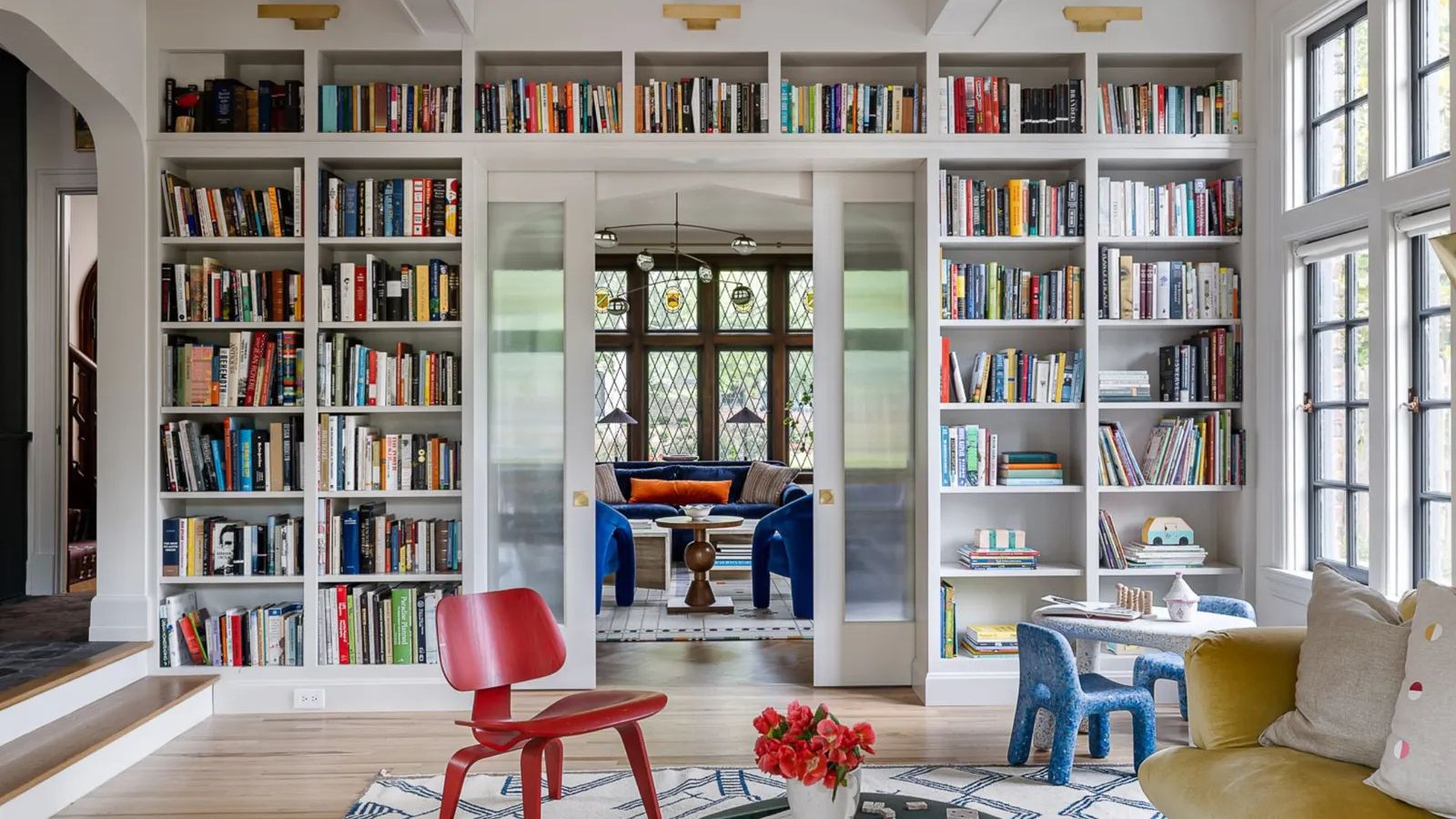
Credit: www.homesandgardens.com
Storage Solutions Without Sofas
Living rooms without sofas can still be comfortable and organized. Storage solutions help keep the space neat. You can use furniture and shelves to store items smartly.
These ideas make your living room look open and tidy. They also provide places to keep books, games, and other things.
Incorporating Shelves And Cabinets
Shelves and cabinets add storage without using floor space. Wall shelves keep items off the ground and free up room. Cabinets hide clutter and create a clean look.
- Use floating shelves to display books and decor.
- Choose tall cabinets for more vertical storage.
- Install corner shelves to use unused space.
- Pick closed cabinets to hide messes.
Using Multifunctional Furniture
Multifunctional furniture saves space and adds storage. Pieces that serve two or more purposes work well in small living rooms without sofas.
| Furniture Type | Storage Feature |
| Storage Ottoman | Hidden inside for blankets or toys |
| Bench with Drawers | Drawers under seat for shoes or books |
| Nesting Tables | Stack together to save space |
| Foldable Desk | Folds away when not in use |
Hidden Storage Options
Hidden storage keeps your living room tidy without visible clutter. These options blend into the design and save space.
- Use under-floor storage compartments for seasonal items.
- Install pull-out drawers in walls or under windows.
- Choose furniture with secret compartments for small items.
- Use decorative boxes that look like art pieces.
Lighting And Accessories
Creating a cozy living room without a sofa requires smart use of lighting and accessories. Explore different ways to make your space inviting and functional.
Focus on lighting and accessories to set the mood and enhance the room's aesthetics. These elements can transform your living space into a welcoming area.
Layered Lighting Techniques
Layered lighting adds depth and warmth to the room. Use different sources of light to achieve a balanced ambiance.
- Use floor lamps for focused light on reading areas.
- Hang pendant lights above seating zones.
- Place table lamps on side tables for softer light.
Decorative Elements To Enhance Seating
Without a sofa, seating becomes flexible. Enhance it with decorative elements to add comfort and style.
Consider using:
- Colorful cushions on chairs or floor pillows.
- Textured throws for added warmth.
- Rugs that define different zones.
Plants And Art For Ambiance
Plants and art bring life and personality to your living room. They can be focal points or complementary pieces.
| Element | Purpose |
| Indoor Plants | Add freshness and natural beauty |
| Wall Art | Express style and interests |
| Small Sculptures | Create interest and conversation |
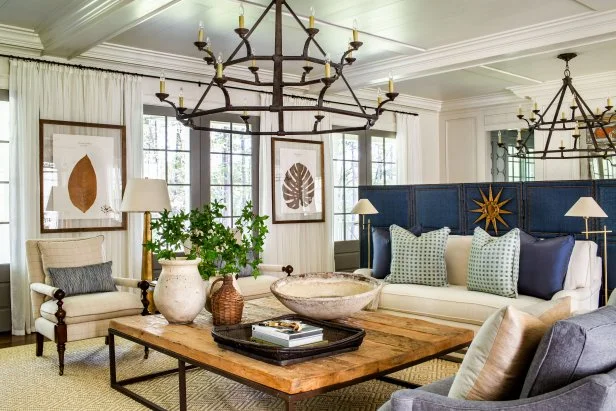
Credit: www.hgtv.com
Frequently Asked Questions
How To Create Seating Without A Sofa In Living Rooms?
Use alternative seating like floor cushions, poufs, or bean bags. Add chairs or benches to create a cozy, flexible space. These options save space and add style without a bulky sofa.
What Furniture Works Best Without A Sofa In Living Rooms?
Opt for chairs, ottomans, benches, or modular seating. Use low tables and shelves to keep the room open. These pieces provide comfort and functionality without needing a sofa.
How To Maintain Comfort In A Living Room Without A Sofa?
Layer rugs and add plenty of cushions for softness. Include blankets and adjustable lighting to enhance coziness. These elements make the space inviting without traditional sofa seating.
Can A Coffee Table Replace A Sofa In Living Rooms?
A coffee table can be a focal point but not a seating substitute. Pair it with floor cushions or chairs for balance. It helps create a social area without a sofa.
Conclusion
Arranging a living room without a sofa can feel different but fun. Use chairs, cushions, or benches to create cozy spots. Rugs and small tables help tie the space together. Keep things simple and open for easy movement. Your room can be both stylish and comfortable without a sofa.
Try new ideas and make the space your own. A living room should invite rest and good talks. You can enjoy a fresh look with no sofa at all.