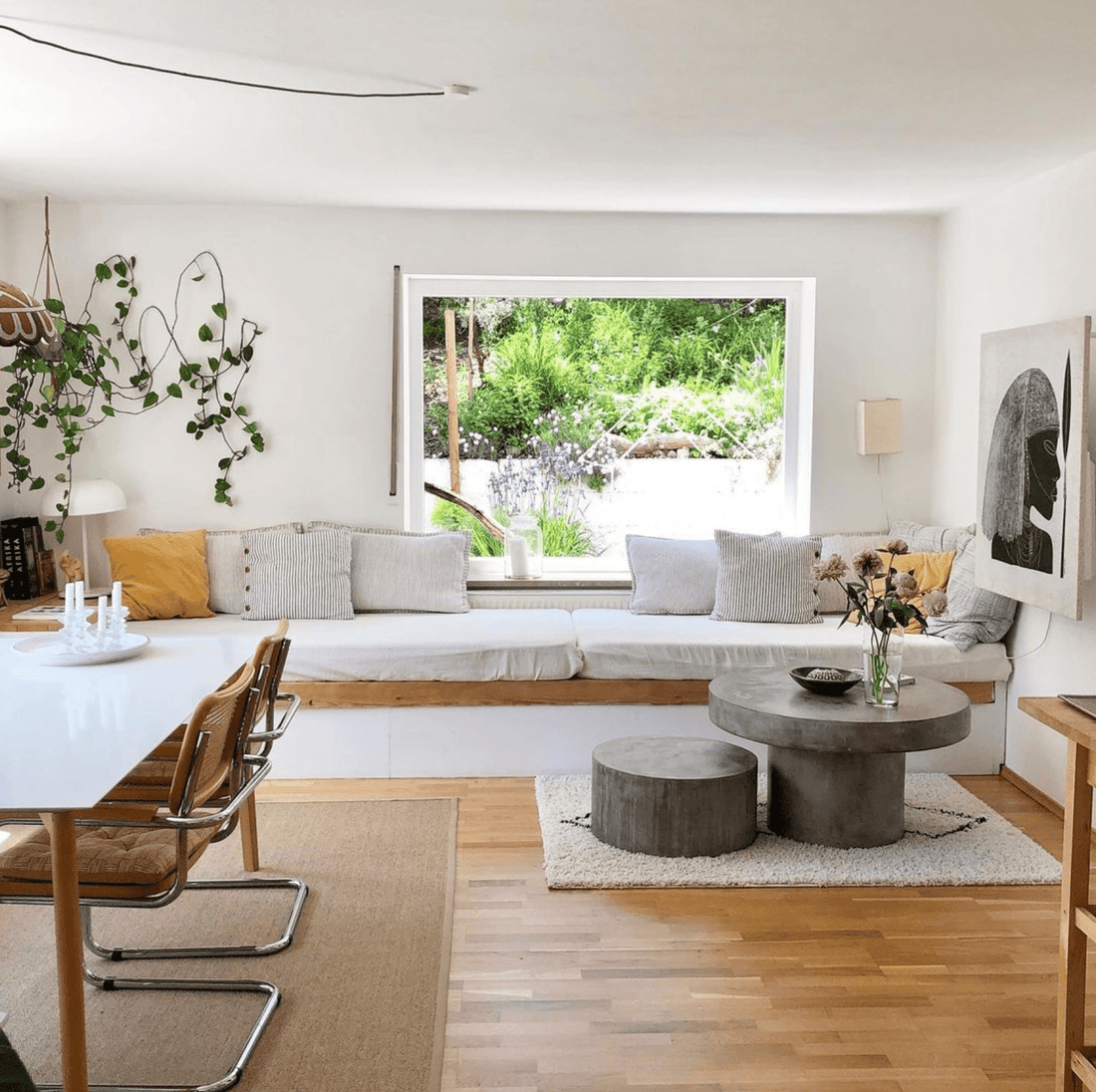
Are you struggling to fit both a living room and a dining table into the same space without making it look crowded? You’re not alone.
Finding the perfect balance between comfort and functionality can be tricky. But imagine a room where you can relax, entertain, and dine seamlessly—all without feeling cramped. You’ll discover simple, smart ways to arrange your living room with a dining table that maximize space and style.
Keep reading, and you’ll soon have a room that feels open, inviting, and perfectly organized for your daily life.
Choosing The Right Layout
Arranging a living room with a dining table needs careful planning. The layout affects comfort and flow.
Choosing the right layout helps create a balanced and functional space. It also makes the room look inviting.
Open Plan Vs Separate Areas
Open plan layouts blend the living and dining areas into one space. This design feels larger and more social.
Separate areas keep the living room and dining table apart. This helps create distinct zones for each activity.
- Open plan suits small homes or apartments
- Separate areas work well in bigger rooms
- Open plan encourages easy conversation
- Separate areas reduce noise between zones
Zoning With Rugs And Furniture
Use rugs to mark the dining and living areas clearly. Rugs add color and texture while defining space.
Furniture placement also creates zones. Position sofas and tables to set boundaries between the living and dining spots.
- Place a rug under the dining table
- Use a different rug for the seating area
- Arrange sofas to face each other or the TV
- Keep dining chairs within the rug edges
Balancing Traffic Flow
Plan paths so people move easily between spaces. Avoid blocking walkways with furniture or rugs.
Leave enough space around the dining table for chairs and walking. Clear paths make the room feel open and safe.
- Keep at least 30 inches around the dining table
- Allow clear access to sofas and doors
- Avoid placing furniture in main walkways
- Use low furniture to maintain sightlines
:max_bytes(150000):strip_icc()/CarinaSkrobeckiPhoto_JessicaNelsonDesign_252222ndAve_01-47bc103d13e34f8d89179a86e968e7eb-5b0a8608f5c64a999203309e3fd0af57.jpg)
Credit: www.thespruce.com
Selecting Furniture For Dual Use
Arranging a living room with a dining table needs smart furniture choices. Selecting pieces that serve more than one purpose saves space and adds function.
Choosing dual-use furniture helps keep the room open and comfortable. It also matches the style and needs of your home.
Compact Dining Tables
Compact dining tables fit well in small living rooms. They provide enough space for meals without taking too much room.
- Look for foldable or extendable tables
- Choose round tables to save corner space
- Pick tables with slim legs for a lighter feel
- Consider wall-mounted drop-leaf tables
Multi-functional Seating
Seating that works for dining and lounging is a smart choice. It helps make the living room feel more relaxed and useful.
| Type of Seating | Function | Best Use |
| Bench with Storage | Sit and store items | Under dining table |
| Ottoman | Extra seat and footrest | Near sofa or table |
| Foldable Chairs | Easy to store and move | Extra guests |
| Convertible Sofa | Sofa and dining seat | Small spaces |
Storage Solutions
Good storage keeps the living and dining area tidy. Choose furniture that hides clutter and keeps things organized.
- Use sideboards or buffets for dishes and linens
- Choose coffee tables with drawers or shelves
- Look for dining tables with built-in shelves
- Add wall shelves to save floor space
Maximizing Space With Smart Placement
Arranging a living room with a dining table needs smart planning. Space can feel tight without the right layout. Using clever placement helps create a roomy and cozy area.
Think about furniture positions that open pathways. Use corners and walls to save space. This guide shows easy ways to arrange your space well.
Corner Dining Areas
Placing your dining table in a corner frees up the center of the room. This makes the living space look bigger. Corners are often unused areas that can hold a small table and chairs.
- Choose a round or square table to fit the corner well.
- Use bench seating against the walls to save room.
- Add a small lamp or plant in the corner for a cozy feel.
Floating Furniture Arrangements
Floating furniture means placing pieces away from walls. This creates flow and separates areas. You can float a dining table near the living room sofa to define zones.
| Furniture | Placement Tips |
| Dining Table | Center of room or near sofa |
| Sofa | Facing dining table or TV |
| Rug | Under dining area to anchor space |
Using Walls For Storage
Walls can hold shelves and cabinets for storage. This keeps the floor clear and the room tidy. Use wall space near the dining area for dishes and decor.
- Install floating shelves above the dining table.
- Use tall cabinets with slim depth for plates and glasses.
- Add hooks under shelves for hanging mugs or utensils.

Credit: cozyliving.com.au
Lighting Tips For Combined Spaces
Arranging a living room with a dining table needs smart lighting. Good lighting helps each area feel separate yet connected.
Using the right lights creates a cozy and practical space for relaxing and eating.
Layered Lighting
Layered lighting means using different light types together. It adds depth and style to your combined space.
Mix ceiling lights, lamps, and accent lights to balance brightness and mood.
- Use overhead lights for general brightness
- Add floor or table lamps for cozy spots
- Include accent lights to highlight decor
Task Lighting For Dining
Task lighting helps you see clearly at the dining table. It makes meals and activities easier.
Choose lights that focus on the table without glare or shadows.
- Hang a pendant light or chandelier above the table
- Select dimmable lights for adjustable brightness
- Use warm white bulbs to create a welcoming feel
Ambient Lighting For Living
Ambient lighting sets the mood in the living area. It should be soft and inviting.
Use lights that spread evenly to avoid harsh shadows.
- Install wall sconces or recessed lights for gentle glow
- Place table lamps near seating for extra warmth
- Use light colors that match the room’s style
Decor Ideas To Tie Spaces Together
Arranging a living room with a dining table can be tricky. You want both areas to feel connected and balanced.
Using decor ideas that link these spaces creates a smooth flow and a cozy atmosphere.
Coordinated Color Schemes
Pick colors that work well in both the living and dining areas. This helps the spaces feel like one big room.
Use the same shades for walls, furniture, or rugs to create harmony.
- Choose two or three main colors for both spaces
- Use lighter tones for walls and bigger furniture
- Add darker or brighter colors in small accents
Shared Decorative Elements
Use similar decorations in both areas to link them visually. This keeps the design consistent.
Items like cushions, curtains, or tableware can match or complement each other.
- Use matching cushions on the sofa and dining chairs
- Choose curtains with patterns that suit both spaces
- Display similar vases or bowls on tables
Art And Accessories
Hang artwork or place accessories that relate to both rooms. This adds personality and unity.
Pick art pieces that share style or colors to make the spaces feel connected.
- Use one large art piece visible from both spaces
- Choose sculptures or plants that fit both areas
- Place decorative trays or bowls on tables in both rooms
Smart Storage To Reduce Clutter
Arranging a living room with a dining table can be challenging. Smart storage solutions help keep the space organized and clutter-free.
Consider different storage options to make the most of your space. Built-in cabinets and hidden furniture are great choices.
Built-in Cabinets
Built-in cabinets save space and provide ample storage. They blend with the room's decor and can hold various items.
- Store dishes and glassware in upper cabinets.
- Use lower cabinets for table linens and larger items.
- Customize with shelves for books or decor.
Hidden Storage Furniture
Furniture with hidden storage is perfect for small spaces. Ottomans and benches with storage keep items out of sight.
Consider a coffee table with a lift-top. It provides hidden storage for magazines and remote controls.
Decluttering Strategies
Decluttering is key to maintaining a tidy space. Regularly sorting and organizing items helps reduce clutter.
| Strategy | Description |
| Daily Cleanup | Spend 10 minutes tidying each day. |
| Monthly Review | Sort items and donate unused ones. |
| Organize Zones | Assign a purpose to each room area. |
Tips For Small Living Rooms
Arranging a small living room with a dining table can be challenging. You need to maximize space without compromising style.
Smart furniture choices make a big difference. Let's explore some solutions.
Foldable And Extendable Tables
Foldable and extendable tables are great for small spaces. They offer flexibility and can be adjusted to fit your needs.
These tables are compact when not in use. You can easily expand them for dining or gatherings.
- Choose a table that folds or extends for convenience.
- Look for materials that match your decor.
- Ensure the table is easy to move.
Wall-mounted Furniture
Wall-mounted furniture saves floor space. It keeps your living area open and less cluttered.
Consider shelves or desks that attach to walls. These provide storage and function without taking up room.
- Install shelves for extra storage.
- Use wall-mounted desks for work areas.
- Keep furniture minimal to enhance space.
Mirrors To Enhance Space
Mirrors can make small rooms look bigger. They reflect light and create the illusion of depth.
Place mirrors opposite windows or light sources. This maximizes their effect and brightens the room.
- Use large mirrors for dramatic effect.
- Position mirrors to reflect natural light.
- Choose frames that match your decor.
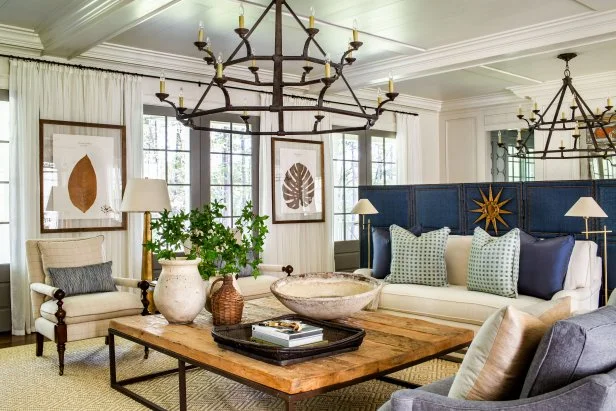
Credit: www.hgtv.com
Frequently Asked Questions
How To Position A Dining Table In A Small Living Room?
Place the dining table near a wall or window to save space. Use a compact, extendable table for flexibility. Keep pathways clear for easy movement. This arrangement maximizes room functionality without cluttering the living area.
What Furniture Suits Combined Living And Dining Rooms?
Choose multifunctional furniture like storage ottomans and foldable tables. Select matching styles for cohesion. Use rugs to define separate zones. Prioritize pieces that balance comfort and practicality to enhance both spaces.
How To Create Flow Between Living And Dining Areas?
Use consistent colors and decor to unify spaces. Arrange furniture to allow smooth walking paths. Position the dining table adjacent to the living area for easy access. Proper flow improves room usability and visual harmony.
Can Lighting Improve Living Room With Dining Table Setup?
Yes, use layered lighting like overhead, task, and ambient lights. Pendant lights above the dining table add focus. Use dimmers to adjust mood. Good lighting highlights each area’s purpose and enhances atmosphere.
Conclusion
Arranging a living room with a dining table can be simple and fun. Plan space to keep the room open and easy to move. Choose furniture that fits well and matches your style. Think about lighting to make the area cozy and bright.
Small changes can make a big difference. A well-arranged room feels warm and inviting. Try different layouts until you find what works best. Enjoy your new, comfortable space every day.