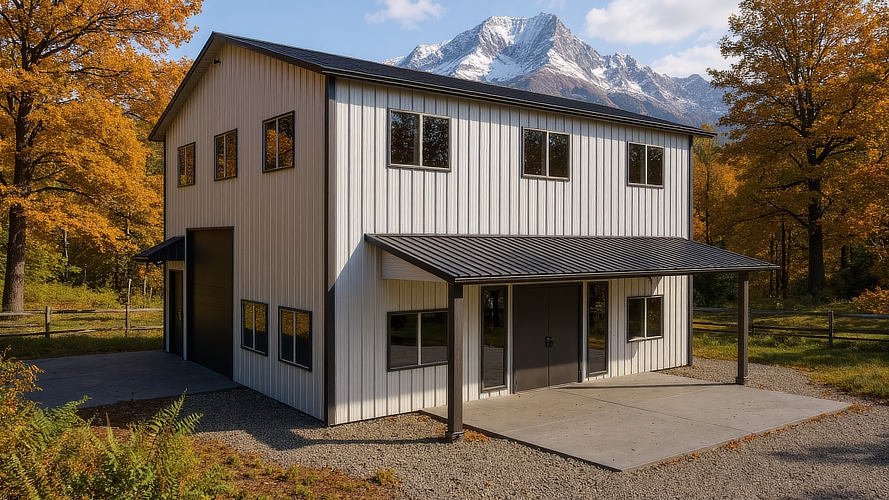
Are you thinking about building a steel home but wondering how much it will cost? Understanding the price of steel homes can help you make smart decisions for your future.
You want a home that’s strong, stylish, and fits your budget. You’ll discover the real costs behind steel homes and what factors affect the price. By the end, you’ll feel confident about whether a steel home is the right choice for you—and how to plan your budget wisely.
Keep reading to find out everything you need to know about how much steel homes really cost.
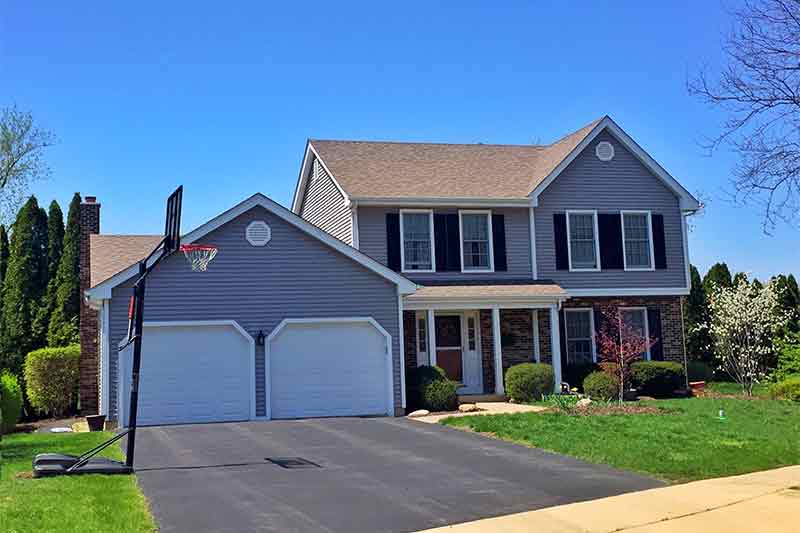
Credit: homeguide.com
Cost Factors Of Steel Homes
Steel homes are becoming popular for their strength and durability. Understanding their cost helps you plan your budget well.
Several factors affect the total cost of building a steel home. These include materials, labor, design, and location.
Material Expenses
The cost of materials is a big part of steel home prices. Steel prices can change based on market demand and supply.
Other materials like insulation, roofing, and windows add to the total expense. Quality materials may cost more but last longer.
- Steel framing and panels
- Insulation materials
- Roofing and siding
- Windows and doors
Labor And Construction
Labor costs depend on the skill needed to build with steel. Experienced workers may charge higher rates.
Construction time also affects labor costs. Steel homes often build faster, which can save money.
- Skilled steel framers
- Construction crew size
- Time needed to complete
- Local labor rates
Design And Customization
Simple designs cost less to build. Complex shapes or large windows add to the price.
Custom features like porches or special finishes increase costs. Standard steel home models are usually cheaper.
- Basic vs. complex floor plans
- Special architectural features
- Custom doors and windows
- Interior finishes and fixtures
Location Impact
Where you build affects costs. Remote areas may have higher delivery and labor expenses.
Local building codes and permits can add fees. Weather conditions might require stronger materials.
- Distance from suppliers
- Local labor availability
- Building permits and fees
- Climate and environmental factors
Affordability Compared To Traditional Homes
Steel homes offer a unique cost structure compared to traditional houses. Understanding their affordability helps buyers make informed decisions.
This guide covers initial costs, long-term savings, and financing options for steel homes.
Initial Investment
The upfront cost of steel homes can differ from wood or brick houses. Steel frames may cost more but reduce other expenses.
- Steel materials are durable and resistant to pests.
- Construction time is often shorter, lowering labor costs.
- Foundation costs might be less due to lighter steel structures.
- Design flexibility can reduce waste and extra expenses.
Long-term Savings
Steel homes can save money over time through lower maintenance and energy costs.
| Cost Factor | Steel Homes | Traditional Homes |
| Maintenance | Low | Medium to High |
| Energy Efficiency | High | Medium |
| Durability | Very High | Medium |
| Insurance Costs | Lower | Higher |
Financing Options
Financing steel homes is similar to traditional homes but has some unique points.
Common financing paths include:
- Conventional mortgages from banks.
- Construction loans tailored for steel homes.
- Government loans that support energy-efficient buildings.
- Manufacturer financing options for kit homes.
Durability Of Steel Homes
Steel homes are known for their strong and lasting build. They offer benefits that other homes may not.
Understanding their durability helps decide if a steel home is right for you.
Resistance To Weather And Pests
Steel homes stand up well against harsh weather. They do not warp or crack like wood.
Steel also does not attract pests such as termites or rodents. This keeps the home safer and cleaner.
- Resists strong winds and heavy rain
- Does not rot or swell with moisture
- Not vulnerable to insect damage
Longevity And Maintenance
Steel homes can last many decades without major problems. They need less upkeep than wood homes.
Regular checks and cleaning keep steel homes in good shape. They do not need frequent painting or repairs.
- Can last 50 years or more
- Low risk of damage over time
- Simple maintenance routines
Fire And Disaster Safety
Steel homes offer better safety during fires. Steel does not burn and can slow fire spread.
They also resist damage from earthquakes and floods better than many materials.
- Non-combustible material
- Strong against earthquakes
- Resists flood damage
Energy Efficiency And Environmental Benefits
Steel homes offer strong energy savings and support a cleaner environment. Their design helps keep indoor temperatures steady all year.
Using steel in home building lowers waste and reduces harm to nature. This article looks at how steel homes help the planet.
Insulation And Temperature Control
Steel frames work well with modern insulation materials. This keeps homes warm in winter and cool in summer. It lowers energy bills and increases comfort.
- Steel does not warp or shrink, so insulation stays tight.
- Advanced insulation blocks heat loss and gain.
- Proper sealing reduces drafts and moisture build-up.
Sustainability Of Materials
Steel is highly recyclable and uses less natural resources than wood. It can be reused many times without losing strength.
| Material | Recyclability | Resource Use |
| Steel | 100% | Low |
| Wood | Limited | High |
| Concrete | Partial | Medium |
Reduced Carbon Footprint
Building with steel lowers carbon emissions over time. It lasts longer and needs less repair, cutting waste and pollution.
- Steel homes require less energy to heat and cool.
- Steel production uses cleaner technology today.
- Steel structures reduce the need for new materials.
Design Flexibility And Aesthetic Appeal
Steel homes offer great design flexibility. They can fit many styles and tastes. Their strength allows creative shapes and large open spaces.
The aesthetic appeal of steel homes comes from clean lines and modern finishes. You can customize both inside and outside to match your vision.
Architectural Styles
Steel frames support various architectural styles. From traditional to modern, steel adapts well. This allows you to choose a style that fits your personality.
- Contemporary with large glass panels
- Industrial with exposed beams
- Rustic with steel and wood mix
- Minimalist with sleek metal finishes
Interior Customization
Inside steel homes, customization options are wide. You can design open floor plans or cozy rooms. Steel walls allow easy changes to layouts later.
| Feature | Options |
| Wall Finishes | Drywall, wood paneling, metal sheets |
| Floor Plans | Open, divided, multi-level |
| Lighting | Recessed, pendant, natural light |
| Storage | Built-in shelves, closets, loft spaces |
Modern Innovations
New building methods improve steel home designs. Prefabricated parts speed construction and reduce waste. Smart home tech fits easily in steel structures.
- Energy-efficient insulation
- Durable, low-maintenance materials
- Integration with solar panels
- Flexible wiring for smart devices
Common Misconceptions About Steel Homes
Steel homes are becoming more popular. Many people still have wrong ideas about them. Let's clear up some common misconceptions.
These wrong beliefs often stop people from choosing steel homes. We will discuss cost, durability, and comfort myths.
Cost Myths
Many think steel homes are expensive. This is not always true. Prices can be similar to traditional homes.
Costs depend on design and materials. Steel homes can be a budget-friendly choice.
- Steel can be cheaper than wood in some areas
- Efficient designs can lower building costs
- Long-term savings from energy efficiency
Durability Doubts
People worry steel homes are not strong. In reality, steel is very durable. It can resist harsh weather better than wood.
Steel does not rot or warp. It is also resistant to pests like termites.
- Steel frames can withstand storms
- No mold or mildew growth
- Fire-resistant properties
Comfort Concerns
Some think steel homes are not comfortable. Modern designs make them as cozy as any other home.
Insulation and design ensure a comfortable living environment. Steel homes can have the same amenities as traditional homes.
- Proper insulation keeps homes warm or cool
- Flexible designs for personal taste
- Quiet interiors with soundproofing
Is A Steel Home Worth It?
Steel homes are becoming more popular. They offer unique benefits compared to traditional houses. But are they a good investment for everyone?
Let's explore the factors that determine if a steel home is the right choice for you.
Investment Value
Steel homes can be a smart investment. They are durable and often less expensive to maintain. Steel is also resistant to pests and fire.
- Durability reduces repair costs
- Fire-resistant materials lower insurance rates
- Longevity increases resale value
Suitability For Different Climates
Steel homes perform well in various climates. They are strong against extreme weather. This makes them a versatile choice.
| Climate Type | Steel Home Advantage |
| Cold | Insulation efficiency |
| Hot | Reflective cooling |
| Humid | Moisture resistance |
Personal And Family Needs
Consider your family's needs when choosing a steel home. They are customizable and can be designed to fit specific requirements. Think about space, design, and future growth.

Credit: www.realtor.com

Credit: www.buildingsguide.com
Frequently Asked Questions
What Is The Average Cost Of Steel Homes?
Steel homes typically cost between $100 and $200 per square foot. The price varies by design, location, and customization. Steel offers durability, which can save money on repairs and maintenance over time.
Are Steel Homes More Expensive Than Traditional Homes?
Steel homes can be slightly more expensive upfront than traditional wood homes. However, steel homes offer long-term savings due to lower maintenance and energy efficiency. The overall cost depends on materials, labor, and design complexity.
How Does Steel Home Construction Affect Cost?
Steel home construction reduces labor time and waste, lowering overall costs. Prefabricated steel panels speed up building, cutting expenses. The durability of steel also reduces future repair costs, making it cost-effective in the long run.
Can Steel Homes Save Money On Energy Bills?
Yes, steel homes often include insulation that improves energy efficiency. This reduces heating and cooling costs significantly. Properly insulated steel homes can save homeowners up to 30% on energy bills annually.
Conclusion
Steel homes offer a strong and lasting choice for many buyers. Costs vary based on size, design, and location. They often cost less than traditional homes over time. Steel resists pests, fire, and weather damage well. This means fewer repairs and lower bills later.
Choosing a steel home can save money and stress. Think about your needs and budget before deciding. Steel homes fit many lifestyles and budgets today.