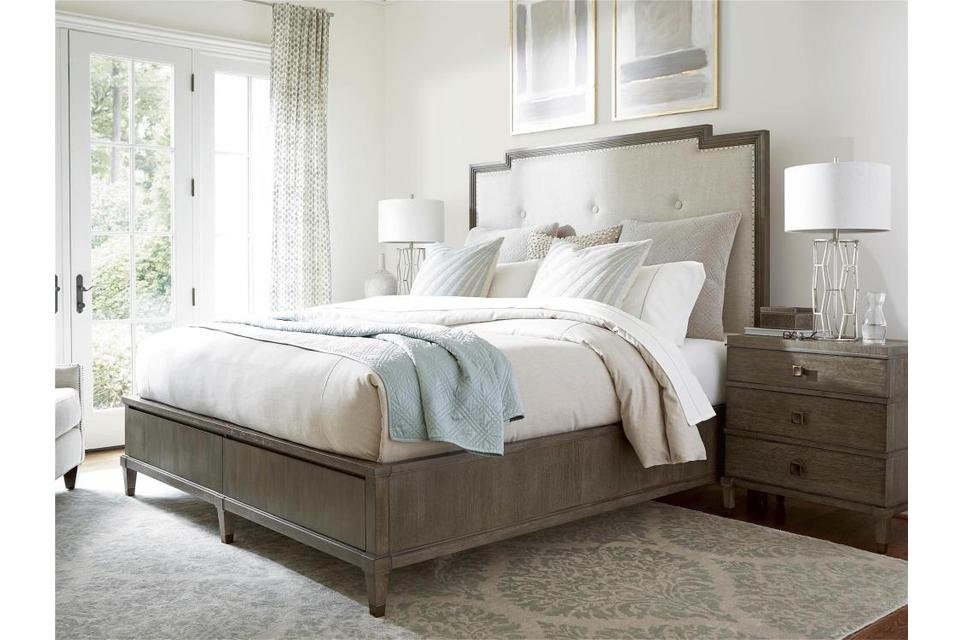
How many nightstands should you have in your bedroom? It might seem like a small detail, but choosing the right number can change how your space feels and works every day.
Whether you sleep alone or share your bed, the number of nightstands affects your comfort, storage, and even your style. You’ll discover simple tips to find the perfect balance for your room. Ready to make your bedroom more inviting and organized?
Keep reading to find out exactly what works best for you.
Choosing Nightstands By Bedroom Size
Nightstands are useful furniture pieces next to your bed. They hold lamps, clocks, and books. The number of nightstands depends on your bedroom size.
Picking the right nightstands helps keep your room balanced and neat. This guide shows how many nightstands fit small, medium, and large bedrooms.
Small Bedrooms
Small bedrooms have limited space. One nightstand is usually enough. It fits well without crowding the room.
Choose narrow or wall-mounted nightstands to save space. Keep them simple and functional.
- One nightstand next to the bed
- Use vertical or slim designs
- Avoid large or bulky pieces
Medium Bedrooms
Medium bedrooms can fit two nightstands comfortably. Place one on each side of the bed for balance.
Choose matching nightstands to create a coordinated look. They should have enough storage for essentials.
- Two nightstands, one on each side
- Match style and size for symmetry
- Include drawers or shelves for storage
Large Bedrooms
Large bedrooms offer space for more than two nightstands. You can add extra pieces for style and function.
Use nightstands to fill empty spaces. Consider using different styles for a layered look.
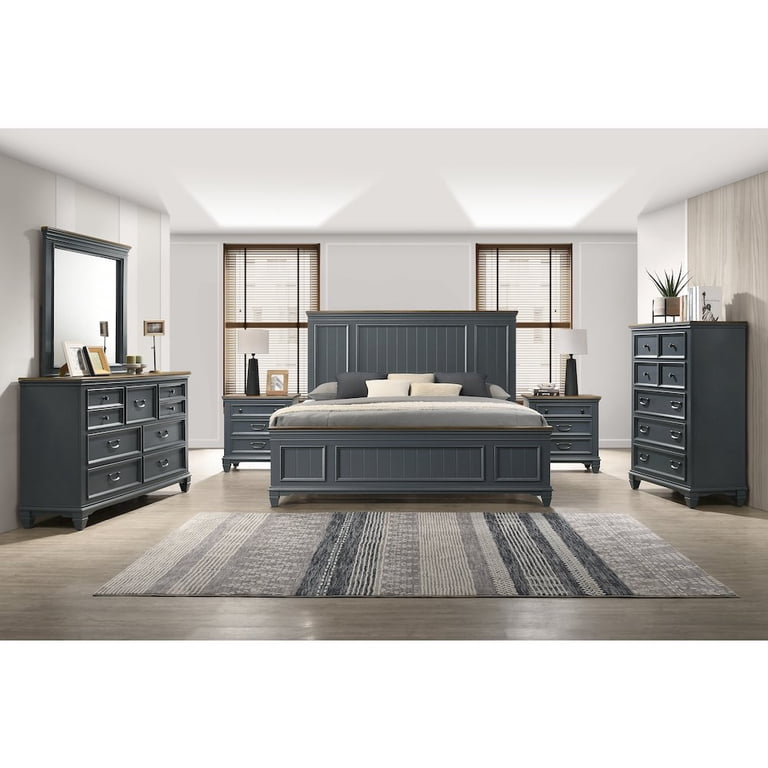
- Two main nightstands beside the bed
- Additional smaller tables or cabinets in the room
- Mix styles for a personalized design

Nightstands For Different Bed Types
Choosing the right number of nightstands depends on your bed size. Nightstands add style and storage near your bed.
Each bed type fits different nightstand setups. This guide helps you pick nightstands for your bed.
Single Beds
Single beds are small and fit one person. Usually, one nightstand on one side is enough.
A single nightstand keeps the room open and uncluttered. It holds essentials like a lamp or phone.
- Place one nightstand on the side you use most
- Choose compact designs to save space
- Use shelves or drawers for extra storage
Double Beds
Double beds are bigger and fit two people. Two nightstands, one on each side, work best here.
This setup gives both people space for their items. It also balances the room’s look.
- Match nightstands for a unified style
- Use medium-sized nightstands for enough surface space
- Consider nightstands with drawers or shelves
King And Queen Beds
King and queen beds are the largest common bed sizes. They need two nightstands for balance and function.
Nightstands should be wider and taller to match the bed size. This helps keep items within reach.
- Use two matching nightstands for symmetry
- Choose larger nightstands with multiple storage options
- Consider nightstands with built-in charging ports
Balancing Symmetry And Functionality
Choosing the right number of nightstands in a bedroom can change the room’s look and use. It is important to balance how things look with how they work.
This guide helps you decide on nightstands that fit your space and needs well.
Matching Nightstands
Matching nightstands on both sides of the bed create a balanced and calm look. They give symmetry to the room and make it feel organized.
They are a good choice if you want a classic and neat style.
Mix And Match Styles
You can use different nightstands on each side to add character. Mixing styles shows creativity and can fit each person’s taste.
- Try a tall nightstand on one side and a short one on the other.
- Choose colors that complement each other.
- Use different materials like wood and metal for contrast.
Storage Needs
Nightstands should fit your storage needs. Think about what you want to keep nearby like books, glasses, or electronics.
| Storage Type | Best Nightstand Feature | Example Items |
| Minimal | Open shelf or small drawer | Phone, glasses |
| Moderate | One or two drawers | Books, chargers, small items |
| Large | Multiple drawers or cabinet | Clothes, larger items |
Nightstand Placement Tips
Choosing the right number of nightstands depends on your bedroom size and bed type. Proper placement helps keep your room organized and functional.
This guide shares tips on placing nightstands for comfort and style in your bedroom.
Optimal Height And Distance
Nightstands should be close in height to your bed. This makes reaching items easier while lying down.
Keep nightstands within arm’s reach. They should be 24 to 28 inches away from the bed’s edge.
- Nightstand height: 24 to 28 inches
- Distance from bed: 24 to 28 inches
- Allow space to move around comfortably
Lighting Considerations
Place lamps or lighting on nightstands to provide soft, easy-to-reach light. Avoid glare that can hurt your eyes.
Use adjustable lamps to control light direction. This helps with reading or relaxing in bed.
- Choose lamps with dimmer switches
- Place lamps near the bed’s headboard
- Consider wall-mounted lights if space is tight
Accessibility
Nightstands should be easy to reach without stretching or bending too much. This makes your bedroom safer and more comfortable.
Keep essential items like glasses, phones, or books within easy reach on the nightstand surface.
- Place nightstands close to the bed
- Keep clutter off the top for quick access
- Choose nightstands with drawers for hidden storage
Design Trends And Personal Style
Choosing how many nightstands to place in a bedroom depends on design trends and personal taste. Nightstands add both style and function to the room.
Deciding the right number also fits the layout and use of the space. Let's explore popular styles and ideas for nightstands.
Minimalist Choices
Minimalist bedrooms often have one nightstand or none at all. The focus stays on simplicity and open space.
A single nightstand can keep the room balanced and clutter-free. Choose clean lines and neutral colors for this style.
- One small nightstand for essentials
- Simple shapes and muted tones
- Less is more approach
Vintage And Rustic
Vintage and rustic styles like charm and warmth. Two matching nightstands often create a cozy feel.
Look for wooden or distressed finishes. Nightstands with character fit well in this style.
- Two matching nightstands add symmetry
- Wood tones and carved details
- Mix old and new pieces
Modern And Sleek
Modern bedrooms often use two nightstands with clean, smooth surfaces. They add function without bulk.
Metal, glass, or lacquered finishes work well here. Nightstands can have bold shapes or hidden storage.
- Two nightstands keep balance
- Use materials like metal or glass
- Focus on simple, sharp designs
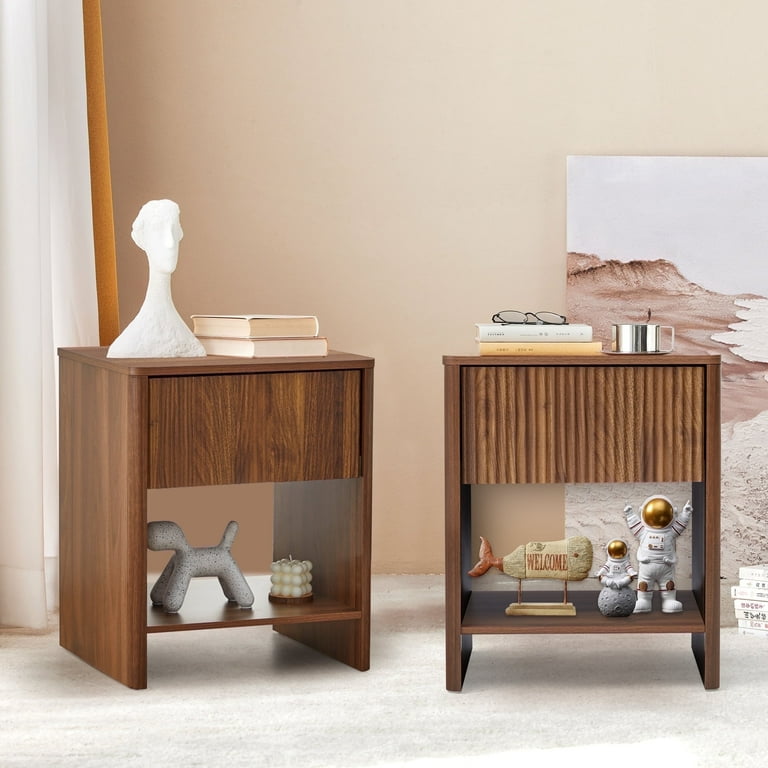
Alternatives To Traditional Nightstands
Nightstands are useful in bedrooms, but they are not the only option. There are creative alternatives that save space and add style. Let's explore some of these options.
Each alternative has unique benefits and can fit different room sizes and styles.
Floating Shelves
Floating shelves offer a sleek, modern look. They take up no floor space, making them great for small rooms.
Place them at a comfortable height next to your bed. You can use them to hold lamps, books, or a clock.
- Space-saving design
- Easy to clean under
- Customizable height
Stacked Storage
Stacked storage uses boxes or crates for a rustic feel. You can stack them to the desired height and rearrange them easily.
This option offers flexibility and can be a fun DIY project. Add baskets for a tidier look.
- Customizable layout
- Budget-friendly
- Easy to move and rearrange
Multi-purpose Furniture
Multi-purpose furniture serves more than one function. Consider a small desk or a storage bench as a nightstand alternative.
These pieces provide extra storage and can be used for seating or work. They are perfect for maximizing small spaces.
- Dual functionality
- Space-efficient
- Variety of styles available
Frequently Asked Questions
How Many Nightstands Are Ideal For A Bedroom?
Two nightstands are ideal for a bedroom with a double bed. They provide balanced storage and accessibility on both sides. For single beds, one nightstand usually suffices. The number depends on bed size, room layout, and personal needs.
Can A Bedroom Have Just One Nightstand?
Yes, a bedroom can have one nightstand, especially with a single or twin bed. One nightstand saves space and keeps essentials within reach. It’s practical for small rooms or minimalistic designs while maintaining functionality.
What Size Nightstands Suit Different Bed Sizes?
For twin beds, a small nightstand works best. Queen and king beds pair well with medium to large nightstands. The nightstand size should complement the bed without overwhelming the space. Choose dimensions that allow easy access and storage.
Do Nightstands Affect Bedroom Aesthetics?
Yes, nightstands influence bedroom style and balance. Matching nightstands create harmony, while mismatched ones add character. Choose designs and colors that complement your bedroom decor. Nightstands serve both functional and decorative purposes.
Conclusion
Choosing the right number of nightstands depends on your bedroom space and needs. One nightstand works well for small rooms or solo sleepers. Two nightstands create balance and convenience for couples. Think about your storage needs and style preferences. Nightstands add function and style to your room.
Make sure they fit your space comfortably. Simple choices can make your bedroom more cozy and organized. Your perfect bedroom setup starts with the right nightstands.