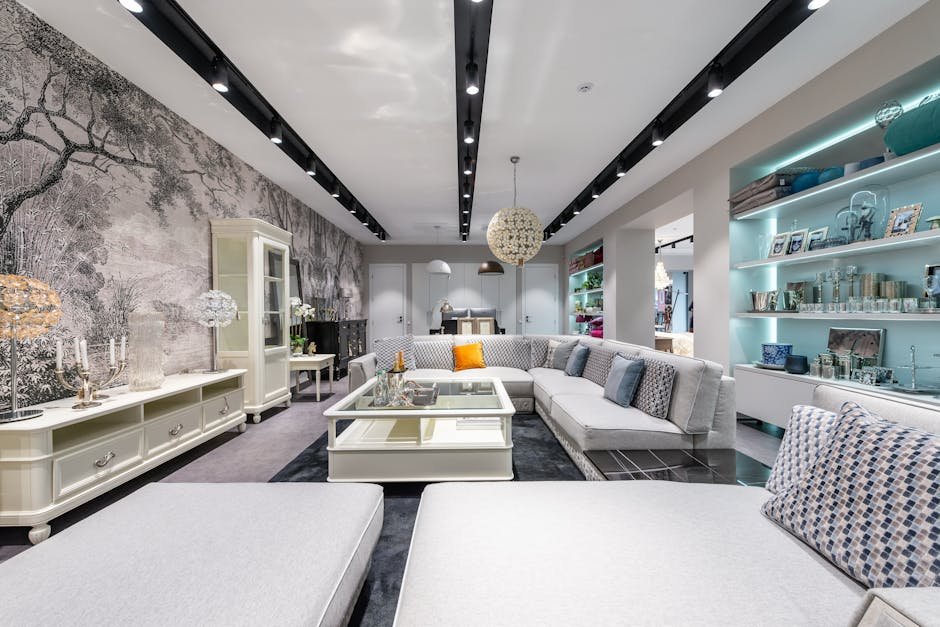
Have you ever wondered how many end tables your living room really needs? Choosing the right number isn’t just about filling space—it’s about creating balance, comfort, and style in a room where you spend so much time.
Too few, and you might miss out on convenient spots for your coffee, books, or decor. Too many, and the room can feel cluttered and cramped. You’ll discover the simple guidelines to help you decide exactly how many end tables will make your living room both beautiful and functional.
Keep reading to transform your space effortlessly.
Factors Affecting End Table Quantity
The number of end tables in a living room depends on many things. It is not just about style but also about space and use.
Knowing what affects the count helps you choose the right amount. This keeps the room balanced and useful.
Room Size And Layout
Big rooms can hold more furniture, including more end tables. Small rooms need fewer tables to avoid clutter.
The shape and layout also matter. Some layouts leave space for side tables, while others do not.
- Large square rooms may fit two or more end tables
- Long narrow rooms might need fewer tables
- Open layouts allow flexible table placement
Seating Arrangement
The number and type of seats affect how many end tables you need. Each seat may need a table nearby for comfort.
Couches, armchairs, and loveseats all add to the need for tables. More seats usually mean more tables.
- Two couches facing each other may use two end tables
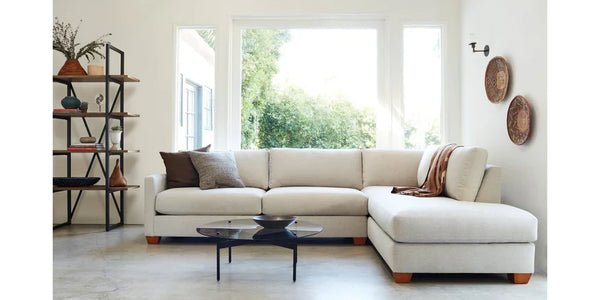
- A sectional might need one or two tables at ends
- Single chairs often need their own small table
Functionality Needs
Think about how you use the living room. Tables hold lamps, drinks, books, or decor. This guides the number you want.
If you like to keep things handy, you need more tables. If you prefer a clear space, fewer tables work better.
- Need space for lamps or lights
- Want places to set drinks or snacks
- Use tables for storage or display

Credit: www.mcgeeandco.com
Common End Table Placement Ideas
End tables add style and function to a living room. They give space for lamps, drinks, and decorations. Choosing the right place for end tables helps the room look balanced and cozy.
Below are popular spots to place end tables. These ideas help you decide how many you need and where to put them.
Next To Sofas
Placing end tables next to sofas is the most common idea. They offer a spot to set drinks or books within easy reach. Usually, one or two end tables fit well depending on the sofa size.
- Place an end table at each arm of a large sofa
- Use one end table beside a small or loveseat sofa
- Match table height with sofa arm height for comfort
Beside Chairs
End tables next to chairs create a cozy and functional corner. They hold lamps or small items while keeping the area neat. One end table per chair is common but can vary by room size.
| Chair Type | Recommended End Tables |
|---|---|
| Single armchair | One small end table |
| Pair of chairs | One end table between them or one each |
| Recliner chair | One sturdy end table for controls and drinks |
Corners And Empty Spaces
Empty corners or gaps can feel dull. Adding an end table fills space and adds style. Use these tables for plants, lamps, or decorations to brighten the room.
Tips for Corner End Tables
- Choose triangular or round tables for tight corners
- Keep the table size small to avoid crowding
- Use light colors to keep corners open and airy
Balancing Style And Practicality
End tables add both style and function to your living room. They offer space for lamps, drinks, and decorations. The right number of tables depends on your needs and space.
Finding the perfect balance between style and practicality is key. Consider how many tables fit your room without feeling crowded.
Matching Table Styles
Tables should match your room's style. Choose designs that blend with your existing furniture. This creates a cohesive look.
If your room has modern furniture, pick tables with sleek lines. For traditional styles, choose tables with classic designs.
- Modern styles: clean lines, minimal details
- Traditional styles: ornate details, rich finishes
- Eclectic styles: mix and match different designs
Choosing The Right Size
Consider the size of your room when selecting tables. Large rooms can handle bigger tables. Smaller spaces need compact tables.
Ensure the height of the tables matches the furniture. Tables should be level with or slightly lower than the arm of your sofa or chairs.
| Room Size | Recommended Table Size |
| Large | Bigger tables |
| Small | Compact tables |
Material And Finish Choices
The material of your tables affects durability and style. Wood offers warmth and sturdiness. Glass gives a modern touch and makes spaces look open.
Choose finishes that complement your room. Dark finishes add elegance, while light finishes create a fresh feel.
- Wood: warm, sturdy, traditional
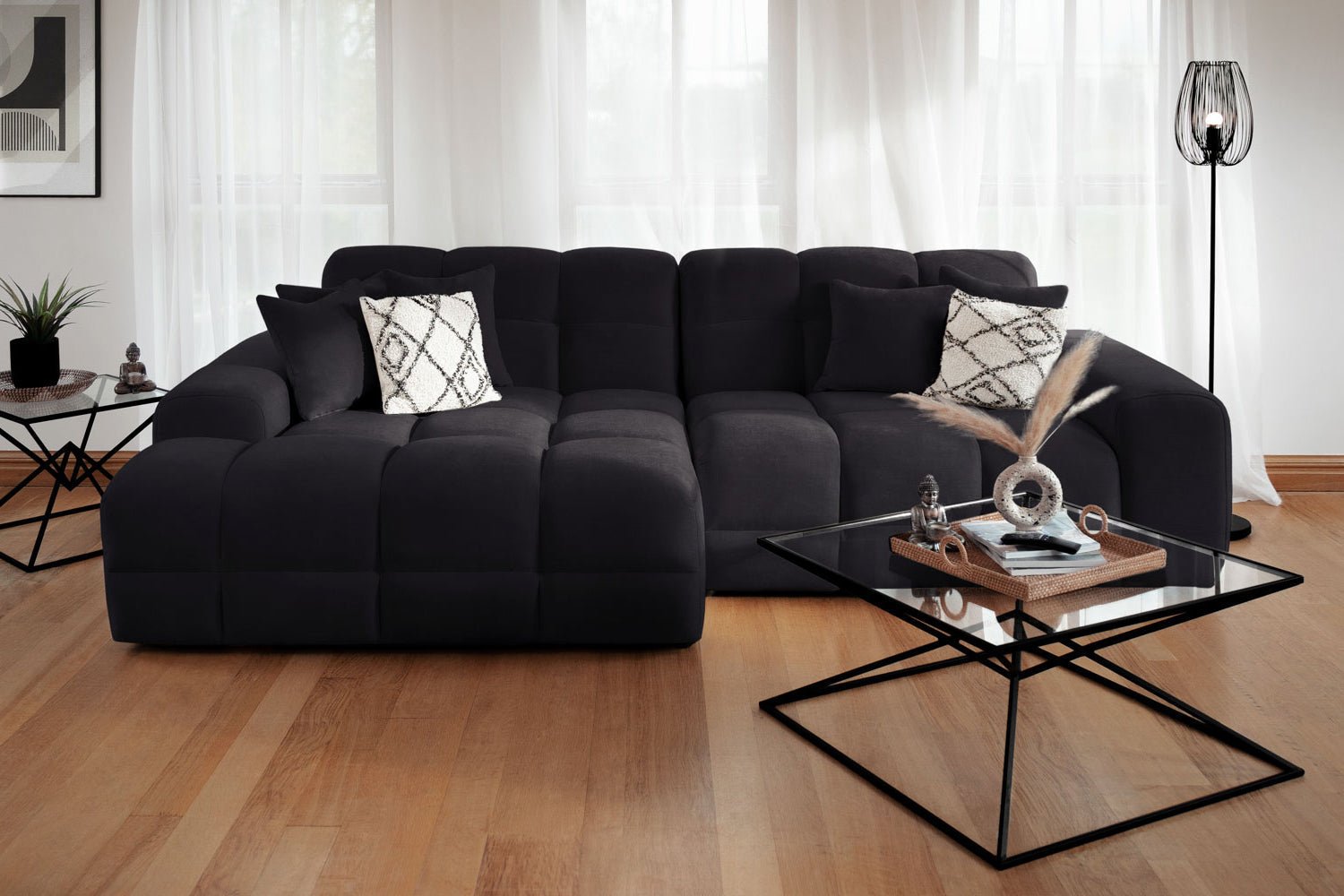
- Glass: modern, open, sleek
- Metal: industrial, durable, stylish

Credit: www.yahoo.com
Tips For Small Living Rooms
Small living rooms need smart choices for furniture. End tables help with storage and style.
Choosing the right number and type of end tables saves space and keeps rooms tidy.
Multi-functional Tables
Multi-functional tables serve more than one purpose. They save space and add convenience.
Look for tables with shelves, drawers, or that can be used as storage boxes.
- Tables with built-in storage hold books and remotes
- Nesting tables fit together to save space
- Tables that can be used as stools add seating options
Space-saving Designs
Choose small or slim tables to keep the room open. Avoid bulky furniture in small spaces.
Round or oval tables fit better in tight corners and prevent accidents.
- Use wall-mounted shelves as side tables
- Pick tables with thin legs to look less heavy
- Choose lightweight tables for easy moving
Minimalist Approaches
Keep only one or two end tables in small rooms. This reduces clutter and opens space.
Simple designs with clean lines fit well in small rooms and look tidy.
- Pick tables with neutral colors to blend with the room
- Use one table for both sides of a sofa if possible
- Clear surfaces make the room feel larger
Considerations For Large Living Rooms
Large living rooms offer more space to arrange furniture creatively. Choosing the right number of end tables can enhance both style and function. It is important to plan carefully so the room feels balanced and inviting.
End tables help fill space and provide surfaces for lamps, drinks, and decor. Too few tables can leave the room feeling empty. Too many can make it look cluttered. Use these ideas to decide how many to add.
Creating Conversation Areas
Large rooms can have more than one seating group. End tables help separate these zones and make each area comfortable. Place tables next to chairs and sofas to hold items guests might need.
- Use small end tables to mark each seating group.
- Keep tables within easy reach of seats.
- Mix shapes and heights for visual interest.
- Allow enough space for people to move around.
Using Multiple Tables
Large living rooms can hold several end tables. Grouping tables can add function and style. You can use matching tables for a uniform look or mix styles to add character.
| Table Placement | Benefit | Tip |
|---|---|---|
| Between two sofas | Shared surface for both | Use a longer table for balance |
| Next to a reading chair | Space for books and lamps | Choose a sturdy table |
| Near a window | Spot for plants or decor | Pick weather-resistant materials |
Maintaining Visual Balance
Too many tables can crowd a room. Too few make it feel empty. Balance is key. Place tables evenly and consider the size of furniture around them.
Tips for Visual Balance
- Match table height with sofa or chair arms.
- Keep spacing between tables consistent.
- Use tables that complement the room’s style.
- Avoid blocking pathways with tables.

Credit: www.brookfieldresidential.com
Alternative Surfaces To End Tables
End tables are common in living rooms, but they are not the only option. There are many other surfaces that can hold lamps, drinks, and decor.
These alternatives can save space or add style. They can suit different needs and room layouts better than traditional end tables.
Ottomans And Benches
Ottomans and benches work well as surfaces and extra seating. They often have flat tops that can hold trays, books, or snacks.
- Choose ottomans with firm tops for stability.
- Benches can be placed along the sofa side for easy access.
- Some ottomans come with storage inside, adding function.
- Soft surfaces can be covered with trays to prevent spills.
Floating Shelves
Floating shelves attach to walls and free up floor space. They offer a modern look and keep items within reach.
These shelves work best in small rooms or when you want to avoid clutter on the floor.
| Benefits | Considerations |
|---|---|
| Saves floor space | Must be installed securely |
| Keeps items visible and accessible | Limited weight capacity |
| Can be placed at any height | Less surface area than tables |
Nesting Tables
Nesting tables are sets of small tables that fit together. You can pull them out as needed and tuck them away to save space.
- Use one or more tables depending on the need.
- They come in different shapes and materials.
- Great for flexible living room arrangements.
- Easy to move around for extra surface space.
Frequently Asked Questions
How Many End Tables Are Ideal For A Living Room?
Typically, one to two end tables work best. They provide balance and functionality without cluttering the space. Consider room size and seating layout when deciding the number.
Should End Tables Match The Living Room Decor?
Yes, matching end tables with decor enhances room cohesion. Choose styles and colors that complement furniture and overall design for a harmonious look.
Where Should End Tables Be Placed In A Living Room?
Place end tables next to sofas or chairs for easy access. Position them where they hold lamps, drinks, or decorative items conveniently.
Can I Use Different Styles Of End Tables Together?
Mixing styles can add visual interest if done thoughtfully. Keep a common theme or color to maintain balance and avoid a chaotic look.
Conclusion
Choosing the right number of end tables depends on your room size. One or two end tables usually work well in most living rooms. They help keep things handy and add style. Avoid crowding the space with too many tables.
Think about how you use the room every day. Balance comfort with function to make your space inviting. Small rooms need fewer tables to stay open and neat. Bigger rooms can hold more without feeling cluttered. Keep it simple and practical for the best look.