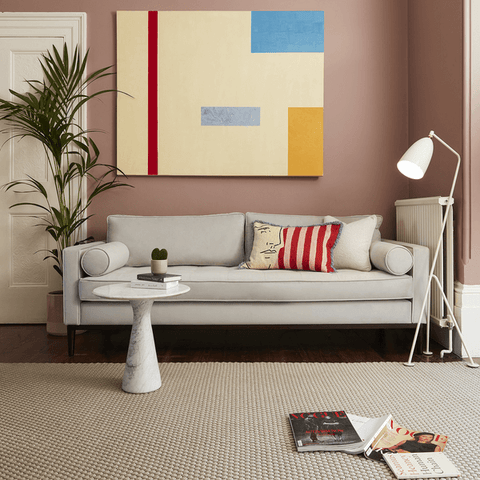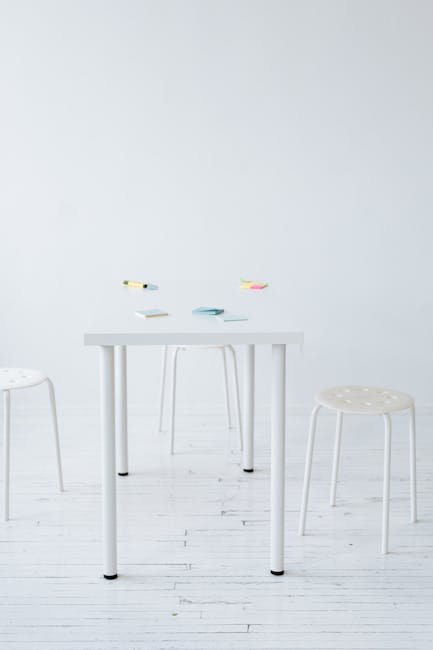
Are you wondering how many end tables you really need in your living room? Choosing the right number can make a big difference in how your space looks and feels.
Too few, and you might miss out on convenience and style. Too many, and your room can feel cluttered and cramped. You'll discover simple tips to find the perfect balance. By the end, you’ll know exactly how to create a living room that’s both functional and inviting—just for you.
Keep reading to unlock the secret to your ideal setup!
Choosing End Table Quantity
End tables add style and function to your living room. Picking the right number helps keep the space balanced.
Too many tables can crowd the room. Too few may leave your space feeling empty or less useful.
Assessing Room Size
Look at the size of your living room first. Small rooms need fewer end tables to avoid clutter.
Bigger rooms can hold more tables. Make sure there is enough space to walk around comfortably.
- Small room: 1 or 2 end tables
- Medium room: 2 to 3 end tables
- Large room: 3 or more end tables
Considering Seating Arrangement
Count how many seats you have in the living room. Each seating area might need an end table nearby.
Place tables where people can reach them easily. This makes the space more practical and cozy.
- Single sofa: 1 end table on one side
- Sectional sofa: 2 or more end tables
- Multiple chairs: End tables between or beside seats
Functionality Needs
Think about what you use end tables for. Some people need space for lamps, drinks, or books.
Choose the number of tables based on your daily activities and storage needs.
- Need lighting? Add tables for lamps
- Host often? More tables for drinks and snacks
- Like to read? Add tables for books and magazines

Credit: www.amazon.com
Balancing Aesthetics And Practicality
Choosing how many end tables to place in your living room affects both style and function. It is important to find the right balance between how the space looks and how it works for daily use.
End tables provide a spot for lamps, drinks, and decor. Too many or too few can change the room's feel and usability. Consider style, symmetry, and access when deciding.
Matching Furniture Style
End tables should blend well with your sofa and other furniture. Matching shapes, colors, and materials keep the room cohesive. This creates a polished and inviting space.
- Choose tables with similar wood tones or finishes
- Match metal or glass elements for a modern look
- Pick styles that complement your sofa’s design
- Use matching lamps or decor to tie the look together
Creating Visual Symmetry
Symmetry makes a living room feel balanced and calm. Placing end tables evenly helps with this. If your seating is symmetrical, use two tables for a neat look.
| Seating Arrangement | Recommended End Tables |
|---|---|
| Two sofas facing each other | Two end tables, one beside each sofa |
| Sectional sofa | One or two tables depending on size |
| Single sofa with chairs | Two tables, one on each side of the sofa |
| Loveseat only | One small end table |
Maintaining Easy Access
End tables must be easy to reach without crowding the space. Keep enough room for walking and sitting comfortably. Avoid blocking pathways or creating clutter.
Tips for easy access:
- Place tables within arm’s reach of seating
- Leave at least 18 inches between tables and sofas
- Use round tables in small spaces to avoid sharp edges
- Keep pathways clear for smooth movement
Popular End Table Layouts
End tables add charm and functionality to your living room. They help in organizing space and can enhance the room's decor. Let's explore different ways to arrange end tables.
Understanding the best layout can maximize your space and meet your needs. Here are some popular setups to consider.
Single End Table Setup
A single end table is perfect for small spaces. It offers a spot for a lamp or your favorite book.
- Ideal for compact areas
- Can hold small decorative items
- Often placed beside a sofa or chair
Pairing End Tables
Pairing end tables creates symmetry in the room. They frame your sofa and add balance.
In a paired setup, tables often flank the sofa, offering a balanced look and easy access from both ends.
Multiple Table Arrangements
Using multiple end tables can suit larger living rooms. It allows for varied table heights and styles.
| Arrangement | Best For |
| Single | Small Spaces |
| Pairing | Symmetry |
| Multiple | Large Rooms |
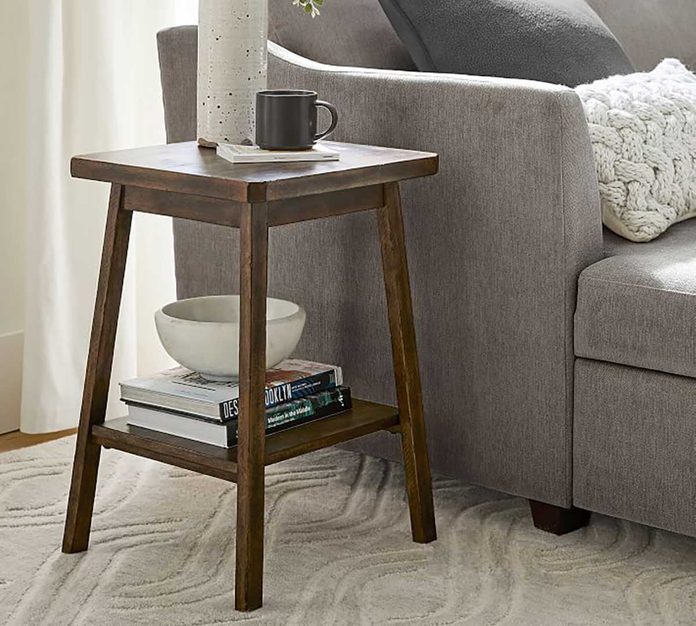
Credit: www.familyhandyman.com
Material And Size Choices
Choosing the right end tables for your living room can change the look and feel. Material and size play important roles in this choice. They affect style, function, and space.
Consider the size of your room and the furniture around before picking your tables. The material should match or complement your living room decor.
Choosing Table Height
Table height must fit the height of your sofa or chair. A good rule is to keep the table surface about the same height as the arm of your seat. This makes it easy to reach items on the table.
- Low tables suit low sofas or lounge chairs.
- Taller tables work well with high-back seating.
- Consider adjustable height tables for flexibility.
Selecting Materials And Finishes
Material choice affects durability and style. Wood is warm and classic. Metal adds a modern or industrial touch. Glass can make a room feel open and light.
| Material | Benefits | Style |
| Wood | Durable, warm | Traditional, rustic |
| Metal | Strong, sleek | Modern, industrial |
| Glass | Light, airy | Contemporary, elegant |
| Plastic | Lightweight, colorful | Casual, playful |
Considering Storage Options
Storage can add function to your end tables. Drawers and shelves hold remotes, books, or snacks. Choose tables that fit your storage needs without crowding the room.
Common storage features include:
- Drawers for small items
- Open shelves for books or decor
- Hidden compartments for clutter
Tips For Small Living Rooms
Adding end tables to a small living room needs careful planning. Too many tables can clutter the space. Too few may reduce functionality.
Use smart choices to keep your room open and useful. Here are some ideas to help you decide how many end tables to use and which types work best.
Space-saving Table Ideas
Choose tables that fit well without crowding the room. Look for slim or stackable designs to save space.
- Use narrow tables that fit beside chairs or sofas.
- Pick nesting tables that can be stored under each other.
- Consider wall-mounted tables to free floor space.
- Look for tables with open legs to keep the room airy.
Multi-functional Pieces
Choose end tables that serve more than one purpose. This helps reduce the number of pieces in a small living room.
| Table Type | Function |
| Storage Table | Holds books, remotes, and small items |
| Ottoman Table | Acts as a seat, table, and storage |
| Foldable Table | Easily moves or stores away when not used |
| Tray Table | Works as a serving tray and side table |
Minimalist Approaches
Less is more in a small living room. Keep your end tables simple and few to avoid clutter.
Try these minimalist tips:
- Limit yourself to one or two end tables only.
- Choose tables with clean lines and neutral colors.
- Pick pieces that blend with your furniture style.
- Remove any unnecessary items from table surfaces.
Styling End Tables
End tables add style and function to your living room. They hold items you want close at hand. Choosing the right decor makes them stand out.
Use end tables to balance the room’s look. They can carry lamps, plants, or decorative pieces. Style them to match your room’s mood.
Decorative Accents
Decorative accents bring personality to your end tables. Small objects add charm without clutter. Pick items that reflect your style.
- Place a small sculpture or figurine
- Add a stack of your favorite books
- Use a decorative tray to group items
- Display a candle or small vase
- Choose colors that match your room
Lighting Placement
Lighting on end tables helps create a warm atmosphere. Proper placement makes reading easier and highlights decor. Use lamps that fit the table size.
| Type of Lamp | Best Placement | Lighting Effect |
|---|---|---|
| Table Lamp | Center or side of table | Soft, direct light for reading |
| Small LED Lamp | Corner of table | Accent lighting for decor |
| Battery-Operated Lamp | Anywhere without outlet | Portable, gentle light |
Incorporating Greenery
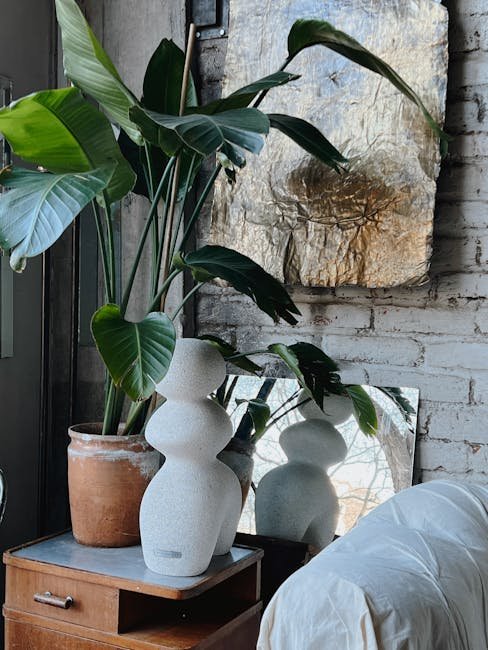
Greenery adds freshness and color to end tables. Plants also improve air quality. Choose plants that need little care for convenience.
Here are some ideas for placing plants on your end tables:
- Use a small potted succulent or cactus
- Try a trailing plant in a hanging pot above
- Place a fern or small leafy plant in a bright spot
- Combine plants with decorative stones or moss

Credit: belleze.com
Frequently Asked Questions
How Many End Tables Should I Have In My Living Room?
Typically, 2 to 3 end tables work well in most living rooms. Place them beside sofas or chairs for convenience and balance.
Where Is The Best Place To Put End Tables?
End tables are best placed next to seating areas. They provide easy access to drinks, lamps, or decor items.
What Size End Tables Suit A Living Room?
Choose end tables about the same height as your sofa arms. This ensures comfort and maintains a cohesive look.
Can I Mix Different Styles Of End Tables?
Yes, mixing styles adds character and interest. Just keep a consistent color or material theme for harmony.
Conclusion
Choosing the right number of end tables depends on your space and needs. One table might suit a small room, while larger rooms can hold two or more. Think about where you relax and what you want nearby. End tables add convenience and style to your living room.
Keep your space balanced and easy to move around. Simple choices often work best. In the end, your living room should feel cozy and practical.