Have you ever wondered how many beds should fit comfortably in your bedroom? It’s a question that seems simple but can change the way your space feels and functions.
Whether you’re setting up a guest room, a kid’s room, or your own cozy retreat, the right number of beds can make a huge difference. You’ll discover the perfect balance between comfort and style, helping you create a bedroom that works just for you.
Keep reading—you’re about to unlock easy tips that make your bedroom both inviting and practical.

Ideal Bed Sizes For Bedrooms
Choosing the right bed size is important for comfort and space in your bedroom.
This guide explains common bed sizes and which rooms they fit best.
Single And Twin Beds
Single and twin beds are perfect for small bedrooms or children's rooms. They save space and provide enough room for one person.
- Single bed size: 39 inches wide by 75 inches long
- Twin bed size: usually the same as single
- Fits well in rooms smaller than 10x10 feet
Full And Double Beds
Full and double beds offer more width than single beds. They fit single sleepers who want extra space or smaller guest rooms.
| Bed Type | Width | Length |
| Full | 54 inches | 75 inches |
| Double | 54 inches | 75 inches |
Queen Beds
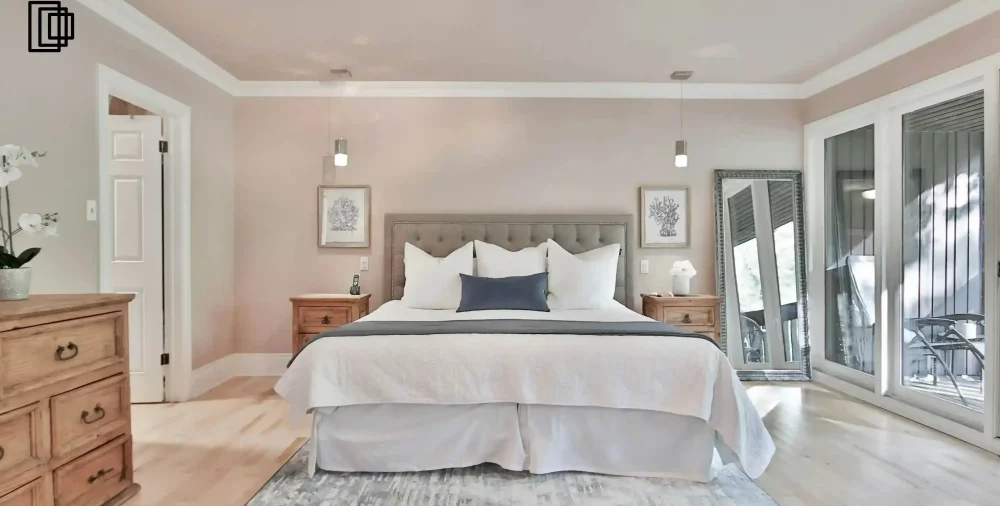
Queen beds are a popular choice for master bedrooms. They offer enough room for two people and fit most spaces comfortably.
A queen bed measures 60 inches wide by 80 inches long. It balances space and comfort well.
King And California King Beds
King and California king beds provide the most space for couples. They suit large bedrooms and offer luxury sleeping areas.
- King bed size: 76 inches wide by 80 inches long
- California king size: 72 inches wide by 84 inches long
- Choose based on room size and personal length needs

Assessing Bedroom Dimensions
Knowing the size of your bedroom helps decide how many beds fit well. It also guides you in arranging furniture comfortably.
Start by measuring the room and checking important features like ceiling height and openings. These details matter for good space planning.
Measuring Room Size
Measure the length and width of the bedroom using a tape measure. Note down the exact numbers in feet or meters.
Calculate the total floor area by multiplying length by width. This tells you how much space you have for beds and other furniture.
- Use a laser measure for accuracy if available
- Measure from wall to wall at floor level
- Write down numbers carefully for reference
Considering Ceiling Height
Ceiling height affects how large furniture feels in the room. Low ceilings may make a big bed seem crowded.
Measure from floor to ceiling in several spots. Use the lowest height to plan your bedroom layout safely.
- Standard ceiling height is about 8 feet (2.4 meters)
- Higher ceilings create a more open feel
- Low ceilings limit tall bed frames or bunk beds
Accounting For Doors And Windows
Doors and windows take wall space and affect where beds fit. Check their size and location carefully.
Measure door and window widths and how far they are from corners. Avoid blocking these openings with beds.
| Feature | Why It Matters | What to Measure |
|---|---|---|
| Doors | Need space to open fully | Width and distance from corners |
| Windows | Provide light and ventilation | Width, height, and sill height |
| Closets | May affect bed placement | Door swing and space needed |
Balancing Bed Quantity And Space
Choosing the right number of beds in a bedroom is important. Too many beds can make the room feel crowded.
Too few beds might not meet your needs. Balancing bed quantity and space helps create a comfortable room.
Single Vs Multiple Beds
Single beds are perfect for small rooms or one person. Multiple beds work well in shared bedrooms.
Adding more beds reduces free space. Plan carefully to keep room easy to move in.
- Single bed fits well in small rooms
- Two or more beds for siblings or guests
- Keep enough walking space around beds
Bunk Beds And Loft Beds
Bunk beds stack two beds vertically. They save floor space for other uses.
Loft beds raise the bed off the floor. You can use space below for a desk or storage.
- Bunk beds fit two sleepers in one floor space
- Loft beds create extra space below the bed
- Both options free up room for activities
Using Daybeds And Sofa Beds
Daybeds work as a sofa by day and a bed by night. They fit well in small or multipurpose rooms.
Sofa beds fold out to become a bed. They are good for guest rooms or living areas.
- Daybeds add seating and sleeping space
- Sofa beds save space in living rooms
- Both options offer flexible room use
Comfort Factors Beyond Bed Size
Choosing how many beds to have in a bedroom is not only about size. Comfort depends on many other things. These include mattress quality, pillows, bedding, and space to move around.
Understanding these comfort factors helps you create a better sleeping space. It makes the room cozy and functional, no matter the bed size.
Mattress Thickness And Firmness
The thickness of a mattress affects how soft or hard it feels. A thicker mattress usually gives more support and comfort. Firmness is about how much the mattress pushes back when you lie down.
People have different needs for mattress firmness. Some like soft mattresses that hug the body. Others prefer firm mattresses for better spine support.
- Thick mattresses add extra cushioning
- Firm mattresses prevent back pain
- Medium firmness suits most sleepers
Pillow And Bedding Choices
Pillows play a big role in comfort. The right pillow supports your head and neck well. Bedding materials also affect how warm or cool you feel during sleep.
Choosing soft, breathable sheets can improve sleep quality. Different pillow types fit different sleeping positions and preferences.
- Memory foam pillows reduce pressure points
- Cotton sheets allow good air flow
- Flannel bedding keeps you warm in winter
Space For Movement
Having enough room to move around in the bedroom adds comfort. Crowded spaces can make sleep feel restless. Space lets you stretch and change positions easily.
Consider leaving clear walking paths and enough space beside the bed. This helps prevent bumps and makes the room feel open and calm.
- At least 2 feet of walking space around the bed
- Room for nightstands and easy access
- Clear space helps with relaxation and safety
Design Tips For Bedroom Layouts
Choosing how many beds to place in a bedroom can affect the room's comfort and use. Planning the layout helps create a nice space to rest and relax.
This guide offers simple tips to design bedrooms with smart bed placement and good use of space.
Maximizing Floor Space
Using the floor space well makes the room feel bigger and less crowded. Choose beds that fit the room size without blocking walking paths.
Place beds against walls or in corners to open the center. Consider bunk beds or loft beds for small rooms.
- Use smaller beds in small rooms
- Push beds against walls
- Try bunk or loft beds to save floor space
- Keep pathways clear around beds
Creating Cozy Zones
Divide the bedroom into areas for different activities. A cozy zone can be a place to read or relax apart from the bed.
Use rugs, lighting, or furniture to mark these zones. This helps the room feel welcoming and organized.
- Use rugs to define spaces
- Add soft lighting near seating areas
- Place chairs or small sofas away from beds
- Create a reading nook if space allows
Incorporating Storage Solutions
Storage helps keep bedrooms tidy and free of clutter. Use beds with built-in drawers or under-bed boxes for extra storage.
Wall shelves and closets also add space for clothes and personal items without taking floor space.
- Choose beds with storage drawers
- Use under-bed storage containers
- Install wall shelves for books and decor
- Keep closets organized with boxes and hangers
Special Considerations For Different Users
Choosing the number of beds for a bedroom depends on who uses it. Different users have different needs.
Some rooms need more beds, others need fewer. Consider the room's purpose and who will sleep there.
Kids’ Bedrooms
Kids’ bedrooms often need more beds. Bunk beds save space and are fun for kids.
Consider safety and space in the room. Kids need room to play and study.
- Bunk beds for two kids
- Single bed for one child
- Space for toys and study
Guest Rooms
Guest rooms should be flexible. A queen bed suits couples. Two single beds suit friends.
Think about how often guests visit. Add extra bedding for comfort.
- Queen bed for couples
- Two singles for flexibility
- Extra bedding for comfort
Shared Bedrooms
Shared bedrooms need careful planning. Balance privacy and space for everyone.
Consider storage needs and space for personal items. Separate beds are ideal.
- Separate beds for privacy
- Shared storage solutions
- Space for personal items
Safety And Accessibility
Creating a safe and accessible bedroom is important for everyone. It ensures comfort and ease of movement.
When planning a bedroom layout, consider how many beds are needed. This affects safety and accessibility.
Clearance Around Beds
Clearance around beds is crucial for safe movement. It prevents accidents and ensures easy access.
- Leave at least 24 inches of space on each side of the bed.
- Ensure pathways are free of obstacles.
- Use non-slip rugs to prevent falls.
Ease Of Entry And Exit
Getting in and out of bed should be easy and safe. This is important for all ages, especially the elderly.
| Bed Height | Recommended Height |
| Standard | 24 inches |
| Low | 18 inches |
| High | 30 inches |
Accommodating Mobility Needs
Accommodating mobility needs is essential for accessibility. Consider the specific requirements of the bedroom user.
Install grab bars near the bed for additional support. Use adjustable beds for those with limited mobility.
Frequently Asked Questions
How Many Beds Fit Comfortably In A Bedroom?
The number of beds depends on room size and bed dimensions. A standard bedroom fits one queen or two twin beds comfortably, allowing space for movement and furniture.
What Bedroom Size Suits Two Beds Best?
A bedroom of at least 12x12 feet suits two twin beds. Larger rooms can accommodate bigger beds or additional furniture without crowding.
Can A Bedroom Hold More Than Two Beds?
Yes, larger bedrooms or shared rooms can hold three or more beds. Bunk beds or loft beds save space and increase bed capacity.
How To Arrange Multiple Beds In One Bedroom?
Arrange beds parallel or in an L-shape to maximize space. Leave enough walking space and access to windows and doors for comfort.
Conclusion
Choosing the right number of beds depends on room size and needs. Think about who will sleep there and how much space they need. A small room fits one bed best. Bigger rooms can hold two or more comfortably. Keep space for moving and furniture too.
This helps the room feel open and cozy. Planning well makes your bedroom both useful and nice. Simple choices lead to better rest and comfort every night.