Are you wondering how much space you really need for a full size bed in your bedroom? It’s more than just fitting the bed itself—your room should feel comfortable, not cramped.
Imagine waking up every day with enough space to move freely, place your furniture, and create a cozy retreat. You’ll discover the ideal bedroom size for a full size bed and practical tips to make the most of your space.
Keep reading to transform your bedroom into a perfect balance of comfort and style.

Full Size Bed Dimensions
Choosing the right bedroom size is important for comfort. A full size bed fits well in many rooms. Knowing its dimensions helps plan your space.
This guide explains the size of a full size bed and the space needed around it. You will learn about mattress size, frame, and bedding space.
Standard Mattress Size
A full size mattress is also called a double mattress. It is wider than a twin but smaller than a queen.
The standard size helps you know how much room the mattress alone will take up in your bedroom.
| Dimension | Size (inches) | Size (centimeters) |
|---|---|---|
| Width | 54 | 137 |
| Length | 75 | 191 |
Frame And Bedding Space
A bed frame adds extra size beyond the mattress. It may include headboards, footboards, and side rails.
Bedding like comforters and sheets also needs extra space. Allow room to move around the bed comfortably.
- Allow at least 2 feet (60 cm) of walking space around the bed
- Bed frames can add 2-6 inches (5-15 cm) to mattress width and length
- Make space for nightstands and other furniture near the bed

Bedroom Space Needs
Choosing the right bedroom size is important for comfort and function. A full size bed needs enough room for sleeping and moving around.
This guide explains the space needed for a full size bed. It covers minimum room size, ideal dimensions, and walking space.
Minimum Room Size
The smallest room for a full size bed should fit the bed and some space to move. A full bed is 54 inches wide and 75 inches long.
The minimum room size is usually about 9 feet by 9 feet. This space fits the bed and leaves little room for other furniture.
Ideal Room Dimensions
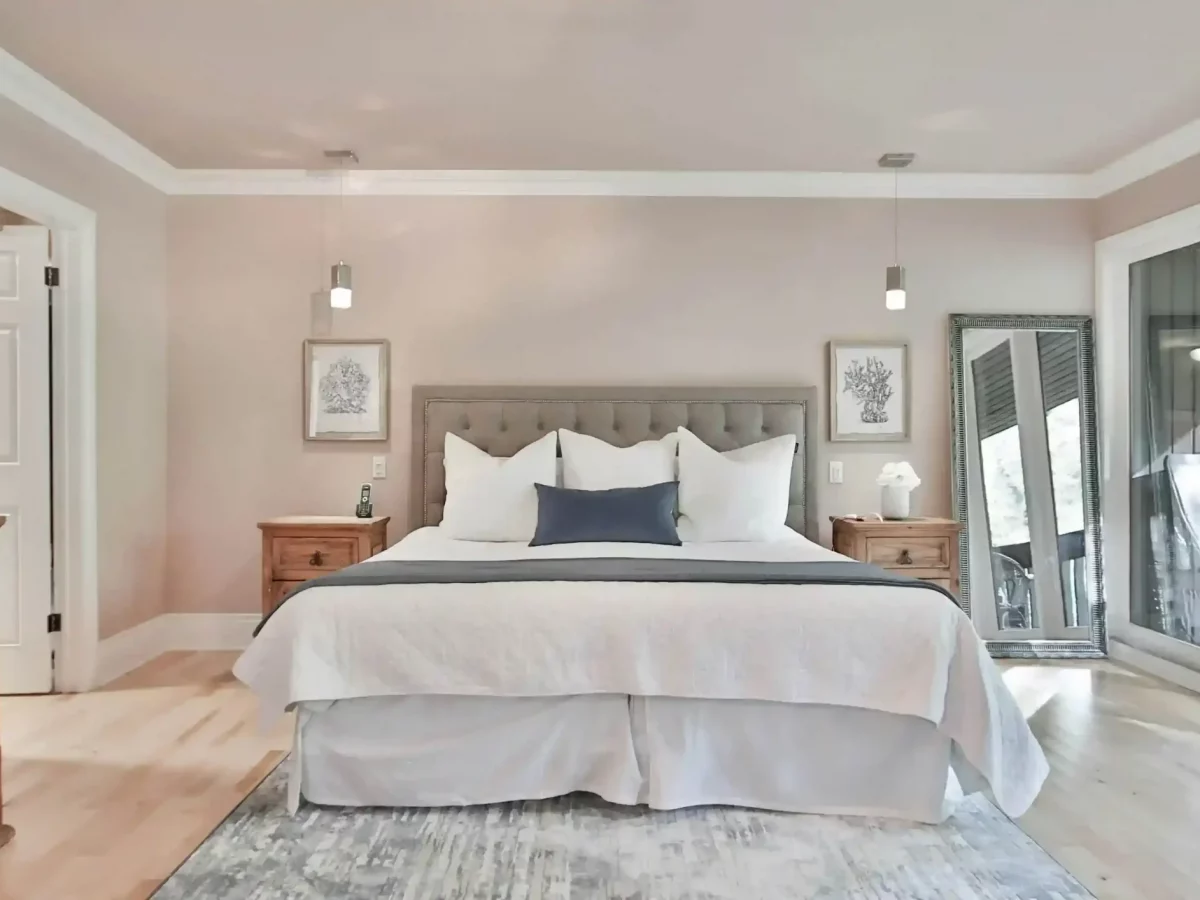
An ideal bedroom size gives more comfort and space for furniture. Rooms around 10 feet by 12 feet work well for a full size bed.
This size allows space for dressers, nightstands, and walking. It makes the room feel open and not crowded.
Allowing Walking Space
Walking space around the bed is important for safety and ease. At least 2 feet of clear space on each side is best.
- 2 feet on each side lets you move freely
- 2 feet at the foot of the bed helps access
- Less than 2 feet can feel cramped and hard to use
Furniture Placement Tips
Choosing the right furniture placement helps your bedroom feel comfortable. It makes the room easy to use and look neat.
This guide explains how to place furniture around a full size bed. It shows smart ways to fit everything nicely.
Bed Positioning
Place the full size bed so you have space to walk on both sides. Leave at least 24 inches of clear space around the bed.
Center the bed on the main wall or under a window if it fits well. Avoid blocking doors or windows with the bed frame.
- Keep 24 inches clear on each side
- Center bed on the longest wall
- Do not block windows or doors
Nightstands And Storage
Nightstands should fit beside the bed without crowding the space. Choose ones about 18 to 28 inches wide for a full size bed.
Use storage options like drawers or shelves to keep the room tidy. Avoid big furniture that makes the room tight.
- Nightstands 18-28 inches wide work best
- Use drawers or shelves for extra storage
- Keep pathways clear for easy movement
Additional Furniture
Add extra furniture only if space allows. Small dressers, chairs, or benches can fit if you plan well.
Measure the room first. Leave at least 18 inches of walking space around all furniture for comfort.
- Choose small or multi-use furniture
- Keep 18 inches walking space
- Avoid overcrowding the bedroom
Maximizing Small Bedrooms
Creating a comfortable space in small bedrooms can be challenging. A full-size bed requires strategic planning to maximize available room.
Smart choices in furniture, organization, and design can make a big difference in how spacious your bedroom feels.
Space-saving Furniture
Choosing furniture that serves multiple purposes is key in small spaces. Look for beds with built-in storage or foldable desks.
- Storage beds with drawers
- Wall-mounted shelves
- Fold-out desks
- Nesting tables
Decluttering Strategies
A clutter-free room feels larger and more inviting. Regularly sort and donate items you no longer need.
- Sort items into keep, donate, and discard piles
- Use baskets for organizing small items
- Install hooks for hanging accessories
Lighting And Mirrors
Lighting and mirrors can make a room appear larger. Use light colors and place mirrors to reflect light.
Try hanging a large mirror on the wall opposite a window to reflect natural light throughout the room.
Design Styles For Full Size Rooms
Choosing the right design style helps you make the most of a full size bedroom. The room size fits a full bed well, but the style guides how the space feels and works.
This guide covers three popular styles for full size rooms. Each style fits different needs and tastes.
Minimalist Approach
Minimalist design uses simple furniture and few decorations. It keeps the room open and calm. This style works well in smaller full size bedrooms.
- Choose a bed with clean lines and no extra details.
- Use light colors on walls and floors.
- Limit furniture to essentials like a nightstand and dresser.
- Keep surfaces clear to avoid clutter.
Cozy And Functional
This style makes the bedroom warm and useful. It mixes comfort with smart storage. A full size room can feel inviting without feeling crowded.
| Feature | Example |
| Furniture | Soft armchair, bed with storage drawers |
| Colors | Warm tones like beige or soft gray |
| Lighting | Layered lighting with lamps and ceiling lights |
| Decor | Textured pillows, rugs, and curtains |
Multi-purpose Spaces
Multi-purpose rooms serve more than one function. A full size bedroom can also be a workspace or a small lounge.
Tips for creating a multi-purpose full size room:
- Use a foldable desk or wall-mounted table.
- Choose a bed with storage underneath.
- Place shelves on walls to save floor space.
- Add a small chair that fits the room size.

Common Mistakes To Avoid
Choosing the right bedroom size for a full-size bed is important. It ensures comfort and functionality in your space.
Avoid common mistakes to maintain balance and ease of movement in your bedroom.
Overcrowding The Room
Putting too much furniture in a small room can make it feel cramped. Leave enough space for a comfortable environment.
- Keep pathways clear for walking
- Avoid placing large dressers too close to the bed
- Consider wall-mounted shelves to save floor space
Ignoring Traffic Flow
Traffic flow is key in a bedroom. It affects how you move around the space.
| Area | Recommended Clearance |
| Bedside | 24 inches |
| Foot of Bed | 36 inches |
| Doorways | 32 inches |
Choosing Wrong Furniture Size
Furniture that is too big or too small can disrupt the room's harmony. Match the furniture size to the room dimensions.
Measuring And Planning Tips
Choosing the right bedroom size for a full size bed is important. Proper planning helps fit the bed and other furniture comfortably.
Accurate measurements and good visualization make the room functional and cozy. Use simple tools and methods to plan well.
Using Floor Plans
Floor plans show the layout of your bedroom. They help you see where the bed and furniture will fit.
Create or find a floor plan before buying or moving the bed. This saves time and avoids mistakes.
- Draw the room shape on paper or use an app
- Mark door and window positions
- Add the full size bed dimensions (54" x 75")
- Include space for walking and other furniture
Measuring Tools
Use measuring tools to get exact room dimensions. Accurate measures help plan space around the bed.
Common tools are easy to use and affordable. Measure the length, width, and height of your bedroom.
- Tape measure for walls and furniture
- Laser measure for quick, precise results
- Ruler or yardstick for small areas
- Note down measurements carefully
Visualization Techniques
Visualizing the room helps imagine how the bed fits. It also shows if you have enough space for movement.
Use simple methods to picture the layout before moving furniture or painting walls.
- Place cardboard cutouts of the bed on the floor
- Use online room planners or apps
- Sketch the room and furniture on grid paper
- Move smaller furniture to test space
Frequently Asked Questions
How Much Space Is Needed For A Full Size Bed?
A full size bed typically measures 54 by 75 inches. You need at least 7 by 10 feet of room to fit it comfortably, allowing space for movement and furniture.
What Room Size Fits A Full Size Bed Best?
A bedroom of at least 10 by 10 feet is ideal for a full size bed. This size ensures enough space for additional furniture and easy navigation.
How Much Clearance Is Recommended Around A Full Bed?
Experts suggest leaving 2 to 3 feet of clearance on each side of a full bed. This allows comfortable walking space and easy bed access.
Can A Full Size Bed Fit In A Small Bedroom?
Yes, a full size bed fits well in small bedrooms around 9 by 9 feet. However, keep furniture minimal to maintain free space.
Conclusion
A full size bed needs enough space to fit comfortably. A bedroom around 10 by 10 feet works well. This size allows room to move and add furniture. Avoid tight spaces that feel cramped or cluttered. Think about your daily activities in the room.
A good layout helps you relax and sleep better. Choose a bedroom size that fits your bed and lifestyle. This keeps your space cozy and functional.