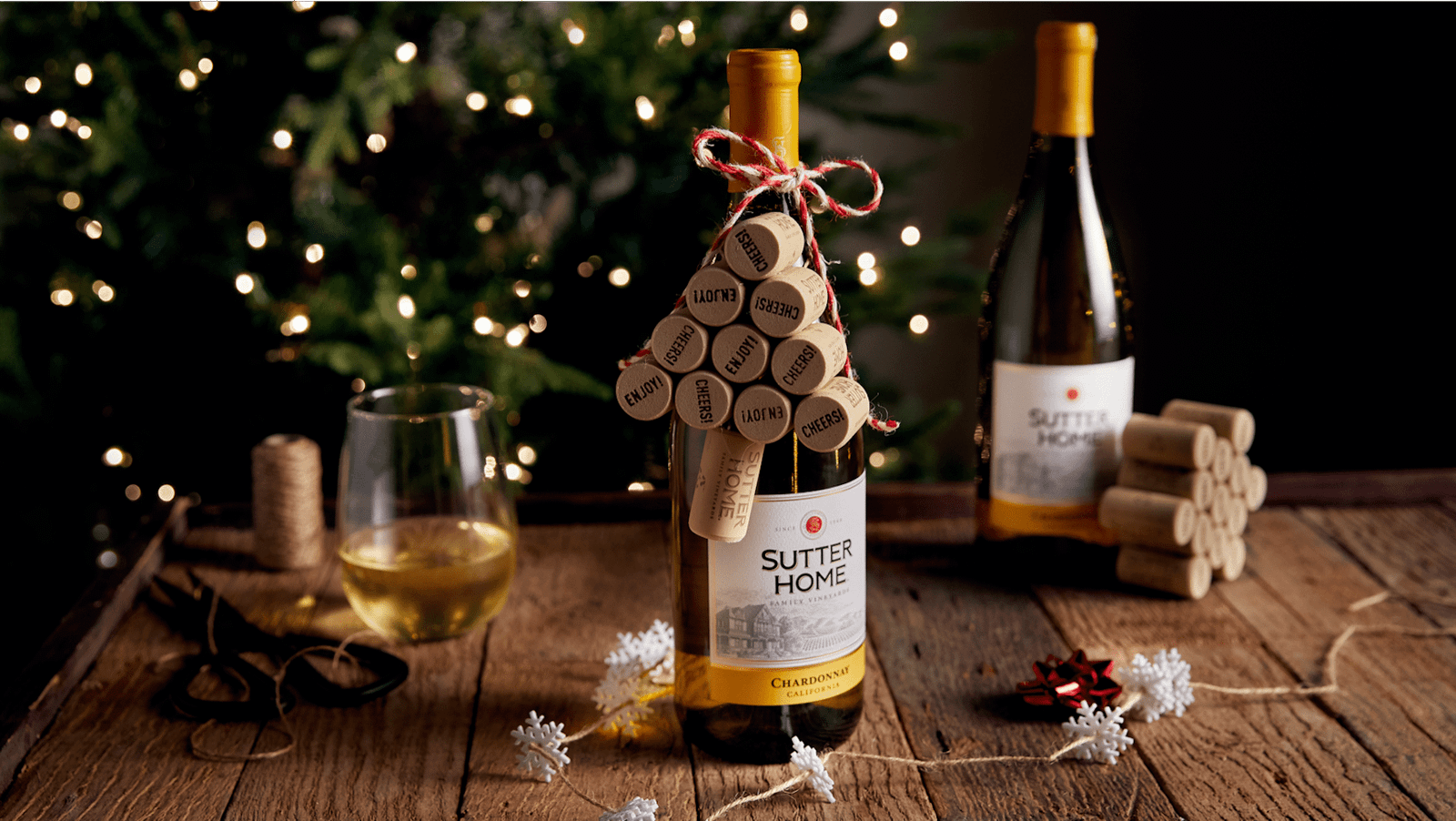
Are you curious about the little details that can make your wine experience better? If you’ve ever wondered, "Does Sutter Home wine have a cork?"
You’re not alone. Knowing whether your favorite bottle uses a cork or a screw cap can affect how you store, open, and enjoy it. You’ll discover the answer and learn why it matters for your next glass of wine. Keep reading to unlock the secrets behind Sutter Home’s packaging and enhance your wine moments.

Sutter Home Wine Packaging
Sutter Home is a popular wine brand known for its variety of wines. The packaging of their wine plays a key role in preserving freshness. This also affects how easy it is to open and enjoy the wine.
Many people ask if Sutter Home wines have a cork or another type of closure. The answer depends on the specific wine and packaging style.
Common Closure Types In Wine
Wine bottles use different closures to seal the bottle and keep the wine fresh. The most common types are corks, screw caps, and synthetic corks.
- Natural Cork:Made from tree bark, it allows small air exchange.
- Synthetic Cork:Made from plastic materials, it prevents air but feels like cork.
- Screw Cap:Made from metal, it seals the bottle tightly and is easy to open.
Sutter Home's Bottle Design
Sutter Home often uses screw caps for its wines. This type of closure keeps the wine fresh and makes opening easier. Screw caps are also reliable for preserving flavor.
Some special or limited edition Sutter Home wines may use natural corks. Their bottles usually have a simple, clear design with a label showing the wine variety and brand.
- Screw caps for most everyday wines
- Natural corks on select bottles
- Clear glass bottles with easy-to-read labels
- Standard bottle shapes for easy handling
Cork Vs. Screw Cap
Sutter Home Wine uses both cork and screw caps on their bottles. Choosing between cork and screw cap can affect wine quality and experience.
Cork and screw caps keep wine fresh but work in different ways. Each closure type has advantages for wine lovers.
Advantages Of Cork Closures
Cork is a traditional wine closure made from tree bark. Many people like cork for its natural feel and history.
Cork allows tiny amounts of air to enter the bottle. This helps wine age well and develop flavors over time.
- Natural and renewable material
- Allows slow oxygen flow to improve wine taste
- Famous for adding character to aged wines
- Easy to open with a corkscrew
- Often preferred for high-end wines
Benefits Of Screw Caps
Screw caps are metal closures that twist on and off. They create a tight seal to keep wine fresh.
Screw caps stop air from entering the bottle. This keeps wine fresh and prevents spoilage for a longer time.
- Strong seal prevents leaks and oxidation
- Easy to open without tools
- Good for wines meant to be drunk young
- Reduces risk of cork taint
- Consistent quality for every bottle
Closure Types Used By Sutter Home
Sutter Home uses different closures to seal their wines. These closures help keep the wine fresh. They also affect how the wine ages.
Understanding the closure type can help you know what to expect when you open a bottle. Some wines have corks, while others use alternative closures.
Wines With Cork Closures
Some Sutter Home wines use natural corks. Cork closures are traditional and allow small amounts of air to interact with the wine. This can help the wine develop flavors over time.
- Cabernet Sauvignon
- Merlot
- Chardonnay (select bottles)
- Pinot Grigio (select bottles)
Wines With Alternative Closures
Sutter Home also uses screw caps and synthetic corks. These closures are easy to open and prevent cork taint. They keep the wine fresh without aging it further.
| Closure Type | Description | Common Wines |
| Screw Cap | Metal cap that twists off easily. | White Zinfandel, Moscato |
| Synthetic Cork | Made of plastic materials, looks like cork. | Some Chardonnay, Pinot Grigio |
How To Identify Sutter Home's Closure
Sutter Home wines use different types of closures for their bottles. Knowing the closure type helps you open the bottle correctly. It also tells you about the wine’s freshness and storage.
This guide shows simple ways to spot if your Sutter Home wine has a cork or another type of closure.
Visual Inspection Tips
Look closely at the top of the wine bottle. Sutter Home bottles can have corks or screw caps. Here are some tips to identify them:
- A cork closure usually has a foil or plastic capsule covering the bottle neck.
- Screw caps have ridges and can be twisted open without a corkscrew.
- If you see a smooth metal cap with threads, it is a screw cap.
- Capsules that peel off easily often hide corks underneath.
Label And Packaging Clues
| Label Detail | Closure Type | Notes |
| “Cork” or “Natural Cork” mention | Cork | Look for wording on the label or back panel. |
| “Screw Cap” or “Twist Off” label | Screw Cap | Some bottles clearly state closure type. |
| Plastic capsule covering | Usually Cork | Capsules often cover corks for protection. |
| Metal cap with ridges | Screw Cap | Easy to identify by touch and look. |
Impact Of Closure On Wine Quality
Wine closures play a key role in keeping wine fresh. The choice between cork and other closures affects how the wine ages. This article looks at how closure types impact wine quality.
Sutter Home wines mostly use screw caps, not corks. This difference changes how the wine holds its flavors and ages over time.
Aging Potential
Cork closures allow small amounts of oxygen to enter the bottle. This helps some wines develop complex flavors as they age. Screw caps limit oxygen, keeping wines fresher but aging slower.
- Cork can improve wine character over years.
- Screw caps keep wine stable for a short time.
- Sutter Home wines are best enjoyed young.
Preservation Of Flavor
The closure type affects how well wine keeps its taste. Corks allow slight air contact, which can change flavor gently. Screw caps seal tightly, preserving fresh and fruity notes.
| Closure Type | Flavor Effect |
| Cork | Slow flavor change, more complexity |
| Screw Cap | Fresh flavor, less oxidation |
| Synthetic Cork | Consistent seal, variable aging |
Consumer Preferences And Trends
Wine consumers have varied tastes and preferences. Packaging plays a big role in these choices. Sutter Home, like many brands, listens to these trends.
The type of wine closure can influence buying decisions. Some prefer the tradition of corks, while others enjoy the convenience of screw caps.
Market Shift Towards Screw Caps
Many wine producers are shifting towards screw caps. These closures offer benefits that appeal to modern consumers. They are easy to open and reseal.
- Prevents cork taint
- Ensures consistent aging
- Easy to open and close
Perceptions Of Cork In Wine
Cork closures have a rich history. They are often seen as a hallmark of quality and tradition. Some wine enthusiasts believe cork allows wine to breathe.
While corks are traditional, they can sometimes lead to spoilage. This is due to cork taint, which affects the wine's flavor.
| Closure Type | Benefit | Drawback |
| Screw Cap | Easy to open | Less traditional |
| Cork | Traditional appeal | Risk of taint |
Alternatives To Traditional Corks
Many wines today use alternatives to traditional corks. These options are popular for their practical benefits.
Sutter Home Wine, like many others, explores these modern closures. Let's look at some alternatives available.
Synthetic Corks
Synthetic corks are made from plastic. They mimic the look and feel of natural corks.
- Do not crumble like natural corks
- Prevent cork taint
- Allow for easy storage and transport
Glass Stoppers
Glass stoppers are elegant and reusable. They provide a tight seal for wine bottles.
| Material | Benefit |
| Glass | Reusable and eco-friendly |
| Plastic ring | Ensures a snug fit |


Frequently Asked Questions
Does Sutter Home Wine Use Natural Corks?
Sutter Home wines typically use synthetic corks or screw caps, not natural corks. This ensures freshness and convenience.
Can I Reseal Sutter Home Wine Bottles?
Yes, synthetic corks and screw caps used by Sutter Home allow easy resealing to preserve wine flavor.
Why Doesn’t Sutter Home Use Traditional Corks?
Sutter Home opts for synthetic closures to prevent cork taint and maintain consistent wine quality.
Are Sutter Home Wine Corks Eco-friendly?
Sutter Home’s synthetic corks are often recyclable, supporting environmental sustainability compared to natural cork harvesting.
Conclusion
Sutter Home wine usually uses screw caps, not corks. This makes opening the bottle easier and cleaner. Some special bottles might still have corks, but they are rare. Knowing the closure type helps you prepare the right tools. Enjoy your wine without surprises.
Choose what suits your taste and convenience best.