Are you thinking about upgrading your home’s exterior? You might be wondering if steel siding can boost your home’s value.
Choosing the right siding is a big decision that affects not just your home’s look but also its worth. What if there was a way to make your house stand out, protect it better, and increase its market price? Keep reading to discover how steel siding could be the smart choice for your home and your wallet.
Benefits Of Steel Siding
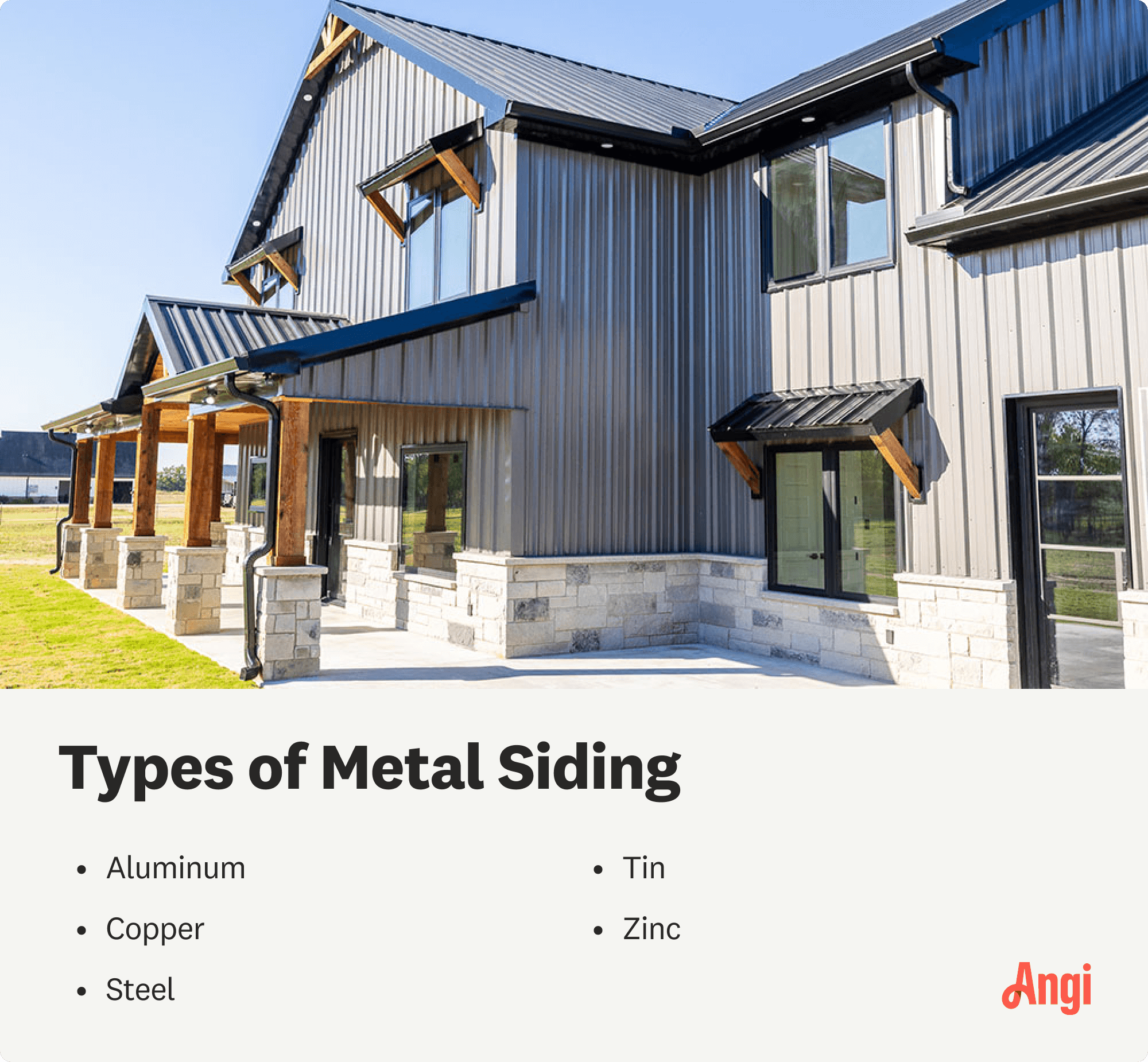
Steel siding is a popular choice for home exteriors. It offers many advantages that can add value to your home.
This type of siding stands out for its strength, energy savings, and style. It also needs little care over time.
Durability And Longevity
Steel siding lasts a long time without damage. It resists dents, cracks, and weather problems like rain and wind.
It does not rot or get eaten by insects. This makes it a strong choice for many years.
Energy Efficiency
Steel siding can help keep your home warm in winter and cool in summer. It works well with insulation.
This reduces your energy bills by lowering heating and cooling costs. It makes your home more eco-friendly.
Low Maintenance
Steel siding needs little upkeep. You only need to clean it occasionally with water and mild soap.
It does not need painting or sealing often. This saves time and money on repairs and care.
Aesthetic Appeal
Steel siding comes in many colors and styles. It can match different home designs and personal tastes.
The smooth surface and clean lines give a modern look. It keeps your home looking fresh for years.
Comparing Steel Siding To Other Materials
Steel siding is a popular choice for home exteriors. It offers different benefits compared to other siding materials. Understanding these differences helps decide if steel siding adds value to a home.
This comparison looks at vinyl, wood, and fiber cement siding against steel siding. Each material has unique features that affect home value and maintenance.
Vinyl Vs Steel
Vinyl siding is common because it is affordable and easy to install. Steel siding costs more but lasts longer. Steel resists dents and fire better than vinyl.
Vinyl siding can fade and crack over time. Steel siding keeps its look with less fading. Steel also adds more protection against weather.
- Vinyl is cheaper but less durable
- Steel resists fire and dents better
- Steel needs less frequent replacement
Wood Vs Steel
Wood siding gives a natural look that many homeowners like. It requires regular painting and care to avoid rot and insects. Steel siding does not need painting and is insect-proof.
Wood siding can increase home value if well maintained. Steel siding offers better long-term savings because it needs less upkeep. Steel also stands up to weather better than wood.
- Wood offers natural beauty but high maintenance
- Steel is low maintenance and weather resistant
- Steel does not attract pests
Fiber Cement Vs Steel
Fiber cement siding looks like wood but is made from cement and fibers. It is strong and fire resistant. Steel siding is lighter and may resist impacts better.
Fiber cement needs painting but lasts long. Steel siding keeps its color without painting. Both materials add value by protecting homes and lasting many years.
- Fiber cement mimics wood appearance
- Steel siding is lighter and impact resistant
- Both resist fire and weather well
Impact On Home Resale Value
Steel siding is a popular choice for home exteriors. It offers durability and a modern look. Many homeowners wonder if it can increase their home's resale value.
This article explores how steel siding affects resale value by looking at appraiser views, buyer tastes, and market trends.
Appraiser Perspectives
Appraisers consider steel siding a quality upgrade. They note its long lifespan and resistance to damage. These factors can raise a home's appraised value slightly.
Steel siding can improve curb appeal, which appraisers see as a positive sign for maintenance. Well-kept siding signals a cared-for home, boosting value.
Buyer Preferences
Buyers often look for homes with low maintenance exteriors. Steel siding fits this need well. It does not warp, crack, or rot like some other materials.
- Durability appeals to families wanting long-term savings.
- Modern style attracts buyers who want a fresh look.
- Energy efficiency of steel siding is a bonus for some buyers.
- Some buyers prefer traditional materials, so steel siding may not fit all tastes.
Regional Market Trends
| Region | Steel Siding Popularity | Effect on Home Prices |
| Midwest | High | Positive |
| South | Moderate | Mixed |
| West Coast | Low | Neutral |
| Northeast | Moderate | Positive |
Credit: www.angi.com
Cost Considerations
Steel siding can affect the overall cost of your home project. It is important to understand the costs before choosing steel siding.
Knowing the costs helps you plan your budget and see if steel siding adds value to your home.
Installation Expenses
Installing steel siding costs more than vinyl or wood siding. The price depends on the size of your home and labor rates.
Steel siding requires special tools and skills. This means installation takes longer and may cost more.
- Material cost per square foot is higher
- Labor costs increase due to complexity
- Additional costs for removal of old siding
Long-term Savings
Steel siding lasts a long time and resists damage from weather. It can lower repair costs over the years.
This siding also saves money on energy bills. It reflects heat and keeps your home cooler in summer.
- Low maintenance costs compared to wood
- Energy savings from better insulation
- Resistant to pests and fire
Return On Investment
Steel siding can raise your home's resale value. Buyers like durable, low-maintenance homes.
Not all homes gain the same value from steel siding. Location and market trends also matter.
- Increases curb appeal with a modern look
- Can recoup some or all installation costs
- Long lifespan adds lasting value
Common Misconceptions About Steel Siding
Many homeowners wonder if steel siding adds value to their house. Some ideas about steel siding are not quite right. It is important to clear up these myths.
This section talks about common mistakes people make about steel siding. We look at rust, noise, and its effect on the environment.
Rust And Corrosion Myths
People often think steel siding will rust quickly. This is not true for modern steel siding. It has special coatings that stop rust. The steel is made to last many years without corroding.
Some also believe rust spots spread fast. If small rust spots happen, they can be fixed easily. Regular cleaning and checking siding help prevent rust problems.
Noise Concerns
Many think steel siding makes more noise in rain or hail. Steel siding can be noisy but proper installation reduces sound. Adding insulation helps block noise too.
- Use insulated panels to reduce sound
- Add foam backing behind siding
- Install siding tightly to avoid rattling
- Use soundproof barriers if needed
Environmental Impact
| Feature | Steel Siding | Other Materials |
| Recyclability | Highly recyclable | Varies, less recyclable |
| Energy Efficiency | Good with insulation | Depends on material |
| Longevity | Lasts 40+ years | Often shorter life span |
| Maintenance | Low, fewer replacements | Can need frequent repairs |
Steel siding helps the environment. It lasts long and can be recycled many times. It also saves energy when paired with insulation. This reduces waste and cuts down on new materials.

Credit: www.trulogsiding.com
Tips For Choosing Steel Siding
Steel siding is a durable choice for homes. It can increase your home value when chosen wisely. Here are some tips to help you select the right steel siding.
Consider factors like color, quality, and installation. These elements play a vital role in your decision. Let's dive into each aspect.
Color And Style Options
Steel siding comes in various colors and styles. Choose a color that complements your home's exterior. Styles can range from modern to classic, fitting different architectural themes.
- Neutral tones blend well with many designs.
- Bold colors can make a statement.
- Consider texture for added appeal.
Quality And Thickness
The quality and thickness of steel siding affect its durability. Thicker siding often provides better insulation. It also offers more resistance to weather and impacts.
| Thickness (Gauge) | Durability |
| 24 Gauge | High |
| 26 Gauge | Moderate |
| 29 Gauge | Basic |
Professional Installation
Professional installation is crucial for steel siding. It ensures a neat finish and long-lasting performance. Hiring skilled installers can prevent future issues.

Credit: www.trulogsiding.com
Frequently Asked Questions
Does Steel Siding Boost Home Resale Value?
Steel siding enhances curb appeal and durability, which can increase resale value. It attracts buyers seeking low-maintenance, energy-efficient homes, making your property more appealing in the market.
How Long Does Steel Siding Last?
Steel siding typically lasts 40-70 years with proper maintenance. Its resistance to weather, pests, and fire makes it a long-term, cost-effective exterior option for homeowners.
Is Steel Siding Energy Efficient?
Yes, steel siding can improve energy efficiency. When combined with proper insulation, it helps regulate indoor temperatures and reduces heating and cooling costs.
What Maintenance Does Steel Siding Require?
Steel siding needs minimal maintenance like occasional washing and rust prevention. Regular inspections help address minor issues early, ensuring long-lasting performance and appearance.
Conclusion
Steel siding can boost your home's value by improving its look and durability. It protects against weather and lasts longer than many materials. Buyers often like homes with low maintenance and strong siding. While it may cost more upfront, the benefits pay off over time.
Choosing steel siding makes sense for a smart home upgrade. It adds curb appeal and can attract good offers. Simple, strong, and lasting—steel siding offers real value.