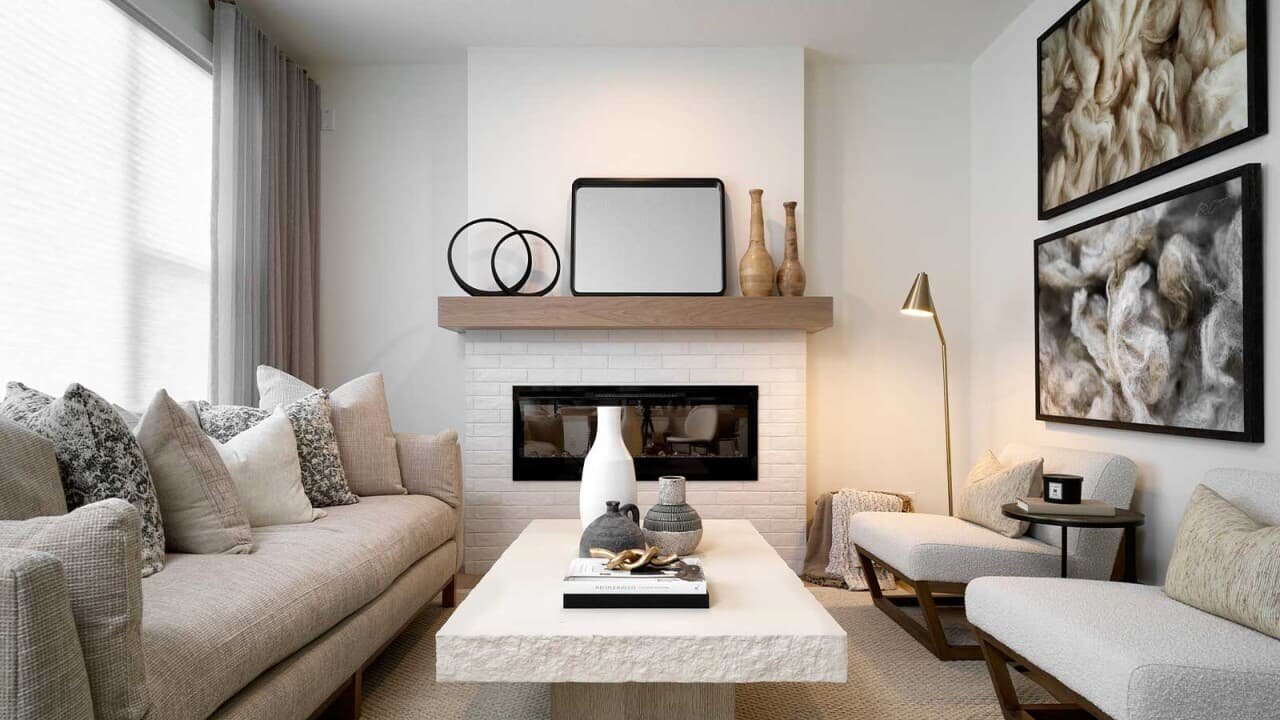
Have you ever wondered if your living room truly needs end tables? Maybe you’ve thought they’re just extra pieces taking up space, or perhaps you’re unsure how they could actually improve your space.
Imagine having a spot right next to your sofa where you can easily place your coffee, remote, or a favorite book without stretching or getting up. End tables might seem small, but they can make a big difference in how comfortable and organized your living room feels.
Keep reading to discover why adding end tables could be the simple change that transforms your space and daily comfort.

Credit: www.amazon.ca
Role Of End Tables
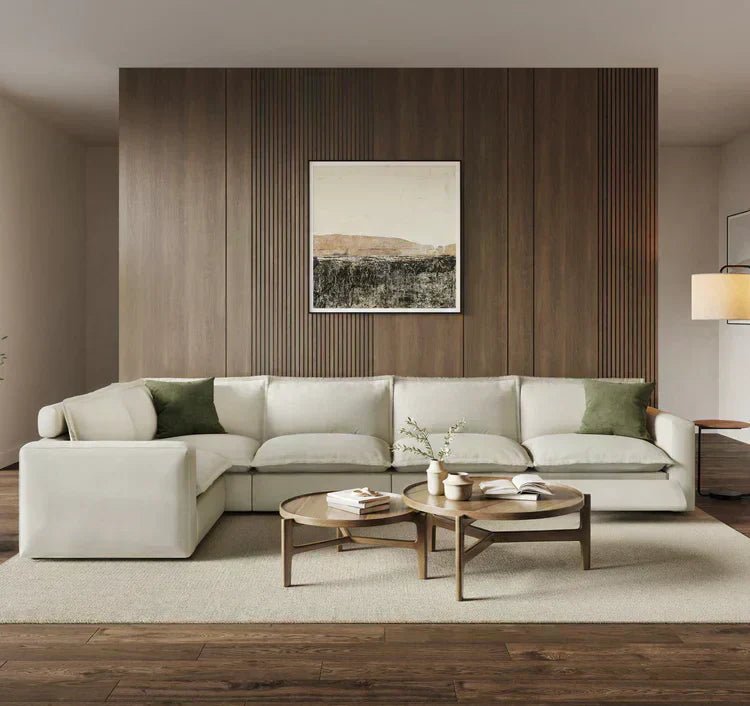
End tables are small tables placed beside sofas or chairs in a living room. They offer a surface to place items within easy reach. These tables add both convenience and charm to the space.
Choosing the right end table helps organize the room and complements the furniture style. Their size and design can change the room’s look and feel.
Enhancing Functionality
End tables make living rooms more practical. They provide spots for lamps, drinks, books, and other essentials. This keeps the main furniture free from clutter.
- Hold lamps for better lighting
- Provide space for drinks and snacks
- Store remote controls and small items
- Offer a place for decorative objects
Adding Style Elements
End tables add style to the living room. Their design, color, and material can match or contrast with other furniture. This creates a balanced or bold look.
| Style | Effect |
| Wooden End Table | Warm and cozy feel |
| Glass End Table | Modern and light look |
| Metal End Table | Industrial and strong vibe |
| Colorful End Table | Bright and playful touch |

Credit: www.amazon.ca
Choosing The Right Size
End tables add both style and function to a living room. Picking the right size helps keep your space comfortable and balanced.
Too big or too small tables can make the room feel crowded or empty. Consider your seating and room layout before choosing.
Proportions With Seating
End tables should match the height of your seating. This makes it easy to reach for drinks or books without stretching.
- Tables should be about the same height as the arm of your sofa or chair.
- Keep the table width proportionate to the seat size, not too wide or narrow.
- Leave at least 18 inches between the table and the seat for comfort.
Balancing Room Space
Space around end tables keeps the room open and easy to walk through. Avoid placing tables where they block pathways.
| Room Size | Recommended Table Size | Clearance Around Table |
| Small (under 150 sq ft) | 12-18 inches wide | 18 inches minimum |
| Medium (150-300 sq ft) | 18-24 inches wide | 20 inches minimum |
| Large (over 300 sq ft) | 24-30 inches wide | 24 inches minimum |
Material And Design Options
Choosing the right end tables can change the look of your living room. The material and design matter a lot. They add style and match your furniture.
Wood and metal are popular materials. Designs range from modern to classic. Each has a unique feel and function.
Wood And Metal Choices
Wood offers warmth and a natural look. Metal feels sleek and strong. Both come in many types and finishes to fit your style.
- Wood Types:oak, pine, walnut, cherry
- Wood Finishes:stained, painted, natural
- Metal Types:iron, steel, brass, aluminum
- Metal Finishes:matte, polished, brushed
Wood tables suit cozy and traditional rooms. Metal tables fit modern and industrial spaces well. Mixing wood and metal can create a balanced look.
Modern Vs Classic Styles
| Style | Features | Best For |
| Modern | Clean lines, minimal details, neutral colors | Contemporary living rooms, small spaces |
| Classic | Ornate details, rich wood tones, traditional shapes | Formal rooms, vintage or rustic themes |
Modern tables often use metal and glass or light wood. Classic tables focus on dark wood and carved details. Your choice depends on your room’s look and feel.

Credit: www.crateandbarrel.ca
Placement Tips
End tables are small but useful pieces in a living room. They hold lamps, drinks, and decorations.
Placing end tables right can improve the room’s look and feel. Let’s explore some tips.
Next To Sofas And Chairs
Place end tables close to sofas and chairs for easy reach. This makes it simple to put down items.
Keep about 2 feet of space between the table and seating. This allows enough room to move around.
- Put the table within arm’s reach of the seat
- Use small tables if space is tight
- Choose tables with storage for extra convenience
Creating Symmetry
Symmetry adds balance and calm to a living room. Use matching end tables on both sides of a sofa.
Match the table size and style to keep the look clean and even. This creates a pleasing visual flow.
- Place identical tables on each side of the sofa
- Add matching lamps or decor items on each table
- Keep the height of tables close to the armrest level
Multi-functional Uses
End tables are more than just decorative pieces in a living room. They add functionality and convenience to your space.
These tables can serve many purposes beyond holding lamps or drinks. They help keep the room organized and stylish.
Storage Solutions
End tables often come with drawers, shelves, or cabinets. This provides extra storage for books, remotes, or magazines.
- Store small items to reduce clutter
- Keep important things within easy reach
- Hide away items to maintain a clean look
Display Surfaces
End tables offer surfaces to display decorative items, photos, or plants. They help personalize your living room.
| Item | Purpose |
| Lamp | Lighting the room |
| Photo frame | Adding a personal touch |
| Plant | Bringing nature indoors |
| Coasters | Protecting the table surface |
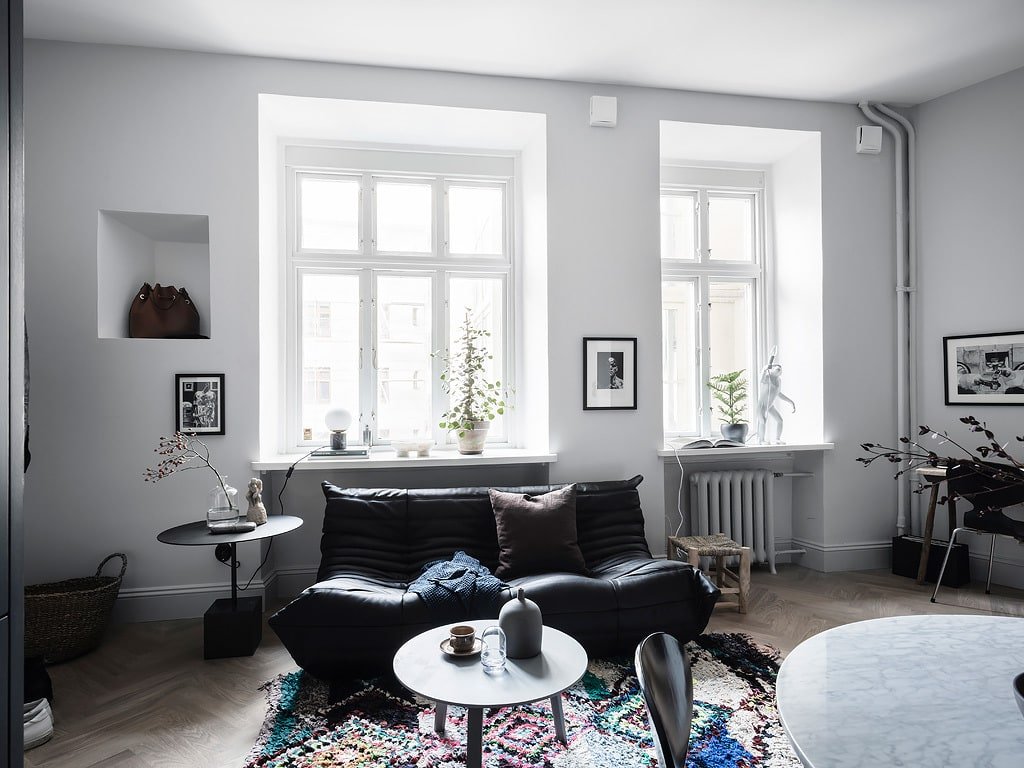
When To Skip End Tables
End tables are common in living rooms. They provide space for lamps and decor. But sometimes, you may not need them.
Consider the style and function of your room. Some spaces work better without end tables.
Minimalist Spaces
Minimalist spaces focus on simplicity. They often use only essential furniture. End tables can add clutter.
In a minimalist room, less is more. Removing end tables can create a clean look.
- More open floor space
- Easy to clean and maintain
- Highlights main furniture pieces
Alternative Furniture Choices
Sometimes, other furniture can do the job of end tables. Think about multifunctional pieces.
Furniture like shelves or a coffee table might work. These can hold items without needing end tables.
- Shelves for books and decor
- Ottomans for storage and seating
- Wall-mounted lights to save space
Frequently Asked Questions
What Is The Purpose Of End Tables In A Living Room?
End tables provide convenient surfaces for lamps, drinks, and decor. They enhance functionality and add style to your living space.
Can A Living Room Function Well Without End Tables?
Yes, but end tables improve comfort and organization by keeping essentials within reach. They also balance the room’s design.
How To Choose The Right Size End Tables?
Select tables proportional to your sofa and room size. They should allow easy access without crowding the space.
Do End Tables Help In Living Room Decor?
Absolutely. End tables contribute to style by complementing furniture and showcasing decorative items, enhancing overall aesthetics.
Conclusion
End tables add both style and function to a living room. They offer space for lamps, drinks, and books. Small or large, they fit many room sizes. Without them, the room may feel less complete. They also help keep things organized and close by.
Choosing the right end table can change the room's look. So, consider adding end tables for comfort and style. They make a living room feel warm and useful. Simple, practical, and stylish — end tables matter.