Have you ever wondered if your living room really needs a sofa? Maybe you’re unsure if it’s the right fit for your space or lifestyle.
The truth is, a sofa can change the way you use your living room—making it more comfortable, inviting, and functional. But is it necessary for everyone? Keep reading to discover the surprising reasons why a sofa might be exactly what your living room is missing, or why you could do just fine without one.
This simple choice could transform your home in ways you never expected.
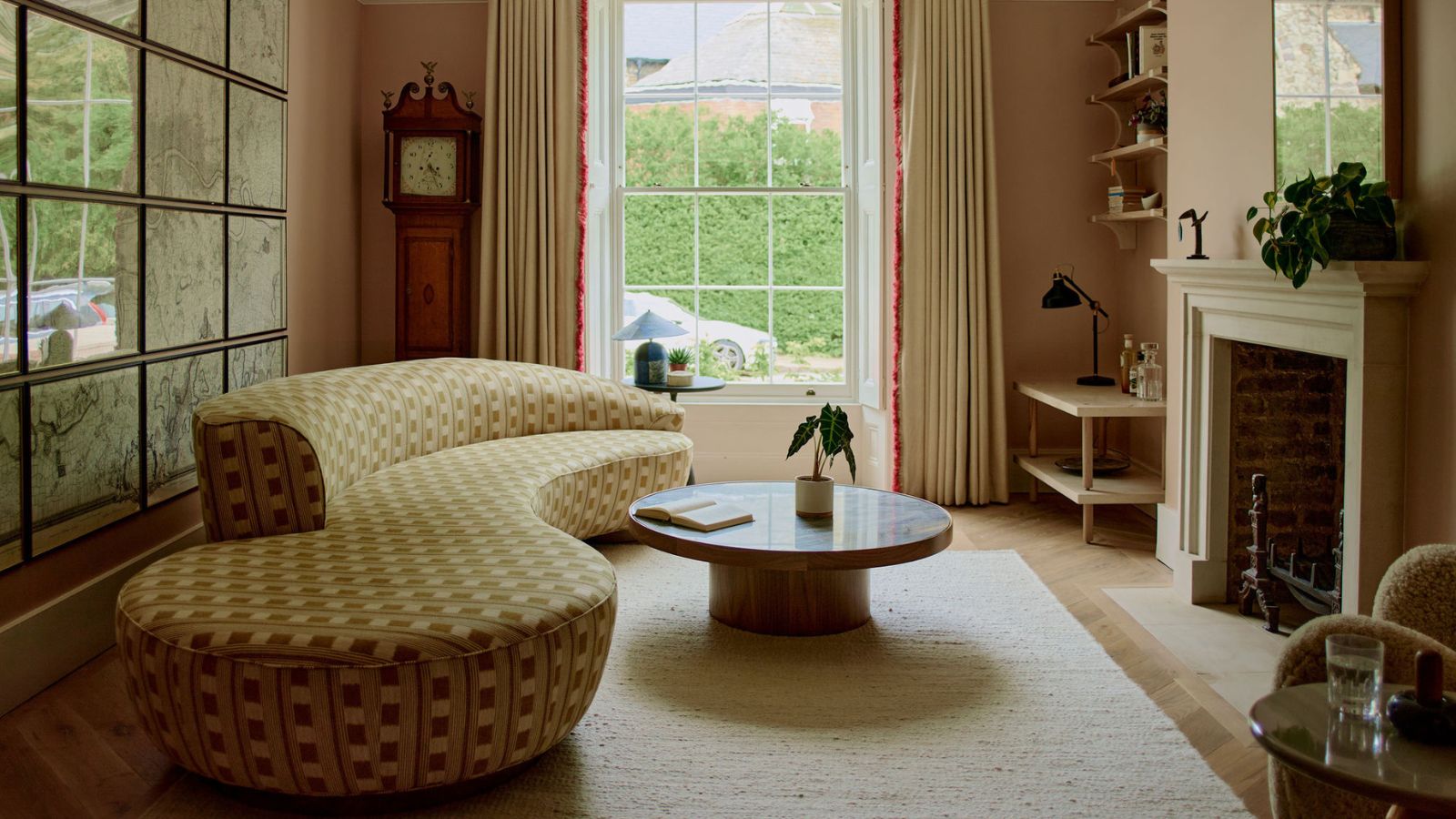
Credit: www.homesandgardens.com
Role Of A Sofa In Living Rooms
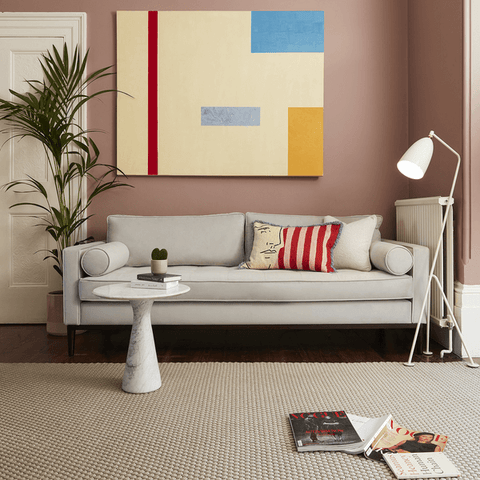
The sofa is often the centerpiece of a living room. It provides a place to sit, relax, and gather with family or friends.
Choosing the right sofa can change how comfortable and inviting your living room feels. Let’s look at its main roles.
Comfort And Relaxation Benefits
A sofa offers a cozy spot to rest after a long day. It supports your back and allows you to stretch out comfortably.
- Provides seating for naps or reading
- Supports socializing with family and guests
- Offers space for watching TV or movies
- Helps create a relaxing environment
Social And Aesthetic Impact
A sofa shapes the look of a living room. It sets the style and feel of the space. It also encourages social interaction.
| Social Role | Aesthetic Role |
| Gathering spot for friends and family | Defines the room's style and color palette |
| Encourages conversations and bonding | Adds texture and shape to the room layout |
| Offers flexible seating arrangements | Complements other furniture and decor |
Alternatives To Traditional Sofas
Not everyone needs a traditional sofa in the living room. There are many other seating options that can fit your style and space. These alternatives can make your living room cozy and unique.
Below are some ideas that you can try instead of a classic sofa. Each option offers comfort and style in different ways.
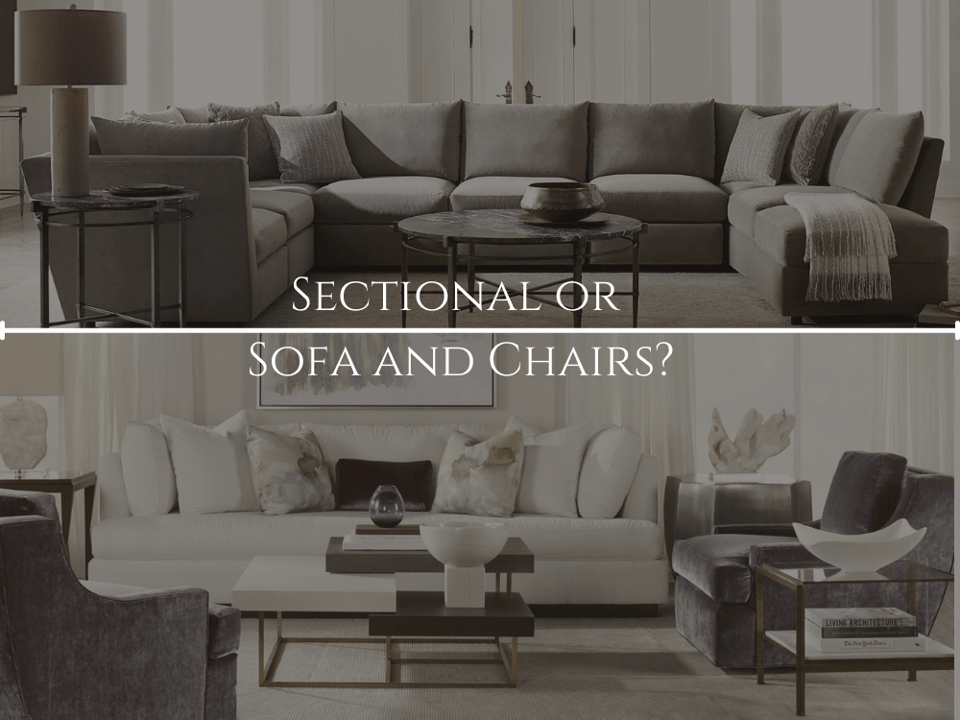
Sectional Seating Options
Sectional seating can create a flexible and spacious area. It often includes several pieces that you can move or rearrange. This option works well for families or when you host guests.
- Choose a sectional with a chaise for relaxing
- Look for modular pieces to fit your room size
- Use sectionals with storage for extra space
- Pick materials that match your décor style
Chairs And Ottomans
Chairs and ottomans provide flexible seating and can be easy to move. They come in many styles and sizes. You can mix and match to create a personalized look.
| Type | Benefits | Best Use |
| Armchair | Comfortable, supportive | Reading corner or extra seat |
| Accent Chair | Stylish, adds color | Decor focal point |
| Ottoman | Multi-use as seat or footrest | Near chairs or coffee table |
| Swivel Chair | Easy to turn, fun design | Casual seating areas |
Floor Seating Ideas
Floor seating can make a room feel casual and inviting. It is great for small spaces or kids’ play areas. You can use cushions, poufs, or low benches for this style.
- Use soft cushions for comfort
- Choose durable fabrics for easy cleaning
- Add a low table for snacks and drinks
- Keep the area cozy with rugs and throws
Space And Layout Considerations
Choosing whether to have a sofa in your living room depends on your space and layout. A sofa can shape how the room feels and works.
Think about the size of the room and how you want to move around. This helps you decide if a sofa fits well.
Measuring Your Living Room
Start by measuring the length and width of your living room. Know the exact space you have before choosing furniture.
Measure doorways and windows too. This helps avoid buying a sofa that won’t fit through entrances or block light.
- Measure floor space in feet or meters
- Note any fixed features like radiators or shelves
- Check clear paths for walking
Choosing The Right Size
Pick a sofa size that matches your room size. A large sofa can crowd a small room and a tiny sofa may look lost.
Consider how many people will use the sofa. Size it for comfort without blocking other furniture.
- Small rooms: Choose compact sofas or loveseats
- Medium rooms: Standard three-seaters work well
- Large rooms: Sectionals or bigger sofas fit nicely
Optimizing Traffic Flow
Arrange the sofa to keep paths clear for walking around the room. Avoid blocking main routes.
Leave enough space between the sofa and other furniture. This keeps the room open and easy to move in.
- Keep at least 2 to 3 feet of walking space
- Place sofa away from doors or busy areas
- Use rugs or lighting to define seating zones
Credit: blog.mcelherans.com
Material And Style Choices
Choosing a sofa for your living room means thinking about material and style. These choices affect comfort and look.
Picking the right sofa helps your space feel cozy and inviting.
Fabric Vs. Leather
Fabric sofas feel soft and come in many colors. They are good for families and pets.
Leather sofas look sleek and last long. They are easy to clean but can feel cold.
- Fabric: cozy, many colors, may stain
- Leather: durable, easy to wipe, less color choice
Color And Pattern Tips
Pick sofa colors that make your room bright or calm. Patterns add style but keep them simple.
Neutral colors work well in most rooms. Bold colors can be a fun focal point.
- Use light colors for small rooms
- Dark colors hide stains better
- Simple patterns fit many styles
Matching Existing Decor
Match your sofa to your room’s furniture and walls. This creates a balanced look.
Choose styles that fit your room’s theme, like modern or classic. This keeps your space neat.
- Pick sofa legs that match other furniture
- Use colors that blend with curtains and rugs
- Keep style consistent for harmony
Comfort Tips For Sofa Selection
Choosing a sofa for your living room is important for comfort and style. A good sofa makes your space cozy and inviting.
Look for features that support your body and last a long time. Comfort depends on many factors like cushion and design.
Cushion Firmness And Support
The firmness of sofa cushions affects how comfortable you feel. Soft cushions feel nice but may lose shape fast.
Firm cushions give better support and keep their shape longer. Choose a balance that fits your comfort needs.
- Soft cushions suit light use and gentle sitting
- Medium firmness fits most people and rooms
- Firm cushions help with back support and durability
Ergonomic Design Features
Ergonomic sofas help your body stay comfortable for long times. Look for good back and arm support in the design.
Sofas with angled backs and proper height reduce strain on your neck and shoulders. This makes sitting more relaxing.
- Backrests that follow natural spine curves
- Armrests at a comfortable height
- Seat depth that fits your legs
Maintenance And Durability
Durable sofas save money by lasting longer. Choose materials that are easy to clean and resist wear.
Regular care keeps cushions and fabric fresh. Check if sofa covers are removable for washing.
- Leather or tightly woven fabrics resist stains
- Removable covers allow easy cleaning
- Strong frame materials support weight well

Credit: www.brookfieldresidential.com
Budget-friendly Seating Solutions
A sofa in the living room offers comfort and style. It can be a costly addition, but budget-friendly options exist.
Explore affordable choices to keep your living space cozy without spending too much.
Affordable Sofa Brands
Some brands offer stylish sofas without a hefty price tag. These options provide comfort and durability.
- IKEA: Known for modern designs and affordability.
- Wayfair: Offers a wide range of budget-friendly sofas.
- Big Lots: Great deals on comfortable seating options.
Diy Seating Projects
Creating your own seating can be fun and cost-effective. Use materials you already have at home.
Try building a pallet sofa or reupholstering an old couch for a fresh look.
- Pallet sofas: Easy to assemble and customize.
- Reupholstery: Revive old furniture with new fabric.
Secondhand And Vintage Finds
Secondhand stores offer unique sofas at low prices. Vintage pieces add character to your space.
Check local thrift stores or online marketplaces for hidden gems.
- Thrift stores: Often have affordable furniture.
- Online marketplaces: Browse for deals from your home.
Frequently Asked Questions
Do You Really Need A Sofa In The Living Room?
A sofa provides comfort and seating for family and guests. It anchors the room’s design and creates a welcoming atmosphere. However, small spaces or minimalist styles may not require one. Consider your lifestyle and room size before deciding.
What Are Alternatives To A Sofa In Living Rooms?
Alternatives include armchairs, floor cushions, benches, or ottomans. These options save space and offer flexible seating arrangements. Choose based on your room size and intended use. They can create a cozy, stylish living area without a traditional sofa.
How Does A Sofa Impact Living Room Functionality?
A sofa defines seating areas and enhances comfort for socializing. It supports relaxation and can serve as a focal point. Without it, the room might feel less inviting. Functionally, sofas improve usability and encourage gatherings.
Can A Living Room Look Stylish Without A Sofa?
Yes, using creative seating and decor can maintain style. Rugs, artwork, and lighting add personality and warmth. Minimalist or modern designs often omit sofas for a sleek look. Thoughtful design ensures the room remains attractive and functional.
Conclusion
A sofa can make your living room cozy and welcoming. It offers a place to sit, relax, and spend time with family. You can choose a style that fits your space and needs. Some people prefer chairs or floor cushions instead.
Think about how you use your living room each day. Comfort and function matter most when deciding on furniture. A sofa is not always necessary but often helpful. Your choice should make your home feel like yours.