Have you ever walked into your living room and wondered if something’s missing? That’s where a coffee table might just be the game-changer you need.
It’s more than just a piece of furniture—it can tie your space together, keep your essentials close, and even boost your comfort. But do you really need one? Let’s explore how a coffee table could transform your living room and why it might be exactly what you’re looking for.
Keep reading—you might be surprised by what a simple table can do for your space.

Credit: www.gracehouserules.com
Purpose Of A Coffee Table
A coffee table is a common piece of furniture in living rooms. It serves many practical and decorative purposes.
This article explains the main reasons to have a coffee table in your living room.
Central Gathering Spot
The coffee table acts as a central point for family and friends to gather around. It holds drinks, snacks, and items during conversations or games.
It creates a cozy and inviting space for social activities.
Display And Storage Space
Coffee tables provide space to display decorative items like books, flowers, or candles. They also offer storage for remote controls and magazines.
- Books and magazines
- Decorative trays and bowls
- Remote controls and gadgets
- Coasters and small plants
Enhancing Room Layout
A coffee table helps organize the living room’s layout. It defines the seating area and balances the space visually.
| Benefit | Effect on Room |
| Anchors seating | Makes the area feel complete |
| Fills empty space | Prevents the room from looking bare |
| Adds style | Enhances room decor |

Credit: www.castlery.com
Functional Benefits
A coffee table adds practical value to your living room. It serves many daily needs beyond decoration.
With the right coffee table, you can make your space more comfortable and organized.
Convenient Surface For Drinks And Snacks
A coffee table offers a handy spot to place drinks and snacks. It keeps items within easy reach while you relax.
Organizing Everyday Items
Use a coffee table to store and organize items you use daily. It helps keep your living room tidy and clutter-free.
- Remote controls
- Magazines and books
- Coasters and napkins
- Small decorative boxes
Supporting Work And Leisure Activities
A coffee table can support many activities. It offers a surface for work, hobbies, and games.
| Activity | How a Coffee Table Helps |
|---|---|
| Working on a laptop | Provides a stable surface close to seating |
| Reading books | Holds reading materials and a reading light |
| Playing board games | Creates a central playing area |
| Crafting or drawing | Offers space to spread out supplies |
Aesthetic Advantages
A coffee table can change how your living room looks. It adds a central point that brings the space together. This piece of furniture is not just useful but also adds beauty.
Choosing the right coffee table can improve the style and feel of your living room. It affects the room’s balance, personality, and furniture harmony.
Adding Style And Personality
A coffee table shows your taste and style. It can be modern, classic, or rustic, reflecting who you are. The table can stand out or blend in, giving your room a unique look.
You can choose shapes, colors, and materials that match your personality. This adds character and makes your living room inviting and warm.
Balancing Room Proportions
A coffee table helps balance the size of the room. It fills empty space without crowding the area. This makes your living room feel comfortable and well-planned.
Choosing the right size keeps the room open and easy to move in. A small table looks good in small rooms. A bigger table suits larger spaces.
- Small tables for small rooms
- Medium tables for average spaces
- Large tables for big living rooms
Complementing Furniture Choices
A coffee table works with other furniture pieces. It matches sofas, chairs, and rugs to create a clear style. Good matching makes the room look neat and planned.
Material and color choices matter. Wood, glass, or metal tables each add different feelings. Pick a table that fits your current furniture style.
Choosing The Right Coffee Table
A coffee table can tie your living room together. It holds drinks, books, and decorative items. Picking the right one makes your space both useful and stylish.
Think about the size, material, and style before buying. These choices affect how the table fits your room and your daily needs.
Size And Shape Considerations
Make sure the coffee table fits your space well. It should not block walking paths or crowd the seating area. The shape matters too, as it affects flow and comfort.
- Measure the area between your sofa and chairs.
- Leave at least 18 inches for easy movement.
- Round tables work well in tight spaces.
- Rectangular tables suit larger rooms and long sofas.
- Square tables fit nicely in square seating groups.
Material And Durability
Choose materials that last and match your lifestyle. Some options are easier to clean, while others show wear more quickly.
| Material | Durability | Care Tips |
| Wood | High | Wipe with a damp cloth; avoid water rings |
| Glass | Medium | Clean with glass cleaner; check for chips |
| Metal | High | Use mild cleaner; prevent rust |
| Plastic | Low to medium | Easy to clean; can scratch |
Matching Your Living Room Style
Your coffee table should fit the look of your room. Match colors and design to your furniture. This creates a balanced and cozy space.
Here are some style tips:
- Modern rooms suit simple, clean-lined tables.
- Rustic spaces look good with wooden or distressed tables.
- Traditional rooms pair well with ornate or classic designs.
- Eclectic styles allow mixing materials and shapes.
Alternatives To Traditional Coffee Tables
A coffee table is common in many living rooms. It holds drinks, books, and decorations. But not everyone likes a classic coffee table.
You can choose other furniture pieces that work well as a coffee table. These options can fit small spaces or different styles.
Ottomans And Benches
Ottomans and benches can replace a coffee table. They offer extra seating or storage. Some have soft tops for comfort.
You can place trays on ottomans to hold drinks and snacks. Benches add a long surface and can match your sofa style.
- Soft and comfortable for resting feet
- Storage space inside some ottomans
- Works as extra seating for guests
- Can be moved easily around the room
Nesting Tables
Nesting tables are small tables that fit together. You can use one or all at once. They save space when not in use.
These tables add flexibility. You can spread them out for more surface area or stack them to keep the room open.
- Space-saving design
- Easy to move and rearrange
- Good for holding drinks and books
- Available in many styles and materials
Minimalist Options
Minimalist designs use simple shapes and few details. A plain stool or a small shelf can act as a coffee table.
These options keep your living room open and clean. They work well in small spaces or modern homes.
- Simple shapes with clean lines
- Small furniture to save space
- Can double as storage or display
- Fits many decor styles
When You Might Skip A Coffee Table
A coffee table is a common piece in many living rooms. But, sometimes it is not necessary. Here are reasons to skip it.
Space Constraints
Small living rooms can feel cramped with a coffee table. It might be hard to move around. Space is precious, and a table can take up too much room.
Think about how you use your space. If a table makes your room crowded, it might be best to skip it.
- Small rooms benefit from open space
- Easy movement is crucial in tight spaces
- Consider multi-functional furniture instead
Lifestyle And Usage Patterns
Your lifestyle affects your need for a coffee table. If you often eat meals on the couch, a table might be useful. But, if you rarely sit in the living room, it might just gather dust.
Consider how you and your family use the living room. If a table does not fit your habits, it is okay to skip it.
- Frequent couch meals need a stable surface
- Rarely used rooms might not need a table
- Pets or kids may make tables impractical
Safety Concerns
Safety is important, especially with kids or pets. Coffee tables can have sharp edges. They can be a hazard in active homes.
Think about who uses your living room. If you worry about safety, it might be best to skip the coffee table.
- Sharp edges pose risk to small children
- Pets can easily knock items off tables
- Consider rounded or padded alternatives
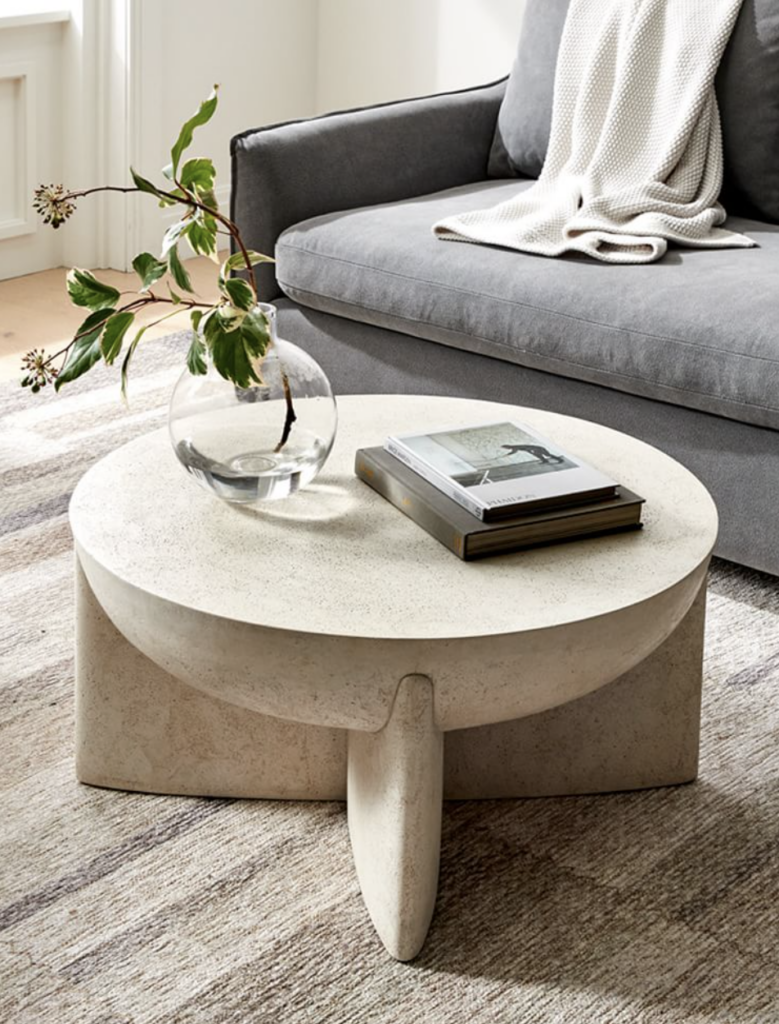
Credit: www.nikkisplate.com
Frequently Asked Questions
What Are The Main Benefits Of Having A Coffee Table?
A coffee table offers a central surface for drinks, snacks, and decor. It enhances living room functionality and aesthetics. It also provides storage options and a place to rest items, making your space more organized and inviting.
Can A Living Room Work Without A Coffee Table?
Yes, a living room can function without a coffee table. Alternatives like ottomans or side tables provide similar utility. Choosing no coffee table suits open spaces or minimalist designs, improving flow and reducing clutter.
How To Choose The Right Coffee Table Size?
Measure your living room and seating area first. The coffee table should be proportional to furniture size. Leave at least 18 inches around for easy movement. Consider shape and height to match your sofa and room layout.
Are Coffee Tables Necessary For Small Living Rooms?
Coffee tables can work in small spaces if chosen wisely. Opt for compact, multifunctional designs with storage. Round or oval tables save space and improve traffic flow. They add style without overcrowding the room.
Conclusion
A coffee table can add style and function to your living room. It offers a spot for drinks, snacks, and magazines. You can also use it to show off decorations. But, some rooms may feel crowded with one. Think about your space and how you live.
A coffee table is helpful but not always needed. Choose what fits your comfort and lifestyle best. Simple and useful—that’s the key.