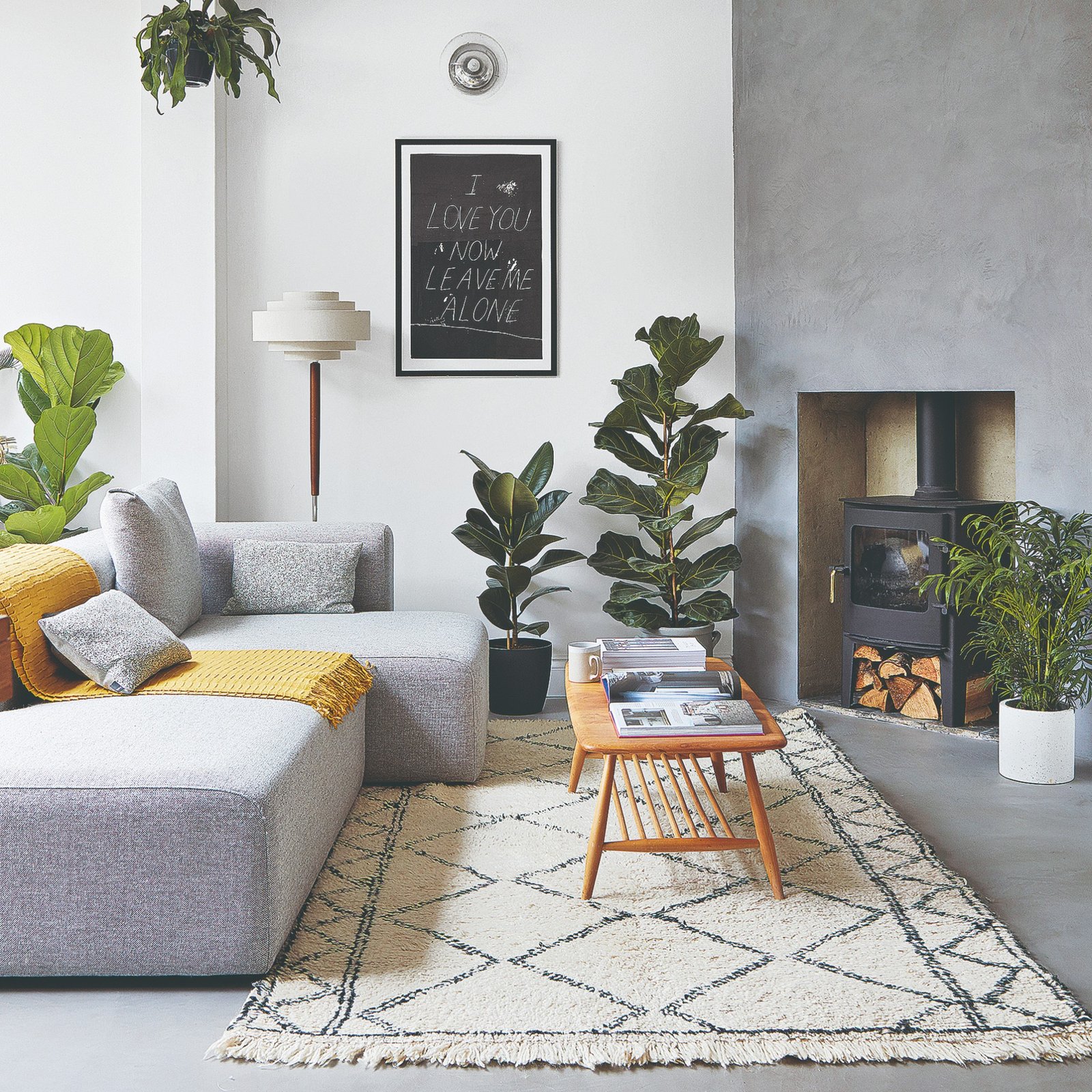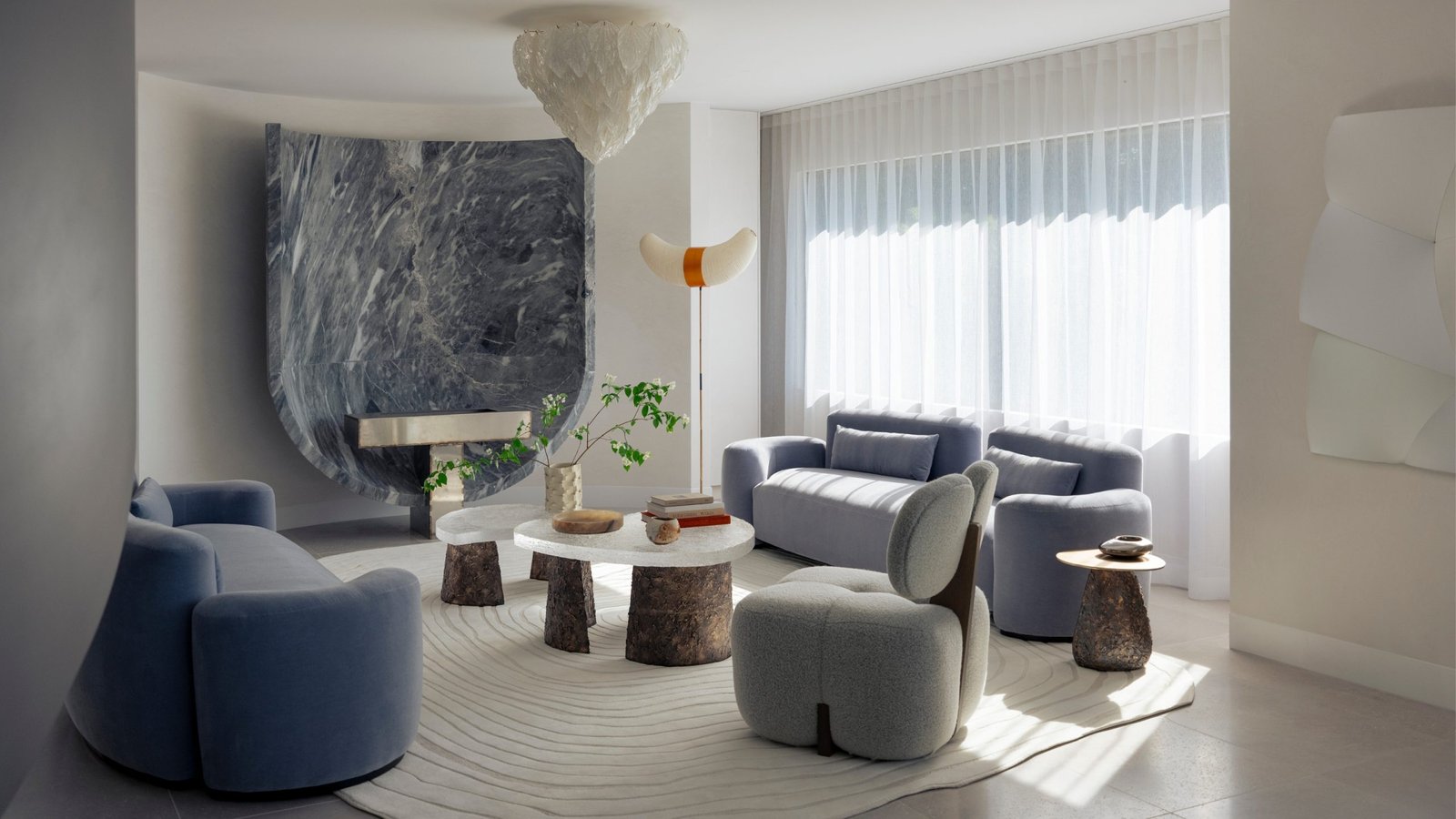
Have you ever wondered if your living room really needs a coffee table? You might think it’s just a piece of furniture, but it can change how you use your space every day.
Imagine having a spot to place your morning coffee, hold your favorite books, or even gather around with friends. But is it worth the space it takes up? By the end of this article, you’ll know exactly whether a coffee table fits your lifestyle and your room.
Keep reading to discover how this simple addition can make a big difference—or if you’re better off without one.
Benefits Of A Coffee Table
A coffee table is a useful piece of furniture in the living room. It offers many benefits beyond just looking nice.
This article explains the main benefits of having a coffee table in your living space.
Functional Uses
Coffee tables give you a place to set drinks, snacks, or books. They help keep the room organized.
Some coffee tables have storage space for magazines or remote controls. This reduces clutter in the living room.
- Hold drinks and snacks while relaxing
- Store small items like remotes and magazines
- Provide extra surface for games or crafts
Enhancing Room Aesthetics
A coffee table adds style to the living room. It can match your sofa and other furniture.
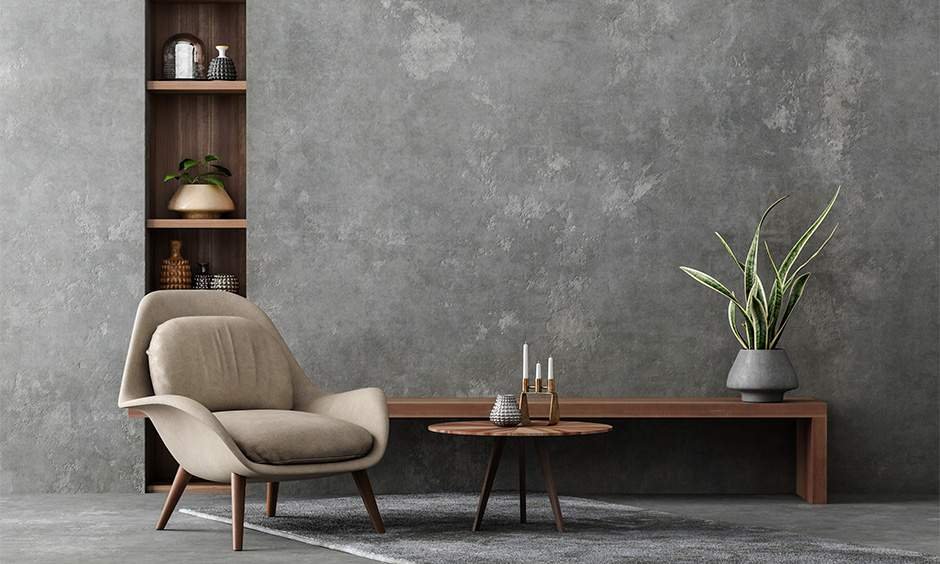
You can decorate it with flowers, books, or candles to make the room look cozy and inviting.
- Matches room colors and style
- Shows off personal decorations
- Makes the space feel complete
Creating A Focal Point
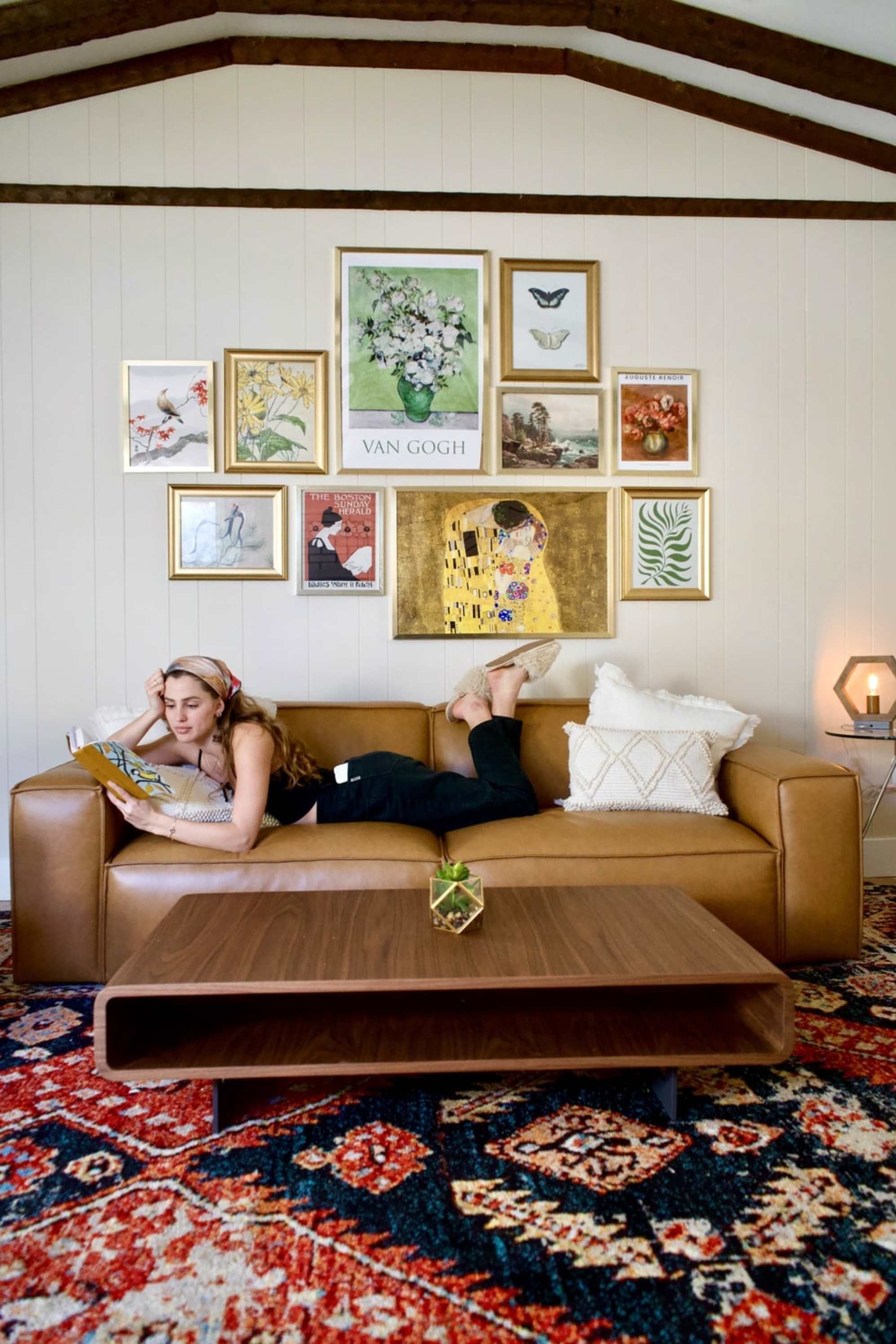
The coffee table acts as a center for the living room. It draws attention and ties the furniture together.
By placing the table in the middle, you create a natural place for people to gather and relax.
- Centers seating arrangements
- Draws eyes to the middle of the room
- Encourages social interaction
Credit: www.castlery.com
Choosing The Right Size
A coffee table is a useful piece of furniture in a living room. Picking the right size helps keep the space comfortable. Too big or too small tables can make the room look odd.
It is important to measure and balance your space before buying a coffee table. You want a table that fits well and looks good.
Measuring Your Space
Start by measuring the area where you want to put the coffee table. Check the length, width, and height available. This helps avoid buying a table that is too large or too small.
Leave enough walking room around the table. At least 18 inches of space is good for moving freely.
- Measure the width and length of the empty space
- Note the height of nearby seating
- Keep at least 18 inches for walking space
Balancing Proportions
The coffee table should match the size of your sofa and chairs. A big sofa needs a bigger table. A small sofa looks better with a smaller table.
Make sure the table height is about the same as the seat height. This keeps the room balanced and easy to use.
- Choose a table length about two-thirds of the sofa length
- Match the table height to your sofa seat height
- Keep the table proportional to other furniture pieces
Avoiding Clutter
Pick a coffee table that does not crowd the room. A large table can block pathways and make the space feel small. A small table may not hold what you need.
Clear surfaces help the room look neat. Choose a table with storage if you want to keep things tidy.
- Keep enough space around the table for easy movement
- Choose tables with shelves or drawers for extra storage
- Avoid tables with too many items on top
Styles That Complement Your Decor
Choosing the right coffee table can improve your living room's look. It should match your room's style and add function.
Here are popular styles that fit different decor themes. Pick one that suits your space and taste.
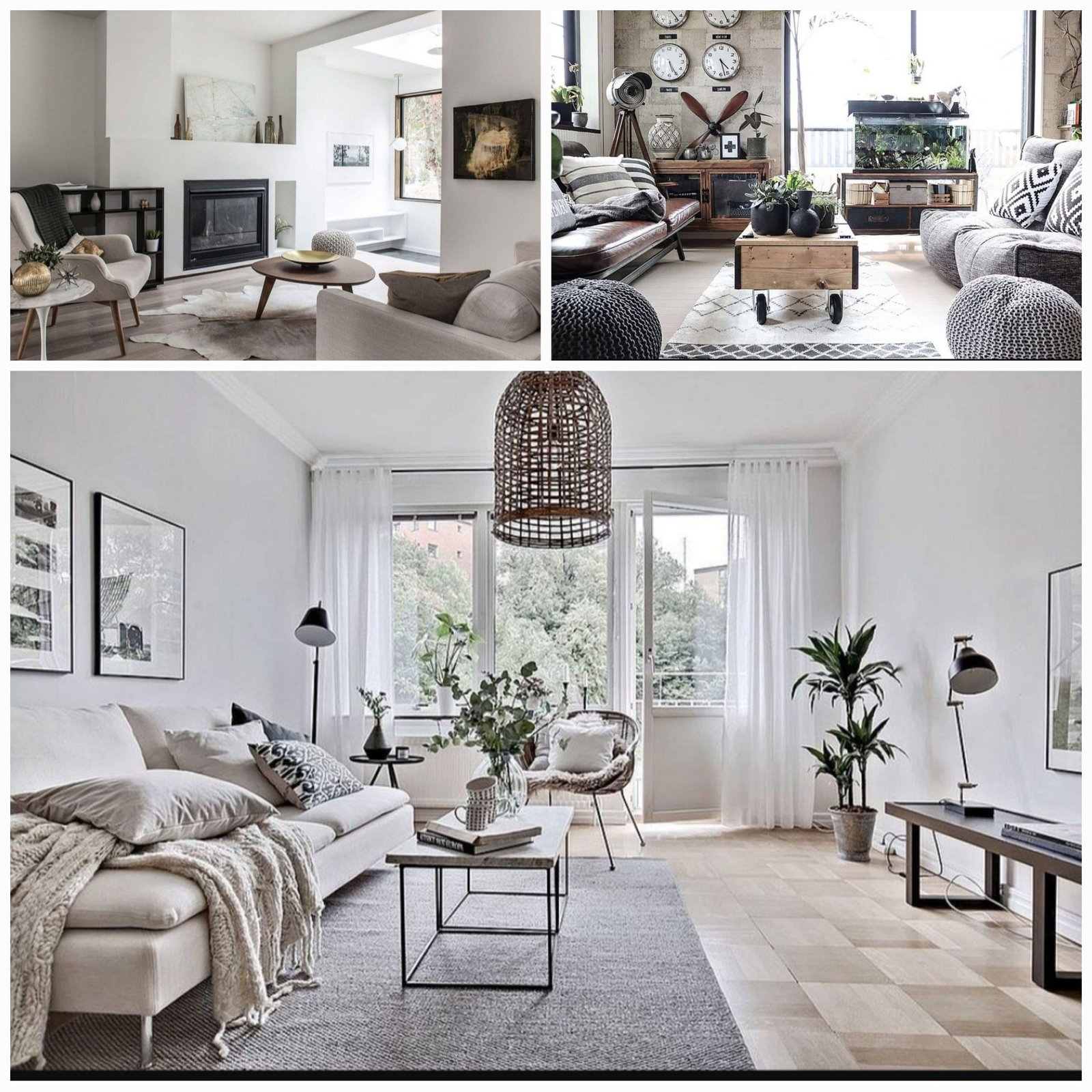
Modern And Minimalist
Modern and minimalist coffee tables have clean lines and simple shapes. They avoid extra details and keep the space open.
Materials like glass, metal, and light wood work well in this style. These tables blend easily with neutral colors.
- Glass tops create a light, airy feel
- Metal frames add sleekness and strength
- Simple wooden tables offer warmth without clutter
Rustic And Vintage
Rustic and vintage coffee tables show character with worn wood and classic designs. They bring a cozy, lived-in feeling.
Look for tables with natural wood grain, distressed finishes, or antique styles. These fit well in warm and inviting rooms.
- Reclaimed wood offers a natural, aged look
- Carved details add vintage charm
- Soft, muted colors help blend old and new
Industrial And Urban
Industrial coffee tables mix metal and wood for a strong, edgy style. They suit lofts and modern city homes well.
Look for tables with metal legs, exposed hardware, and rough wood surfaces. These add a bold touch to any living room.
- Steel frames create a sturdy base
- Rustic wood tops add texture
- Simple shapes keep the look clean yet tough
Credit: www.castlery.com
Materials And Finishes
Choosing the right materials and finishes for your coffee table shapes the room’s style. It also affects durability and care needs.
Here are common choices that fit various decor styles and practical uses.
Wood Choices
Wood coffee tables bring warmth and natural beauty to a living room. Different woods offer unique looks and strengths.
- Oak:Strong and durable, with a classic grain pattern.
- Walnut:Darker tone and smooth finish, adds richness.
- Pine:Light color and softer, perfect for rustic styles.
- Maple:Light and tight grain, resists dents well.
Glass And Metal Options
Glass and metal tables create a modern, sleek look. They work well in small spaces because glass tops reflect light.
| Material | Benefits | Care Tips |
| Tempered Glass | Strong and safe, brightens rooms | Use glass cleaner, avoid scratches |
| Steel | Sturdy and industrial style | Wipe with damp cloth, prevent rust |
| Aluminum | Lightweight and rust resistant | Clean with mild soap, avoid abrasives |
Mixed Materials
Many coffee tables combine materials for style and function. Wood with metal legs is popular for balance and strength.
- Wood top with metal frame gives a sturdy yet warm look.
- Glass surface with wooden base adds lightness and texture.
- Metal and glass mixes suit modern and minimalist rooms.
Placement Tips
A coffee table can add style and function to your living room. Placing it well helps keep the room comfortable.
Good placement improves how people move and use the space around the table.
Aligning With Seating
Place the coffee table close to the seating area. This keeps items within easy reach.
Make sure it is centered with sofas or chairs for balance. Leave enough space for legs and movement.
- Keep 12-18 inches between seats and table
- Center table with main seating pieces
- Allow space for easy legroom
Optimizing Traffic Flow
Arrange the coffee table so it does not block walkways. People should move freely around it.
Keep at least 24 inches of space on all sides for smooth walking paths.
- Leave clear paths between doors and seating
- Avoid placing the table too close to high-traffic zones
- Consider the room’s main entry points
Layering With Rugs And Lighting
Use rugs to define the coffee table area visually. The table should sit fully or partly on the rug.
Place lighting above or near the table to highlight it and add warmth.
- Choose a rug that fits under the table and seating
- Use pendant lights or floor lamps for soft lighting
- Match lighting style with the room’s decor

Credit: www.castlery.com
Alternatives To Coffee Tables
Many people think a coffee table is necessary in a living room. But there are many creative alternatives. These options can add style and function to your space.
Let's explore some great alternatives that can replace the traditional coffee table. Each has unique benefits for different needs and preferences.
Ottomans And Poufs
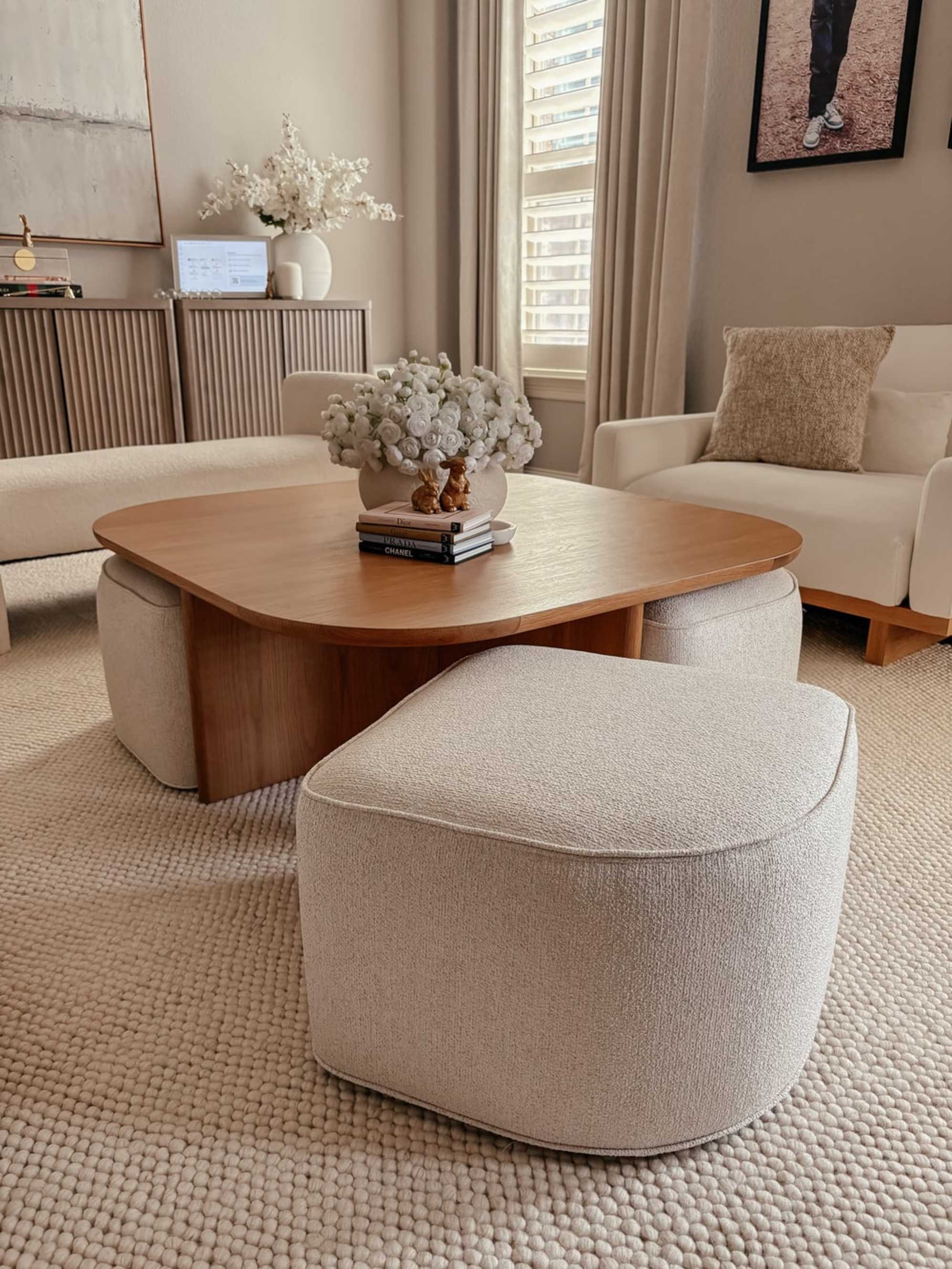
Ottomans and poufs are versatile pieces of furniture. They offer comfort and style. These can be used as a footrest or extra seating.
Some ottomans have storage inside them. This feature helps in keeping the living room tidy. Choose a color and fabric that match your decor.
- Use as a footrest
- Extra seating for guests
- Storage for blankets and magazines
Side Tables
Side tables are small and easy to move. They can be placed near sofas or chairs. This allows for easy access to drinks and books.
These tables come in various designs and materials. You can find a side table that fits your room's style perfectly. Multiple side tables can be grouped together for more surface area.
- Compact and movable
- Easy access to essentials
- Various designs available
Storage Benches
Storage benches are another practical option. They offer seating and storage space. These benches can hold toys, books, or blankets.
Place a storage bench against a wall or behind a sofa. This can create a cozy nook or divide the room into sections. Choose one that complements your living room's color scheme.
- Seating and storage combined
- Organizes living room clutter
- Functional and stylish
Frequently Asked Questions
What Are The Benefits Of Having A Coffee Table In Living Room?
A coffee table adds functionality and style to your living room. It offers a surface for drinks, snacks, and décor. It also anchors the seating area and can provide storage, making the space more organized and inviting.
Can A Living Room Work Without A Coffee Table?
Yes, a living room can function without a coffee table. Alternatives include ottomans, side tables, or open floor space. The choice depends on your lifestyle, space, and design preference, ensuring comfort and practicality.
How To Choose The Right Coffee Table Size?
Select a coffee table size that fits your seating area. It should be about two-thirds the length of your sofa. Leave 18 inches between the table and seating for easy movement and comfort.
Are Coffee Tables Necessary For Small Living Rooms?
Coffee tables can work in small living rooms if chosen wisely. Opt for compact or multifunctional tables with storage. This maximizes space without cluttering, keeping the room open and functional.
Conclusion
A coffee table adds style and function to your living room. It holds drinks, books, and decorations with ease. Choosing the right size keeps your space open and comfy. Small rooms can still benefit from a compact table. It brings people together for chats and snacks.
Think about your needs and room size first. A coffee table can be a simple but useful addition. It makes the living room feel complete and inviting.