Are you wondering if the tables in your living room need to match perfectly? You’re not alone.
Many people struggle with creating a balanced look without making their space feel too uniform or boring. The truth is, your living room tables don’t have to be identical to look great together. In fact, mixing styles and finishes can add personality and warmth to your space.
Keep reading to discover smart tips that will help you decide what works best for your living room—and make your space feel both stylish and inviting.
Credit: www.ballarddesigns.com
Choosing Tables With Style
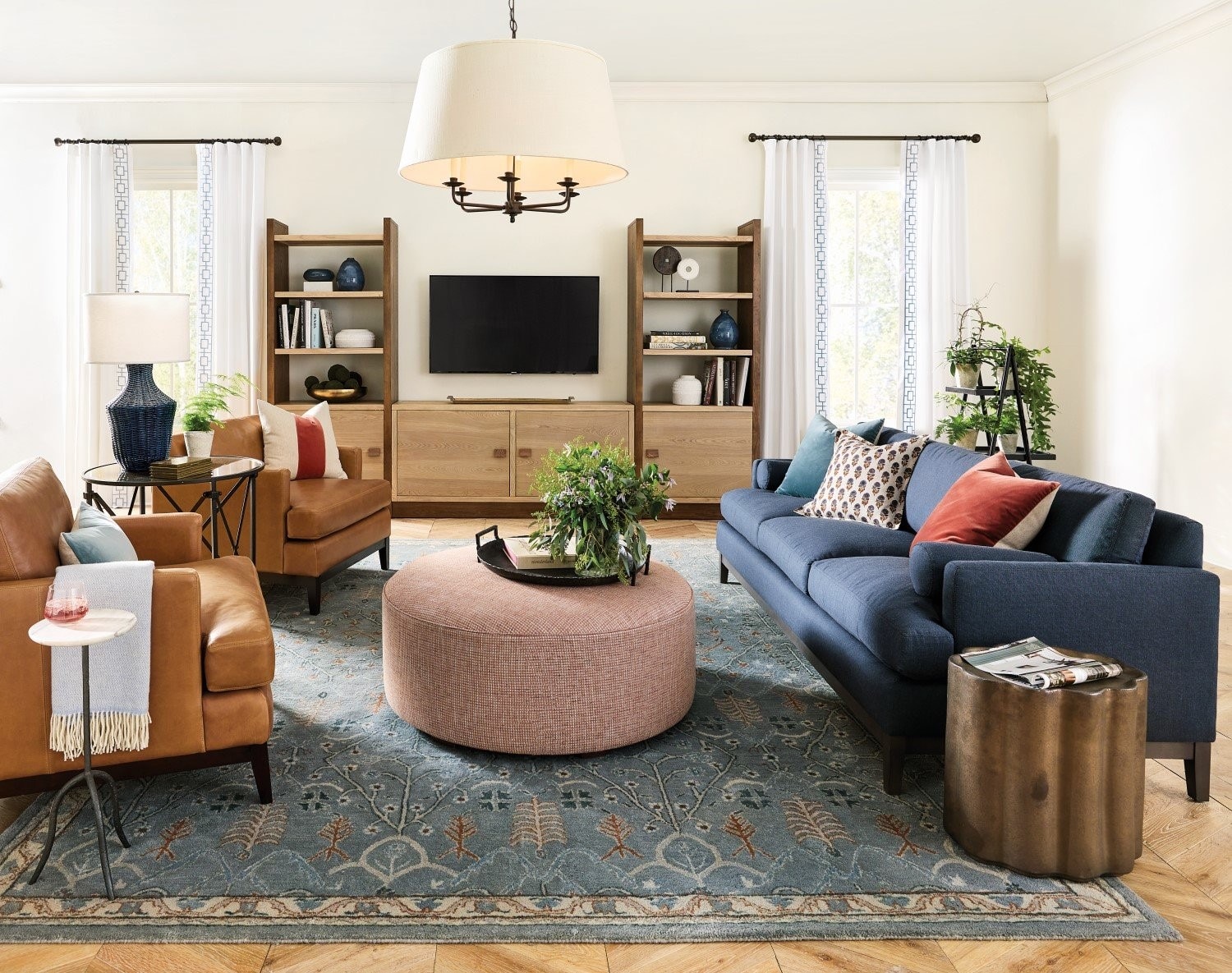
Tables in the living room do not need to match perfectly. You can pick different styles to fit your space.
Choosing tables with style means finding a balance between looks and use. This helps the room feel cozy and useful.
Balancing Function And Aesthetics
Tables should look good and serve a purpose. Think about how you will use each table before buying.
For example, a coffee table needs space for drinks and books. Side tables can hold lamps or decor.
- Choose tables that fit your daily needs
- Pick sizes that work well in your room
- Use shapes that match your space’s flow
- Make sure tables are easy to reach and use
Mixing Materials For Visual Interest
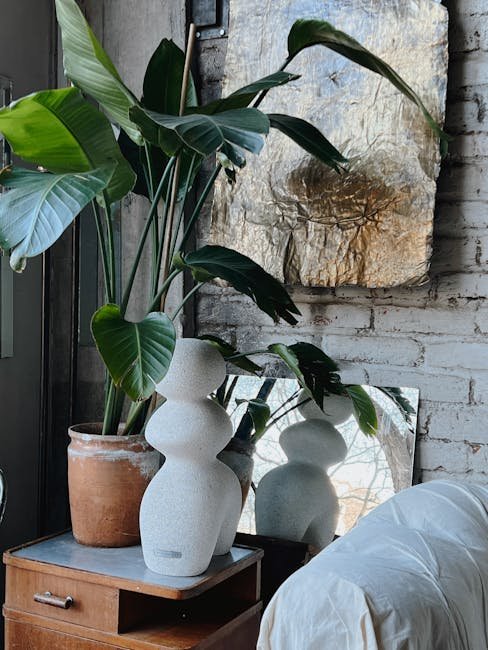
Using different materials adds style and depth to your living room. Wood, metal, and glass can work well together.
Mixing materials lets you create unique looks that fit your taste. This also keeps the room from feeling too plain.
- Combine wood tables with metal legs for a modern look
- Use glass tops to add light and space
- Mix smooth and rough textures for balance
- Match colors that blend well but are not identical
Coordinating Without Matching
Tables in the living room do not have to match exactly. You can create a balanced look by coordinating them.
Mixing different styles and finishes can add interest. The key is to make them work well together.
Using Color To Tie Pieces Together
Use similar colors to link your tables visually. This helps create a unified space without matching furniture.
Even small touches like a painted table leg or a colored tabletop can bring harmony to different pieces.
- Choose a shared color from pillows or rugs
- Use paint or stains in related shades
- Add accessories that echo the table colors
Playing With Shapes And Sizes
Mix tables with different shapes to add visual interest. Round, square, or rectangular tables can all work together.
Varying sizes also help create balance. A large coffee table can pair with smaller side tables for a nice flow.
- Combine round and square tables for contrast
- Place smaller tables beside larger ones
- Use nesting tables to save space and add layers
Creating Focal Points
Tables in the living room can set the tone for the entire space. They do not need to match perfectly. Instead, they should help create a focal point that draws attention.
By choosing the right tables, you can add style and personality. Focus on pieces that stand out and bring balance to your room.
Statement Coffee Tables
A coffee table often serves as the main centerpiece in a living room. It can be bold in design, shape, or color to attract the eye. This table anchors the room and invites guests to gather around it.
- Choose a unique shape like round, oval, or geometric
- Pick materials that contrast with other furniture, such as glass or metal
- Opt for bright or deep colors to create visual interest
- Use a large size to balance the seating area
Accent Tables As Art
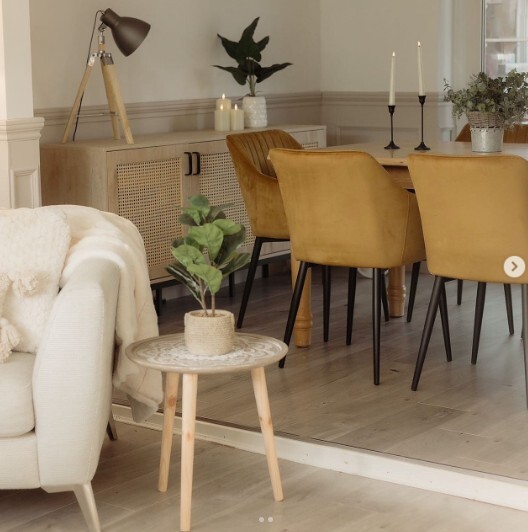
Accent tables add charm and personality to the room. They do not need to match the coffee table but should complement the style. These tables can act as small pieces of art that enrich the space.
| Type of Accent Table | Design Feature | Placement Ideas |
|---|---|---|
| Nesting Tables | Stacked or varied heights | Next to sofa or in corners |
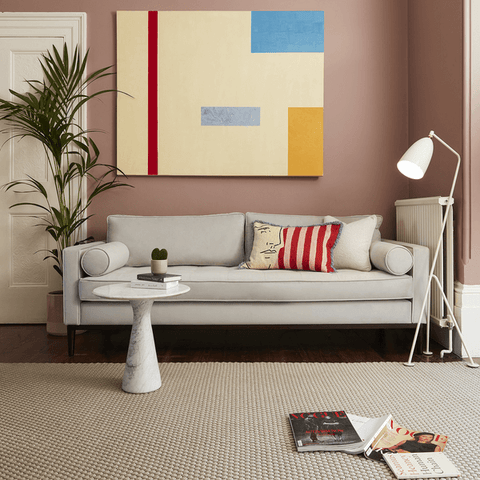
| Pedestal Tables | Single base with sculptural form | Beside armchairs |
| Drum Tables | Round with patterned sides | Near windows or entryways |
Credit: www.furniturebox.co.uk
Practical Tips For Table Placement
Choosing where to place tables in your living room affects comfort and style. Proper placement helps people move freely and enjoy the space.
Think about the size of the room and how furniture fits together. This guide offers simple tips for better table placement.
Spacing For Flow And Accessibility
Leave enough space around tables for easy walking and reaching. Crowded rooms feel tight and hard to use.
- Keep at least 18 inches between a table and seating.
- Allow 30 to 36 inches for main walking paths.
- Make sure doors and drawers open fully without hitting tables.
- Place tables where they do not block windows or vents.
Good spacing improves comfort and prevents accidents. It also helps guests move smoothly during gatherings.
Layering With Rugs And Accessories
Use rugs and accessories to add style and define table areas. Layering creates a cozy and inviting look.
| Accessory | Placement Tip |
| Rugs | Place under tables to anchor the area |
| Coasters | Protect table surfaces and add color |
| Centerpieces | Keep small and low for easy conversation |
| Table lamps | Use for soft lighting near seating |
Layering helps separate spaces and highlights tables as focal points. Choose colors and textures that match your room’s style.
Trends In Living Room Tables
Living room tables are more than just furniture pieces. They reflect your style and taste. Trends show a mix of old and new styles blending well together.
Choosing the right table can change the whole room’s look. Many people seek options that fit their lifestyle and values.
Vintage And Modern Mixes
Combining vintage and modern tables creates a unique style. Old wooden tables with modern metal frames look stylish. This mix adds charm and freshness to the space.
- Pair a classic wooden table with sleek chairs
- Add modern lamps on a vintage side table
- Use rugs to blend different styles
- Mix shapes like round vintage with square modern
Sustainable And Handmade Options
More people choose sustainable tables made from recycled or natural materials. Handmade tables show craftsmanship and support small businesses. These pieces often last longer and have a story.
| Material | Benefit |
| Reclaimed wood | Eco-friendly and unique patterns |
| Bamboo | Fast growing and renewable |
| Recycled metal | Strong and reduces waste |
| Handwoven rattan | Lightweight and crafted by artisans |
Credit: www.furniturebox.co.uk
Frequently Asked Questions
Do Living Room Tables Have To Match Each Other?
No, living room tables don't have to match exactly. Mixing styles adds character and depth to your space. Complementary colors and shapes create a cohesive look without uniformity. This approach allows more creative freedom and personal expression in your decor.
Can Mismatched Tables Improve Living Room Design?
Yes, mismatched tables can enhance living room design. They introduce visual interest and break monotony. Combining different materials and finishes adds texture and personality. Thoughtful pairing ensures harmony despite differences, making the room feel unique and inviting.
What Styles Work Well For Living Room Tables?
Living room tables in modern, rustic, or eclectic styles work well together. Mixing mid-century modern with industrial or farmhouse styles is popular. The key is balancing proportions and colors to maintain unity. This blend creates a stylish, personalized living area.
How To Choose Tables That Complement Each Other?
Choose tables with similar tones or materials to complement each other. For example, pairing wood with metal accents can unify the look. Consider scale, height, and shape for balanced visual flow. This ensures your tables enhance rather than clash in the room.
Conclusion
Tables in the living room do not have to match perfectly. Mixing styles can add charm and personality. Choose pieces that feel comfortable and look nice together. Balance shapes, colors, and sizes for a pleasant space. Your room should reflect your taste and style.
Trust your eyes and enjoy the process. A well-arranged mix creates a warm, inviting home.