Are you curious about the structure behind modular homes? You might be wondering, do modular homes have steel frames?
Understanding what supports your future home can make a big difference in how you feel about building or buying one. This article will clear up any confusion and give you the facts you need. Keep reading to discover how modular homes are built and why the frame matters to you.
Modular Homes Basics
Modular homes are built in sections inside a factory. These sections are moved to the site and joined together.
They offer a fast way to build houses with good quality and less waste.
What Are Modular Homes
Modular homes are houses made in parts called modules. Each module is built indoors using machines.
After building, the modules are transported to the building site. Workers put them together on a foundation.
Common Construction Materials
Most modular homes use wood frames. Wood is easy to work with and common in home building.
Steel frames can also be used in modular homes. Steel is strong and resists pests and fire well.
- Wood framing is popular for its cost and availability
- Steel framing adds strength and durability
- Some homes mix wood and steel for better support
- Other materials include drywall, insulation, and roofing
Steel Frames In Modular Homes
Modular homes often use different materials for their frames. One common material is steel. Steel frames provide strength and stability to the structure.
This article explains the presence of steel frames in modular homes and their benefits.
Presence Of Steel Frames
Many modular homes use steel frames for the main structure. Steel is strong and can handle heavy loads. It is also resistant to pests like termites. Builders choose steel to improve durability.
Steel frames are common in both commercial and residential modular buildings. They can be combined with wood or other materials depending on design needs.
Benefits Of Steel Framing
- Durability: Steel does not warp or crack over time.
- Fire Resistance: Steel frames resist fire better than wood.
- Pest Resistant: Steel is not affected by termites or insects.
- Strength: Steel supports heavy loads and strong winds.
- Precision: Factory-cut steel parts fit together tightly.
| Benefit | Description |
| Durability | Lasts longer without damage or warping |
| Fire Resistance | Can withstand high temperatures better than wood |
| Pest Resistance | Not vulnerable to termite or insect damage |
| Strength | Supports heavy loads and extreme weather |
| Precision | Parts are cut for perfect fitting in factories |
Alternatives To Steel Frames
Modular homes do not always use steel frames. Builders choose other materials for structure. These options can be strong and cost-effective.
Wood framing and different structural methods offer good alternatives. Each has benefits for modular home construction.
Wood Framing
Wood is a common choice for modular home frames. It is light and easy to work with. Wood also provides good insulation.
- Cost-effective and widely available
- Easy to modify during construction
- Good natural insulation properties
- Supports a variety of designs and styles
- Renewable and environmentally friendly
Other Structural Options
Besides wood and steel, builders use several other materials. These include concrete, aluminum, and composite materials. Each has unique strengths.
| Material | Key Benefits | Common Use |
| Concrete | Strong, fire-resistant, durable | Foundations and walls |
| Aluminum | Lightweight, corrosion-resistant | Frames in coastal areas |
| Composite Materials | Customizable, weather-resistant | Specialty panels and beams |
.jpg)
Credit: www.prefabex.com
Advantages Of Steel Framed Modular Homes
Steel framed modular homes use steel for the main structure. This gives many benefits over traditional wood frames. Steel is strong, durable, and flexible.
These homes are built faster and last longer. Steel framing also offers safety and design options that many people like.
Durability And Strength
Steel frames are very strong and resist bending or breaking. This makes the home safer in bad weather.
Steel does not warp or crack like wood. This helps the home keep its shape over many years.
Resistance To Pests And Fire
Steel is not food for pests like termites. This lowers the chance of damage from insects.
Steel also does not burn easily. This helps protect the home in case of fire.
- Stops termite and rodent damage
- Does not catch fire or burn
- Needs less repair from pest or fire harm
Design Flexibility
Steel frames allow builders to create many shapes and sizes. This helps make unique home designs.
Steel parts can be made to fit exact plans. This means fewer mistakes and faster building.
Cost Considerations
Modular homes can have different types of frames. One option is a steel frame. Another option is a wood frame. The cost of each frame type can affect the total price of the home.
It is important to understand the cost differences. This helps buyers make smart choices for their budget and needs.
Steel Vs Wood Frame Costs
Steel frames usually cost more upfront than wood frames. Steel is heavier and needs special tools for building. Wood is easier to work with and often cheaper.
Steel prices can change with the market. Wood prices also change but may be less volatile. The cost gap depends on the size and design of the home.
- Steel frame costs include metal and labor for welding
- Wood frame costs include lumber and carpentry work
- Steel may add shipping costs due to weight
- Wood is often sourced locally, reducing transport costs
Long-term Value
Steel frames can last longer than wood frames. They resist pests like termites and do not rot. This can lower repair costs over time.
Wood frames may need more maintenance. Painting and treating wood costs money. Steel frames may save money on insurance because they are fire resistant.
- Steel frames resist weather damage better
- Wood frames may warp or crack over time
- Steel homes may keep value higher when selling
- Wood frames offer natural insulation but need upkeep
Customization And Steel Frames
Modular homes can be customized in many ways. Steel frames offer strength and flexibility.
Steel frames are used in modular homes. They help with design and durability.
Design Possibilities
Steel frames allow for unique home designs. They support large open spaces.
With steel, you can create modern and stylish layouts. It supports different roof shapes.
- Open floor plans are possible
- Choose from various roof styles
- Design larger windows for more light
Impact On Build Time
Steel frames speed up construction. They are pre-made and easy to assemble.
Using steel reduces the time needed for building. It makes the process more efficient.
| Traditional Build | Modular with Steel |
| Longer time | Shorter time |
| More labor | Less labor |
Environmental Impact
Modular homes with steel frames are becoming popular. They offer durability and fast construction. Understanding their environmental impact is important.
Steel framing in modular homes affects the environment in different ways. Let's explore sustainability and recyclability aspects.
Sustainability Of Steel
Steel is a sustainable material. It has a long life and reduces the need for repairs. This makes steel a reliable choice for modular homes.
Using steel helps save natural resources. It requires less wood, which helps forests. This supports a more sustainable building practice.
Recyclability Factors
Steel is highly recyclable. It can be reused without losing strength. This makes it an eco-friendly choice for modular homes.
Recycling steel reduces waste in landfills. It also saves energy compared to producing new steel. This helps lower the overall environmental impact.
- Steel can be recycled multiple times
- Recycling saves energy and resources
- Less waste ends up in landfills
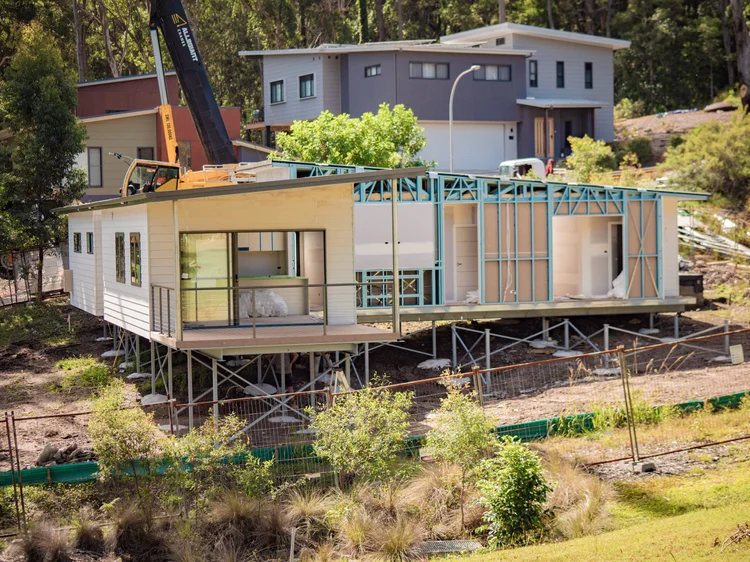
Credit: www.australiansteelframing.com.au
Choosing The Right Frame For Your Modular Home
Modular homes can have different types of frames. The frame affects strength and cost. Steel frames are one option, but wood is common too.
Choosing the right frame depends on your needs and the home's location. It is important to understand the benefits of each frame type.
Factors To Consider
When picking a frame, think about these factors. They will help you decide which frame suits your modular home best.
- Durability: Steel frames resist pests and fire better than wood.
- Cost: Wood frames usually cost less than steel.
- Climate: Steel handles moisture well but can be cold to touch.
- Design: Some designs fit better with wood or steel frames.
- Maintenance: Wood may need more upkeep over time.
Consulting With Builders
Builders know what works best for your area and budget. Talking with them can clear up doubts about frame choices.
| Question | Why It Matters |
| Which frame suits the local climate? | To ensure durability and comfort. |
| What is the estimated cost difference? | Helps in planning your budget. |
| Are there special building codes? | To avoid legal issues and delays. |
| How long will construction take? | To plan your move and other arrangements. |

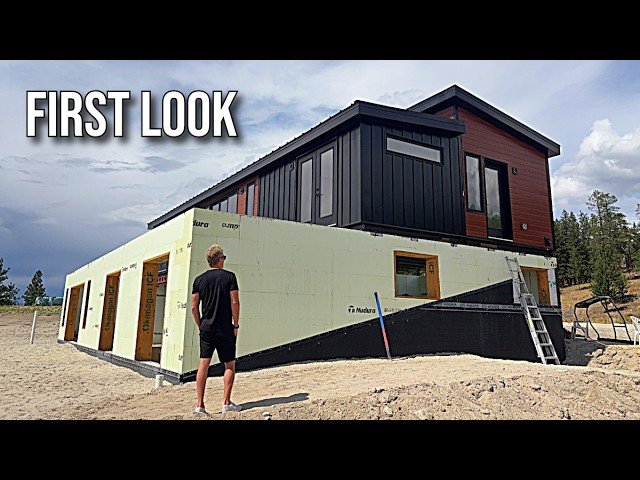
Credit: www.youtube.com
Frequently Asked Questions
Do Modular Homes Typically Use Steel Frames?
Most modular homes use steel frames for strength and durability. Steel frames provide better resistance to weather and pests compared to wood. This enhances the home’s longevity and structural integrity. However, some modular homes may use wood frames depending on design and cost preferences.
What Are The Benefits Of Steel Frames In Modular Homes?
Steel frames offer superior strength, fire resistance, and termite protection. They also allow for faster construction and precise manufacturing. Steel is recyclable, making modular homes more eco-friendly. These benefits improve safety, durability, and sustainability of modular homes.
Can Modular Homes Have Wooden Instead Of Steel Frames?
Yes, some modular homes use wooden frames instead of steel. Wood is often chosen for cost-effectiveness and traditional aesthetics. However, wood frames may require more maintenance and are less durable than steel. The choice depends on budget, design, and location preferences.
How Does Steel Framing Affect Modular Home Costs?
Steel framing can increase upfront costs due to material expenses. However, it reduces long-term maintenance and repair costs. Steel frames also speed up construction time, potentially lowering labor costs. Overall, steel frames offer good value for modular homes.
Conclusion
Modular homes often have steel frames, but not always. Builders choose steel for strength and durability. Some use wood or other materials instead. Steel frames resist pests and fire better. They also help homes last longer. Knowing this helps you decide what fits your needs.
Steel frames may cost more upfront but save money later. Think about your budget and preferences carefully. Modular homes offer many options for strong, lasting structures.