Are you curious about what makes modular homes strong and durable? You might be wondering if steel beams are part of their structure.
Understanding this can help you feel more confident about choosing a modular home. You’ll discover the truth about steel beams in modular homes and why they matter for your safety and investment. Keep reading to find out what’s really inside the walls of these modern homes.
Modular Home Construction Basics
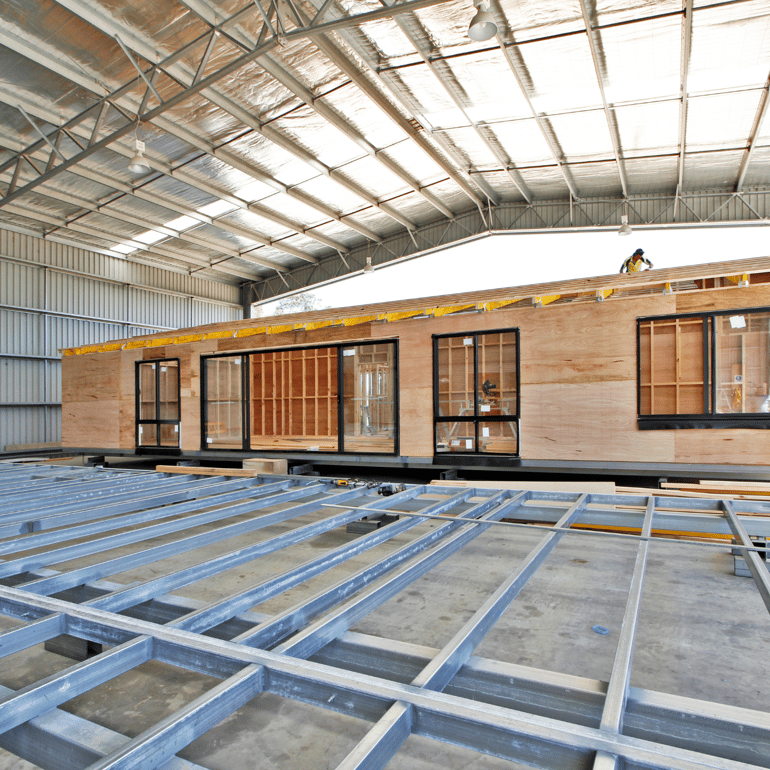
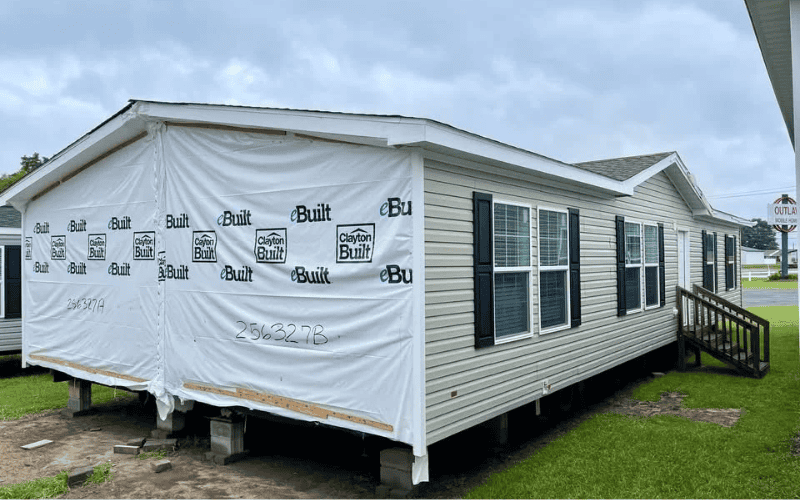
Modular homes are built in sections at a factory. These sections are moved to the site and joined together. This method saves time and reduces waste.
Understanding the materials and structure helps you know if steel beams are part of modular homes.
Materials Commonly Used
Builders use different materials in modular homes depending on design and strength needs. Wood, steel, and concrete are popular choices.
- Wood framing is common for walls and floors.
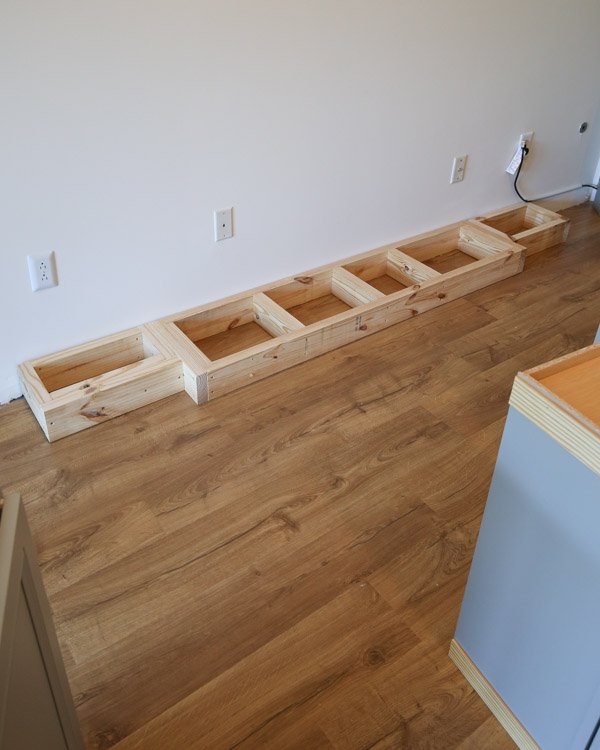
- Steel beams provide strong support in some designs.
- Concrete is often used for foundations.
- Insulation materials keep homes energy efficient.
Role Of Structural Components
Structural parts keep the home safe and stable. They carry the weight of the building and resist weather forces.
| Component | Function |
| Steel Beams | Support heavy loads and long spans |
| Wood Frames | Form the skeleton of walls and floors |
| Concrete Foundation | Anchor the home to the ground |
| Roof Trusses | Hold up the roof structure |
Steel Beams In Modular Homes
Modular homes are built in sections at a factory. Steel beams can be part of their structure. These beams add strength and support.
This article explains when steel beams are used, their benefits, and other options available.
When Steel Beams Are Included
Steel beams are included in modular homes for certain reasons. They are used to hold heavy loads or span wide spaces. Builders add them when wood alone is not strong enough.
Common situations where steel beams appear:
- Open floor plans that need wide support
- Multiple stories requiring strong framing
- Homes built on uneven or weak ground
- Areas with high wind or snow loads
Benefits Of Steel Beams
Steel beams offer many benefits in modular homes. They are strong and last a long time. Steel resists warping and pests better than wood. It also allows for larger open spaces inside the home.
| Benefit | Explanation |
| Strength | Supports heavy loads safely |
| Durability | Resists damage from pests and weather |
| Design Flexibility | Allows for open floor plans |
| Fire Resistance | Steel is less flammable than wood |
Alternatives To Steel Beams
Not all modular homes use steel beams. Builders may choose other materials for support. These alternatives depend on budget and design needs.
- Engineered wood beams for moderate strength
- Concrete supports for heavy loads
- Wood framing with added reinforcements
Design Factors Affecting Steel Beam Use
Modular homes can include steel beams depending on their design. Several key factors influence if steel beams are needed. These factors help ensure the home is safe and strong.
Understanding these design factors can explain why some modular homes have steel beams and others do not. Each element affects the structure differently.
Home Size And Layout
The size of the home plays a big role in using steel beams. Larger homes often need stronger support. The layout also matters because open spaces require beams to hold the roof.
Homes with many rooms or walls may need fewer steel beams. Open floor plans usually need more beams to support the wide spans.
- Large square footage can increase beam use
- Open spaces need more structural support
- Multiple small rooms may reduce beam needs
Load-bearing Requirements
Steel beams are often used to meet load-bearing needs. These beams carry heavy weights from floors, roofs, and upper levels. The heavier the load, the stronger the beams must be.
Designers calculate how much weight the home will hold. If wood or other materials cannot safely carry the weight, steel beams are added for support.
- Steel beams handle heavy loads well
- Load calculations guide beam size and placement
- Beams help prevent sagging and damage
Local Building Codes
Local building codes often dictate steel beam use in modular homes. Codes set safety standards for structures. These rules vary by region and climate.
In some areas, steel beams are required for strength and durability. Builders must follow these codes to get approval for the home.
- Codes ensure homes are safe and strong
- Requirements vary by location and weather
- Builders follow codes to pass inspections

Credit: www.builderonline.com
Cost Implications Of Steel Beams
Steel beams are often used in modular homes for strength and durability. They affect the overall cost of building the home.
This article explains how steel beams impact material costs, installation expenses, and long-term value.
Material Costs
Steel beams cost more than wood or other materials. Prices depend on the size and type of steel used.
Steel prices can vary due to market demand and availability. This affects the total price of the home.
- Steel is more expensive per foot than wood
- Higher quality steel costs more
- Prices change based on supply and demand
Installation Expenses
Installing steel beams requires special tools and skills. This can raise labor costs compared to wood beams.
Steel is heavier and harder to work with, so installation takes more time and effort.
- Requires skilled workers with steel experience
- Need special equipment for heavy lifting
- Longer installation time raises labor costs
Long-term Value
Steel beams add strength and last longer than wood. This lowers repair and replacement costs.
Steel resists pests, rot, and fire better. This protects your home’s structure over time.
- Stronger structure reduces damage risk
- Less maintenance needed over years
- Better protection against fire and pests
Durability And Maintenance
Modular homes often use steel beams for support. These beams add strength and last a long time. Understanding their durability and care helps keep your home strong.
Steel beams need less maintenance than wood. They resist damage from pests and weather. Let's look at how long they last and how to care for them.
Steel Beam Longevity
Steel beams in modular homes can last many decades. They do not rot or warp like wood. Steel is strong against heavy loads and harsh weather.
Properly treated steel beams resist rust and corrosion. This helps them keep their strength over time. Their long life makes homes safer and more stable.
Maintenance Tips
Keeping steel beams in good shape is simple. Check for rust and clean beams regularly. Fix any damage quickly to avoid bigger problems.
- Inspect beams at least once a year
- Remove dirt and debris to prevent moisture
- Apply rust-resistant paint or coatings
- Repair small rust spots promptly
- Keep gutters and drainage clear to avoid water buildup
Impact On Home Resilience
Steel beams increase a home's ability to withstand storms and earthquakes. Their strength helps the structure stay intact. This adds safety for the people inside.
Steel's resistance to pests and fire also protects the home. It lowers the chance of damage and costly repairs. This makes modular homes a smart choice for durability.

Credit: concord-home.com
Customization And Flexibility
Modular homes with steel beams offer unique design options. They provide strength and allow for creative layouts.
These homes can be customized to suit different tastes. Steel beams offer flexibility in room sizes and shapes.
Design Options With Steel Beams
Steel beams support open floor plans. They allow for large windows and high ceilings.
- Open and spacious layouts
- Large glass panels for natural light
- High ceilings for airiness
Limitations To Consider
While steel beams offer benefits, there are some limitations. They may affect the cost and installation time of the home.
| Aspect | Limitation |
| Cost | Higher due to materials |
| Installation | Requires skilled labor |
| Design | May limit some traditional styles |
Credit: peb.steelprogroup.com
Frequently Asked Questions
Do Modular Homes Use Steel Beams For Support?
Yes, many modular homes incorporate steel beams for structural support. Steel beams offer strength, durability, and flexibility in design. They help distribute weight evenly and resist bending. Using steel enhances the home’s stability and longevity, especially in multi-story modular constructions or homes with open floor plans.
Are Steel Beams Common In Modular Home Construction?
Steel beams are commonly used in modular homes, especially for load-bearing walls and floors. They provide superior strength compared to wood alone. Builders prefer steel for its resistance to pests, fire, and warping. This makes modular homes safer and more durable over time.
How Do Steel Beams Affect Modular Home Cost?
Steel beams can increase the initial cost of modular homes slightly. However, they reduce long-term maintenance and repair expenses. Steel’s durability and strength often justify the investment. The overall value and safety of the home improve with steel beam integration.
Can Modular Homes Be Built Without Steel Beams?
Yes, some modular homes are built without steel beams, using timber or engineered wood. However, this may limit design flexibility and strength. Steel beams are preferred for larger spans and heavier loads. Choosing steel depends on the home’s size, design, and budget.
Conclusion
Modular homes often include steel beams for strong support. These beams help keep the structure safe and stable. Not every modular home uses steel, but many do for durability. Builders choose materials based on design and location needs. Steel beams make homes more resistant to weather and damage.
This choice adds value and peace of mind. Understanding steel’s role helps when deciding on a modular home. It’s a smart step toward a safe, lasting house.