Are you wondering if a floating shelf could be the perfect addition to your living room? You might be picturing a sleek, modern space where your favorite books, plants, or photos seem to hover effortlessly on the wall.
But is it really the right choice for your room? You’ll discover everything you need to know about installing a floating shelf—how it can transform your space, what to consider before putting one up, and tips to make it both stylish and sturdy.
Keep reading, and you’ll soon see why a floating shelf might be exactly what your living room needs.
Benefits Of Floating Shelves
Floating shelves are a popular choice for living rooms. They offer many benefits that make your space look better.
These shelves are easy to install and fit into many room styles. They help keep your living room neat and stylish.
Space-saving Design
Floating shelves do not take up floor space. This helps your room feel bigger and less cluttered.
You can place them high on the wall to store books or decor. This frees up room for other furniture.
- Use vertical wall space
- Keep floor area open
- Store items without bulk
Modern Aesthetic
Floating shelves have a clean and simple look. They add a modern touch to any living room.
The hidden brackets make the shelves appear to float on the wall. This creates a sleek design.
- Smooth and clean lines
- Minimalist appearance
- Works with many decor styles
Versatile Placement
You can place floating shelves almost anywhere in the living room. They suit walls, corners, or above furniture.
Use them to display photos, plants, or small art pieces. Their flexibility makes them very useful.
- Mount above couches or tables
- Use in corners for extra storage
- Arrange in groups for style

Credit: www.familyhandyman.com
Choosing The Right Floating Shelf
Floating shelves add style and storage to your living room. Picking the right one makes a big difference.
Think about materials, size, and color before you buy. These choices help your shelf fit your space well.
Material Options
Floating shelves come in wood, metal, and glass. Each material looks different and serves different needs.
Wood shelves feel warm and classic. Metal shelves are strong and modern. Glass shelves look light and sleek.
- Wood: sturdy and traditional
- Metal: durable and industrial
- Glass: stylish and minimal
Size And Weight Considerations
Measure the wall space before buying a shelf. The size should fit your room and the items you want to place.
Check the shelf weight limit. Heavy items need shelves that hold more weight safely.
- Choose length that fits your wall
- Pick depth for your display items
- Check weight capacity for your needs
Color And Finish Choices
Colors and finishes change the look of your shelf. Match them with your living room style.
Light colors brighten the room. Dark colors add contrast. Matte or glossy finishes create different effects.
- Light wood or white for bright spaces
- Dark wood or black for bold looks
- Glossy finish for shine
- Matte finish for subtle style
Placement Ideas For Living Rooms
Floating shelves add style and function to living rooms. They hold decor, books, and small plants.
Choosing the right spot is key. Here are some ideas for placing floating shelves in your living room.
Above The Sofa
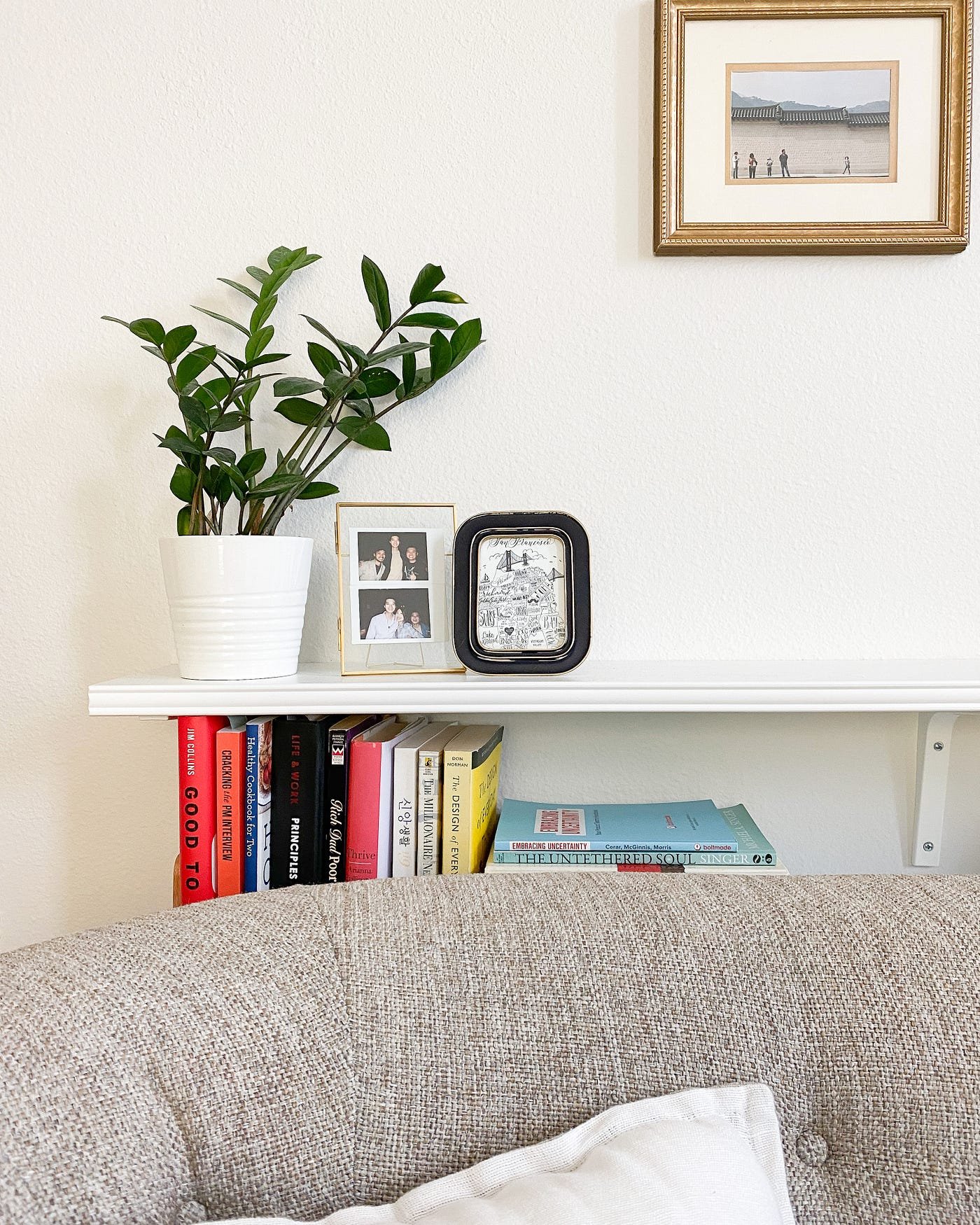
Placing floating shelves above the sofa creates a focal point. Use shelves to display art, photos, or small plants.
Keep shelves aligned and balanced. Avoid overcrowding to keep the space open and inviting.
Around The Tv Area
Floating shelves near the TV help organize media devices and decor. They can hold remotes, speakers, or decorative items.
- Place shelves on either side of the TV for symmetry
- Use shelves below the TV for media players
- Mix books and decor for a stylish look
Near Windows
Shelves near windows bring in natural light to highlight displayed items. They are great for plants and small decorations.
Tips for Window Shelves
- Choose materials that resist sunlight damage
- Keep shelves narrow to avoid blocking light
- Use floating shelves to save floor space
Corner Shelves
Corner floating shelves use space efficiently. They fit well in small or awkward corners in your living room.
| Corner Type | Best Shelf Shape | Use Idea |
| Right Angle | Triangular | Display small plants or books |
| Rounded | Curved | Showcase decorative pieces |
| Open Corner | Floating L-Shaped | Store media or photo frames |
Styling Floating Shelves
Floating shelves add style and storage to your living room. Styling them well makes the room look neat and inviting.
You can use floating shelves to show your favorite items and keep things organized. Let’s look at some ideas for styling them.
Decorative Items To Display
Choose items that show your personality and match your room’s theme. Use a mix of textures, colors, and shapes to create interest.
- Small plants or succulents in pretty pots
- Framed photos or artwork
- Decorative candles or lanterns
- Books with attractive covers
- Unique souvenirs or collectibles
Balancing Function And Style
Floating shelves can hold useful items and look good at the same time. Balance what you need with what looks nice.
| Function | Style |
| Store remote controls | Use stylish baskets |
| Hold books | Arrange books by color |
| Keep keys | Add a decorative tray |
| Display photos | Use matching frames |
Layering And Grouping Objects
Place objects in layers and groups to make the shelves look full and interesting. Use different heights and sizes for a balanced look.
- Put taller items at the back
- Place smaller items in front
- Group three to five objects together
- Mix horizontal and vertical shapes
- Leave some empty space for balance
Installation Tips
Adding a floating shelf to your living room can save space and add style. Proper installation keeps it safe and strong.
Follow these tips to install your floating shelf correctly and enjoy its benefits for years.
Wall Type Considerations
Check the wall where you want to install the shelf. Different walls need different tools and anchors.
Drywall, plaster, and concrete walls require different fixing methods for secure mounting.
- Drywall: Use wall studs or heavy-duty anchors.
- Plaster: Use anchors designed for plaster and find studs if possible.
- Concrete or brick: Use masonry anchors and a drill with a masonry bit.
Tools And Hardware Needed
Gather all tools and hardware before starting. This helps the installation go smoothly.
- Drill with appropriate drill bits
- Screwdriver or drill driver
- Level to keep shelf straight
- Measuring tape for placement
- Wall anchors or screws suitable for your wall type
- Stud finder for drywall walls
Using the right hardware ensures the shelf stays firmly mounted and safe to use.
Safety And Weight Limits
Know the weight limit of your floating shelf. Overloading can cause damage or accidents.
Follow these safety tips for a strong and secure shelf:
- Check the manufacturer's weight limit before loading.
- Distribute weight evenly across the shelf.
- Secure the shelf to wall studs if possible for more strength.
- Avoid placing very heavy items on floating shelves.
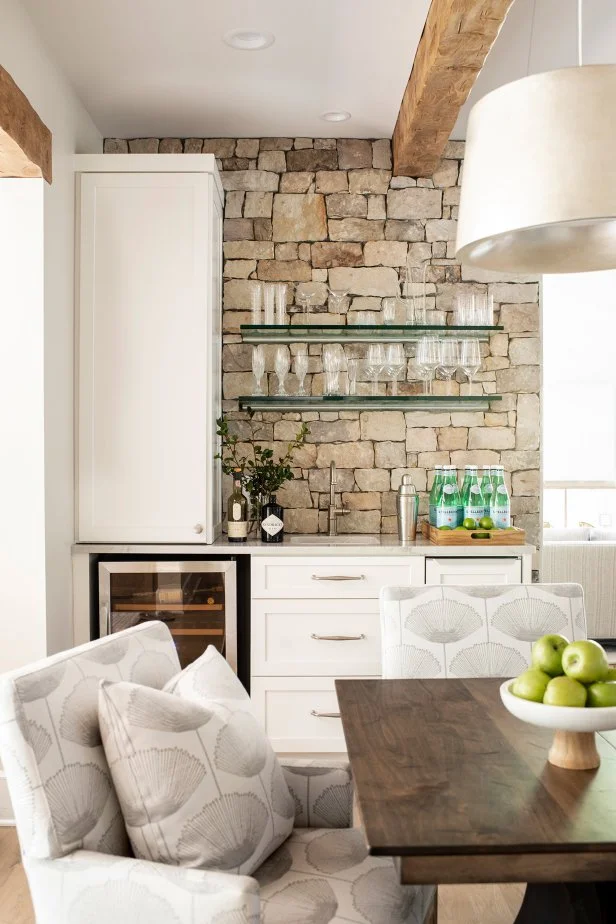
Credit: www.hgtv.com
Common Mistakes To Avoid
Floating shelves can add style to your living room. They can hold books, plants, and decor. But installing them can be tricky.
Many make mistakes that affect their look and use. Avoid these common errors for a better result.
Overloading Shelves
Too much weight can make shelves fall. This can damage your walls and items.
Check the weight limit of your shelf. Use only lightweight items for safety.
- Books can be heavy, choose a few light ones
- Small plants are better than large pots
- Use decorative baskets to hold loose items
Poor Placement Choices
Bad placement can make your room look cluttered. Shelves need to match your room's style.
Place them where they add balance to your space. Think about eye level and furniture around.
- Align shelves with furniture edges
- Keep them away from doorways
- Ensure they do not block light sources
Ignoring Wall Support
Walls have different materials and strengths. Not all walls can hold heavy shelves.
Check your wall type before installing. Use the right tools and anchors for support.
- Drywall needs special anchors
- Studs provide stronger support
- Brick walls require masonry screws

Credit: www.create-enjoy.com
Frequently Asked Questions
Can You Install Floating Shelves In Any Living Room Wall?
Yes, floating shelves can be installed on most living room walls. Ensure the wall is sturdy and can support weight. Use proper anchors and mounting hardware for safety. Avoid drywall alone for heavy items.
What Are The Best Materials For Floating Shelves?
Wood, MDF, and metal are popular floating shelf materials. Wood offers warmth and strength, MDF is budget-friendly, and metal adds a modern touch. Choose based on your living room style and load requirements.
How Much Weight Can A Floating Shelf Hold?
Weight capacity depends on shelf material and mounting hardware. Typically, floating shelves hold 20-50 pounds safely. Heavier items require reinforced brackets or studs. Always check manufacturer guidelines before loading.
Are Floating Shelves Suitable For Small Living Rooms?
Yes, floating shelves save floor space and create an open feel. They provide storage without bulky furniture. Ideal for small living rooms, they keep the area organized and stylish.
Conclusion
Floating shelves bring style and function to any living room space. They hold books, plants, and decorations without clutter. Easy to install and fit many wall types. Choose the right size and weight limit to stay safe. With simple care, they last a long time.
Try floating shelves to add charm and save space today. A small change, big difference.