Have you ever wondered if you can melt steel right in your own home forge? It’s a question that sparks curiosity and a bit of excitement.
Imagine turning raw steel into molten metal with your own hands. But is it really possible, or just a dream for metalworking enthusiasts? You’ll discover what it takes to melt steel at home, the challenges you might face, and how to stay safe while doing it.
Keep reading to find out if your home forge can handle the heat and make steel melting a reality for you.
Basics Of Steel Melting
Melting steel at home is a challenging task. It requires high temperatures and proper equipment. Understanding the basics helps you know what is possible in a home forge.
Steel is a metal alloy made mostly of iron and carbon. Its melting behavior depends on its composition and properties.
Steel Melting Point
The melting point of steel varies by type, but it generally melts between 1370°C and 1510°C (2500°F to 2750°F). This high temperature makes melting steel difficult in a home forge.
Pure iron melts at about 1538°C (2800°F). Adding carbon and other elements lowers the melting point slightly.
Properties Affecting Melting
Several factors change how steel melts. These include carbon content, alloying elements, and impurities.
- Carbon content: Higher carbon lowers the melting point.
- Alloying elements: Elements like chromium and nickel change melting behavior.
- Impurities: Unwanted materials can raise or lower melting temperature.
- Grain structure: Affects how heat moves through the metal.
- Heat treatment: Can change melting characteristics slightly.
Differences Between Steel Types
| Steel Type | Typical Carbon % | Melting Point Range (°C) | Common Use |
|---|---|---|---|
| Carbon Steel | 0.05 - 2.0 | 1425 - 1540 | Construction, tools |
| Stainless Steel | 0.03 - 1.0 | 1400 - 1450 | Kitchenware, medical tools |
| Tool Steel | 0.5 - 2.0 | 1425 - 1510 | Cutting tools, dies |
| Alloy Steel | Varies | 1370 - 1470 | Automotive, machinery |

Credit: www.reddit.com
Home Forge Setup
Melting steel in a home forge is a challenging task. Setting up your home forge correctly is very important. A good setup helps you reach the high temperatures needed to work with steel.
This guide will explain the types of forges you can use, fuel options, and safety gear essentials. Knowing these basics helps you build a safe and effective home forge.
Types Of Home Forges
There are several types of home forges. Each type works differently and suits different needs. Choosing the right one depends on your skill and budget.
The most common types are coal forges, gas forges, and electric forges. Coal forges burn solid fuel. Gas forges use propane or natural gas. Electric forges use electricity to heat the metal.
- Coal Forge:Traditional and hot, needs good airflow.
- Gas Forge:Clean and easy to control temperature.
- Electric Forge:Uses electricity, good for small projects.
Fuel Options
Fuel is key to heating your forge. Different fuels burn at different temperatures. Pick a fuel that fits your forge type and needs.
Common fuels include coal, charcoal, propane, and electricity. Coal and charcoal are solid fuels. Propane is a gas fuel. Electricity powers electric forges.
- Coal:Burns very hot, needs constant air supply.
- Charcoal:Cleaner than coal, good for beginners.
- Propane:Easy to use, heats quickly and cleanly.
- Electricity:Safe and simple, best for low volume work.
Safety Gear Essentials
Safety is very important when working with a forge. You need the right gear to protect yourself from heat and sparks.
Wear protective clothing and use safety tools. This helps prevent burns and injuries while working with hot steel.
- Heat-resistant gloves:Protect your hands from burns.
- Safety glasses:Shield your eyes from sparks and debris.
- Apron:Made of leather or heavy material for body protection.
- Closed-toe shoes:Protect your feet from falling hot metal.
- Fire extinguisher:Keep nearby for emergencies.
Achieving Required Temperatures
Melting steel requires very high temperatures. A typical home forge must reach above 2,500°F (1,370°C) to melt steel.
Reaching and maintaining these temperatures is challenging but possible with the right setup and tools.
Heat Generation Techniques
Home forges use different ways to create heat. Common fuels include coal, coke, propane, and charcoal.
Using forced air, like a blower or fan, helps increase the fire's temperature by providing more oxygen.
- Coal or coke burns hot and is popular in blacksmithing.
- Propane forges offer cleaner and easier heat control.
- Charcoal is easy to find but burns cooler than coal.
- Forced air increases combustion and raises temperature.
Temperature Monitoring Tools
To melt steel, you need to know the fire's temperature accurately. Thermocouples and infrared thermometers are common tools.
Thermocouples measure temperature inside the forge. Infrared thermometers let you check surface heat from a distance.
- Thermocouples give direct and constant temperature readings.
- Infrared thermometers are quick and easy to use.
- Color observation helps estimate temperature by flame color.
Common Challenges
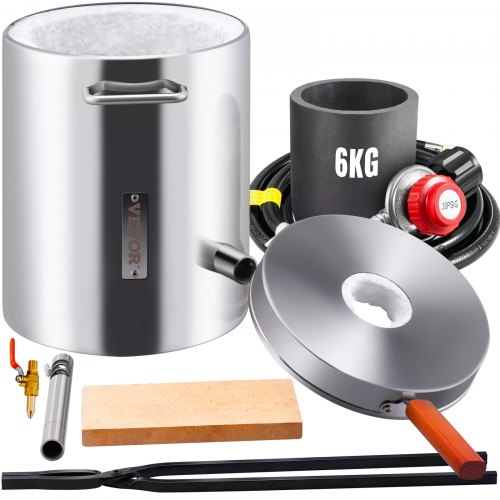
Many factors make melting steel at home difficult. Fuel type, air flow, and forge design all affect heat.
Keeping the fire hot enough for a long time is another big challenge. Heat loss to the environment can cool the forge.
- Fuel may not burn hot enough or cleanly.
- Insufficient air flow limits maximum temperature.
- Heat escapes through forge walls or openings.
- Monitoring tools may give inaccurate readings.
Credit: www.vevor.ca
Melting Process Step-by-step
Melting steel in a home forge is a complex task that requires care and precision. Each step in the process affects the quality of the molten steel.
Understanding the right preparation, heating, and handling methods helps you work safely and effectively.
Preparing The Steel
Start by choosing clean steel free from rust or coatings. Cut it into small pieces for easier melting. Remove any dirt or grease to avoid contamination.
- Use scrap steel or old tools without paint
- Cut steel into small chunks, about 1-2 inches
- Clean steel with a wire brush or sandpaper
- Wear gloves to protect your hands during handling
Heating Strategies
Use a well-built forge or furnace capable of reaching temperatures above 2700°F (1480°C). Control airflow and fuel for consistent heating.
| Fuel Type | Temperature Range | Notes |
| Charcoal | Up to 2800°F | Common, affordable, but smoky |
| Propane | Up to 3600°F | Clean burn, easy to control |
| Coal | Up to 3000°F | High heat, requires good airflow |
Gradually increase heat to avoid cracking. Keep the steel centered in the hottest part of the forge.
Handling Molten Steel
Molten steel reaches extremely high temperatures and must be handled carefully. Use proper tools and wear protective gear.
- Wear heat-resistant gloves and face protection
- Use heavy-duty tongs to lift and move crucibles
- Pour molten steel slowly into molds to avoid splashing
- Keep a fire extinguisher nearby for emergencies
Tools And Equipment Needed
Melting steel in a home forge needs the right tools. These tools help you handle hot metal safely and shape it correctly.
Knowing which equipment to use makes the process smoother and safer. Each tool has a specific job in melting and casting steel.
Crucibles For Melting
Crucibles hold the steel as it melts in the forge. They need to withstand very high temperatures without breaking.
- Choose crucibles made of graphite or silicon carbide for best heat resistance.
- Pick the right size to hold enough steel for your project.
- Inspect crucibles for cracks before each use to avoid accidents.
Tongs And Protective Gear
Tongs help you safely hold and move hot steel. Protective gear shields you from heat and sparks.
| Tool | Purpose |
| Tongs | Grip and move hot steel and crucibles |
| Heat-resistant gloves | Protect hands from burns |
| Apron | Shield body from sparks and heat |
| Face shield | Guard eyes and face from heat and debris |
Cooling And Casting Tools
After melting, steel needs to cool safely and be shaped. Cooling and casting tools help in this part.
- Metal molds for shaping the molten steel.
- Water or oil quenching tanks for quick cooling.
- Wire brushes and files for cleaning and finishing.

Credit: www.reddit.com
Safety Precautions
Melting steel in a home forge can be exciting. It is important to stay safe. Steel requires high heat to melt, which can be dangerous.
Understanding the risks and taking the right precautions can prevent accidents. Proper preparation and safety gear are essential.
Fire Hazards
High temperatures in a forge can cause fires. Make sure your workspace is clear of flammable items. Keep a fire extinguisher nearby at all times.
Proper ventilation is important. It helps to reduce the risk of fire and ensures safety. Always check your equipment for damage.
Protective Clothing
Wearing the right clothing can protect you from burns. Use heavy-duty gloves and a fire-resistant apron. Safety goggles are a must to protect your eyes.
Heat-resistant boots keep your feet safe from hot metal. Wear long sleeves and pants made from non-flammable materials.
Emergency Preparedness
Have a clear plan in case of an emergency. Know the exit routes in your workspace. Inform someone nearby about your activities.
Keep emergency contact numbers handy. Regularly check your first aid kit to ensure it is fully stocked. Practice emergency drills to be better prepared.
- Check fire extinguishers monthly
- Keep a phone within reach
- Learn basic first aid skills
Common Mistakes To Avoid
Melting steel in a home forge can be challenging. There are common mistakes that people make during the process.
Avoiding these mistakes can ensure safety and success. Below are the key areas to watch out for.
Overheating Steel
Overheating steel can lead to damage. It's important to monitor the temperature closely.
- Use a thermometer to check temperature
- Avoid red-hot conditions for long periods
- Adjust fuel levels to control heat
Improper Handling
Handling steel improperly can cause accidents. Always use the right tools and methods.
| Tool | Use |
| Tongs | Holding hot steel |
| Hammer | Shaping steel |
| Gloves | Protecting hands |
Ignoring Safety Measures
Safety measures are crucial in preventing injuries. Never skip these important steps.
Advanced Tips For Better Results
Melting steel in a home forge is challenging but possible with the right skills. Using advanced tips can improve your results and safety.
Controlling temperature, mixing alloys correctly, and treating the steel after melting are key steps. These help create better steel quality.
Temperature Control Techniques
Steel melts at about 1370°C to 1510°C (2500°F to 2750°F). Keeping the temperature steady is vital for good melting.
Use a pyrometer or infrared thermometer to check the heat. Adjust your forge’s air supply to control the flame size and heat level.
- Preheat the steel slowly to avoid cracks.
- Keep the heat even to prevent weak spots.
- Use charcoal or coal for consistent high heat.
- Work in small batches to maintain control.
Alloying And Mixing
Mixing different metals with steel can change its properties. Adding carbon or other elements strengthens the steel.
Carefully measure alloys to avoid weak steel. Stir the molten steel gently to blend the metals evenly.
- Add carbon to improve hardness.
- Use manganese to increase toughness.
- Chromium helps resist rust and wear.
- Keep alloy amounts balanced for desired results.
Post-melting Treatments
After melting, treat the steel to improve strength and durability. Cooling and shaping affect final quality.
Quenching steel in water or oil hardens it. Tempering by reheating reduces brittleness for better use.
- Cool steel slowly to avoid cracks.
- Quench to lock in hardness.
- Temper to balance hardness and flexibility.
- Polish and clean to remove impurities.
Frequently Asked Questions
Can You Melt Steel In A Home Forge Safely?
Yes, melting steel in a home forge is possible with proper equipment and safety measures. High temperatures above 2,500°F are needed. Ensure good ventilation, protective gear, and fireproof surroundings for safe operation. Beginners should seek guidance before attempting.
What Temperature Is Needed To Melt Steel?
Steel melts at around 2,500°F to 2,800°F (1,370°C to 1,540°C). A home forge must reach these temperatures. Most standard forges can’t melt steel but can heat it for forging. Specialized setups are required for actual melting.
What Equipment Is Required To Melt Steel At Home?
You need a high-temperature forge or furnace, crucibles, and protective gear. A propane or coal forge can work if it reaches melting temperature. Also, use tongs and safety equipment like gloves and eye protection to handle molten steel safely.
Is Melting Steel In A Home Forge Cost-effective?
Melting steel at home can be costly due to fuel, equipment, and safety gear. It’s often more efficient to buy pre-melted steel or billets. However, DIY melting can be rewarding for hobbyists and small projects.
Conclusion
Melting steel in a home forge is very challenging. Most home forges cannot reach the needed temperature. Special equipment and safety gear are important. Small projects like heating or shaping steel are easier. Trying to melt steel at home can be unsafe.
Learning basic forging skills first helps build confidence. Keep safety as your top priority always. Experiment carefully and know your equipment limits. This keeps your work fun and injury-free.