Have you ever wondered if you can melt steel right at home? It sounds like a bold idea, maybe even impossible.
But what if you could turn solid steel into molten metal with the tools you have or can get easily? Imagine the power and creativity at your fingertips—crafting, shaping, or repairing steel pieces on your own. You’ll discover the truth about melting steel at home, the challenges involved, and what you really need to know before trying.
Keep reading, because what you learn here could change the way you think about working with metal forever.
Steel Melting Basics
Melting steel at home is a tough task. Steel needs very high heat to melt.
Understanding steel and its melting point helps you see why this is hard.
Properties Of Steel
Steel is a strong metal made from iron and carbon. It is hard and durable.
Steel resists rust if it has other metals mixed in, like chromium.
- Strong and tough
- Good conductor of heat and electricity
- Can be shaped when heated
- Resists rust with added metals
Melting Point Explained
Steel melts at around 1370 to 1510 degrees Celsius. This depends on the type of steel.
You need very hot flames or special equipment to reach these temperatures.
- Carbon steel melts near 1425°C (2597°F)
- Stainless steel melts near 1400-1450°C (2552-2642°F)
- Exact melting point varies by mix
Safety Precautions
Melting steel is very dangerous. Proper safety gear is a must to avoid injuries.
Wear protective clothing and work in a safe place with good ventilation.
- Use heat-resistant gloves and apron
- Wear safety goggles or a face shield
- Keep a fire extinguisher nearby
- Avoid breathing fumes by working outside or in ventilated areas
- Never melt steel near flammable materials

Credit: www.reliance-foundry.com
Required Tools And Materials
Melting steel at home needs special tools and materials. You must prepare carefully for safety and success.
This guide covers the main items you need. It helps you choose the right furnace, crucibles, molds, and protective gear.
Furnace Options
A furnace is necessary to reach steel’s high melting point. Different furnaces offer different heat levels and costs.
- Electric arc furnace: Uses electricity to melt steel quickly.
- Propane or gas furnace: Common for home use, heats up to needed temperatures.
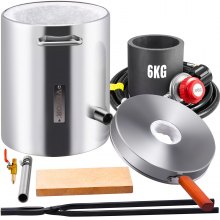
- Induction furnace: Heats metal using electromagnetic fields, efficient but costly.
- Foundry furnace: Designed for melting metals, uses coal or coke as fuel.
Crucibles And Molds
Crucibles hold the steel while it melts. Molds shape the molten steel into forms.
| Item | Material | Notes |
| Crucible | Graphite or clay-graphite | Must resist high heat and thermal shock |
| Mold | Steel, cast iron, or sand | Choose based on the shape and size of the casting |
| Flux | Borax or other cleaning agents | Helps remove impurities from molten steel |
Protective Gear
Safety is critical when melting steel. Protective gear shields you from heat and sparks.
- Heat-resistant gloves to protect hands.
- Face shield or safety goggles to guard eyes.
- Fire-resistant apron and clothing to protect the body.
- Sturdy boots to shield feet from hot spills.
- Respirator mask if fumes are present.
Setting Up A Home Furnace
Melting steel at home requires a furnace that can reach very high temperatures. Setting up a furnace depends on the fuel source and your skill level.
This guide explains three common furnace setups: charcoal, propane torch, and electric induction. Each has its own tools and safety needs.
Building A Charcoal Furnace
A charcoal furnace uses burning charcoal to reach steel’s melting point. It is cheap to build and easy to find materials.
- Find a metal bucket or old drum to hold charcoal.
- Line the inside with fire bricks or clay for heat resistance.
- Drill holes near the bottom for air flow.
- Use a hair dryer or bellows to blow air into the furnace.
- Place charcoal inside and light it until it glows red hot.
Using A Propane Torch Setup
A propane torch furnace burns gas to create a focused, high heat flame. It melts steel faster than charcoal but needs more care.
| Required Items | Purpose |
| Propane tank and torch | Fuel and flame source |
| Steel or cast iron container | Hold the molten metal |
| Heat-resistant gloves and goggles | Safety protection |
| Fire bricks or insulation | Contain and focus heat |
| Metal stand or tripod | Support the furnace setup |
Electric Induction Furnaces
Electric induction furnaces use electromagnetic fields to heat steel quickly. They need special parts and electricity but give clean heat.
- Coil made of copper wire to create magnetic fields.
- Power supply that converts electricity to high frequency.
- Crucible placed inside the coil to hold steel.
- Cooling system to keep the coil from overheating.
- Temperature control to keep the heat steady.
Credit: www.vevor.ca
Melting Process Step-by-step
Melting steel at home requires careful steps and safety. This guide shows you the process clearly.
Follow these instructions to prepare, heat, and pour molten steel safely and effectively.
Preparing Steel Pieces
Start by choosing clean steel pieces without rust or paint. Cut them into small chunks to melt faster.
- Wear gloves and eye protection.
- Use a hammer or cutter to break steel into small parts.
- Remove any coatings or oils from the steel surface.
- Keep the pieces dry before heating.
Heating Techniques
Use a high-temperature furnace or forge to heat steel. The steel must reach about 2,500°F (1,370°C) to melt.
| Heating Method | Max Temperature | Notes |
|---|---|---|
| Propane Furnace | Up to 3,600°F (1,980°C) | Common for home metal melting |
| Electric Arc Furnace | Up to 5,000°F (2,760°C) | High power, less common at home |
| Charcoal Forge | Up to 2,800°F (1,540°C) | Needs good airflow and fuel |
Keep the steel in the heat until it becomes fully molten. Use long tools to handle the hot metal.
Pouring Molten Steel
Pour the molten steel carefully into a mold or desired shape. Follow safety rules to avoid burns and accidents.
- Wear heat-resistant gloves and face shield.
- Use a sturdy ladle or crucible to hold molten steel.
- Pour slowly to avoid splashing.
- Allow the steel to cool and solidify fully before handling.
Troubleshooting Common Issues
Melting steel at home is a complex task that requires care. Problems can arise that stop the process or ruin the steel quality. Knowing how to fix these issues helps you get better results.
This guide covers common problems with temperature, impurities, and cracks. Each section explains what to watch for and how to solve issues safely and effectively.
Temperature Control Problems
Keeping the right temperature is key to melting steel. Too low, and the steel won't melt. Too high, and it can burn or lose strength. Use a reliable thermometer and watch the heat source carefully.
- Check your furnace temperature often to stay in range.
- Adjust fuel or power to control heat output smoothly.
- Let the furnace cool down slowly to avoid thermal shock.
- Use insulation to keep heat steady and reduce energy waste.
Contamination And Impurities
Impurities in steel cause weak spots and poor quality. Dirt, rust, and leftover materials can mix with molten steel. Clean your tools and work area before melting steel.
| Common Contaminants | Effect on Steel |
| Dirt and Dust | Creates weak spots |
| Rust | Causes brittleness |
| Old Steel Bits | Leads to impurities |
| Oil or Grease | Produces gas bubbles |
Use clean scrap steel and remove coatings. Avoid adding unknown materials to the furnace. This keeps your steel pure and strong.
Handling Cracks And Defects
Cracks and defects can form during cooling. These flaws make steel unsafe for use. Handle molten steel carefully and cool it evenly to prevent cracks.
Tips to reduce cracks and defects:
- Pour molten steel slowly to avoid air pockets.
- Use molds that allow even heat distribution.
- Preheat molds to reduce sudden temperature changes.
- Inspect steel after cooling for any visible cracks.
- Re-melt flawed steel to fix defects if possible.
Post-melting Techniques
Melting steel at home is a complex process. After melting, several techniques are needed to handle the molten metal. These techniques ensure that the steel is properly cooled, finished, and recycled for future use.
Each technique requires careful attention to detail to ensure safety and quality. Let's explore these methods further.
Cooling Methods
Proper cooling is essential for maintaining the structural integrity of the steel. Different methods can be employed to achieve this.
- Air cooling: Let the steel cool naturally in open air.
- Water quenching: Submerge the steel in water for rapid cooling.
- Oil quenching: Use oil for a more controlled cooling process.
Finishing And Polishing
After cooling, steel requires finishing and polishing. This improves its appearance and functionality. Different tools and techniques are used in this process.
Common tools for finishing include:
- Grinders
- Sandpaper
- Polishing wheels
Recycling Scrap Steel
Recycling scrap steel is a crucial step in the process. It reduces waste and promotes sustainability. Understanding how to sort and recycle scrap steel can make a big difference.
| Type of Scrap | Recycling Method |
| Stainless Steel | Separate by alloy type |
| Carbon Steel | Magnetic sorting |
| Alloy Steel | Analyze and sort based on properties |
Legal And Safety Considerations
Melting steel at home can be risky. It's essential to understand the legal and safety aspects. This ensures compliance and safety for everyone involved.
Before starting, knowing local laws and potential hazards is crucial. Consider the environmental impact of your actions too.
Local Regulations
Check your local laws before melting steel. Some places have strict regulations. These laws ensure safety and environmental protection.
- Contact local authorities for guidance
- Obtain necessary permits
- Follow zoning laws and restrictions
Fire Hazards
Melting steel involves high temperatures. This creates fire risks. Proper precautions are vital to prevent accidents.
- Keep a fire extinguisher nearby
- Ensure good ventilation in the workspace
- Wear appropriate safety gear
Environmental Impact
Melting steel can affect the environment. It's important to minimize any negative impact. Consider how your actions contribute to pollution.
Responsible handling of materials and waste is essential. This helps protect the environment and complies with regulations.

Credit: www.reliance-foundry.com
Frequently Asked Questions
Can You Melt Steel At Home Safely?
Melting steel at home is risky due to extremely high temperatures needed. Proper equipment and safety measures are essential to avoid accidents and injuries.
What Temperature Is Required To Melt Steel?
Steel melts at around 2,500°F (1,370°C). Achieving and maintaining this temperature requires specialized furnaces or torches, not typical household tools.
What Equipment Is Needed To Melt Steel At Home?
You need a high-temperature furnace, protective gear, and proper ventilation. Ordinary kitchen tools cannot reach steel’s melting point safely or effectively.
Is Melting Steel At Home Cost-effective?
Melting steel at home is generally expensive. The cost of equipment, fuel, and safety gear often outweighs the benefits for hobbyists or small projects.
Conclusion
Melting steel at home is very hard and dangerous. You need special tools and high heat to do it. Most people do not have the right equipment. Safety is also a big concern during this process. Small mistakes can cause serious injuries or fires.
It is better to leave steel melting to experts. Still, learning about how steel melts can be interesting. Remember, working with steel requires care and knowledge. Stay safe and always choose the right way to handle metal projects.