Have you ever wondered if you can make polymer clay at home? Imagine creating your own colorful, moldable clay without running to the store every time.
Making polymer clay yourself could save you money and give you the freedom to customize colors and textures exactly how you want. You’ll discover simple steps and insider tips to craft polymer clay right in your kitchen. By the end, you’ll feel confident to start your own creative projects with homemade clay.
Ready to unlock this fun, hands-on skill? Keep reading and let’s get started!
What Is Polymer Clay
Polymer clay is a type of modeling material. It is soft and easy to shape by hand.
After shaping, you bake it in an oven. This hardens the clay and makes it solid.
Basic Ingredients
Polymer clay is made from a few key ingredients. These include polymers, plasticizers, and pigments.
- Polymers:Long chains of molecules that give clay its shape.
- Plasticizers:Make the clay soft and flexible.
- Pigments:Add color to the clay.
How Polymer Clay Works
The clay stays soft until it is heated in an oven. Heat causes the polymers to join together.
This process is called curing. It turns the soft clay into a hard, durable object.
Common Uses
| Use | Description |
| Jewelry | Making beads, pendants, and earrings |
| Miniatures | Creating small models and figurines |
| Home Decor | Designing custom decorations and tiles |
| Crafts | General art and craft projects for all ages |
Ingredients Needed
You can make polymer clay at home with a few simple ingredients. This homemade clay is soft and easy to shape. It hardens after baking in the oven.
Gathering the right ingredients helps you create a smooth and workable clay. Below are the main materials you need.
Basic Ingredients For Polymer Clay
The basic recipe uses common household ingredients. These form the clay’s structure and texture.
- White glue (PVA glue)
- Baking soda
- Cornstarch
- Water
- Optional: Food coloring or acrylic paint for color
Alternative Ingredients
You can also use other ingredients to change the clay’s feel or color. Some alternatives work well if you want softer or firmer clay.
| Ingredient | Purpose |
| Liquid starch | Acts as a softener |
| Baby oil | Adds smoothness |
| Vaseline | Helps with pliability |
| Talcum powder | Prevents stickiness |
Tools And Supplies
Besides ingredients, some tools make the process easier and neater. These help you mix and shape the clay well.
- Mixing bowl
- Spoon or spatula
- Measuring cups and spoons
- Plastic wrap or airtight container for storage
- Baking tray or sheet
Step-by-step Diy Process
Making polymer clay at home is fun and easy. You can create your own clay with simple materials.
This guide will help you make polymer clay in four clear steps. Follow each step carefully for the best results.
Preparing The Workspace
Start by cleaning your work area. Use a flat, smooth surface that is easy to clean.
- Cover the surface with wax paper or a silicone mat
- Gather all tools and ingredients before starting
- Keep a trash bin nearby for scraps
- Wash your hands to avoid dirt in the clay
Mixing The Ingredients
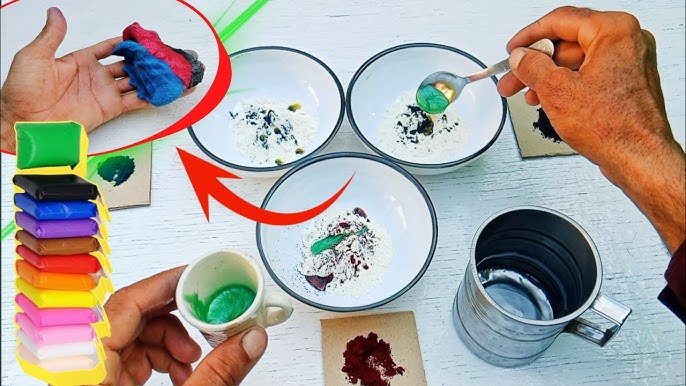
You need white glue, baking soda, and corn starch to make the clay dough. Mix these well to get a smooth base.
| Ingredient | Amount |
| White glue | 1 cup |
| Baking soda | 1/2 cup |
| Corn starch | 1/2 cup |
Kneading The Clay
Once the mixture cools, knead it on a clean surface. Kneading makes the clay smooth and ready to use.
- Place the dough on a flat surface
- Press and fold the dough repeatedly
- Continue kneading for 5 to 10 minutes
- Check if the clay is soft and not sticky
Adding Color And Texture
You can add colors and patterns to your clay. Use food coloring or acrylic paint for color. Add texture with household items.
Try these tips to add texture:
- Use a toothbrush for small dots
- Press leaves or fabric for patterns
- Roll the clay with a textured roller

Credit: www.youtube.com
Tips For Best Results
Making polymer clay at home can be fun and creative. You need to follow some tips to get the best results.
Good preparation and care help your clay projects last longer and look better.
Avoiding Common Mistakes
Many beginners make simple mistakes that affect the clay’s quality. Avoid these to improve your work.
- Do not overheat the clay; it can burn and lose color.
- Keep your hands clean to avoid dirt in the clay.
- Mix colors gently to prevent unwanted streaks.
- Use the right oven temperature for baking.
- Do not use old or hardened clay without softening it first.
Storage And Preservation
Proper storage keeps polymer clay soft and ready to use. It stops the clay from drying out or hardening.
Store clay in cool, dry places and use the right containers to protect it.
- Wrap clay in plastic wrap or place it in airtight bags.
- Keep clay away from direct sunlight and heat.
- Use separate containers for different colors to avoid mixing.
- Check your clay regularly for dryness or cracks.
- Recondition hardened clay by kneading it well before use.
Creative Project Ideas
Making polymer clay at home opens many chances for fun projects. You can create small or big items with your own hands.
This guide shows easy ideas for using polymer clay in your crafts and decorations.
Jewelry Making
Polymer clay lets you make unique earrings, necklaces, and rings. You can mix colors and shapes to fit your style.
Try making beads, pendants, or charms. Bake them in your oven to harden and wear them daily.
- Create colorful beads by rolling clay into small balls
- Use cutters to shape pendants and charms
- Add texture with stamps or tools before baking
- Paint or glaze finished pieces for extra shine
Home Decor
You can make beautiful decorations for your home using polymer clay. Small bowls, coasters, and plant pots are popular projects.
Mix colors and shapes to match your room’s look. Clay is easy to shape and bake, so you can create many styles.
- Design coasters with simple patterns or shapes
- Create small bowls for keys or jewelry
- Make plant pot covers with textured clay
- Craft wall hangings with colorful clay pieces
Miniature Models
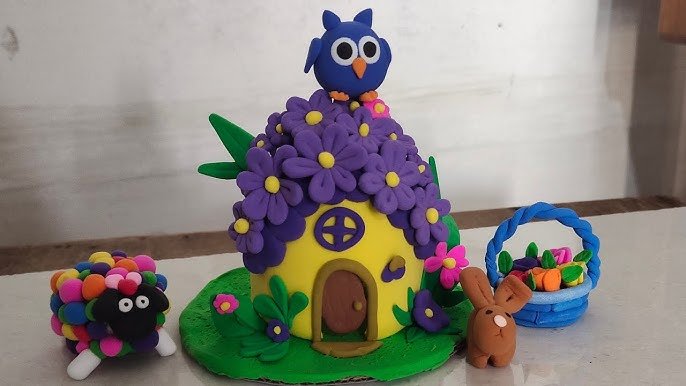
Polymer clay is perfect for making tiny models and figures. You can create animals, food, or toys for display.
Use small tools to add detail. Bake your models to keep their shape and use them as collectibles or gifts.
- Sculpt small animals or fantasy creatures
- Make miniature food items like cakes or fruits
- Create tiny dolls or action figures
- Use clay to build little furniture or props

Credit: www.youtube.com
Safety Precautions
Making polymer clay at home can be fun. It is important to stay safe while doing this. Follow these safety tips to protect yourself.
Always use the right tools and materials. Proper safety measures prevent accidents.
Wear Protective Gear
Use gloves to protect your skin from chemicals. Safety glasses protect your eyes from splashes.
- Wear a mask to avoid inhaling dust
- Use an apron to keep clothes clean
Work In A Ventilated Area
Good ventilation prevents fumes from building up. Open windows or use a fan for fresh air.
Avoid working in small, enclosed spaces. This keeps you safe from harmful fumes.
Store Materials Properly
Keep chemicals in labeled containers. Store them away from children and pets.
- Seal containers tightly to prevent leaks
- Store in a cool, dry place
Clean Up Thoroughly
Wash your hands after handling polymer clay. Clean surfaces to remove residue.
Use soap and water to clean tools. This keeps your workspace safe for next use.

Credit: www.youtube.com
Frequently Asked Questions
Can You Make Polymer Clay At Home Easily?
Yes, you can make polymer clay at home with simple ingredients like glue, cornstarch, and oil. It’s a fun DIY project but may not match commercial clay’s durability.
What Ingredients Are Needed For Homemade Polymer Clay?
Common ingredients include white glue, cornstarch, baking soda, and baby oil. These create a moldable, air-dry clay similar to polymer clay.
Is Homemade Polymer Clay Safe For Kids?
Homemade polymer clay is generally safe but should be used under adult supervision. Avoid ingestion and prolonged skin contact to prevent irritation.
How Long Does Homemade Polymer Clay Last?
Homemade polymer clay usually lasts a few days if stored in an airtight container. It tends to dry out faster than store-bought polymer clay.
Conclusion
Making polymer clay at home is simple and fun. You can use common ingredients found in your kitchen. It saves money and lets you customize colors and textures. Experiment with small batches first to find the right mix. Remember, homemade clay may not be as durable as store-bought.
Still, it offers a great way to start crafting and learn new skills. Give it a try and enjoy the creative process. Crafting at home brings joy and personal touch to your projects. Why not start today?