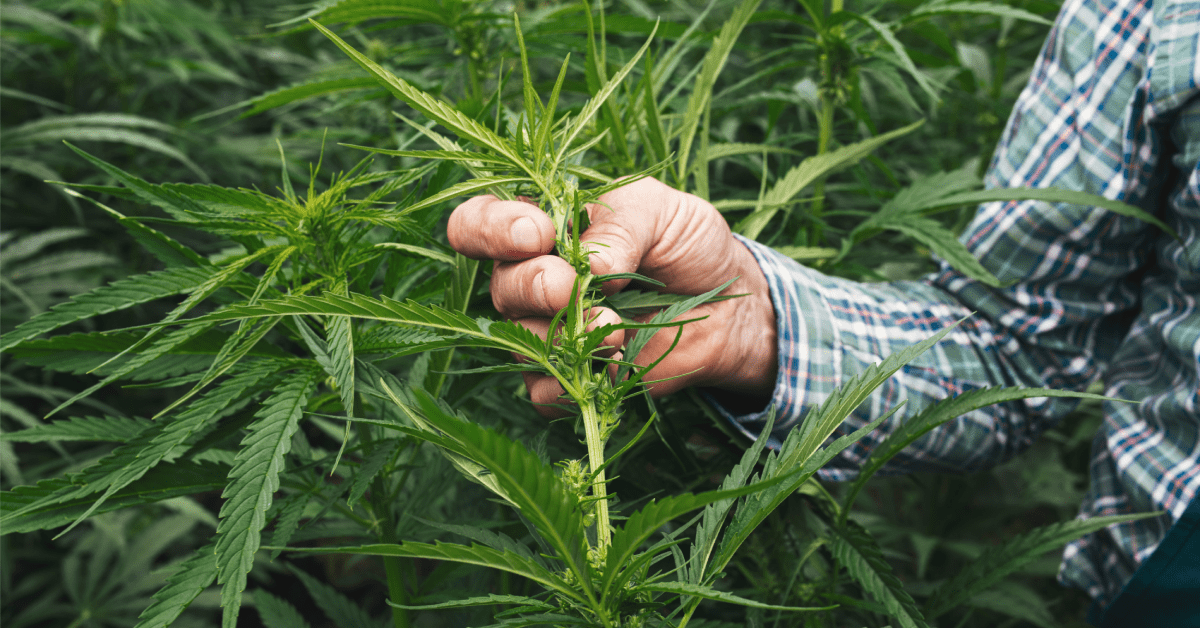
Have you ever wondered if you can grow hemp right in your own backyard in Texas? Whether you're curious about starting a small garden or exploring hemp for its many uses, knowing the rules and tips is key.
Growing hemp at home can seem tricky, but it doesn’t have to be. You’ll discover what you need to know to grow hemp safely and legally in Texas. Keep reading to find out how you can turn your space into a thriving hemp garden.
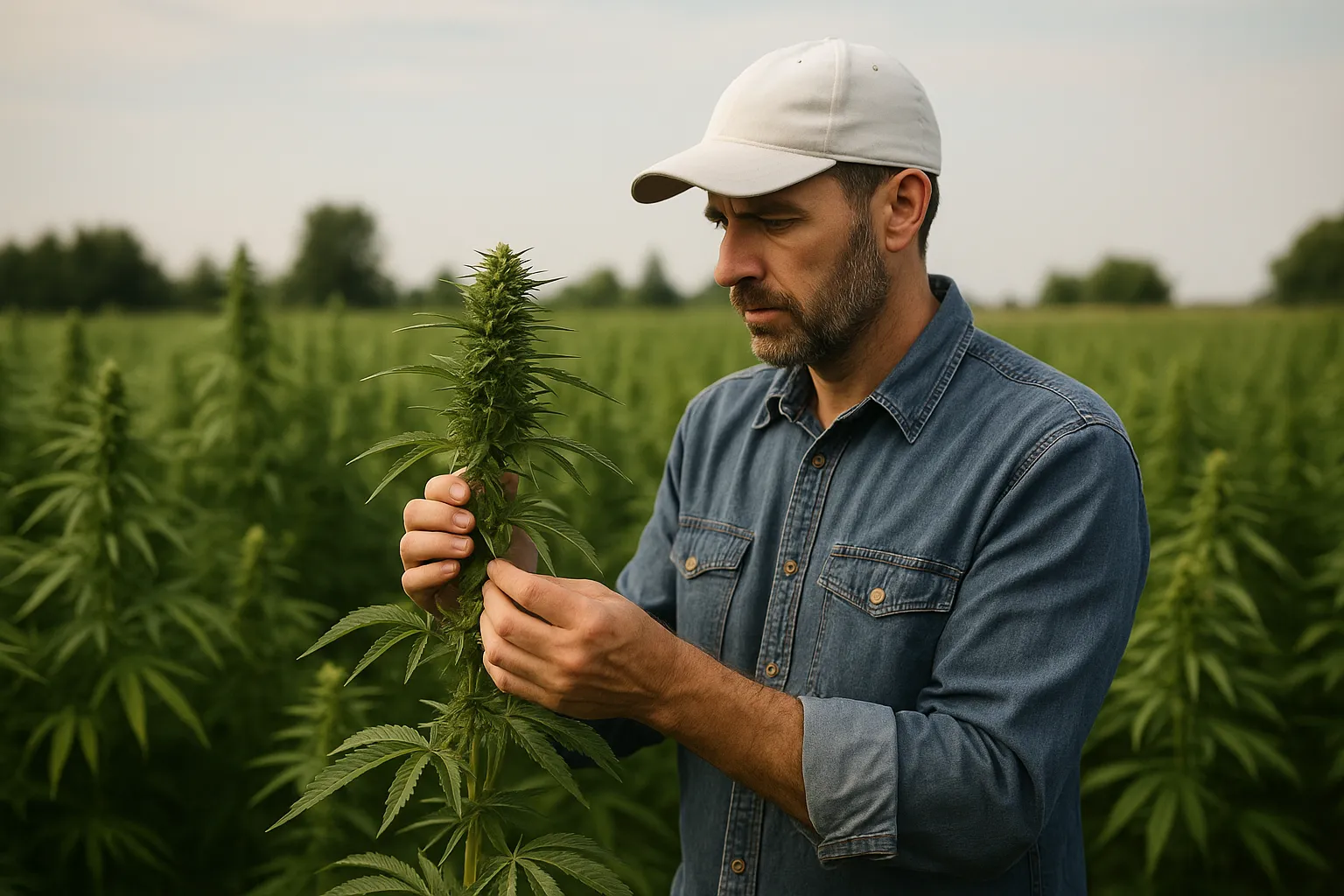
Credit: www.bryanfagan.com
Hemp Growing Laws In Texas
Growing hemp at home in Texas is subject to specific laws. These laws control how hemp can be grown and used. It is important to know these rules before starting to grow hemp plants.
This guide explains the state regulations, federal guidelines, and licensing needs for hemp growing in Texas.
State Regulations
Texas has rules that regulate hemp farming to keep it safe and legal. Hemp must have less than 0.3% THC to be legal. The law also limits where and how hemp can be grown.
- Hemp must have THC levels below 0.3%
- Growing hemp requires following Texas Department of Agriculture rules
- Farmers must keep records of hemp plants and sales
- Testing of THC levels is mandatory before harvest
Federal Guidelines
The 2018 Farm Bill allows hemp growing nationwide with rules. Hemp must be grown under a state or tribal plan approved by the USDA. Federal law controls hemp's THC limits and research.
| Requirement | Details |
| THC Limit | Less than 0.3% on dry weight basis |
| Licensing | State or tribal license required |
| Testing | Regular THC testing before harvest |
| Reporting | Submit reports to USDA and state agencies |
Licensing Requirements
Texas requires hemp growers to get a license before planting. The license application asks for farm details and personal information. The license helps the state track hemp farming activities.
- Submit application to Texas Department of Agriculture
- Provide legal identification and farm location
- Pay the application and licensing fees
- Wait for approval before planting hemp
- Follow all rules and renew license each year

Credit: www.bryanfagan.com
Choosing The Right Hemp Seeds
Growing hemp at home in Texas starts with choosing the right seeds. Good seeds grow healthy plants that follow Texas rules.
Picking the right seeds helps you avoid legal problems. It also helps you get the best hemp yield.
Seed Varieties
There are many hemp seed types. Some are for fiber, others for oil or CBD. Choose seeds made for home growing.
- Fiber seeds grow tall plants with strong stalks.
- Oil seeds produce seeds rich in healthy oils.
- CBD seeds have more cannabidiol for wellness uses.
Thc Limits
Texas law says hemp must have less than 0.3% THC. THC is the part that can cause a high.
Choose seeds that grow plants with THC below this limit. This keeps you legal and safe.
- Look for seeds tested for low THC levels.
- Check the seed provider’s THC guarantee.
- Monitor your plants as they grow to check THC levels.
Source Verification
Always buy seeds from trusted suppliers. Verified sources provide quality seeds that meet laws.
Check for certifications and lab test results before buying. This helps avoid bad seeds and legal issues.
- Buy from licensed hemp seed companies.
- Ask for third-party lab test reports.
- Read reviews from other growers.
Preparing Your Growing Space
Growing hemp at home in Texas needs a good space setup. You must think about where to grow and how to prepare the area. A well-prepared space helps plants grow strong and healthy.
Here we cover indoor vs outdoor options, soil preparation, and lighting with temperature. Each part is important for your hemp plants to thrive.
Indoor Vs Outdoor
You can grow hemp inside your home or outside in a garden. Indoor growing gives you more control over conditions. Outdoor growing uses natural sunlight and space but can be less predictable.
- Indoor: Use grow tents or spare rooms with good ventilation.
- Outdoor: Choose a spot with full sun and good drainage.
- Indoor: Control light, temperature, and humidity.
- Outdoor: Watch for weather changes and pests.
Soil Preparation
Healthy soil is key to growing hemp well. The soil should be loose, rich in nutrients, and drain water easily. You can improve soil by adding compost or organic matter.
| Soil Type | Best for Hemp | Notes |
| Sandy Loam | Yes | Drains well, easy to work |
| Clay | No | Heavy and holds water |
| Loam | Yes | Balanced texture and nutrients |
| Silt | Moderate | Good nutrients but poor drainage |
Lighting And Temperature
Hemp plants need strong light and steady warm temperatures. Indoor growers use special lights to mimic the sun. Outdoor plants depend on Texas sunlight and weather.
Ideal conditions include:
- Light: 12 to 18 hours daily for healthy growth
- Temperature: 65°F to 80°F (18°C to 27°C)
- Humidity: 40% to 60% for good plant health
Planting And Care Tips
Growing hemp at home in Texas can be rewarding. You need to understand how to plant and care for it properly.
Good care helps hemp plants grow strong and healthy. Follow these tips to get the best results.
Planting Time
Plant hemp seeds in Texas after the last frost date. The soil should be warm, at least 50°F (10°C).
Spring months like March or April are best for planting. This gives plants enough time to grow before hot weather.
Watering And Fertilizing
Hemp needs regular watering, especially during dry periods. Keep the soil moist but not soaked.
Use balanced fertilizers to supply nutrients. A mix with nitrogen, phosphorus, and potassium works well.
- Water young plants daily for the first two weeks
- Reduce watering as plants grow larger
- Apply fertilizer every 3-4 weeks during growth
Pest And Disease Control
Check hemp plants regularly for pests like aphids and spider mites. Early detection helps stop damage.
Use natural pest control methods such as neem oil or insecticidal soap. Keep plants healthy to resist diseases.
- Inspect leaves and stems weekly
- Remove damaged or diseased leaves
- Keep garden area clean and free of weeds
Harvesting And Processing Hemp
Growing hemp at home in Texas is possible with the right knowledge. Harvesting and processing are crucial steps in getting the best yield from your hemp plants.
Understanding the timing, drying, curing, and storage methods ensures high-quality hemp. Let's explore these essential steps in detail.
Harvest Timing
Knowing when to harvest hemp is vital for quality. The right timing impacts the plant's potency and overall value.
- Check the trichomes on the flowers; they should be milky white.
- Monitor the pistils; they should be mostly brown.
- Harvest in the morning for the best results.
Drying And Curing
Proper drying and curing preserve the hemp's quality. This process affects the flavor and effects of the hemp.
Ideal drying conditions include:
- Humidity between 45% and 55%
- Temperature around 60°F to 70°F
- A dark, well-ventilated space
Storage Methods
Storing hemp correctly maintains its quality over time. Use the following methods to keep your hemp fresh.
| Storage Container | Benefits |
| Glass jars | Maintains freshness and prevents odor |
| Vacuum-sealed bags | Extends shelf life by limiting air exposure |
| Cool, dark place | Prevents degradation from light and heat |
Common Challenges For Home Growers
Growing hemp at home in Texas can be tricky. Many people face challenges that affect their success. Understanding these problems helps prepare for growing hemp safely and well.
This section covers key issues like legal risks, environmental factors, and how to stay compliant with state rules.
Legal Risks
Texas has strict laws about hemp growing. Home growers must know these laws to avoid trouble. Growing hemp without permission can lead to fines or other penalties.
- Hemp must come from approved seeds.
- THC levels must stay below 0.3%.
- Growers may need a license or registration.
- Testing of hemp plants may be required by law.
- Unauthorized growing can result in legal action.
Environmental Factors
Hemp plants need the right environment to grow well. Texas weather and soil can cause problems for home growers.
| Factor | Challenge | Effect on Hemp |
| Heat | High summer temperatures | Can stress plants and reduce yield |
| Soil | Poor soil quality in some areas | Limits nutrient uptake and growth |
| Water | Irregular rainfall | Causes drought stress or waterlogging |
| Pests | Insects and diseases | Damage leaves and lower plant health |
Maintaining Compliance
Following state rules is key for home hemp growers. Keeping good records and regular testing helps meet legal demands.
- Register with the Texas Department of Agriculture.
- Use only certified hemp seeds.
- Keep detailed records of planting dates and sources.
- Submit plants for THC testing as required.
- Report any issues or changes to authorities.
Resources For Texas Hemp Growers
Growing hemp in Texas at home is now possible. You need to know the resources available to make this journey successful.
This guide will point you to organizations, educational materials, and legal help. These resources will support your hemp-growing venture.
Support Organizations
There are groups in Texas that help hemp growers. They offer advice and support for beginners and experienced growers alike.
- Texas Hemp Industries Association
- Texas Department of Agriculture
- Texas A&M AgriLife Extension
Educational Materials
Learning is key to successful hemp growing. Many materials are available to teach you about hemp cultivation.
Books, online courses, and workshops can help. These materials cover topics like soil preparation and pest management.
- Online hemp growing courses
- Books on hemp cultivation
- Workshops by local universities
Legal Assistance
Understanding hemp laws in Texas is crucial. Legal assistance can help you navigate these rules and regulations.
Lawyers specializing in agriculture can offer guidance. They help ensure compliance with state laws and obtain necessary permits.
- Agricultural law firms
- Legal workshops on hemp regulations
- Consultations with legal experts

Credit: www.marijuanamoment.net
Frequently Asked Questions
Can I Legally Grow Hemp At Home In Texas?
Yes, Texans can grow hemp at home only if they have a license. The Texas Department of Agriculture regulates hemp farming. Home growers must follow state laws and THC limits to remain compliant.
What Are The Thc Limits For Hemp In Texas?
Texas law requires hemp plants to contain no more than 0. 3% THC. This low THC level ensures the plant is non-intoxicating and legal to cultivate and process within the state.
Do I Need A Permit To Grow Hemp At Home?
Yes, a permit or license from the Texas Department of Agriculture is required. Without it, growing hemp at home is illegal and could lead to penalties.
What Conditions Does Hemp Need To Grow Well In Texas?
Hemp thrives in well-drained soil with good sunlight. Texas’s warm climate suits hemp, but growers should monitor water and nutrient levels for best results.
Conclusion
Growing hemp at home in Texas is possible with the right knowledge. You must follow state laws carefully to avoid problems. Choose good seeds and prepare your soil well. Keep plants healthy by watering and checking for pests. Growing hemp can be rewarding but needs patience and care.
Start small and learn as you go. Remember, success comes from consistent effort and attention. Growing hemp at home can be a great experience if done right.