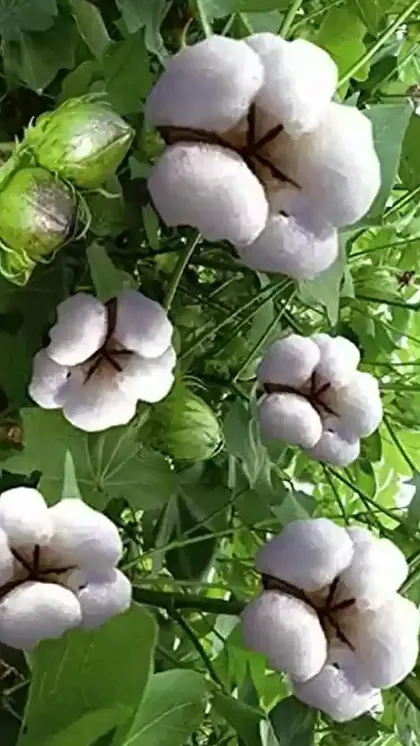
Have you ever wondered if you can grow cotton right in your own backyard? Imagine harvesting soft, fluffy cotton straight from a plant you nurtured yourself.
Growing cotton at home is not only possible but can also be a rewarding and fun experience. Whether you want to try a new gardening challenge or simply enjoy watching this unique plant thrive, this guide will show you exactly how to get started.
Ready to discover the secrets of homegrown cotton? Keep reading to find out everything you need to know.
Choosing The Right Cotton Variety
Growing cotton at home is a fun and rewarding project. Picking the right cotton variety helps you get the best results.
Some cotton types grow better in small gardens. Knowing which ones to choose makes growing easier.
Best Types For Home Gardens
Some cotton types are easier to grow in home gardens. These types stay smaller and need less care.
- Upland Cotton (Gossypium hirsutum) – Most common and good for warm climates
- Tree Cotton (Gossypium arboreum) – Smaller plants, good for limited space
- Egyptian Cotton (Gossypium barbadense) – Known for soft fibers, needs more care
- American Pima Cotton – Produces long, strong fibers, grows well in sunny spots
Choose types that fit your climate and space. Upland cotton is a safe choice for most areas.
Seed Selection Tips
Good seeds help your cotton grow healthy. Look for fresh seeds from trusted sources.
Check the seed packet for variety info. Some seeds need warmer soil to sprout well.
- Pick seeds suited for your local climate
- Buy seeds with high germination rates
- Avoid seeds that are too old or damaged
- Consider organic seeds for fewer chemicals
- Start seeds indoors if the season is short
Preparing The Planting Site
Growing cotton at home starts with picking the right place. The spot must fit cotton’s needs for good growth.
Preparing the site well helps cotton plants grow strong and healthy. You should focus on soil, sunlight, and space.
Soil Requirements
Cotton grows best in loose, well-drained soil. The soil should hold water but not stay soggy.
It needs soil with a pH between 5.8 and 7.0. Adding organic matter improves soil quality.
- Use sandy loam or loamy soil
- Ensure good drainage to avoid waterlogging
- Test soil pH and adjust if needed
- Add compost or aged manure before planting
Sunlight And Space Needs
Cotton plants need full sunlight for at least six hours daily. Sunlight helps the plants make energy.
Give each cotton plant enough space to grow. Crowded plants can cause poor air flow and disease.
- Choose a spot with full sun exposure
- Plant seeds about 12 inches apart
- Keep rows 30 to 40 inches apart
- Ensure good air circulation around plants
Planting Cotton Seeds
Growing cotton at home starts with planting the right seeds. Cotton plants need warm soil and careful care to grow well.
Understanding when to plant and how to sow the seeds helps you get the best results.
When To Plant
Plant cotton seeds after the last frost date in your area. The soil should be warm, ideally above 60°F (16°C). Planting too early can stop seed growth.
- Choose a sunny spot with well-drained soil.
- Start planting in late spring or early summer.
- Avoid planting if there is a chance of frost in the next two weeks.
- Soil temperature is key for good germination.
Seed Sowing Techniques
Plant cotton seeds about 1 inch deep in loose soil. Space seeds 3 to 4 inches apart to give each plant room to grow.
| Technique | Description |
| Direct Sowing | Plant seeds directly in garden soil after it warms up. |
| Starting Indoors | Plant seeds in pots 4 weeks before last frost. Transplant seedlings outside later. |
| Soil Preparation | Loosen soil and mix in compost for better growth. |
| Watering | Keep soil moist but not soaked until seeds sprout. |

Watering And Fertilizing
Growing cotton at home needs careful watering and feeding. Cotton plants need water but dislike wet roots.
Fertilizing helps cotton plants get enough nutrients to grow strong and healthy.
Irrigation Guidelines
Water cotton plants deeply but not too often. Keep soil moist, not soggy. Water more in hot weather.
Check soil before watering. If the top 1-2 inches are dry, it is time to water again.
- Use drip irrigation or a soaker hose for slow watering
- Avoid overhead watering to reduce leaf diseases
- Water early in the morning or late afternoon
- Reduce watering as cotton bolls start to open
Choosing The Right Fertilizer
Cotton plants need nitrogen, phosphorus, and potassium. Balanced fertilizers support growth and fiber quality.
Apply fertilizer before planting and again when plants are 6-8 inches tall. Avoid over-fertilizing to stop leaf burn.
- Use a fertilizer with an N-P-K ratio like 10-10-10 or 12-12-12
- Consider slow-release fertilizers for steady feeding
- Test soil to adjust fertilizer needs
- Follow package instructions for application rates
Managing Pests And Diseases
Growing cotton at home can be rewarding but requires careful pest and disease control. Pests can damage plants and reduce yield. Managing these issues helps keep your cotton healthy.
Using natural methods to control pests protects your plants and the environment. Learning about common pests and natural controls supports a strong cotton crop.
Common Cotton Pests
Cotton plants attract several pests that can harm leaves, stems, and bolls. Knowing these pests helps you spot problems early and take action.
- Aphids:Small, soft insects that suck plant sap and spread diseases.
- Spider Mites:Tiny pests that cause yellow spots and webbing on leaves.
- Cotton Bollworm:Larvae that feed on cotton bolls, damaging fibers.
- Whiteflies:Small white insects that weaken plants by feeding on sap.
- Thrips:Tiny insects that cause silver streaks on leaves and buds.
Natural Pest Control Methods
You can protect cotton plants using natural methods that reduce pests without chemicals. These methods keep your garden safe for beneficial insects and wildlife.
| Method | Description | Benefit |
| Introduce Ladybugs | Release ladybugs to eat aphids and small pests. | Reduces aphid population naturally. |
| Neem Oil Spray | Apply neem oil to leaves to repel and kill pests. | Safe for plants and breaks pest life cycles. |
| Companion Planting | Plant marigolds or basil near cotton to deter pests. | Repels harmful insects and attracts pollinators. |
| Hand Picking | Remove large pests like bollworms by hand. | Immediate pest removal without chemicals. |
| Maintain Clean Garden | Remove dead leaves and weeds to reduce pest hiding spots. | Limits pest breeding areas. |
Supporting Growth And Development
Growing cotton at home can be an exciting project. It is important to support its growth and development.
Cotton plants need the right care to thrive. Focusing on pruning and flowering can help.
Pruning And Thinning
Pruning and thinning are essential for healthy cotton plants. This helps the plant use its energy wisely.
- Remove any dead leaves and branches.
- Thin out crowded areas to improve air circulation.
- Trim back excessive growth to encourage stronger stems.
Encouraging Flowering
To get cotton flowers, you need to encourage blooming. Flowers are a key step in cotton development.
Consider the following tips:
- Ensure the plant gets plenty of sunlight.
- Water regularly but avoid over-watering.
- Use a balanced fertilizer during the growing season.
Harvesting Cotton At Home
Growing cotton at home can be a rewarding experience. It allows you to see the entire lifecycle of the plant. Harvesting is an important step to enjoy the fruits of your labor.
Understanding when and how to harvest ensures you gather the best quality cotton. Let's explore the signs of readiness and the techniques for harvesting.
Signs Of Readiness
Knowing when your cotton is ready to be picked is key. The signs are easy to spot if you know what to look for.
- The cotton bolls have opened completely.
- There is no green color left on the bolls.
- The fibers are fluffy and dry to the touch.
Harvesting Techniques
Once your cotton is ready, it's time to pick it. The technique you use can affect the quality of the cotton collected.
| Technique | Description |
| Hand Picking | Gently pull the cotton from the bolls. |
| Using Shears | Cut the boll stem for a cleaner harvest. |
Post-harvest Care
Taking care of cotton after harvest is important. Good care keeps the cotton clean and usable.
This guide explains how to clean, store, and use cotton grown at home.
Cleaning And Storing Cotton
After picking cotton, remove seeds and debris. This makes the cotton soft and ready to use.
Dry cotton well before storing. Damp cotton can get moldy and spoil.
- Pick cotton bolls carefully to avoid damage
- Separate seeds from cotton fibers by hand or with a tool
- Spread cotton in a dry, shaded area to dry
- Store cotton in a clean, dry container or bag
- Keep stored cotton away from moisture and pests
Using Homegrown Cotton
Homegrown cotton can be used for crafts, stuffing, or spinning yarn.
Before use, clean cotton again if needed. Soft fibers make better material for projects.
- Use cotton for homemade decorations or small crafts
- Mix cotton with other fibers to spin yarn
- Stuff pillows or toys with clean cotton
- Experiment with natural dye on cotton fibers
Frequently Asked Questions
Can Cotton Grow Successfully Indoors At Home?
Yes, cotton can grow indoors with proper light, warmth, and soil. Use a sunny window or grow light. Maintain temperatures around 70-85°F and water regularly. Patience is key as cotton plants need several months to mature indoors.
What Soil Is Best For Growing Cotton At Home?
Cotton grows best in well-draining, sandy loam soil rich in organic matter. The soil pH should be between 5. 8 and 8. 0. Avoid heavy clay soils as they can retain too much water and harm root development.
How Long Does Cotton Take To Grow At Home?
Cotton typically takes about 5 to 6 months to fully mature. This includes germination, flowering, and boll development stages. Indoor conditions may slightly extend the growth period due to limited space and light.
Do Cotton Plants Need Special Care When Grown Indoors?
Yes, cotton plants indoors need regular watering, adequate sunlight, and warmth. Monitor for pests and provide good air circulation. Fertilize lightly every few weeks to support healthy growth and fiber production.
Conclusion
Growing cotton at home is possible with care and patience. Choose a sunny spot and well-drained soil. Water the plants regularly but avoid overwatering. Expect some challenges but enjoy watching the cotton grow. Harvest the fluffy bolls once they open fully.
This small project can teach you about plants and nature. Try it and see how cotton grows right in your garden. Simple steps make a fun and rewarding experience. Give it a chance and enjoy your homegrown cotton.