Are you wondering if you can go home after a Foley bulb induction? This question is on many minds when facing labor induction.
You want to know what to expect and how this method affects your plans. Understanding whether you can leave the hospital or need to stay is important for your comfort and peace of mind. Keep reading to get clear answers and feel confident about your next steps.
Credit: www.isrctn.com
What Is A Foley Bulb Induction
A Foley bulb induction is a way to help start labor in pregnancy. It uses a small balloon to open the cervix gently.
This method is common when doctors want labor to begin safely and naturally.
How A Foley Bulb Induction Works
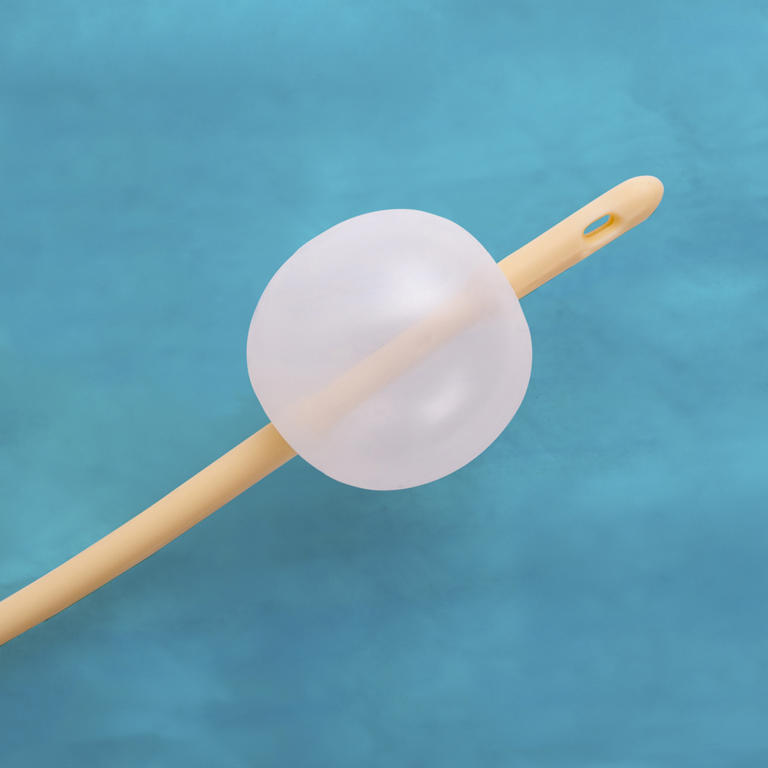
The doctor inserts a thin tube with a small balloon into the cervix. Then, the balloon is slowly filled with water.
The balloon pushes against the cervix, helping it to open and soften. This can trigger contractions and start labor.
Reasons For Using Foley Bulb Induction
Doctors use this method when the cervix is not ready for labor but induction is needed. It is safer than some medicines for some women.
- Post-term pregnancy
- Water breaking without contractions
- Health risks to mother or baby
Benefits Of Foley Bulb Induction
This method lowers the chance of strong medicine use. It also reduces risks of excessive contractions.
The balloon works gently and is less likely to cause distress for the baby.
What To Expect During The Procedure
The doctor places the balloon in the cervix, then fills it with water. You may feel pressure or mild discomfort.
The balloon stays in place until the cervix opens enough or falls out on its own. This can take several hours.
Can You Go Home With A Foley Bulb Induction?
In some cases, doctors may allow you to go home after the balloon is placed. This depends on your health and hospital rules.
You should follow all instructions and return if you feel pain, bleeding, or contractions start.
How The Foley Bulb Works
The Foley bulb is a tool used to help start labor in pregnant women. It gently opens the cervix to allow labor to begin.
This tool uses a small balloon that inflates inside the cervix. It applies gentle pressure to encourage natural changes.
Insertion Of The Foley Bulb
A doctor or nurse inserts the Foley catheter into the cervix. The catheter is a thin, flexible tube with a small balloon at the end.
The balloon sits just inside the cervix, ready to inflate and apply pressure.
Inflation Of The Balloon
Once in place, the balloon is filled with sterile water. This causes the balloon to expand and push against the cervix walls.
This pressure helps the cervix to soften and open, which is important for labor to start.
Natural Hormone Release
The pressure from the Foley bulb also signals the body to release natural hormones. These hormones help start contractions.
These contractions help the cervix to open more and move labor forward.
Removal Of The Foley Bulb
The Foley bulb is usually removed when the cervix is open enough. This can be after several hours or when labor starts.
After removal, labor usually progresses on its own or with other medical support.
When Is Foley Bulb Induction Recommended
Foley bulb induction is a way to start labor. It helps the body get ready for childbirth. Doctors use it when labor needs to begin safely.
This method uses a small balloon to gently open the cervix. It is often chosen for specific medical reasons to protect mother and baby.
Post-term Pregnancy
Foley bulb induction is common when pregnancy goes past 41 or 42 weeks. This is called a post-term pregnancy. Starting labor helps avoid risks to the baby.
Doctors recommend induction to reduce problems like low oxygen or large baby size.
Water Breaking Without Labor
When the water breaks but labor does not start, Foley bulb induction may be used. This lowers infection risk for mother and baby.
The balloon helps the cervix open safely to begin labor after the water breaks.
Health Concerns For Mother Or Baby
Doctors may suggest Foley bulb induction if there are health issues. This includes high blood pressure, diabetes, or slow baby growth.
Induction helps start labor to protect both mother and baby from complications.
Cervix Is Not Ready For Labor
Foley bulb induction is used when the cervix is not soft or open. The balloon gently pushes the cervix to open and get ready for labor.
This method is a safe way to help the body prepare for labor before stronger medicines are used.
Safety Considerations At Home
Going home with a Foley bulb induction means you will manage the device by yourself. It is important to keep the area clean and watch for any problems. Proper care helps prevent infection and other issues.
You should follow all instructions given by your healthcare provider. Check the Foley bulb and your body daily to ensure everything is okay. Knowing what to look for will keep you safe at home.
Signs To Watch For
Watch for any unusual changes around the Foley bulb or in your health. These signs may mean there is a problem that needs attention.
- Redness, swelling, or warmth near the Foley bulb
- Strong or foul-smelling discharge from the area
- Bleeding or leaking around the bulb
- Fever or chills
- Severe pain or discomfort in your belly or pelvic area
- Bulb feels loose or falls out
- Difficulty urinating or sudden changes in urine color
When To Contact Your Doctor
Contact your doctor right away if you notice any signs of infection or other problems. Early treatment can prevent serious complications.
- If you have a fever over 100.4°F (38°C)
- If the Foley bulb falls out or breaks
- If you see blood in your urine
- If you feel severe pain or discomfort
- If you notice swelling or redness that spreads
- If urine stops flowing or changes color suddenly
- If you feel weak, dizzy, or very tired
Hospital Stay Vs. Going Home
Choosing between staying in the hospital and going home with a Foley bulb induction can be challenging. Each option has its own benefits and risks.
Understanding the criteria for discharge and the risks of early discharge will help you make an informed decision.
Criteria For Discharge
Doctors use specific criteria to decide if you can go home with a Foley bulb induction. These criteria ensure your safety and the baby’s health.
- Stable maternal vital signs
- Fetal well-being checks are normal
- Absence of severe pain or discomfort
- Understanding of home care instructions
Risks Of Early Discharge
Leaving the hospital early comes with its own set of risks. It is important to be aware of potential complications.
| Potential Risk | Description |
| Infection | Risk of infection at the site of insertion |
| Bleeding | Uncontrolled bleeding may occur |
| Discomfort | Increased pain or discomfort at home |

Credit: www.ajogmfm.org
Managing Foley Bulb At Home
A Foley bulb is a device used to help start labor. Some women may go home with it in place.
It is important to care for the Foley bulb properly to avoid infection or other problems.
Hygiene Tips
Keep the area around the Foley bulb clean and dry. Wash your hands before and after touching it.
Do not pull or tug on the catheter. Avoid using lotions or powders near the insertion site.
- Wash hands with soap and water
- Clean around the catheter gently
- Keep the catheter dry
- Avoid touching the bulb unnecessarily
- Report any redness or bad smell to your doctor
Activity Restrictions
Rest as much as possible while the Foley bulb is in place. Avoid heavy lifting or exercise.
Do not have sexual intercourse until your doctor says it is safe. Avoid taking baths or swimming.
- Limit walking and standing time
- Do not lift heavy objects
- Avoid sexual activity
- Use showers instead of baths
- Follow your healthcare provider’s instructions closely
What To Expect During Induction
Induction with a Foley bulb is a common method to start labor. It helps the cervix open, preparing for childbirth.
Knowing what to expect can ease your mind. Let's explore the process and possible sensations.
Duration Of The Foley Bulb
The Foley bulb is usually in place for 12 to 24 hours. This gives enough time for the cervix to dilate.
Doctors monitor progress regularly. Sometimes, the bulb falls out when the cervix is open enough.
- Average duration: 12-24 hours
- Doctor checks every few hours
- Bulb may fall out naturally
Possible Discomforts
Some women feel pressure or cramping with the Foley bulb. These feelings are normal and part of the process.
Pain relief options are available if needed. Talk to your doctor about any discomfort you experience.
- Pressure in the pelvic area
- Mild cramping sensations
- Discuss pain relief with your doctor
Alternatives To Foley Bulb Induction
Foley bulb induction is a common way to help start labor. Some women wonder if they can go home with this device. Often, hospitals keep patients under observation for safety.
There are other options to help start labor without a Foley bulb. These alternatives may be used based on the mother's health and the baby's condition.
Medications For Labor Induction
Doctors use medicines to help the cervix soften and start contractions. These medicines are given by mouth or through an IV.
Common medicines include prostaglandins and oxytocin. These drugs can be closely monitored in the hospital.
Mechanical Dilators Other Than Foley Bulb
Besides the Foley bulb, doctors may use other mechanical tools to open the cervix. These devices gently stretch the cervix to start labor.
Examples include laminaria sticks and balloon catheters. These tools may require a hospital stay or short monitoring.
Membrane Sweeping
Membrane sweeping is a simple method. The doctor or midwife sweeps the membranes near the cervix to release hormones.
This method helps start labor naturally. It can often be done during a regular prenatal visit without hospital stay.
Natural Methods To Encourage Labor
Some women try natural ways to begin labor. These include walking, nipple stimulation, and certain exercises.
These methods may help but should be done with doctor’s approval. They can often be done at home safely.
Credit: www.msn.com
Frequently Asked Questions
Can You Go Home With A Foley Bulb Induction?
Yes, some hospitals allow going home with a Foley bulb induction. It depends on your health and doctor's advice. You will receive detailed care instructions and must monitor for any signs of complications.
How Long Does Foley Bulb Induction Take To Work?
Foley bulb induction typically works within 12 to 24 hours. The balloon helps soften and dilate the cervix, preparing for labor. If labor does not start, additional methods may be needed.
What Are The Risks Of Foley Bulb Induction At Home?
Risks include infection, balloon displacement, or premature rupture of membranes. Immediate medical attention is needed if you experience severe pain, bleeding, or fever. Follow all care guidelines and stay in touch with your healthcare provider.
Is Foley Bulb Induction Painful Or Uncomfortable?
Some women feel mild discomfort or pressure from the Foley bulb. Pain levels vary, but it is generally tolerable. Your healthcare provider can suggest ways to ease discomfort during the induction process.
Conclusion
Going home with a Foley bulb induction can be safe in some cases. Your doctor will decide based on your health and baby's condition. Follow all instructions carefully to avoid problems. Watch for signs like pain, bleeding, or fever. Keep in touch with your healthcare provider during the process.
Remember, your comfort and safety come first. Ask questions if you feel unsure. Taking care helps your body and baby stay healthy. Trust the plan made by your medical team.