Have you ever noticed your radiator not heating as well as it used to? If so, you might be wondering, "Can I flush my radiator at home?"
The good news is, you don’t always need to call a professional. Flushing your radiator can improve its performance and save you money, but only if done right. You’ll discover simple steps to safely flush your radiator yourself, avoid common mistakes, and keep your heating system working efficiently all winter long.
Ready to take control of your home’s warmth? Let’s dive in!
Credit: www.carmudi.com.ph
Why Flush Your Radiator
Flushing your radiator removes dirt and rust buildup inside it. This helps the radiator work better and last longer.
Cleaning your radiator at home can save money and keep your car running cool in hot weather.
Benefits Of Flushing
Flushing your radiator improves how your car cools the engine. It also stops damage from rust and debris.
- Prevents engine overheating
- Removes rust and scale buildup
- Extends radiator life
- Improves coolant flow
- Helps maintain engine performance
Signs Your Radiator Needs Flushing
You can tell if your radiator needs flushing by watching for certain warning signs. These signs show the radiator is clogged or dirty.
- Engine temperature is higher than normal
- Coolant looks rusty or dirty
- Heater inside the car is not working well
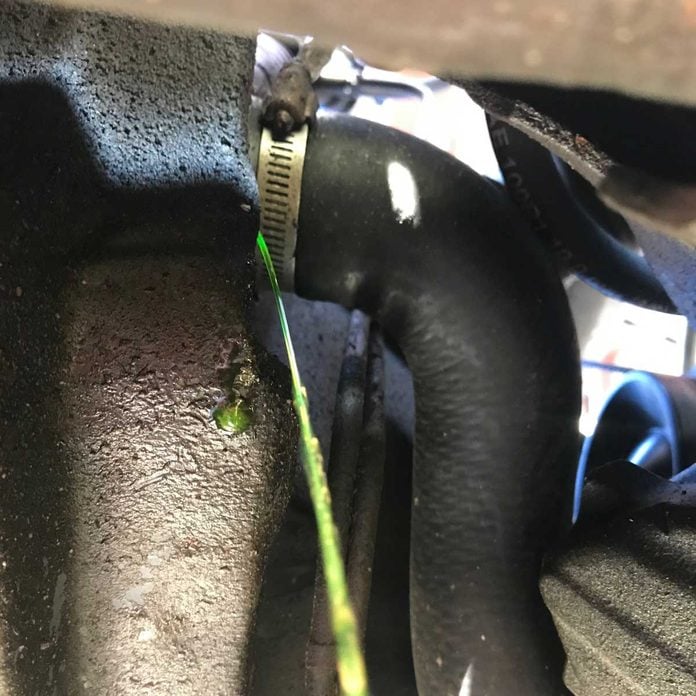
- Coolant leaks around the radiator
- Radiator warning light on the dashboard
Credit: www.familyhandyman.com
Tools And Materials Needed
Flushing your radiator at home can help keep your heating system working well. You need the right tools and materials to do the job safely and correctly.
This guide covers the main items you will need to flush your radiator yourself.
Essential Tools
Having the right tools makes flushing a radiator easier. You need basic hand tools and containers to catch water.
- Adjustable wrench or spanner
- Screwdriver (flathead or Phillips)
- Bucket or large bowl to catch water
- Hosepipe for rinsing the radiator
- Radiator bleed key
- Cloths or rags to clean spills
Safety Gear
Safety gear protects you during the flushing process. Radiators and water can be hot and messy.
- Heat-resistant gloves to protect your hands
- Safety goggles to shield your eyes
- Old clothes or apron to avoid stains
- Closed-toe shoes for foot safety
Cleaning Solutions
Cleaning solutions help remove rust and sludge from the radiator. Use products made for radiator cleaning.
- Radiator flush chemical or cleaner
- Distilled water for rinsing
- Optional: vinegar or mild detergent for light cleaning
Preparing Your Vehicle
Flushing your radiator at home helps keep your engine cool. It removes old coolant and dirt from the system. Before starting, prepare your vehicle properly to work safely and effectively.
Taking time to prepare will make the process easier. Follow these steps to get your vehicle ready for a radiator flush.
Cooling Down The Engine
Always cool down the engine before opening the radiator. Hot coolant can spray out and cause burns. Wait at least one hour after turning off the engine.
Check the temperature gauge to be sure the engine is cool. Do not rush this step. Safety is very important when working with the radiator.
Locating The Radiator
Find the radiator under the hood at the front of your car. It is a large metal part with thin fins. The radiator cap is usually on top and may have a warning label.
If you are unsure, check your car’s manual. Knowing where the radiator is helps you work faster and avoid mistakes.
Draining The Coolant
Place a container under the radiator drain plug to catch old coolant. Open the drain plug carefully to let the coolant flow out. Keep the area clean and avoid spills.
- Wear gloves to protect your skin
- Use a drain pan to collect coolant
- Close the drain plug tightly after draining
- Dispose of old coolant safely
Step-by-step Flushing Process
Flushing your radiator at home helps keep your engine cool and running well. It removes old coolant and dirt inside the radiator. This guide shows you how to flush your radiator safely.
Follow these steps carefully. Make sure the engine is cool before you start. Use the right tools and materials for the job.
Flushing With Water
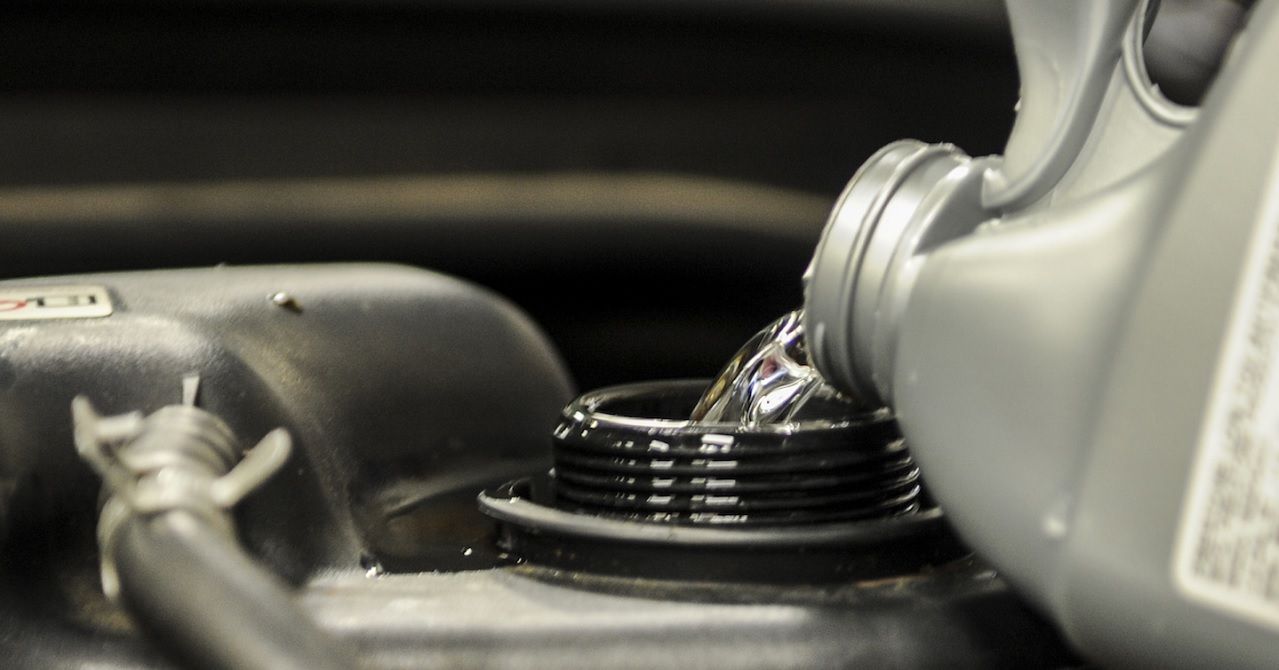
Flushing with water clears out dirt and old coolant from the radiator. Use clean water to rinse the system well.
- Remove the radiator cap and drain plug carefully.
- Let all the old coolant flow out into a container.
- Close the drain plug and fill the radiator with clean water.
- Start the engine and let it run for 10 minutes.
- Turn off the engine and let it cool down.
- Drain the water from the radiator.
- Repeat this process if the water looks dirty.
Using A Radiator Flush Solution
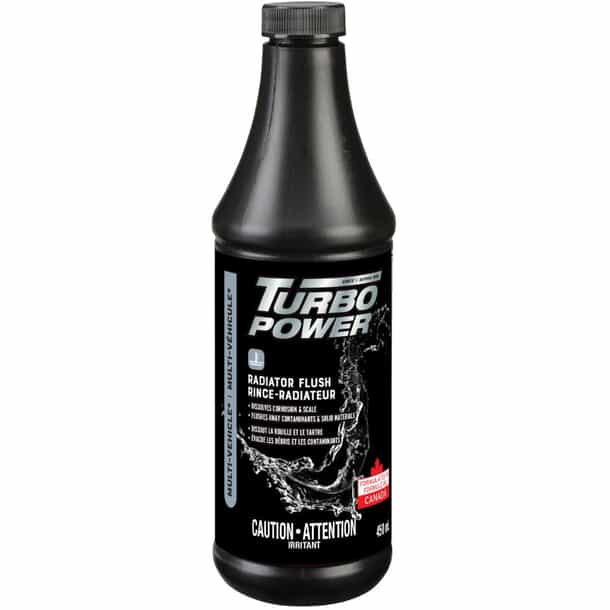
A radiator flush solution helps remove rust and scale inside the cooling system. Use it after flushing with water for best results.
| Flush Solution Type | How to Use | Time Required |
|---|---|---|
| Chemical Flush | Mix with water, fill radiator, run engine | 15-30 minutes |
| Powder Flush | Pour powder in radiator, add water, run engine | 20-40 minutes |
| Liquid Flush | Pour liquid directly, run engine | 15-30 minutes |
After using the flush solution, drain the radiator again. Then rinse with clean water to remove all residues.
Refilling With Coolant
Refill the radiator with the correct coolant mix. This protects your engine from freezing and overheating.
- Check your car manual for the right coolant type.
- Mix coolant with water if needed, usually 50/50.
- Pour the coolant slowly into the radiator.
- Fill the overflow tank to the proper level.
- Start the engine and let it run until warm.
- Check for leaks and add more coolant if needed.
Safety Tips And Precautions
Flushing your radiator at home can help maintain your car’s cooling system. It is important to follow safety tips to avoid injury and damage. This guide covers key precautions for a safe radiator flush.
Understanding how to handle hot fluids, dispose of old coolant, and avoid common mistakes keeps you and your vehicle safe during the process.
Handling Hot Fluids
Radiator fluid can get very hot and cause burns. Always let the engine cool down before opening the radiator cap. Wear gloves and protective eyewear to prevent contact with hot coolant.
- Never open the radiator cap when the engine is hot.
- Use gloves to protect your hands from hot fluids.
- Wear safety goggles to shield your eyes from splashes.
- Keep children and pets away from the work area.
Disposing Of Old Coolant
Old coolant is toxic and harmful to the environment. Do not pour it down drains or on the ground. Collect the used coolant in a sealed container for safe disposal.
| Disposal Method | Instructions |
| Recycle | Take old coolant to a recycling center or auto shop |
| Hazardous Waste Facility | Drop off at a local hazardous waste disposal site |
| Do Not | Never pour on soil, water, or down drains |
Avoiding Common Mistakes
Simple errors can cause damage or injury during radiator flushing. Follow these tips to avoid common problems and complete the task safely.
- Always use the right type of coolant recommended for your car.
- Do not mix different coolant types to prevent chemical reactions.
- Check for leaks before and after flushing the system.
- Dispose of waste coolant properly to protect the environment.
Credit: www.homehardware.ca
When To Seek Professional Help
Flushing a car radiator can be done at home. Yet, certain situations require expert intervention. Knowing when to contact a professional can save time and money.
Some radiator issues are complex and need specialized tools. Understanding these issues can prevent further damage to your vehicle.
Complex Issues
Radiators can have complex problems. These are beyond basic cleaning. Such issues often need professional evaluation and tools.
Professional mechanics have the experience to handle intricate radiator issues. They can address underlying problems that DIY methods might miss.
- Clogged internal passages
- Faulty thermostat
- Malfunctioning water pump
Signs Of Serious Damage
Sometimes, damage signs indicate the need for professional help. Recognizing these signs early can prevent costly repairs.
Serious damage often affects the radiator's core function. It can lead to overheating or even engine failure if not addressed promptly.
- Persistent coolant leaks
- Unusual noise during operation
- Frequent overheating
Frequently Asked Questions
Can I Safely Flush My Radiator At Home?
Yes, you can safely flush your radiator at home with basic tools. Follow instructions carefully to avoid damage or spills.
How Often Should I Flush My Radiator?
Flush your radiator every 1 to 2 years to remove sludge and improve heating efficiency.
What Tools Do I Need To Flush A Radiator?
You will need a radiator key, bucket, hosepipe, and protective gloves for flushing your radiator at home.
Can Flushing A Radiator Improve Heating Performance?
Yes, flushing removes sludge and debris, allowing better water flow and improving radiator heat output.
Conclusion
Flushing your radiator at home can save money and extend its life. It takes some care but is not too hard to do. Use the right tools and follow steps carefully for best results. Regular cleaning helps your car run cooler and avoid damage.
Don’t rush the process to avoid mistakes. If unsure, ask a mechanic for advice. Keeping your radiator clean helps your car stay healthy and strong. Try it yourself and see the difference it makes.