Are you feeling the heat and wondering if you can simply add your own Freon to your home AC to cool things down faster? It sounds like a quick fix, right?
But before you grab that can and start topping off your system, there are important things you need to know. Adding Freon isn’t as simple as it seems, and doing it wrong can cause more harm than good. Keep reading, and you’ll discover what’s really involved, how to tell if your AC needs a recharge, and the safest way to keep your home cool without risking costly damage.
Signs Your Ac Needs Freon
Freon is the coolant that helps your air conditioner cool your home. If your AC is low on Freon, it may not work well. Knowing the signs can help you decide if it needs more Freon.
Check your AC regularly for problems. Early signs can save you from bigger issues later.
Reduced Cooling Efficiency
Your AC may blow air that is not as cold as before. It takes longer to cool the room. This can mean the Freon level is low or leaking.
Ice Formation On Coils
Look at the coils in your AC unit. If you see ice or frost on them, it shows a problem. Low Freon causes the coils to get too cold and freeze.
- Check if the ice is thick or spreading
- Turn off the AC to let the ice melt
- Call a professional to fix the Freon level
Unusual Noises
Strange sounds like hissing or bubbling can mean a Freon leak. Your AC might also make loud noises if it works harder to cool your home.
| Noise Type | Possible Cause |
|---|---|
| Hissing | Freon leaking from pipes |
| Bubbling | Air trapped in the system |
| Loud humming | AC overworking due to low coolant |
Higher Energy Bills
When Freon is low, your AC uses more power to cool your home. This raises your electricity bills. Watch for sudden bill increases without extra use.

Credit: atlasacrepair.com
Types Of Freon For Home Ac
Freon is a common name for refrigerants used in home air conditioners. These chemicals help cool your home by absorbing heat. Different types of Freon work with different AC units.
Choosing the right type of Freon is important for your AC's performance and safety. This guide covers common refrigerants, compatibility, and environmental factors.
Common Refrigerants Used
There are several types of refrigerants used in home AC systems. Each has its own features and uses.
- R-22 (Freon):This was the most used refrigerant for many years. It is being phased out due to environmental rules.
- R-410A:This is the current standard refrigerant for new AC units. It does not harm the ozone layer.
- R-407C:Used as a replacement for R-22 in some systems. It has similar cooling properties.
- R-134a:Sometimes used in small or specialized cooling units.
Compatibility With Ac Units
Not all refrigerants work with every AC system. Using the wrong type can cause damage or reduce efficiency.
| Refrigerant | AC Unit Type | Notes |
|---|---|---|
| R-22 | Older systems | Phased out, hard to find |
| R-410A | Newer systems | Higher pressure, needs compatible parts |
| R-407C | Some replacement systems | Works with retrofit kits |
| R-134a | Small or specialty units | Less common in home AC |
Environmental Considerations
Refrigerants affect the environment in different ways. Some damage the ozone layer or add to global warming.
Here are some facts about refrigerants and the environment:
- R-22 harms the ozone layer and is being phased out.
- R-410A does not harm the ozone but has a high global warming potential.
- New refrigerants aim to reduce environmental impact.
- Proper handling and disposal are required by law.
Legal And Safety Concerns
Adding Freon to your home AC may seem simple. Yet, it involves important legal and safety rules. Understanding these rules helps protect your home and health.
This guide explains key points about refrigerant laws, risks of wrong use, and licensing for professionals.
Regulations On Refrigerant Handling
Freon is a type of refrigerant controlled by law. These laws protect the environment from harmful chemicals. Only certified people can buy or handle Freon legally.
- The U.S. Clean Air Act restricts who can handle refrigerants.
- Refrigerants must not leak into the air.
- Proper disposal of old refrigerant is required.
- Certification is needed to buy and use Freon.
Risks Of Improper Freon Use
Using Freon without the right skills can cause many problems. It may harm your health, damage your AC, or hurt the environment.
| Risk | Description |
| Health | Exposure to Freon can cause dizziness or breathing trouble. |
| Equipment | Wrong amount of Freon can damage your AC unit. |
| Environment | Leaks release gases that harm the ozone layer. |
| Legal | Improper use can lead to fines or legal penalties. |
Professional Licensing Requirements
Only licensed technicians should handle Freon. They have training and pass tests to work safely and follow laws.
- Technicians must complete EPA-approved certification.
- Licenses ensure technicians know how to prevent leaks.
- Hiring licensed pros helps avoid legal trouble.
- Professionals use special tools to measure and add Freon.

Credit: www.lochardplumbingheatingandcooling.com
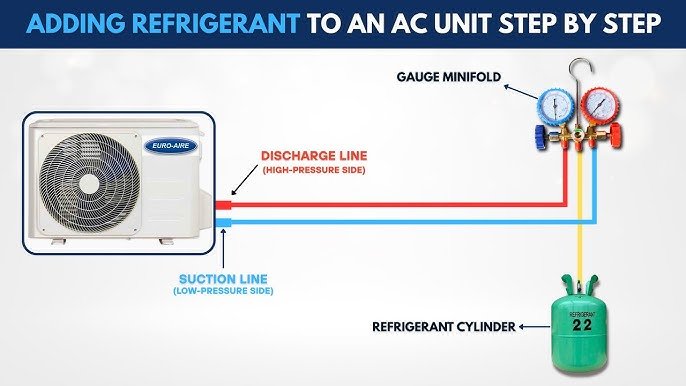
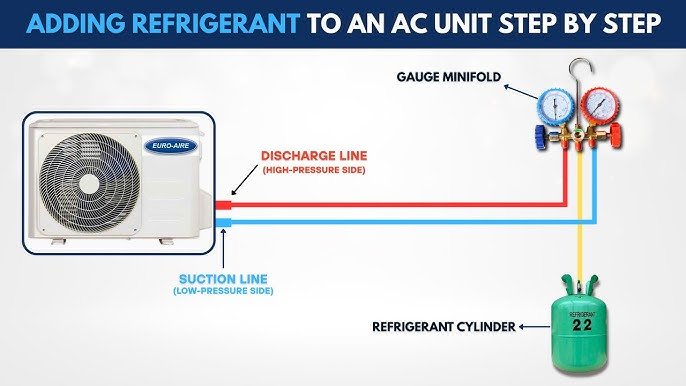
Steps To Add Freon Yourself
Adding Freon to your home AC can help it cool better. You need to follow clear steps to do it safely.
This guide shows the basic steps for adding Freon yourself. Always be careful and check your system first.
Tools Needed
To add Freon, you need specific tools. These help you check and fill the system correctly.
- Freon refrigerant can (check type for your AC)
- Manifold gauge set to measure pressure
- Protective gloves and safety glasses
- Thermometer to check air temperature
- Leak detector (optional but recommended)
Checking System Pressure
Before adding Freon, check your AC system’s pressure. This tells you if it needs more refrigerant.
Attach the manifold gauge to the low-pressure valve on your AC unit. Read the pressure and compare it to the normal range.
- Turn off the AC and find the low-pressure valve.
- Connect the gauge hose to the valve.
- Turn on the AC and check the pressure reading.
- Compare the reading to the AC manual’s recommended pressure.
Adding Freon Safely
To add Freon, open the valve on the can slowly. Let the refrigerant flow into the system carefully.
Do not overfill. Stop adding when the pressure reaches the recommended level. Always wear safety gear.
- Shake the Freon can before use.
- Attach the can to the gauge set.
- Slowly open the valve to release refrigerant.
- Watch the pressure gauge closely.
- Close the valve when pressure is correct.
Monitoring Ac Performance
After adding Freon, check if your AC cools well. Monitor the temperature and listen for unusual sounds.
Use a thermometer to check the air coming from vents. If cooling is weak, the system may need a professional check.
- Measure the vent air temperature after 10 minutes.
- Listen for loud or strange noises.
- Check the pressure gauge again.
- Look for any signs of leaks.
Common Mistakes To Avoid
Adding your own Freon to your home AC might seem simple. But, there are common mistakes that can cause problems. Understanding these mistakes helps prevent damage.
Taking the right steps can save you time and money. Here are some mistakes to avoid when adding Freon.
Overcharging The System
Overcharging your AC with Freon can lead to system failures. More Freon is not always better. It can cause your unit to freeze or even break down.
- Check the manufacturer's specifications for correct Freon levels.
- Use proper gauges to measure Freon pressure.
- Consult a professional if unsure about the levels.
Ignoring Leaks
Leaks in your AC system can waste Freon and harm the environment. Ignoring leaks will lead to inefficiency and higher costs.
Find leaks early using a simple water and soap solution. Apply it to joints and connections to see bubbles forming.
Using Incorrect Freon Type
Different AC units require specific Freon types. Using the wrong type can damage the system and void warranties.
| AC Model | Required Freon Type |
| Model A | R-22 |
| Model B | R-410A |
| Model C | R-134a |

Credit: www.youtube.com
When To Call A Professional
Adding Freon to your home AC might seem easy, but it can be risky. Some problems need expert care to keep your system safe and working well.
Knowing when to call a professional helps avoid damage and high costs. Here are key signs you should not try to fix alone.
Detecting Leaks And Repairs
Freon leaks reduce AC efficiency and can harm the environment. Professionals use special tools to find leaks you cannot see.
- Look for oily spots on pipes or coils
- Listen for hissing sounds near AC components
- Notice if your AC runs longer but cools less
Only a trained technician should repair leaks and add Freon safely.
Complex System Issues
Some AC problems involve electrical parts or refrigerant systems. These need special skills and tools to fix.
| Issue | Why Call a Professional |
|---|---|
| Compressor failure | Requires expert diagnosis and repair |
| Electrical wiring problems | Risk of shock or fire if handled wrongly |
| Refrigerant overcharge | Can damage system and reduce cooling |
DIY fixes on complex issues may cause more harm than good.
Ensuring Warranty Compliance
Many AC warranties require professional service for Freon work. Doing it yourself may void your warranty.
- Check your AC warranty terms carefully
- Use licensed technicians for repairs and recharging
- Keep service records to protect your warranty
Following warranty rules saves you money and future headaches.
Frequently Asked Questions
Can I Add Freon To My Home Ac Myself?
Adding Freon yourself is not recommended. It requires certification and special tools. Incorrect handling can damage your system or cause safety hazards. Always hire a licensed HVAC professional for Freon charging.
How Do I Know If My Ac Needs Freon?
If your AC is blowing warm air or not cooling efficiently, it may need more Freon. Other signs include ice buildup on coils or hissing sounds. A professional can confirm if Freon is low.
Is Adding Freon A Diy-friendly Task?
No, adding Freon is not DIY-friendly. It involves handling refrigerants regulated by law. Improper charging can harm the environment and your AC unit. Always seek professional help for Freon refills.
What Are The Risks Of Adding Freon Incorrectly?
Incorrect Freon addition can cause compressor damage, leaks, or poor cooling. It also poses health and environmental risks. Proper tools and knowledge are essential to avoid costly repairs and hazards.
Conclusion
Adding Freon to your home AC is not a simple task. It needs special tools and knowledge. Wrong handling can harm your system or cause leaks. Professionals have the right skills to do it safely. They also check for other problems your AC may have.
Saving money by doing it yourself might lead to bigger costs later. Think carefully before deciding to add Freon alone. Your AC will work better and last longer with expert help. Stay safe and keep your home cool the right way.