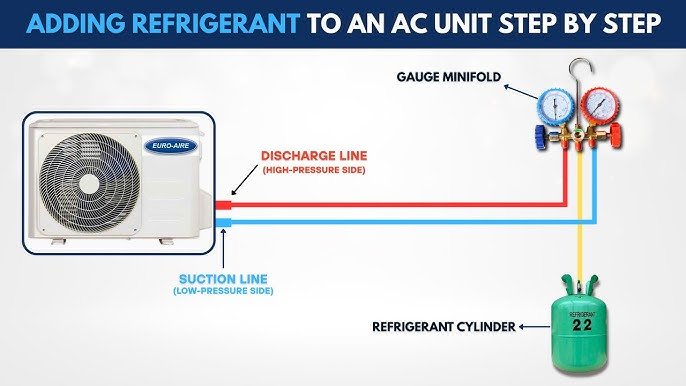
Is your home AC not cooling like it used to? You might be wondering, "Can I add Freon to my home AC unit myself?"
It’s a common question because when your air conditioner struggles, your comfort takes a hit. Before you rush to buy a can of Freon, it’s important to know what’s involved and whether it’s safe or even legal for you to do it on your own.
You’ll discover what Freon actually does, when your AC really needs it, and the right steps to take. Keep reading to avoid costly mistakes and keep your home cool and comfortable all summer long.
Credit: www.georgiaairrepair.com
How Home Ac Units Use Freon
Freon is a type of refrigerant used in many home air conditioners. It helps cool your home by moving heat outside.
The AC unit uses Freon to absorb heat from inside your house. Then it releases the heat outdoors.
Role Of Freon In Cooling
Freon moves through the AC system in a loop. It changes from gas to liquid and back again.
When Freon evaporates inside the house, it absorbs heat. This cools the air before it blows into your rooms.
- Freon absorbs heat inside the evaporator coil
- It changes from liquid to gas during heat absorption
- The compressor pumps Freon as gas to the condenser coil
- Freon releases heat outside and turns back into liquid
- The cycle repeats to keep your home cool
Types Of Refrigerants Commonly Used
Freon is a brand name for many refrigerants. Some types are safer and better for the environment.
Most home AC units use one of these common refrigerants.
- R-22: Older type, being phased out due to ozone damage
- R-410A: Newer, eco-friendlier and used in most new units
- R-134a: Used in some smaller AC systems
- R-32: More efficient and less harmful refrigerant gaining use
Signs Your Ac Needs More Freon
Your home air conditioner uses Freon to cool the air. If it runs low, cooling drops. Watch for signs that your AC needs more Freon.
Knowing these signs can help you decide when to call a professional. It keeps your home comfortable and your AC working well.
Reduced Cooling Efficiency
If your AC is not cooling your home like before, it might need more Freon. Low Freon means the system cannot absorb heat well.
You may notice the air feels warmer or the AC runs longer to cool your space. This drop in cooling power shows a Freon issue.
Unusual Noises And Leaks
Low Freon can cause strange sounds like hissing or bubbling from your AC unit. These noises may mean a Freon leak.
Leaks reduce Freon levels and harm the system. Look around the unit for oily spots or wet areas, which also signal leaks.
- Hissing or bubbling sounds
- Oily residue near pipes or coils
- Wet spots or frost on AC parts
Increased Energy Bills
Your energy bill may rise if your AC uses more power to cool. Low Freon makes the system work harder and longer.
Check your bills if you notice higher costs without a change in use. This is a clear sign your Freon levels need checking.
Risks Of Adding Freon Yourself
Adding Freon to your home AC unit might seem easy. But it has risks you should know about. Understanding these risks can save you trouble and money.
Freon is a refrigerant that helps cool your home. Handling it without care can harm your AC and be dangerous.
Potential Damage To The System
Adding Freon yourself can damage the AC system. Incorrect amounts can cause the unit to freeze or overheat.
This can lead to expensive repairs or even the need for a new unit. It's important to use the right tools and knowledge.
Health And Safety Concerns
Freon is a chemical that can be harmful. Direct contact can cause skin burns or breathing problems.
Handling Freon requires safety gear like gloves and goggles. It's not safe to attempt without proper training.
Legal Restrictions And Regulations
There are laws about who can handle Freon. In many places, only licensed professionals can buy and use it.
Breaking these rules can lead to fines. It's important to check local laws before adding Freon to your AC.
- Check local regulations before buying Freon
- Hire a professional to avoid legal issues
- Use licensed services for safe handling
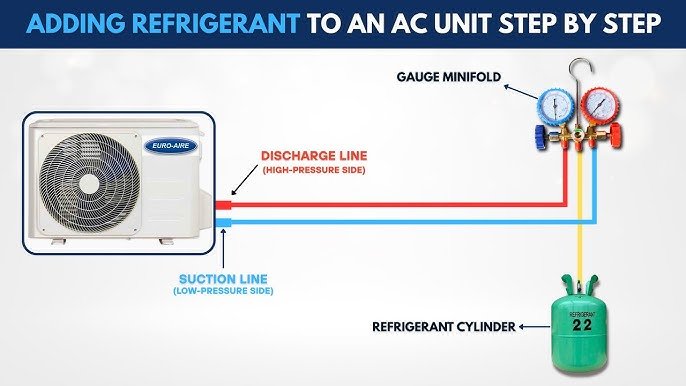
Steps For Proper Freon Addition
Adding Freon to your home AC unit requires care and attention. Follow the right steps to keep your system safe and working well.
Before adding Freon, you must check your unit and use proper tools. Always follow the instructions from the manufacturer.
Checking For Leaks First
Look closely for any leaks in your AC system. Leaks let Freon escape and can harm the environment and your unit.
- Turn off the AC and unplug it from power.
- Use a leak detector or soapy water on joints and pipes.
- Watch for bubbles or listen for hissing sounds.
- If you find leaks, fix them before adding Freon.
Using The Right Tools
Use proper tools to add Freon safely. Wrong tools can cause damage or injury.
| Tool | Purpose |
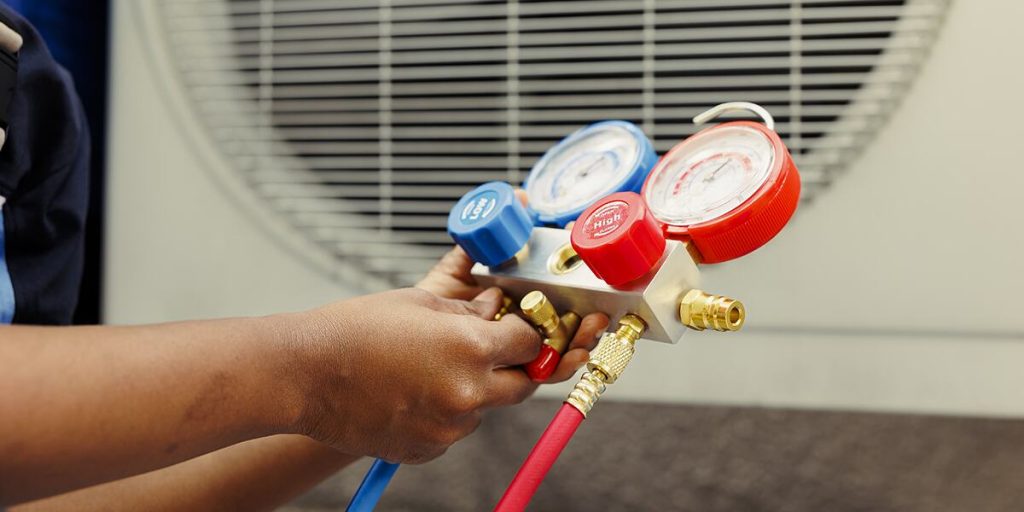
| Manifold Gauge Set | Measure pressure inside the AC system |
| Vacuum Pump | Remove air and moisture before adding Freon |
| Freon Can with Hose | Deliver Freon to the unit safely |
| Protective Gloves | Protect hands from chemicals and cold gas |
Following Manufacturer Guidelines
Check the user manual for your AC unit. Follow the exact steps and Freon type listed.
Key tips from manufacturers include:
- Use only the recommended Freon type and amount.
- Do not overcharge the system; it can cause damage.
- Keep the system running while adding Freon to monitor pressure.
- Stop immediately if you see any leaks or unusual noise.
When To Call A Professional
Adding Freon to your home AC unit is not a simple task. It needs care and skill to do it right.
Knowing when to call a professional can save your system from damage and keep you safe.
Complex Diagnoses
Many AC problems look like low Freon, but they are not. A professional can find the real cause.
They check for leaks, compressor issues, and other problems before adding refrigerant.
- Leak detection needs special tools
- Wrong diagnosis can harm your AC
- Professionals know system limits
Handling Refrigerants Safely
Freon and other refrigerants can be harmful if handled wrong. They need special care and equipment.
Professionals follow safety rules to protect you and the environment from dangerous leaks.
- Use protective gear during service
- Prevent refrigerant leaks carefully
- Recycle or dispose of refrigerants properly
Ensuring Warranty Compliance
Your AC unit may have a warranty that covers repairs and service. Doing it yourself can void this warranty.
Professionals know the rules and use approved parts to keep your warranty valid.
- Follow manufacturer’s service guidelines
- Keep records of professional service
- Avoid unauthorized repairs or refills
Credit: m.youtube.com
Alternatives To Adding Freon
Adding Freon to a home AC unit may not always be the best solution. Many systems today require different care and options to keep them running well. You can explore other ways to maintain or improve your air conditioner without relying on Freon.
This guide covers simple maintenance tips, upgrading old units, and using eco-friendly refrigerants. These methods help your AC work efficiently and protect the environment.
Routine Maintenance Tips
Regular care keeps your AC system healthy. It can prevent leaks and improve cooling without needing extra Freon.
- Clean or replace air filters every 1-3 months.
- Clear debris from around the outdoor condenser unit.
- Check and seal ductwork to avoid air leaks.
- Inspect the evaporator and condenser coils for dirt build-up.
- Schedule yearly professional tune-ups for system checks.
Upgrading Older Systems
Older AC units often use outdated refrigerants and run less efficiently. Upgrading can save energy and reduce the need for Freon top-ups.
| Upgrade Option | Benefit | Notes |
| High-efficiency AC unit | Uses less energy | Lower utility bills |
| Variable-speed compressor | Better temperature control | Quieter operation |
| Smart thermostat | Improved scheduling | Remote control possible |
| Properly sized system | Less wear and tear | Longer unit life |
Exploring Eco-friendly Refrigerants
New refrigerants cause less harm to the environment. Some options work well as Freon replacements in home AC units.
Common eco-friendly refrigerants include:
- R-410A: A popular replacement for older Freon types, better for the ozone layer.
- R-32: Has lower global warming potential and good cooling power.
- Hydrocarbons (like propane): Natural and safe when handled properly.
Consult a certified technician to switch refrigerants safely.

Credit: atlasacrepair.com
Frequently Asked Questions
Can I Add Freon To My Home Ac Myself?
Adding Freon yourself is not recommended. Handling refrigerants requires certification and specialized tools. Incorrect handling can damage the AC and harm the environment. Always hire a licensed HVAC professional for safe and effective Freon recharge.
How Do I Know If My Ac Needs Freon?
Signs of low Freon include poor cooling, ice on coils, and hissing sounds. If your AC runs but doesn’t cool well, low refrigerant is likely. A professional can confirm refrigerant levels with proper tools.
Is Freon Still Used In Modern Home Ac Units?
Many modern AC units use newer, eco-friendly refrigerants instead of traditional Freon (R-22). Older units might still use Freon, but it’s being phased out due to environmental regulations. Check your unit’s label to know the refrigerant type.
What Risks Come With Adding Freon To Ac Units?
Improper Freon addition can cause leaks, system damage, and environmental harm. Overcharging or undercharging reduces efficiency and shortens AC lifespan. Always use certified technicians to avoid these risks and ensure safe handling.
Conclusion
Adding Freon to your home AC unit is not always simple. It requires the right tools and knowledge. Using the wrong type or amount can cause damage. Sometimes, leaks or other problems need fixing first. Hiring a professional ensures safety and proper service.
Keeping your AC well-maintained saves money and improves comfort. Think carefully before trying this task yourself. A cool home depends on doing it right.