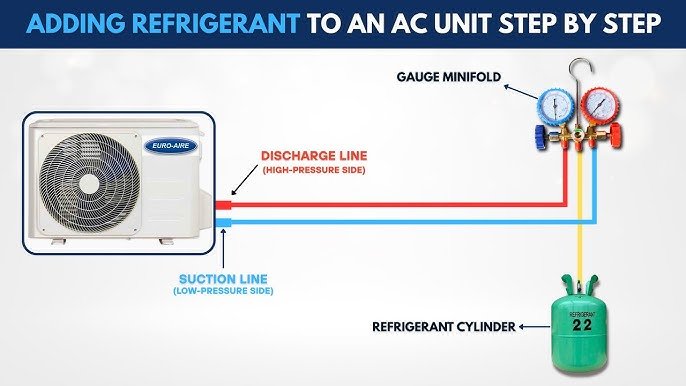
Is your home AC not cooling like it used to? You might be wondering, "Can I add Freon to my home AC myself?"
It’s a common question because dealing with an uncomfortable house is frustrating. Before you grab a can and try to fix it on your own, there are important things you need to know. This article will guide you step-by-step, so you can make the best choice for your comfort and safety.
Keep reading—your cool home depends on it.
What Is Freon And How It Works
Freon is a type of refrigerant used in many home air conditioners. It helps cool your house by moving heat outside.
This chemical changes from gas to liquid and back to gas to absorb and release heat. This process keeps your home cool.
What Is Freon?
Freon is a brand name for a group of chemicals called refrigerants. These chemicals absorb heat from the air inside your home.
Many older air conditioners use Freon, but newer models may use other types of refrigerants that are safer for the environment.
How Freon Works In Your Ac
Freon circulates through the AC system in a closed loop. It changes from liquid to gas and back while moving heat.
The AC’s compressor pushes Freon gas into the condenser, where it cools down and turns into liquid. This liquid then moves to the evaporator inside your home.
- Freon absorbs heat from inside your home at the evaporator.
- It turns into a gas as it absorbs heat.
- The compressor pumps the gas to the condenser outside.
- The condenser releases heat and turns Freon back into liquid.
- The cycle repeats to keep your home cool.
Why Freon Is Important For Cooling
Without Freon or another refrigerant, your AC cannot move heat from inside your house to outside. This stops cooling.
Freon’s ability to change states helps the system work efficiently and keep your home comfortable during hot days.
Signs Your Ac Needs More Freon
Your home air conditioner may need more Freon if it is not cooling well. Freon helps the AC cool the air. Low Freon means less cooling power.
Knowing the signs of low Freon can save you from bigger problems. Check your AC regularly for these clues.
Weak Or Warm Air Coming From Vents
If your AC blows air that is not cold or feels warm, it may lack Freon. The refrigerant cools the air inside the unit. Without enough Freon, the air will not get cold.
Longer Cooling Cycles
Your AC may run longer than usual to cool your home. Low Freon makes the unit work harder. This wastes energy and may cause the AC to break down.
Ice Formation On Ac Coils
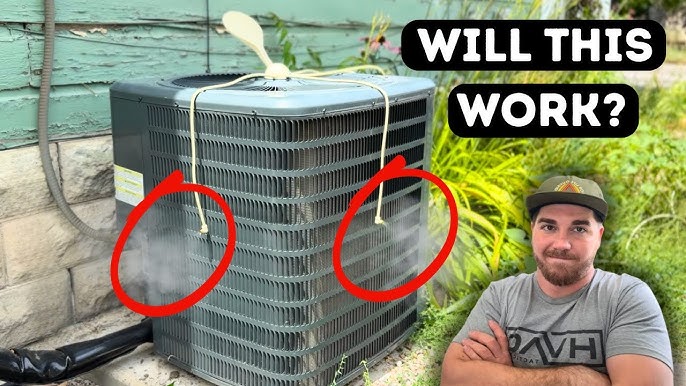
Ice or frost on the coils is a sign of low Freon. The refrigerant helps keep coils cold but not frozen. Ice means the Freon level is too low or there is a leak.
Hissing Or Bubbling Sounds
Strange sounds like hissing or bubbling near the AC unit can mean a Freon leak. These noises come from escaping refrigerant gas.
Higher Electricity Bills
Low Freon makes your AC use more electricity. You may notice a rise in bills without using the AC more. This is because the system runs longer and less efficiently.
- Weak or warm air from vents
- Longer cooling cycles
- Ice on AC coils
- Hissing or bubbling sounds
- Higher electricity bills
Is Adding Freon A Diy Task?
Many homeowners wonder if they can add Freon to their home air conditioner by themselves. Adding Freon may seem simple, but it needs care and knowledge. It is important to know the risks and rules before trying it at home.
This guide explains safety concerns, legal restrictions, and tools needed for adding Freon. Read carefully to decide if this is a job you can do yourself.
Safety Concerns
Freon is a type of refrigerant used in air conditioners. It can be harmful if not handled properly. Adding Freon without training can cause leaks or damage to the AC system.
Freon exposure may cause breathing problems, skin irritation, or frostbite. Using the wrong amount can harm your AC or cause it to stop working.
- Always wear safety gloves and goggles.
- Work in a well-ventilated area.
- Do not inhale Freon gas.
- Check for leaks before and after adding Freon.
Legal Restrictions
In many places, adding Freon requires a special license. This law protects the environment and people’s health. Handling refrigerants without certification can lead to fines or penalties.
Only certified technicians are allowed to buy and add Freon legally. Make sure to check your local rules before trying to add Freon yourself.
- Certifications may include EPA Section 608 in the U.S.
- Illegal handling can harm the ozone layer.
- Proper recycling of old refrigerant is required.
Tools Required
Adding Freon needs special tools to measure and control the refrigerant flow. Using the wrong tools can cause leaks or system damage.
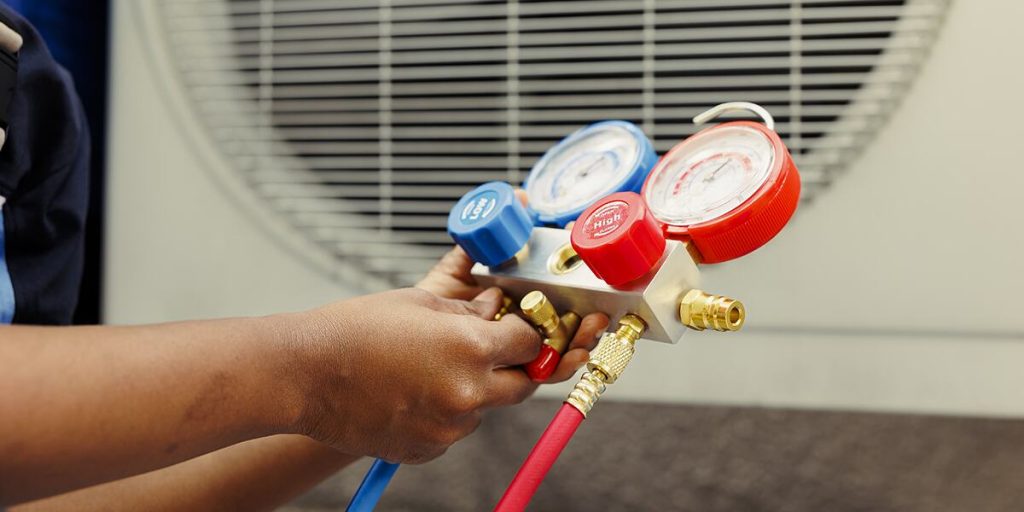
Common tools include gauges, leak detectors, and refrigerant tanks. These tools help check pressure and add Freon safely.
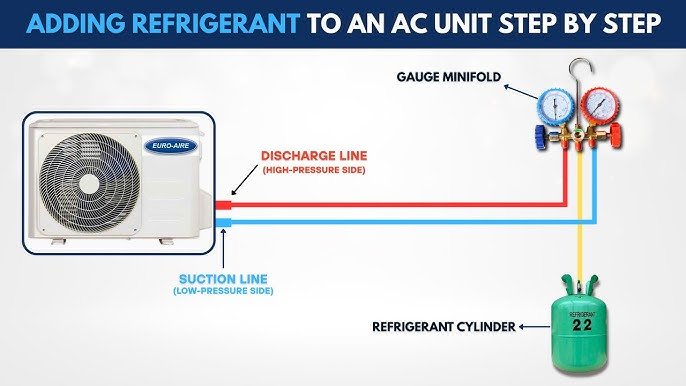
- Manifold gauge set to measure pressure
- Leak detector to find leaks in the system
- Freon refrigerant tank with correct type
- Protective gloves and safety goggles
- Vacuum pump (sometimes needed for system evacuation)
Steps To Add Freon Properly
Adding Freon to your home air conditioner can help it cool better. It is important to do this carefully. Incorrect steps can damage the system or cause leaks.
Follow these steps to add Freon properly. This guide helps you check levels, choose the right type, and add it safely.
Checking The Current Refrigerant Level
Before adding Freon, find out how much refrigerant is in the system. Too much or too little can cause problems. Use a gauge to check the pressure.
Look at the low-pressure side of the system. Compare the reading to the recommended level in the AC manual or on the unit label.
- Turn off the AC and connect the gauge to the low-pressure valve.
- Turn the AC back on and read the pressure.
- Check if the pressure matches the recommended range.
Selecting The Right Type Of Freon
Use the correct type of Freon for your AC. Different models use different refrigerants. Using the wrong type can harm the system and reduce cooling.
Look for a label on your AC unit or check the manual. Common types include R-22 and R-410A. Make sure you buy the exact type needed.
- Find the refrigerant type on the AC label.
- Buy Freon that matches this type exactly.
- Do not mix different refrigerants.
Adding Freon Safely
Wear safety glasses and gloves before handling Freon. It can cause frostbite or injury if it touches skin. Work in a well-ventilated area.
Attach the Freon can to the gauge and open the valve slowly. Add the Freon in small amounts. Check the pressure often to avoid overfilling.
- Turn off the AC before connecting equipment.
- Attach the can to the low-pressure valve.
- Open the valve slowly to add Freon.
- Monitor pressure with the gauge.
- Close the valve when pressure reaches the correct level.
- Remove the can and equipment carefully.
Risks Of Overcharging Or Undercharging Freon
Adding Freon to your home AC unit is not always simple. Mistakes can lead to serious issues. Let's explore the risks of overcharging or undercharging Freon.
Freon levels must be just right for your AC to work properly. Too much or too little can cause problems. Understanding these risks can save you from costly repairs.
Overcharging Freon
Overcharging your AC with Freon can lead to equipment damage. The system may not cool efficiently, and pressure can build up.
- Compressor damage from high pressure
- Reduced cooling efficiency
- Increased energy bills
Undercharging Freon
Undercharging Freon can also cause issues. The air conditioner may not cool your home effectively. This can lead to discomfort and higher energy use.
| Problem | Effect |
| Poor cooling | Uncomfortable indoor temperature |
| Higher energy use | Increased electricity bills |
| System strain | Possible breakdown |
Proper Freon Levels
Maintaining the correct Freon level is crucial. Regular checks can prevent issues. Hire a professional to ensure the right balance.

Credit: atlasacrepair.com
When To Call A Professional Hvac Technician
Adding Freon to your home AC is not a simple task. It requires knowledge and skill to do it safely. Sometimes, calling a professional is the best choice.
Here are some signs that you need a professional HVAC technician to handle the Freon in your air conditioning unit.
Strange Noises Coming From The Unit
Unusual sounds can indicate problems with your AC unit. Grinding or hissing noises may mean that there is a Freon leak.
Inconsistent Cooling
If your home feels warm even when the AC is on, there might be a Freon issue. Low Freon levels can affect the cooling performance.
- Check the thermostat setting.
- Feel the air from the vents.
- Observe any warm spots in rooms.
Visible Ice On The Ac Unit
Ice forming on your AC unit is a sign of trouble. It often occurs when Freon levels are low, affecting the evaporator coil.
Unusually High Energy Bills
A sudden increase in energy costs can signal a Freon problem. When the AC struggles to cool the home, it uses more energy.
| Month | Energy Bill ($) |
| June | 120 |
| July | 200 |
| August | 250 |
Maintaining Your Ac For Optimal Performance
Keeping your home air conditioner in good shape helps it work better and last longer. Simple care steps can stop many common problems.
Adding Freon is one part of maintenance, but regular upkeep is key to a smooth-running AC system.
Regular Inspections
Check your AC unit often for signs of wear or damage. Look for leaks, strange noises, or weak airflow.
Schedule a yearly professional inspection to find issues early. This keeps your AC safe and efficient.
Cleaning And Filter Replacement
Clean your AC’s filters at least once a month. Dirty filters reduce airflow and make the system work harder.
Replace filters if they are torn or very dirty. Clean coils and vents also help your AC cool better.
- Turn off power before cleaning
- Use a soft brush or vacuum on filters
- Wash coils gently with water and mild detergent
- Clear debris from vents and outdoor unit
Monitoring Refrigerant Levels
Refrigerant, often called Freon, cools the air inside your home. Low refrigerant means your AC cannot cool well.
Only trained technicians should check and add refrigerant. Too much or too little can harm the system.
- Signs of low refrigerant include warm air and ice buildup
- Never add refrigerant yourself without proper tools
- Have a professional test pressure and levels
- Fix leaks before refilling refrigerant
Credit: m.youtube.com
Credit: www.georgiaairrepair.com
Frequently Asked Questions
Can I Add Freon To My Home Ac Myself?
Adding Freon yourself is not recommended. Handling refrigerants requires certification and proper tools. Incorrect charging can damage your AC or cause leaks. It's safer to hire a licensed HVAC technician for Freon refilling or repair.
How Do I Know If My Ac Needs Freon?
Signs your AC needs Freon include weak cooling, ice buildup on coils, or hissing sounds. Low refrigerant usually means a leak. If your AC struggles to cool, call a professional to check and recharge it.
Is Freon Safe For Home Air Conditioners?
Freon, or R-22, is being phased out due to environmental harm. Modern ACs use eco-friendly refrigerants like R-410A. Always use the correct refrigerant type for your unit to ensure safety and efficiency.
How Much Does It Cost To Add Freon To Ac?
Adding Freon typically costs between $150 and $350, depending on the amount needed and your location. Prices vary with refrigerant type and technician rates. Getting a professional estimate is best for accurate pricing.
Conclusion
Adding Freon to your home AC is not always a simple fix. Only trained technicians should handle refrigerants safely. Using the wrong type or too much Freon can harm your system. Regular maintenance helps keep your AC running well. Watch for signs like weak cooling or strange noises.
These may mean a leak or other issues. Call a professional to check and recharge your unit. This keeps your home cool and saves money in the long run. Taking care of your AC protects your comfort and investment.