Have you ever wondered if there’s a cleaner way to heat your home without relying on traditional gas or electric systems? Imagine a solution that could cut down your carbon footprint while keeping your living space warm and cozy.
Hydrogen, often talked about as a future fuel, might just be the answer you’re looking for. But can hydrogen really be used to heat homes safely and efficiently? Keep reading to discover how this powerful element could change the way you stay warm—and what it means for your energy bills and the planet.
Credit: www.hydrogeninsight.com
Hydrogen As A Heating Fuel
Hydrogen is a clean fuel that can be used to heat homes. It burns without producing carbon dioxide.
Many people want to know if hydrogen can replace natural gas or other fuels for home heating.
Properties Of Hydrogen
Hydrogen is the lightest gas and has a very high energy content. It burns with a clean flame.
It is colorless and odorless, so safety measures are important. Hydrogen mixes easily with air and burns quickly.
- Lightest element
- High energy per kilogram
- Burns cleanly with water as a byproduct
- Colorless and odorless
- Highly flammable
Comparison With Traditional Fuels
Traditional fuels like natural gas and oil produce carbon dioxide when burned. Hydrogen only produces water vapor.
Hydrogen has a higher energy content by weight but lower by volume. Storage and transport require special equipment.
| Fuel Type | Energy Content (MJ/kg) | Emissions | Storage Needs |
|---|---|---|---|
| Hydrogen | 120 | Water vapor only | High pressure or liquid form |
| Natural Gas | 55 | Carbon dioxide and methane | Standard pipelines |
| Heating Oil | 45 | Carbon dioxide and soot | Tanks in homes |
Current Heating Technologies
Heating homes is essential during cold months. Many systems provide warmth using different energy sources.
This section looks at two common technologies: gas boilers and furnaces, and electric heating systems.
Gas Boilers And Furnaces
Gas boilers and furnaces burn natural gas to create heat. The heat warms water or air, which then heats the home.
- Gas boilers heat water for radiators or underfloor heating.
- Furnaces warm air and use ducts to spread heat.
- They are common in many homes due to efficiency and cost.
- Burning gas releases carbon emissions affecting the environment.
Electric Heating Systems
Electric heating uses electricity to produce heat. It can be direct or through heat pumps.
| Type | How It Works | Pros | Cons |
| Baseboard Heaters | Electric coils heat air near the floor | Quiet, easy to install | Higher energy cost |
| Heat Pumps | Move heat from outside to inside | Efficient, can cool in summer | Less effective in very cold weather |
| Infrared Heaters | Heat objects and people directly | Instant heat, energy efficient | Limited range |
Hydrogen Heating Methods
Hydrogen can be used to heat homes in different ways. These methods offer clean alternatives to traditional heating systems.
Two main technologies for hydrogen heating include hydrogen boilers and fuel cells designed for residential use.
Hydrogen Boilers
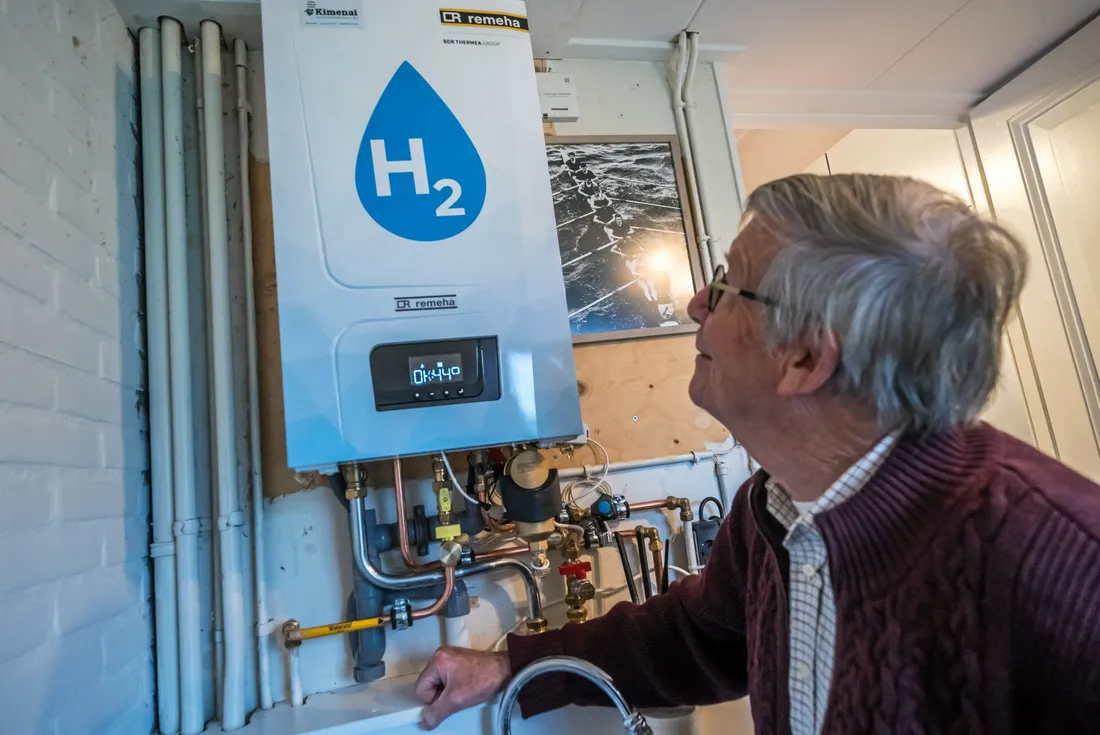
Hydrogen boilers work like regular gas boilers but burn hydrogen instead of natural gas. They produce heat by burning hydrogen with oxygen.
- Hydrogen boilers can replace existing natural gas boilers with minor changes.
- They emit only water vapor when burning hydrogen, reducing pollution.
- Boilers heat water that flows through radiators or underfloor heating systems.
- They provide fast and reliable heating for homes.
Fuel Cells For Residential Heating
Fuel cells generate heat and electricity by converting hydrogen and oxygen into water. This process is efficient and quiet.
| Feature | Hydrogen Boilers | Fuel Cells |
| Main Output | Heat only | Heat and electricity |
| Efficiency | Up to 90% | Up to 85% total energy use |
| Installation | Simple replacement of existing boilers | Requires additional electrical connections |
| Noise Level | Moderate | Very low |
Advantages Of Hydrogen Heating
Hydrogen can be used to heat homes in a clean and efficient way. It offers many benefits compared to traditional fuels.
This technology is gaining attention as a possible energy source for home heating. It may help reduce pollution and save energy.
Environmental Benefits
Hydrogen heating produces no carbon dioxide when burned. This means less greenhouse gases enter the air.
It can reduce air pollution and help fight climate change. Using hydrogen helps protect natural resources.
- Zero carbon emissions during heating
- Reduces air pollution in cities
- Supports cleaner and greener energy use
Energy Efficiency
Hydrogen has a high energy content per unit of weight. It can provide strong heat with less fuel.
Modern hydrogen boilers can convert fuel to heat efficiently. This means homes can stay warm using less energy.
- High energy per kilogram of hydrogen
- Efficient conversion in hydrogen heating systems
- Potential for lower energy bills
Safety Aspects
Hydrogen is flammable, but safety measures make it safe for home use. Proper storage and handling reduce risks.
Hydrogen systems have sensors and automatic shutoffs. They keep homes safe by detecting leaks early.
- Strict safety standards for hydrogen use
- Leak detection systems in place
- Automatic shutoff valves to prevent accidents
Challenges And Limitations
Hydrogen is a clean fuel that offers potential for home heating. Yet, using hydrogen in homes faces many obstacles. Let's explore these challenges.
Understanding the hurdles helps in finding solutions. We will look at storage, costs, and technical issues.
Storage And Distribution
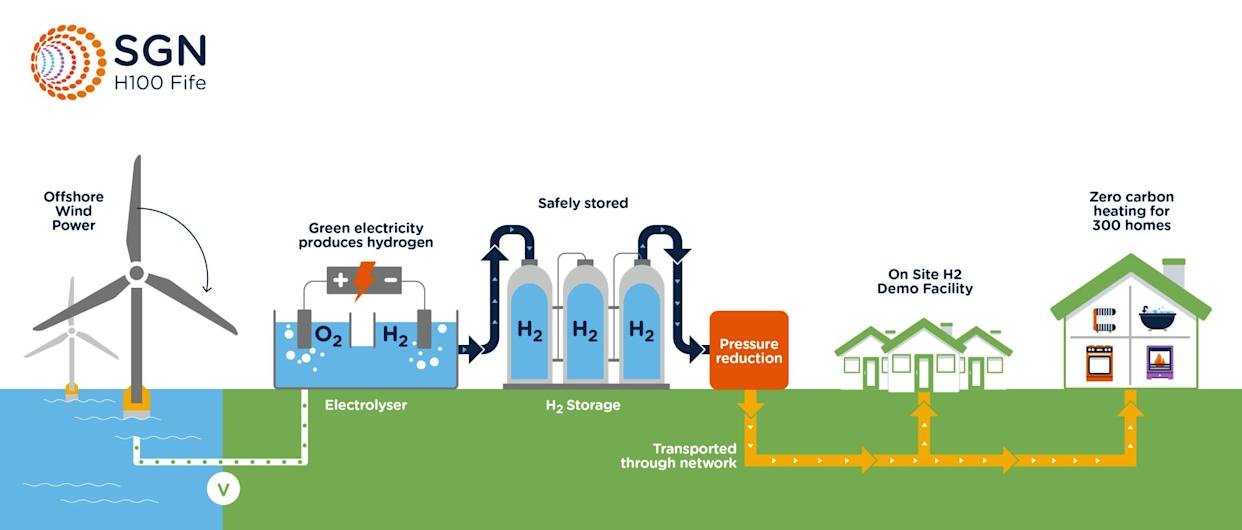
Storing hydrogen safely is complex. It requires special tanks and systems. Distribution also needs new infrastructure.
- Hydrogen is highly flammable
- Requires high-pressure storage
- Current pipelines need upgrades
Cost And Infrastructure
The cost of using hydrogen is high. Building infrastructure is expensive. This affects the adoption rate for home heating.
| Factor | Impact |
| Production Cost | High |
| Infrastructure Investment | Significant |
| Operational Cost | Variable |
Technical Barriers
Technical barriers limit hydrogen use. Compatibility with existing systems is a major issue. New technology needs development.
Credit: www.theguardian.com
Pilot Projects And Case Studies
Hydrogen is being explored as a way to heat homes. Some countries are testing this idea. These tests are called pilot projects.
In these projects, experts study how hydrogen can replace natural gas. They look at safety, cost, and benefits.
Global Initiatives
Many countries are part of this research. The UK, Germany, and Japan are leading the way. They have started projects to test hydrogen heating.
In the UK, homes in certain areas use hydrogen boilers. Germany is testing hydrogen in their energy networks. Japan focuses on hydrogen fuel cells.
- UK: Hydrogen boilers in homes
- Germany: Hydrogen in energy networks
- Japan: Hydrogen fuel cells for heating
Results And Learnings
These projects show hydrogen can heat homes. They also show that changes are needed in infrastructure. Pipes and appliances must be safe for hydrogen.
Experts found that hydrogen heating is cleaner. It can lower carbon emissions. But, the cost is still high. More research is needed to make it affordable.
- Hydrogen can lower emissions
- Infrastructure changes are needed
- High costs remain a challenge
Future Prospects
Hydrogen shows promise as a fuel to heat homes in the future. It can produce heat without harmful emissions. This makes it a cleaner option than traditional fuels.
Scientists and engineers work on ways to improve hydrogen use. New technology and smart policies will shape its role in home heating.
Technological Innovations
New tools and systems help make hydrogen heating safer and more efficient. Innovations focus on storage, delivery, and burning methods.
- Advanced hydrogen boilers that fit existing home systems
- Improved fuel cells that convert hydrogen into heat and electricity
- Better pipelines and tanks to store and transport hydrogen safely
- Smart controls that adjust heating based on demand and supply
Policy And Market Trends
Government rules and market changes support hydrogen heating growth. Many countries plan to reduce carbon emissions by using cleaner fuels.
| Policy Area | Impact on Hydrogen Heating |
| Subsidies and Grants | Lower costs for installing hydrogen systems |
| Emission Targets | Push for cleaner home heating options |
| Infrastructure Investment | Build pipelines and refueling stations |
| Market Incentives | Encourage companies to develop hydrogen technologies |
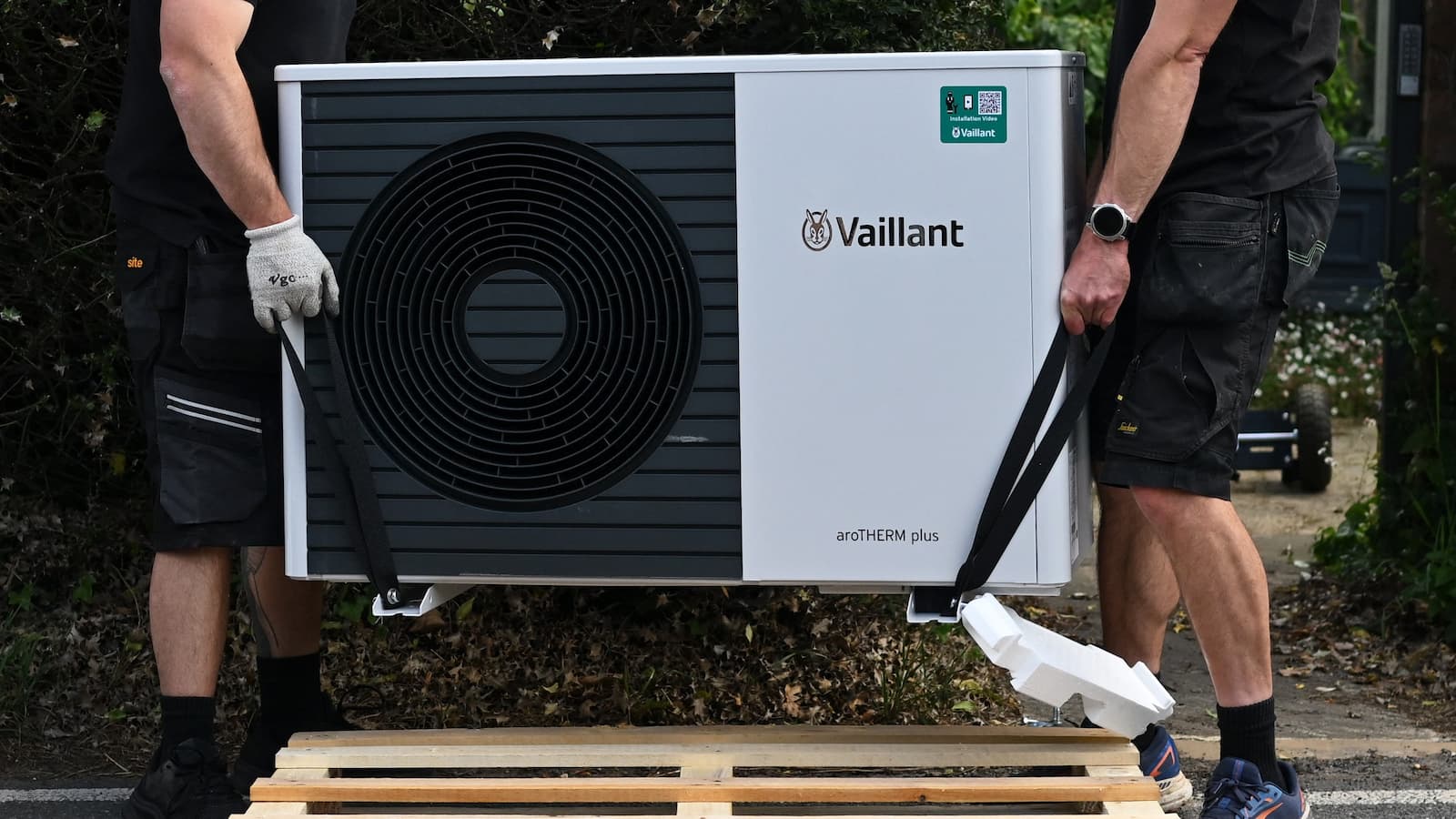
Credit: www.homebuilding.co.uk
Frequently Asked Questions
Can Hydrogen Replace Natural Gas For Home Heating?
Hydrogen can replace natural gas in home heating with proper infrastructure. It burns cleanly, producing only water vapor. However, widespread use requires safety measures and pipeline upgrades. Transitioning to hydrogen could reduce carbon emissions significantly in residential heating.
Is Hydrogen Heating Cost-effective For Homeowners?
Hydrogen heating currently has higher costs due to production and infrastructure expenses. As technology advances and demand grows, prices are expected to decrease. Government incentives and renewable hydrogen sources can improve affordability for homeowners over time.
How Safe Is Hydrogen For Heating Homes?
Hydrogen is highly flammable but can be handled safely with modern technologies. Homes need specialized detectors and ventilation systems. Proper installation and maintenance reduce risks, making hydrogen a viable and safe heating option when regulations are followed.
What Are The Environmental Benefits Of Hydrogen Heating?
Hydrogen heating produces zero carbon emissions when sourced from renewables. It helps reduce air pollution and dependence on fossil fuels. Using hydrogen for heating supports global climate goals and promotes sustainable energy use in residential areas.
Conclusion
Hydrogen shows promise as a home heating fuel. It burns cleanly and produces no carbon emissions. Many challenges remain, like cost and infrastructure needs. Safety concerns also require careful attention. Still, research and tests continue worldwide. Homes may use hydrogen more in the future.
For now, it offers a possible step toward greener heating. The shift to hydrogen depends on solving key issues. The path is not simple, but progress is steady.