Have you ever wondered if your home heater could be making you sick? You rely on it to keep warm and comfortable during cold months, but what if it’s quietly harming your health?
Understanding how your heater affects the air you breathe is key to protecting yourself and your loved ones. Keep reading to uncover surprising facts and simple steps you can take to stay safe and healthy this winter.
How Home Heaters Affect Indoor Air
Home heaters keep rooms warm during cold days. They change the air inside your house. This can affect your health in different ways.
Understanding how heaters affect indoor air helps you stay safe and comfortable. Let's look at some key effects.
Dry Air And Respiratory Issues
Heaters often reduce moisture in the air. Dry air can irritate your nose, throat, and lungs. It may cause coughing or worsen asthma.
People may feel dry skin and itchy eyes too. Drinking water and using a humidifier can help keep air moist.
Circulation Of Dust And Allergens
Heaters move air around the room. This can spread dust, pollen, and pet dander. These allergens may trigger sneezing or allergies.
- Dust may build up in heater filters and vents.
- Allergens can circulate more when the heater is on.
- Cleaning and changing filters often reduces allergens.
- Using air purifiers can improve air quality.
Impact On Humidity Levels
Heaters affect indoor humidity by drying out the air. Low humidity can cause discomfort and health issues.
| Humidity Level | Effects |
| Below 30% | Dry skin, irritation, increased static electricity |
| 30% - 50% | Comfortable for most people and plants |
| Above 50% | Risk of mold and dust mites growth |
Types Of Home Heaters And Health Risks
Home heaters keep us warm during cold days. Different types of heaters can affect health in various ways.
It is important to know the risks linked to each heater type. This helps keep your home safe and healthy.
Electric Heaters And Safety Concerns
Electric heaters are common and easy to use. They do not burn fuel or produce fumes.
But they can cause dry air in the room. Dry air can irritate your skin, eyes, and throat.
- Keep a humidifier nearby to add moisture
- Do not place heaters too close to furniture
- Turn off heaters when not in use to prevent fires
Gas Heaters And Carbon Monoxide
Gas heaters burn natural gas or propane to create heat. They need good ventilation to work safely.
Bad ventilation can cause carbon monoxide buildup. Carbon monoxide is a dangerous, odorless gas.
- Install carbon monoxide detectors in your home
- Service gas heaters yearly to check for leaks
- Never use gas heaters in closed rooms without fresh air
Portable Vs Central Heating Risks
Portable heaters move easily and heat small areas. Central heating warms the whole house at once.
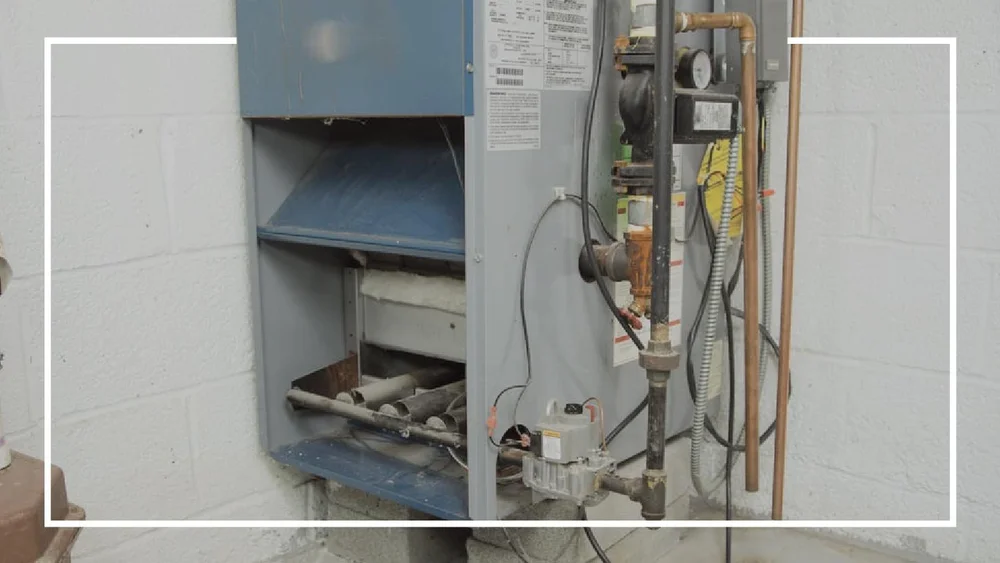
Portable heaters may cause burns or fire if not used carefully. Central heating systems need regular maintenance.
- Portable heaters should be kept away from flammable items
- Central heating filters need cleaning to avoid dust and allergens
- Check for gas or electric faults regularly in both types
Common Symptoms Linked To Heater Use
Using a home heater can affect your health in different ways. Some symptoms may appear after long use. It is important to know what to watch for.
This guide explains common health issues linked to heater use. Learn the signs and how they relate to your heating system.
Respiratory Problems
Heaters can dry out the air, which may irritate your lungs and nose. Dust and mold in heaters can cause allergies or worsen asthma. Breathing problems like coughing, wheezing, and shortness of breath are common symptoms.
- Coughing and wheezing
- Runny or stuffy nose
- Shortness of breath
- Increased asthma attacks
- Throat irritation
Skin Irritation And Dryness
Heated air often lacks moisture. This dry air can cause your skin to feel itchy and tight. People may notice redness, flaking, or cracks on their skin during winter months when heaters run nonstop.
| Symptom | Description |
|---|---|
| Dry skin | Skin feels rough and flaky |
| Itching | Uncomfortable irritation on skin |
| Redness | Skin looks inflamed or blotchy |
| Cracks | Small breaks that may bleed |
Headaches And Fatigue
Poor air quality from heaters can cause headaches and tiredness. Lack of fresh air and dryness may reduce oxygen levels. This makes you feel weak or dizzy.
Common causes of headaches and fatigue include:
- Low humidity
- Dust and allergens
- Carbon monoxide from faulty heaters
- Stale indoor air

Credit: www.youtube.com
Preventing Health Issues From Home Heaters
Home heaters keep us warm during cold days. But they can cause health problems if not used right.
It is important to use heaters safely to avoid breathing problems or dry skin.
Proper Ventilation Tips
Good ventilation helps keep air fresh and clean. It stops harmful gases from building up inside.
Open windows or vents slightly to allow fresh air in. Avoid closing all air passages when heating.
- Open a window for a few minutes daily
- Use exhaust fans in kitchens and bathrooms
- Keep vents clear of furniture and dust
Regular Maintenance And Cleaning
Clean your heater often to stop dust and allergens. Dirty heaters can spread particles that cause sneezing or coughing.
Check your heater for damage or leaks. Fix problems quickly to keep your heater safe and working well.
- Remove dust from vents and filters every month
- Inspect for cracks or leaks before winter
- Hire a professional for yearly safety checks
Using Humidifiers Alongside Heaters
Heaters can dry out the air. Dry air causes dry skin, itchy eyes, and sore throats.
Humidifiers add moisture back to the air. This makes breathing easier and keeps your skin healthy.
- Use a humidifier to keep indoor air moist
- Clean the humidifier regularly to avoid mold
- Keep humidity levels between 30% and 50%
When To Seek Medical Help
Home heaters can sometimes cause health problems. It is important to know when to get medical help. Early action can prevent serious issues.
Some symptoms need urgent care. Others may develop slowly but still need attention. Learn the signs to keep yourself safe.
Recognizing Serious Symptoms
Serious symptoms from heater exposure include chest pain, severe headache, and dizziness. If you feel very weak or confused, see a doctor right away.
- Chest pain or tightness
- Severe headache
- Dizziness or fainting
- Shortness of breath
- Confusion or difficulty speaking
Exposure To Carbon Monoxide
Carbon monoxide (CO) is a dangerous gas from heaters. It has no smell or color. Breathing CO can cause serious illness or death.
| Symptom | Description |
| Headache | Common early sign of CO poisoning |
| Nausea | Feeling sick to your stomach |
| Fatigue | Extreme tiredness without cause |
| Confusion | Difficulty thinking clearly |
| Loss of consciousness | Passing out, needs emergency care |
Long-term Health Effects
Long-term exposure to heater fumes can harm your lungs and heart. It may cause chronic breathing problems and worsen heart disease.
- Chronic cough or wheezing
- Frequent chest infections
- Increased risk of heart attacks
- Fatigue and poor exercise tolerance

Credit: www.energysafe.vic.gov.au

Credit: actionfurnace.ca
Frequently Asked Questions
Can Home Heaters Cause Respiratory Problems?
Yes, home heaters can worsen respiratory issues. Dry heat reduces indoor humidity, irritating airways. Dust and mold in heaters can trigger allergies or asthma. Regular cleaning and using humidifiers help reduce risks.
How Do Heaters Affect Indoor Air Quality?
Heaters can lower indoor air quality by circulating dust, allergens, and pollutants. Gas heaters might emit carbon monoxide if unventilated. Proper maintenance and ventilation improve air quality and safety.
Can Heating Systems Spread Germs Indoors?
Heating systems can circulate airborne germs if filters are dirty. Warm, dry air may help viruses survive longer. Changing filters regularly and cleaning ducts reduce germ spread.
Why Does Heater Dryness Cause Sickness?
Heater dryness lowers indoor humidity, drying mucous membranes. This makes it easier for viruses and bacteria to infect the respiratory tract. Using humidifiers helps maintain moisture and reduce illness risk.
Conclusion
Home heaters can affect your health if not used carefully. Dust and germs may spread in dry, warm air. Poor ventilation can cause breathing problems or allergies. Clean your heater often and keep the room fresh. Use a humidifier to add moisture when needed.
Regular checks prevent risks and keep you safe. Stay aware of how your heater works. Healthy warmth is possible with simple care and attention.